Last updated: 2026-08-10 by Ted Sellers, Owner
Usually only a few days to a few weeks. A roof tarp in Minnesota is a temporary dry-in measure, not a season-long fix. Wind, UV, freeze-thaw cycling, snow load, and fastening method control how long it lasts. If the tarp is still up after the immediate emergency, it’s time to move toward inspection and permanent work.
When This Applies
Roof tarps are for active damage, not long-term protection
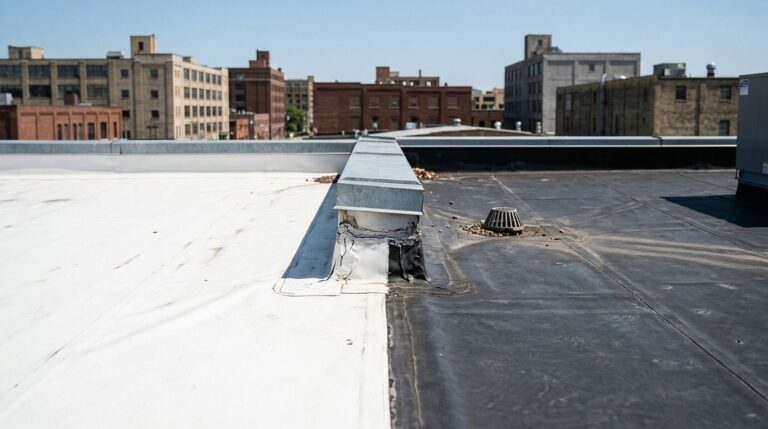
This applies to homeowners with torn asphalt shingles, bent metal roofing, or a fresh leak after hail or wind. It also applies to owners of a commercial flat roof with open seams, flashing damage, or punctures in TPO roofing, EPDM, modified bitumen, or BUR.
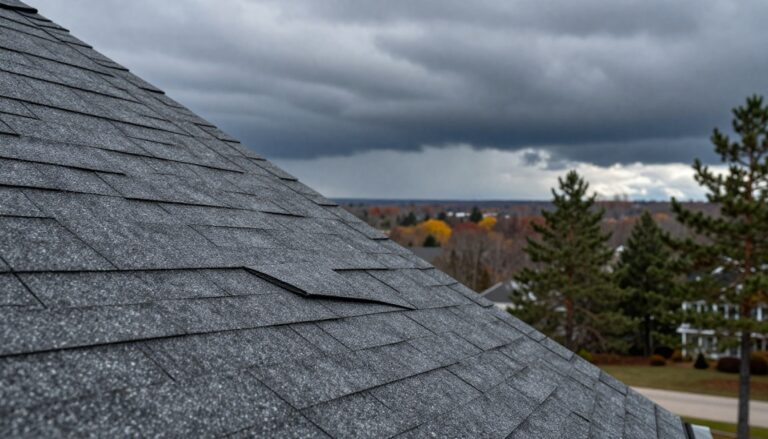
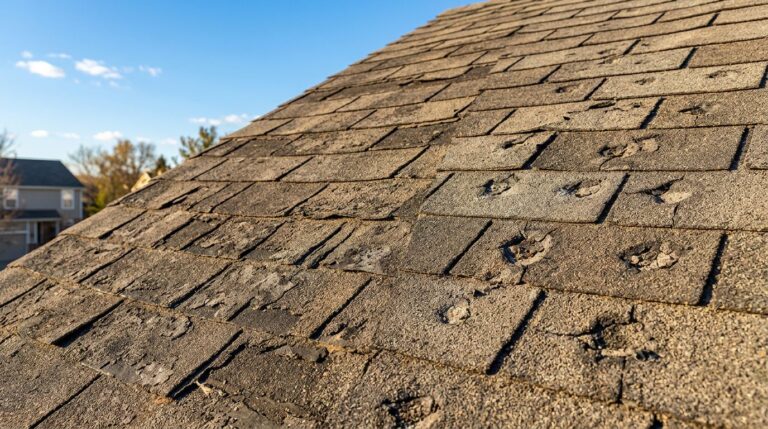
A tarp makes sense when the roof has a real opening and water is entering the building. A hail damage roof may not look dramatic from the ground, but one split seam or lifted edge can start soaking insulation fast. The same is true for a storm damage roof after wind-driven rain in Saint Paul, Minneapolis, or anywhere in the Twin Cities.
When the usual rule doesn’t fit
A tarp does not make sense as a “just in case” move on an intact roof. If the issue is backed-up drainage, chronic age, or a long-running leak, a tarp may not solve the actual failure. It also isn’t a substitute for ice dam removal when the problem is trapped meltwater at the eaves.
Insurance questions change the picture, too. A roof insurance claim usually turns on the cause of loss, not where the ceiling stain showed up. Keep the building protected with temporary measures, save receipts, and take dated photos. That record helps if the adjuster can’t inspect right away or if old wear gets mixed in with new storm damage.
What Changes the Timeline
Minnesota weather shortens tarp life fast
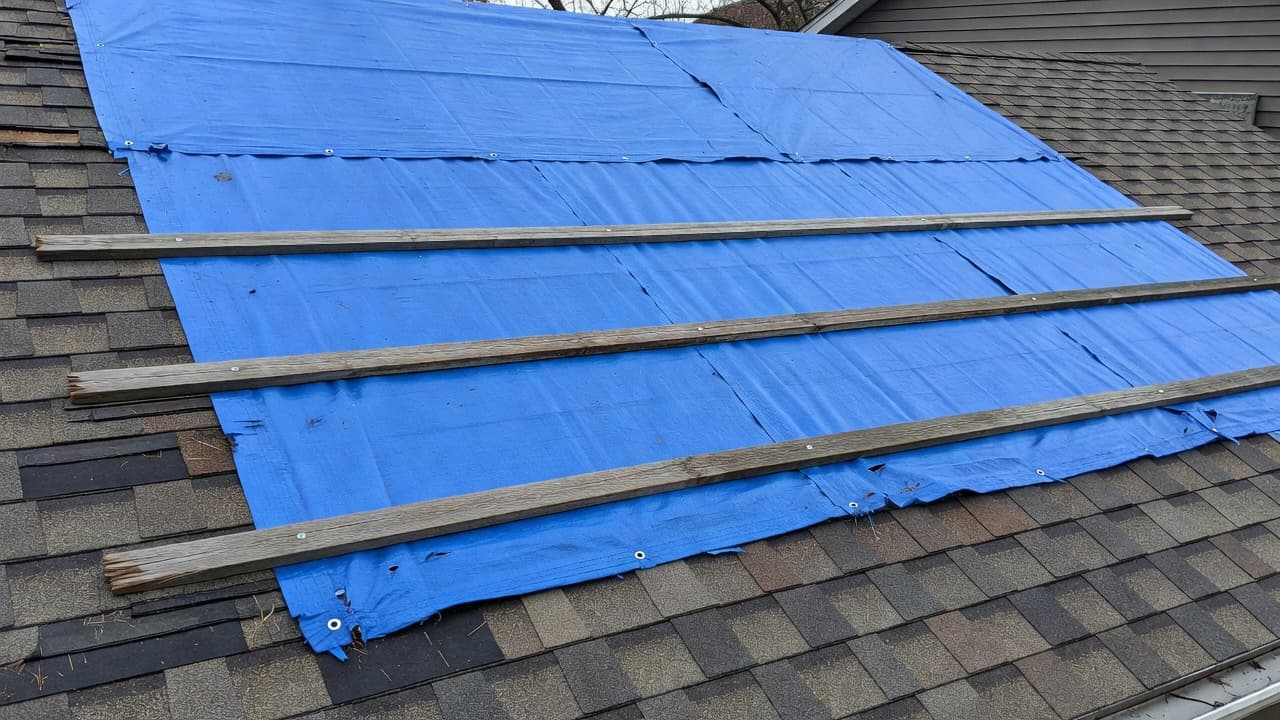
A tarp fails from movement. Wind tugs at edges, battens loosen, fasteners back out, and pooled water stretches the material. Then snow load and freeze-thaw cycles finish the job.
A tarp is a pause button, not a repair.
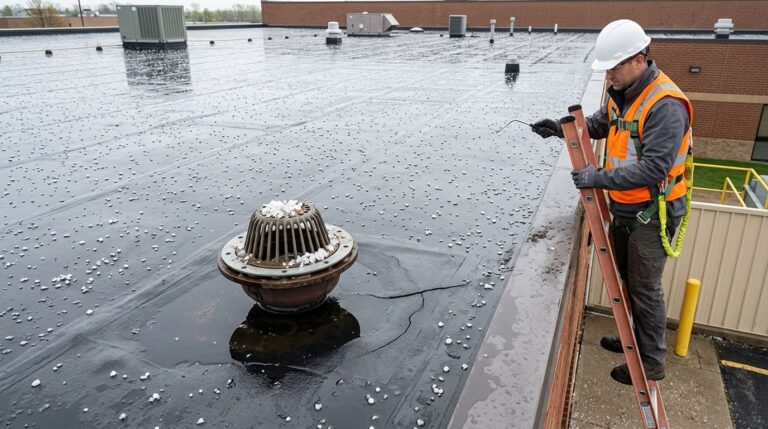
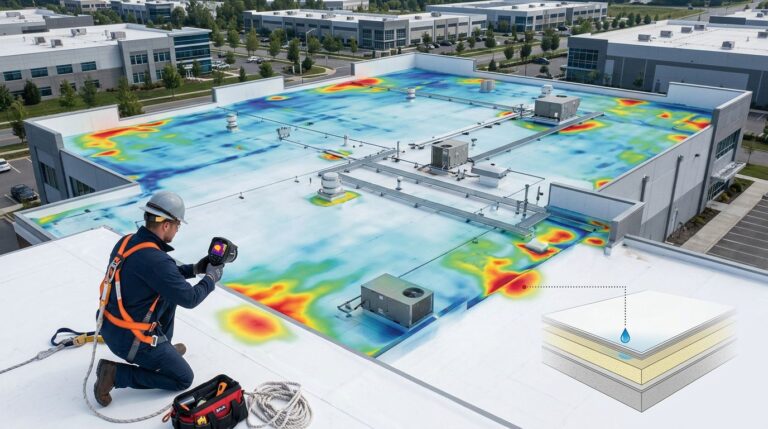
Low-slope roofs are less forgiving than they look. On TPO, EPDM, modified bitumen, and BUR systems, water can travel under the membrane before it appears inside. On a commercial building, the stain on the ceiling marks the exit point, not always the entry point. That’s why a commercial roof inspection matters early.
Steep-slope roofs have their own limits. A tarp over asphalt shingles or metal roofing can chafe, flap, and wear through at high points. Once that happens, the clock is up, even if the tarp looked fine last week.
Step-by-Step
What to do once the tarp is up
- Check it after every major weather event. Look from the ground for flapping corners, torn grommets, sagging, or water pockets. If the tarp is moving, it’s already failing.
- Keep the work temporary. Stop active water, but don’t rush into permanent patching before anyone documents the damage. Early permanent work can erase the proof that shows whether the opening was fresh, older, or wider than expected.
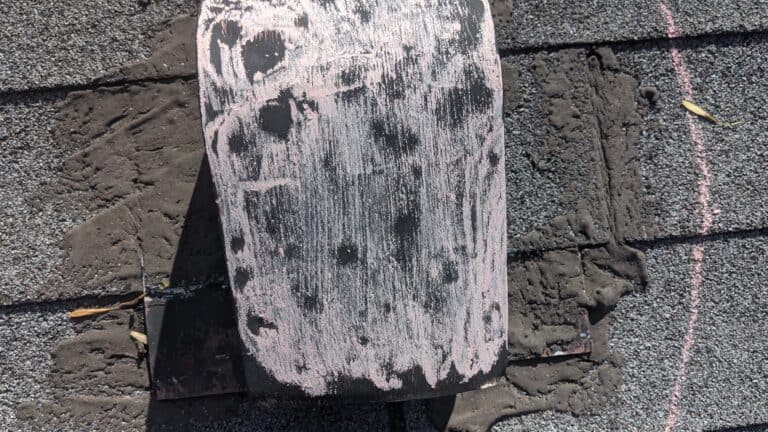
- Build the claim file while the evidence is visible. Take wide and close photos, note storm dates, and keep receipts for tarping or interior protection. If water is showing inside, remember that the stain may be far from the actual breach, especially on a commercial flat roof.
- Get the right inspection for the roof type. On low-slope systems, hidden moisture matters as much as surface damage. If water entry is hard to trace, professional commercial roof leak detection can locate the breach path before permanent work starts. If your building needs a documented scope, Get a Free Commercial Roof Inspection.
- Let the roof system decide the scope. A dry membrane with isolated damage may call for commercial roof repair. Wet insulation, failed seams across multiple areas, or incompatible older patches can push the job toward commercial roof replacement. If the assembly is still dry and stable, commercial roof restoration or commercial roof coatings may be an option, but only after the substrate checks out.
- Move from tarp to permanent work fast. On homes, the answer may be residential roof repair for a localized opening or residential roof replacement if the field is brittle, creased, or broadly compromised. If the roof is actively leaking, Call 651-703-2336 for 24/7 Emergency Roofing. For Saint Paul roofing, Minneapolis roofing, and broader Twin Cities roofing, the contractor should be licensed, able to document storm scope, and able to separate old wear from new damage.
Conclusion
The practical takeaway
If a roof tarp in Minnesota is still up weeks later, treat that as borrowed time. The safe goal is the shortest window needed to dry in the building, document the damage, and move into real repair or replacement.
That matters on houses and commercial roofs alike. Good Minnesota roofing work starts with temporary protection, but it ends with a verified scope and a permanent fix.
FAQ
Can a roof tarp stay up all winter in Minnesota?
It shouldn’t be the plan. A tarp may survive part of a winter, but snow, ice, wind, and freeze-thaw cycling make failure more likely with every storm.
Will insurance usually pay for the tarp?
Often yes, if the tarp was a reasonable response to sudden covered damage.
What should you save?
Keep receipts, dated photos, and notes showing when the leak started and what you did to limit more damage.
Does a tarp work on commercial roofs?
Yes, but only as temporary dry-in. On TPO, EPDM, modified bitumen, and BUR, water can travel under the surface, so the visible leak point can mislead the repair scope.
What if the adjuster can’t inspect right away?
Leave the temporary protection in place if it’s still holding. Keep taking photos and avoid broad permanent work until the cause and extent of damage are documented.
How should you vet a contractor after tarping?
Ask about license status, roof-system experience, and documentation. For union-built roofing, many owners also look for GAF certified contractors, crews tied to IUPAT Local 96, and active credentials such as MN License 803862. Sellers Roofing Company, based at 801 Transfer Road, Saint Paul, MN 55114, has operated since 2017 and reports 1,100-plus completed roofs.
Need a roof inspection in Saint Paul or the Twin Cities? Call Sellers Roofing Company at +1-651-703-2336 or schedule a free estimate. We are a black-owned, NMSDC-certified MBE roofing contractor with 9+ years experience.