Last updated: 2026-08-01 by Ted Sellers, Owner
Yes. Tree branch scuffs can look like hail damage, especially on flat roofs with weathered membranes, coatings, or light-colored surfaces. The difference usually shows in the pattern. Branch marks are dragged or directional, while hail leaves scattered impact marks. If the roof also has leaks, the damage may call for repair, not just a visual guess.
When This Applies
Where scuffs and hail get confused
Tree branches often leave marks that fool the eye. That happens most on low-slope and flat roofs, where a limb can drag across the surface during wind, snow load, or a heavy storm. If the roof already has chalking, dirt, or old wear, a branch mark can look like a storm bruise at first glance.
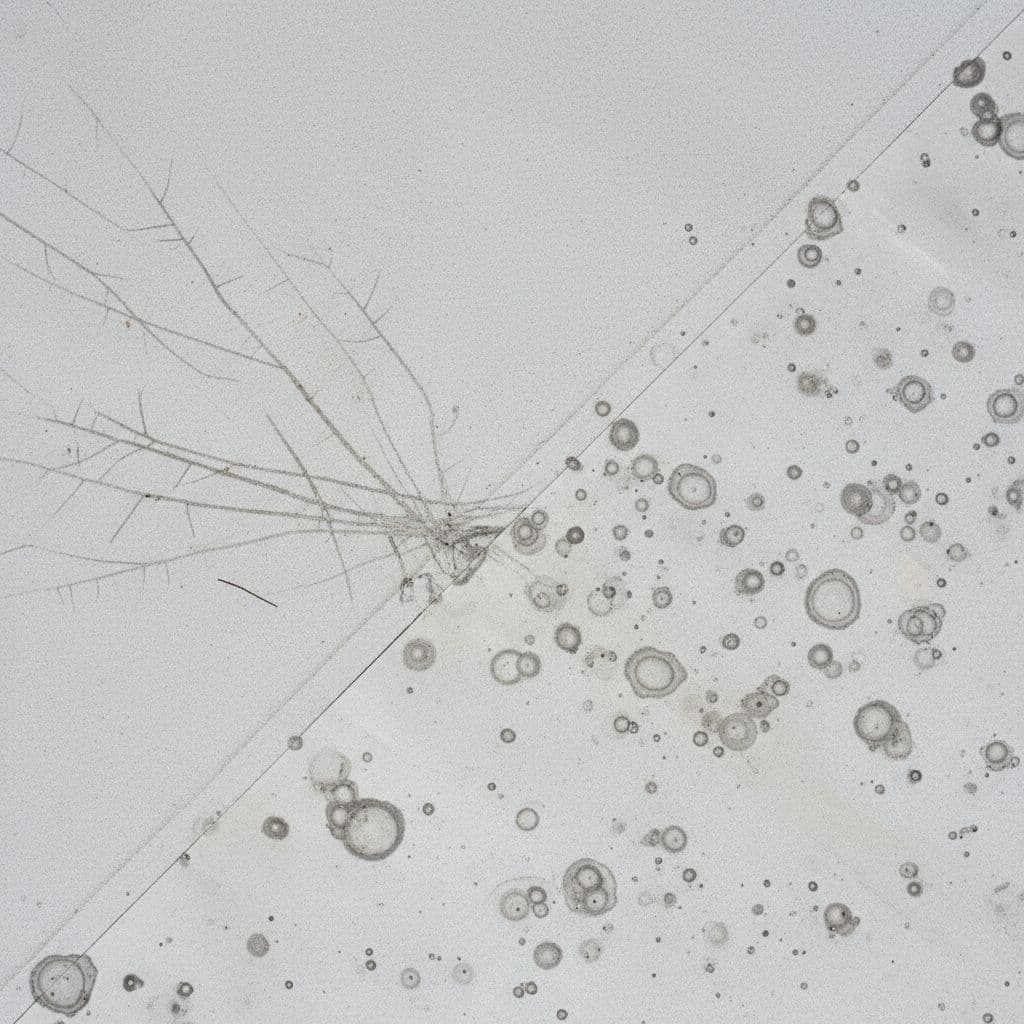
The mix-up is common because hail and branch contact both disturb the surface. On TPO, EPDM, modified bitumen, and coated roofs, that disturbance can show up as pale scarring, surface rubbing, or small dents. On metal edges, the marks can look even closer.
The mark itself matters less than the pattern around it. One scrape means little. A cluster of impact marks tells a different story.
When the marks are more likely hail
Hail damage usually shows a random spread across exposed areas. It often hits the windward side harder and leaves repeated marks in a wider pattern. Those marks tend to be rounded, pitted, or bruised rather than long and dragged.
Roof details matter too. Hail often shows up on edge metal, flashing, vents, curbs, and seams before it shows in the middle of the field. If you see matching damage on several roof details, hail becomes more likely.
When it is probably branch contact instead
Branch scuffs usually have a direction. They may run in a line, follow the path of a limb, or show lighter surface abrasion on one side of the roof. Fresh sap, snapped twigs, leaves, or nearby overhanging trees also point toward contact damage.
If the roof is leaking or the insulation is wet, don’t stop at the surface mark. The roof may need a commercial roof leak detection services visit to sort out what is cosmetic and what is letting water in.
If the surface is coated or chalked
A coated roof can hide a lot of detail. Branch scuffs may look like shallow streaks, while hail may leave dull, repeated bruises with no clear direction. On older roofs, surface wear can blur both. That is why the surrounding pattern matters more than the one mark you notice first.
Step-by-Step
1. Start with the mark shape
Look closely at the damage. Long streaks, scrape lines, and rubbed edges usually point to a branch. Small round pits, dimples, or clustered bruises lean toward hail. Color change alone does not tell the story.
2. Read the roof pattern
Check more than one spot. Hail usually affects a broad area with similar marks. Branch scuffs often stay in one path or near one edge. If the marks stop and start in a line, that is a clue.
3. Check nearby roof details
Look at seams, flashings, drains, curbs, and edge metal. Hail often hits those parts hard. Branches usually leave matching rub marks on the roof surface and the nearest high point. If the damage is unclear, commercial roofing repair and maintenance in Saint Paul can help you compare the roof to what a trained eye expects.
4. Keep the evidence intact
Do not wash the roof or patch the marks before photos are taken. Clear images, storm dates, and notes about nearby trees matter if you need to prove what happened. If water is entering the building, document the leak path before any temporary work covers the source.
When the roof already leaks
A visible scuff can hide a larger issue. If moisture has reached the insulation, deck, or interior ceiling, the roof needs a real inspection. At that point, the decision may move beyond appearance and into commercial flat roof repair or, in larger cases, commercial roof replacement.
5. Decide what the roof actually needs
A few surface scuffs may be cosmetic. Repeated impact marks, lifted seams, torn flashing, or wet insulation are different. If your commercial roof needs repair, the next step is to find out whether the damage is isolated or spread across the system. A local Saint Paul commercial roofing team can inspect the roof, document the findings, and tell you whether repair or replacement makes more sense.
Conclusion
Tree branch scuffs can be mistaken for hail damage, but the roof usually gives better clues than the first mark you spot. Pattern, direction, and spread tell the real story. A dragged line points one way, while repeated impact marks point another.
If the surface damage sits beside leaks, wet insulation, or torn seams, treat it as more than a cosmetic issue. The right call is the one that matches what the roof is showing, not what it looks like from the ground.
FAQ
Can branch scuffs make an insurance claim harder?
Yes. An adjuster may ask whether the mark came from a tree, wind, or storm impact. Good photos and notes help show whether the roof took a hit or just picked up surface wear.
What if the roof has both hail marks and branch scuffs?
That happens. A storm can move branches across the roof and still drop hail at the same time. In that case, a full inspection matters because one cause does not cancel out the other.
How do inspectors tell the difference?
They look at shape, direction, location, and how many marks appear in the area. Hail leaves a broad pattern. Branch contact tends to leave a line or path that matches tree movement.
Should I clean the roof before an inspection?
No. Cleaning can remove the very marks that explain what happened. Take photos first, then wait for the inspection or leak test if the damage is unclear.
Does a scuff always mean the roof is damaged?
No. Some scuffs stay on the surface only. Others point to deeper damage that opens the door for water. If the roof is old or already leaking, even a small mark deserves a closer look.
Need a roof inspection in Saint Paul or the Twin Cities? Call Sellers Roofing Company at +1-651-703-2336 or schedule a free estimate. We are a black-owned, NMSDC-certified MBE roofing contractor with 9+ years experience.