Last updated: 2026-08-01 by Ted Sellers, Owner
Sometimes, but not automatically. Minnesota has no state matching law that forces insurers to replace an entire roof just because discontinued roof shingles can’t be matched. Payment usually depends on your policy language, whether the shingles are truly unavailable, the scope of storm damage, and whether a partial repair would leave a clearly uneven roof.
In Minnesota, matching is usually a policy issue, not an automatic right.
When This Applies
Properties and claims where matching arguments matter
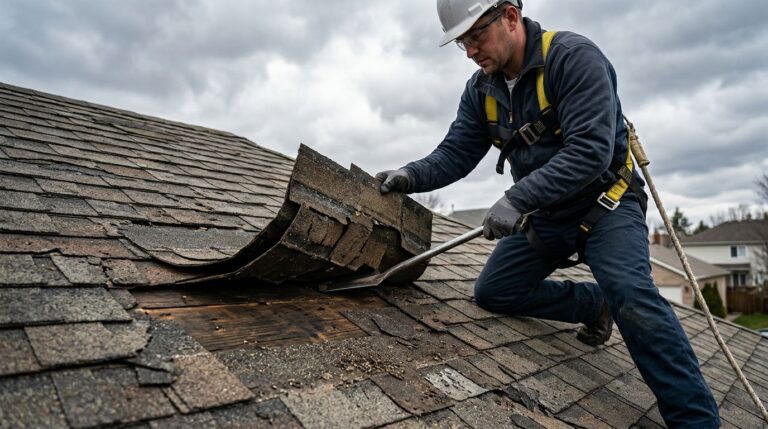
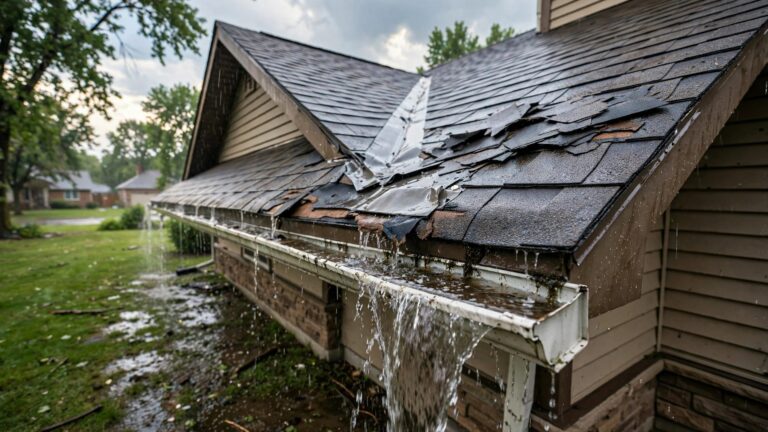
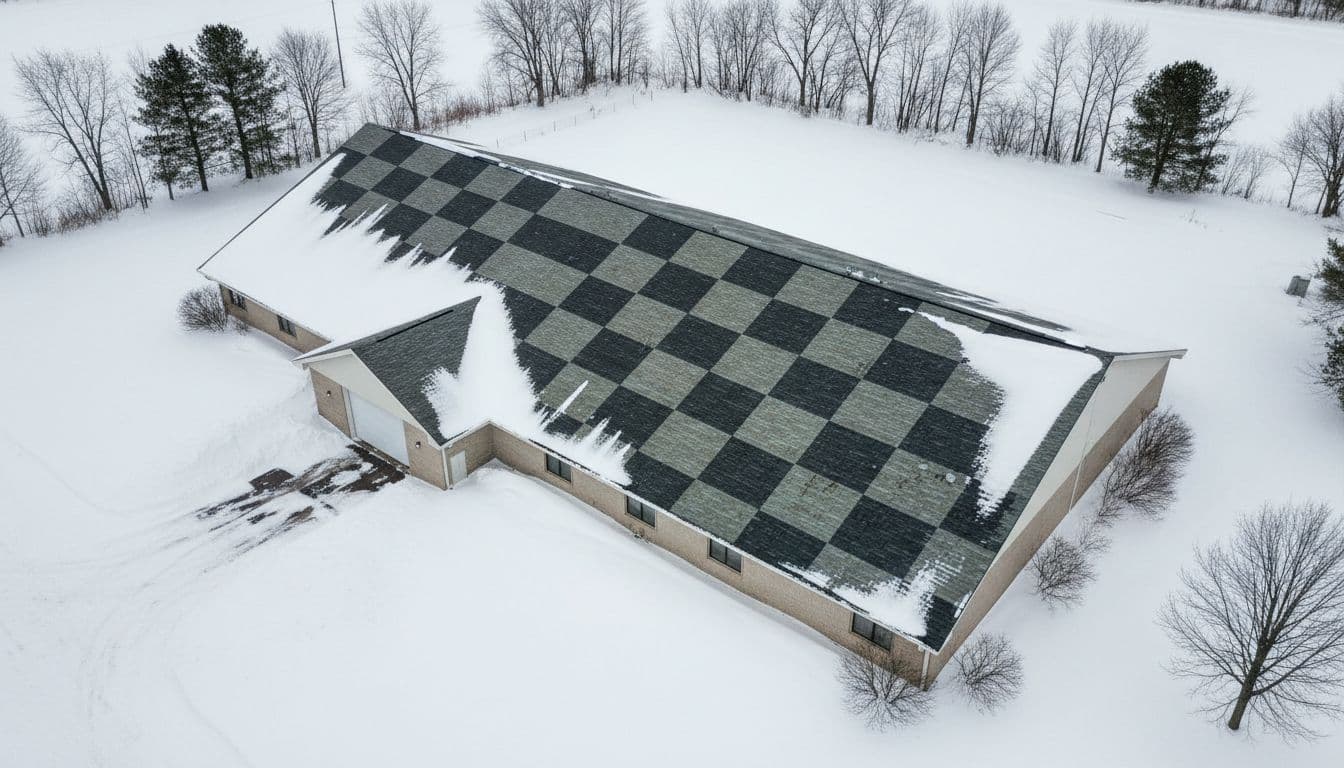
This issue usually comes up after hail or wind damages an older shingle roof. It matters most when the damaged area sits next to faded, weathered, or no-longer-made shingles. In that case, a small patch can stand out like a new square on an old quilt.
For business owners, the problem often shows up on offices, churches, retail buildings, apartment-style properties, and mixed-use sites with steep-slope shingle sections. It also comes up on buildings with decorative shingle mansards above storefronts. If the roof is highly visible, a bad patch can hurt appearance, perceived value, and tenant appeal.
As of March 2026, Minnesota still does not have a statewide rule that automatically requires matching. This overview of Minnesota matching claims explains that point well. Still, some replacement cost policies create room to argue for more than a simple spot repair.
When it usually does not apply
Matching arguments get weaker when the roof failed because of age, poor upkeep, bad installation, or old unrepaired damage. They also weaken when the policy pays actual cash value, excludes undamaged materials, or limits payment to direct physical loss only. If a carrier can source a truly comparable shingle, it may owe only a repair or one-slope replacement.
Insurers also try to frame many disputes as cosmetic. In other words, if the roof still sheds water and the replacement piece is close in color, they may say the claim ends there. That is why repairability matters so much. A mismatch that affects sealing, exposure, or wind performance is stronger than a color complaint alone.
Commercial exceptions worth noting
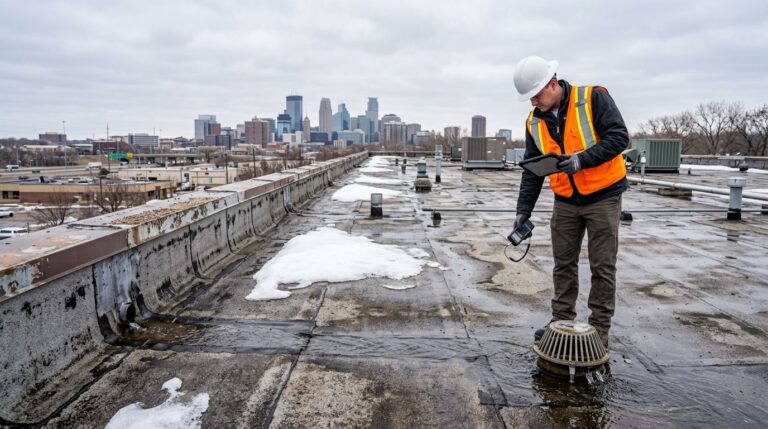
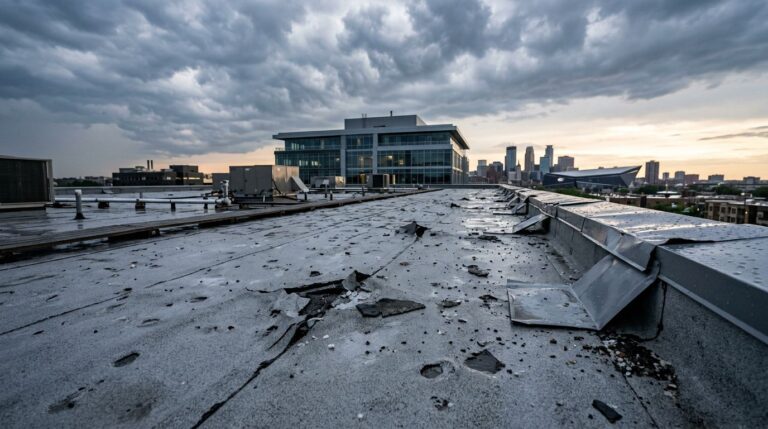
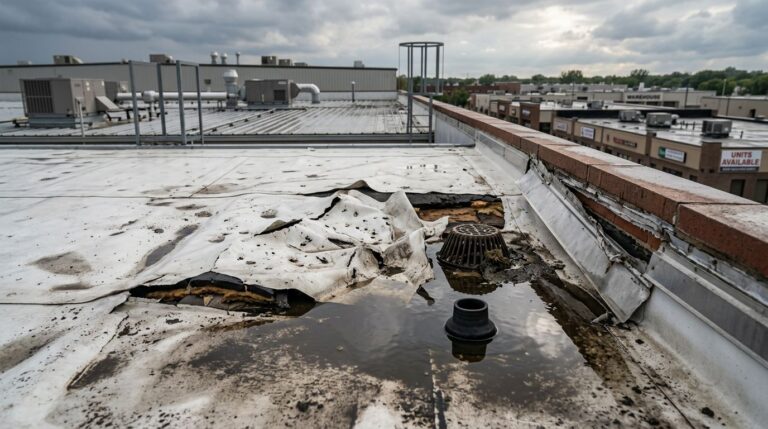
Many business properties have more than one roof type. If a commercial roof needs repair on TPO, EPDM, or BUR sections, the issue usually is not shingle matching. It is wet insulation, seam failure, or punctures. In those cases, commercial roof leak detection Saint Paul may matter more, and the right fix may be commercial flat roof repair instead of a discontinued shingle claim.
Step-by-Step
Read the policy before the adjuster locks in the scope
- Pull the declarations page, endorsements, and loss-settlement section. Look for terms such as “replacement cost,” “actual cash value,” “like kind and quality,” and any wording about uniform appearance after repairs.
- Check whether the claim involves one roof, one slope, or several structures. On commercial properties, bad outcomes often start when shingle areas and flat-roof areas get lumped into one vague estimate.
- Ask for the full policy if you only have a summary. A short claim letter rarely tells you whether matching is excluded, limited, or still open to debate.
Prove the shingles are actually discontinued
- Get written proof from the manufacturer, distributor, or supplier that the exact shingle, color, or profile is unavailable. If you want a simple guide to discontinued roofing shingles, focus on profile, thickness, and exposure, not color chips alone.
- Have a roofer take both close-up and wide-angle photos. You need to show granule loss, sun fade, shadow lines, and how the repaired area will look from normal viewing distance.
- Ask the contractor for a written repairability opinion. If the replacement shingle uses a different seal strip, nailing zone, or exposure, the issue is not just looks. It can affect performance.
Push the claim toward a firm answer
If the building has both flat and shingle sections
- Separate the estimate by roof type and by slope. That way, a commercial roof replacement for the shingle area can stand on its own facts, even if the flat section only needs limited repair work.
- Send one clean package to the adjuster, including policy language, photos, the supplier letter, and the contractor report. Then ask for a written decision on damaged shingles only, full slope replacement, or a broader scope.
- Watch deadlines closely. Most carriers move faster when supplements, photos, and contractor notes arrive before the file goes quiet.
- If the carrier still says no, ask for supervisor review, appraisal, or legal review. When the scope still feels too small, a second opinion from Saint Paul commercial roofing experts can help show whether the patch is reasonable or whether the claim needs a larger settlement.
FAQ About Minnesota Discontinued Shingle Claims
Can insurance pay for one slope but not the whole roof?
Yes. That is a common result. Carriers often see one slope as the middle ground between a spot patch and full replacement. Still, if the slopes connect visually and the mismatch is obvious, a broader claim may be justified.
What if the shingles are available in name only?
That happens often. A product line may still exist, but the old color blend, profile, or shadow line may not. In that case, samples, side-by-side photos, and a roofer’s report usually matter more than a catalog number.
Does appraisal help with matching disputes in Minnesota?
Sometimes, yes. Minnesota disputes have turned on policy wording and the value of a proper repair. This explanation of matching coverage in Minnesota shows why policy language and appraisal can both shape the outcome.
What if my property has shingles in front and membrane roofing in back?
Treat them as separate claim issues. The front may raise a discontinued shingle problem, while the rear section may need leak testing, insulation review, or standard membrane repair pricing.
Can I still argue for matching if the roof is not leaking?
Yes, sometimes. Hail and wind can damage shingles without causing immediate leaks. If the repair leaves a visibly uneven roof or uses materials that do not integrate well with the old system, the lack of interior water damage does not end the claim. If your roof looks patched together after a storm, do not assume the first claim answer is final. In Minnesota, policy wording and proof usually decide whether matching gets paid. A supplier letter, a detailed contractor report, and a clean estimate can turn a weak cosmetic complaint into a strong repairability argument.
Need a roof inspection in Saint Paul or the Twin Cities? Call Sellers Roofing Company at +1-651-703-2336 or schedule a free estimate. We are a black-owned, NMSDC-certified MBE roofing contractor with 9+ years experience.