Last updated: 2026-08-01 by Ted Sellers, Owner
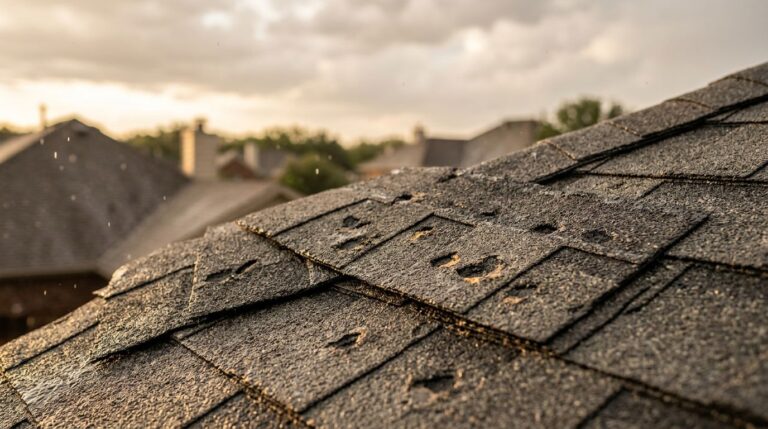
Hail damage on asphalt shingles usually shows up as
- (1) round “bruises” where the shingle mat fractures under the surface,
- (2) clean granule loss spots with a defined impact area, and
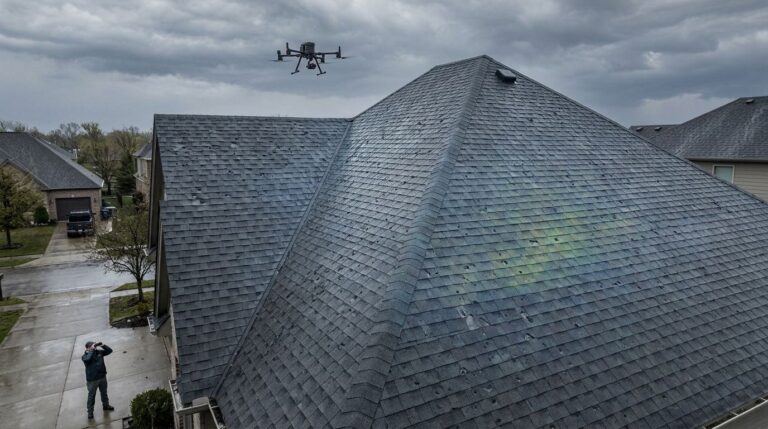
- (3) a repeating pattern of similar-sized hits across the same roof slope (often on the windward side). The fastest way to confirm is to compare close-up photos, then document clusters of impacts with a coin for scale and request a professional inspection.
Hail marks can hide in plain sight, especially on architectural shingles. From the ground, a roof can look “fine,” but up close it can look like it has tiny bruises, like an apple that was dropped and browned later.
This guide is built for Saint Paul, MN roofs, where freeze and thaw cycles and wind-driven storms can make damage harder to judge.
Hail damage asphalt shingles: what real impacts look like up close
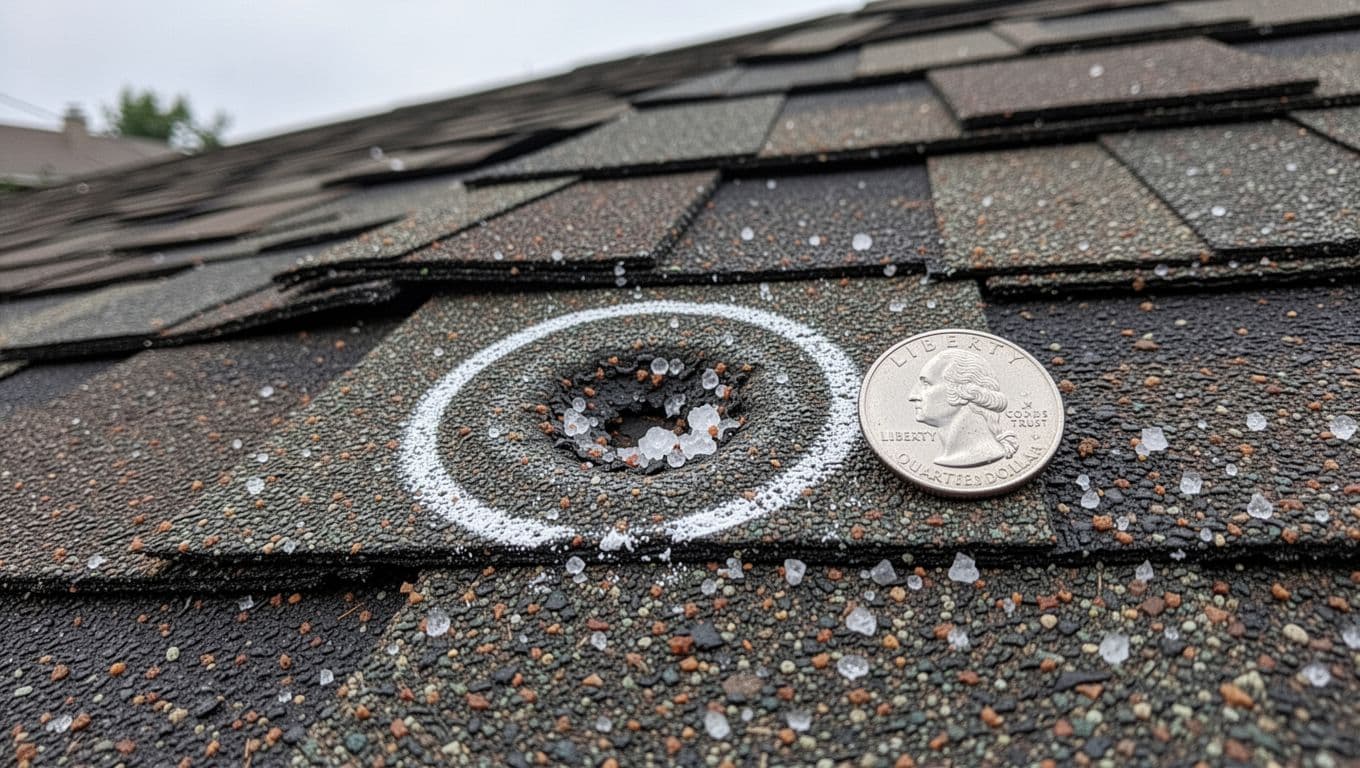
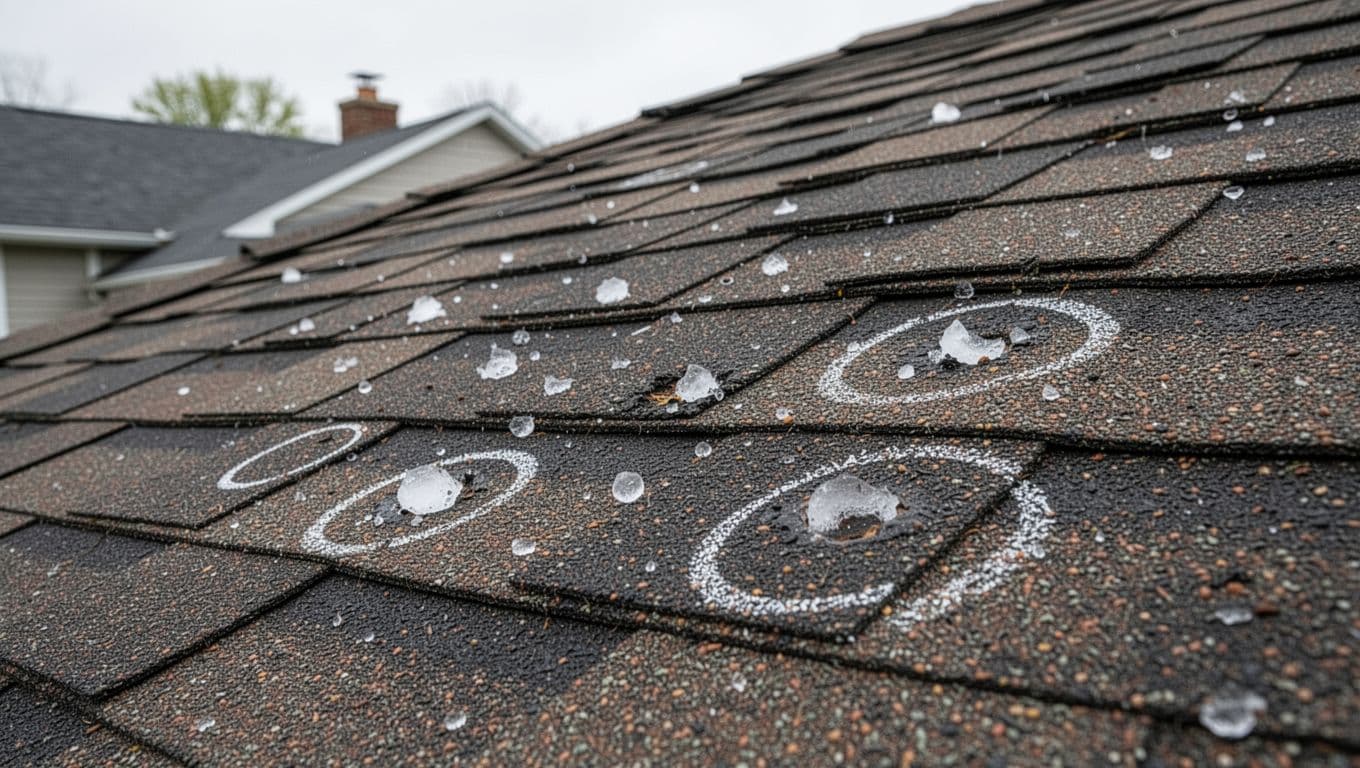
The appearance of bruised shingles from hail on asphalt shingles is often a mat fracture. The shingle can look slightly dimpled, and the granules may be pushed in or loosened. If you gently press it (only if it’s safe and you know what you’re doing), it can feel a bit softer than the surrounding area, like a bruise under skin. For photographic documentation, include a chalk circle and a U.S. quarter for scale.
Granule loss resulting in missing granules is another common sign. The key is the shape and edge of the spot. Random aging usually looks gradual. Hail loss often looks like a defined impact.
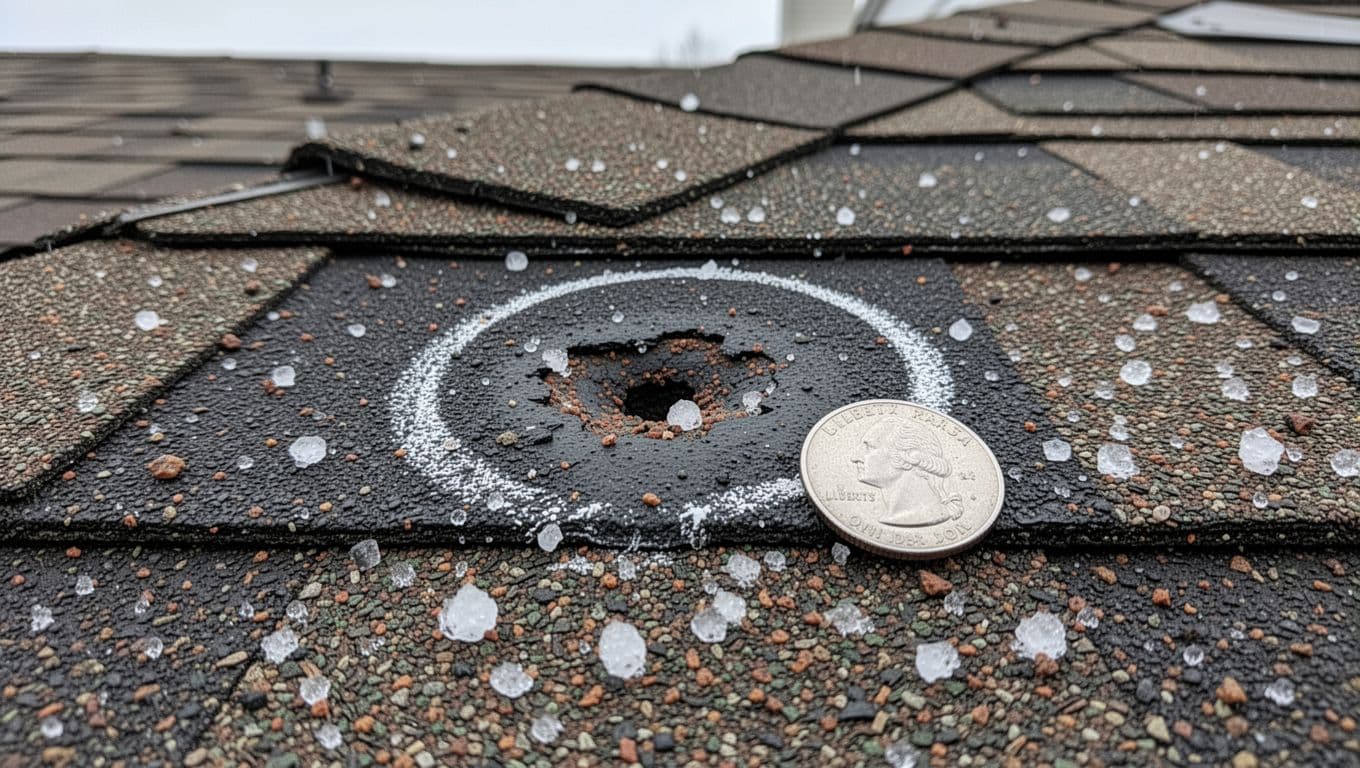
Finally, look for repetition. One suspicious spot could be anything. Multiple similar hits across adjacent shingles is when the story starts to make sense.
For a deeper technical reference on identifying hail damage on shingles, see InspectApedia’s hail damage identification guide.
Photo comparisons: hail damage vs. look-alikes that fool people
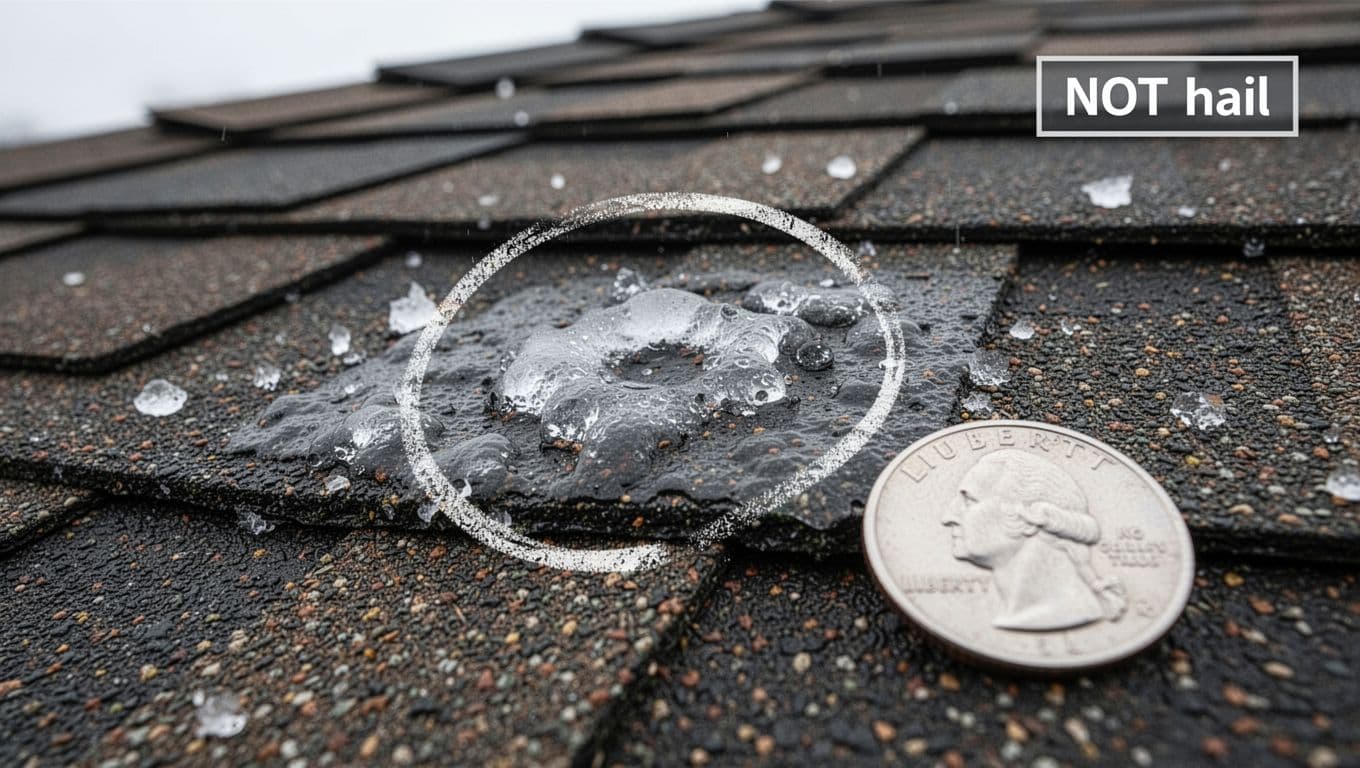
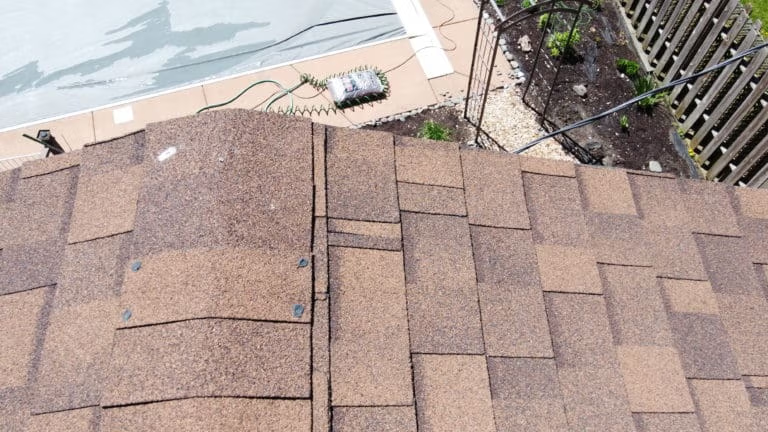
In Saint Paul, it’s common to see roof issues that look storm-related but aren’t. Thermal blisters are raised bumps caused by heat and trapped moisture or manufacturing variables in roofing materials. They don’t usually have a crisp “impact ring,” and they tend to show up in a more random, widespread way.
Foot traffic damage is another big one, especially after holiday lights, satellite work, or quick “roof checks.” Traffic often makes streaks, scuffs, and visible dents, not round impacts.
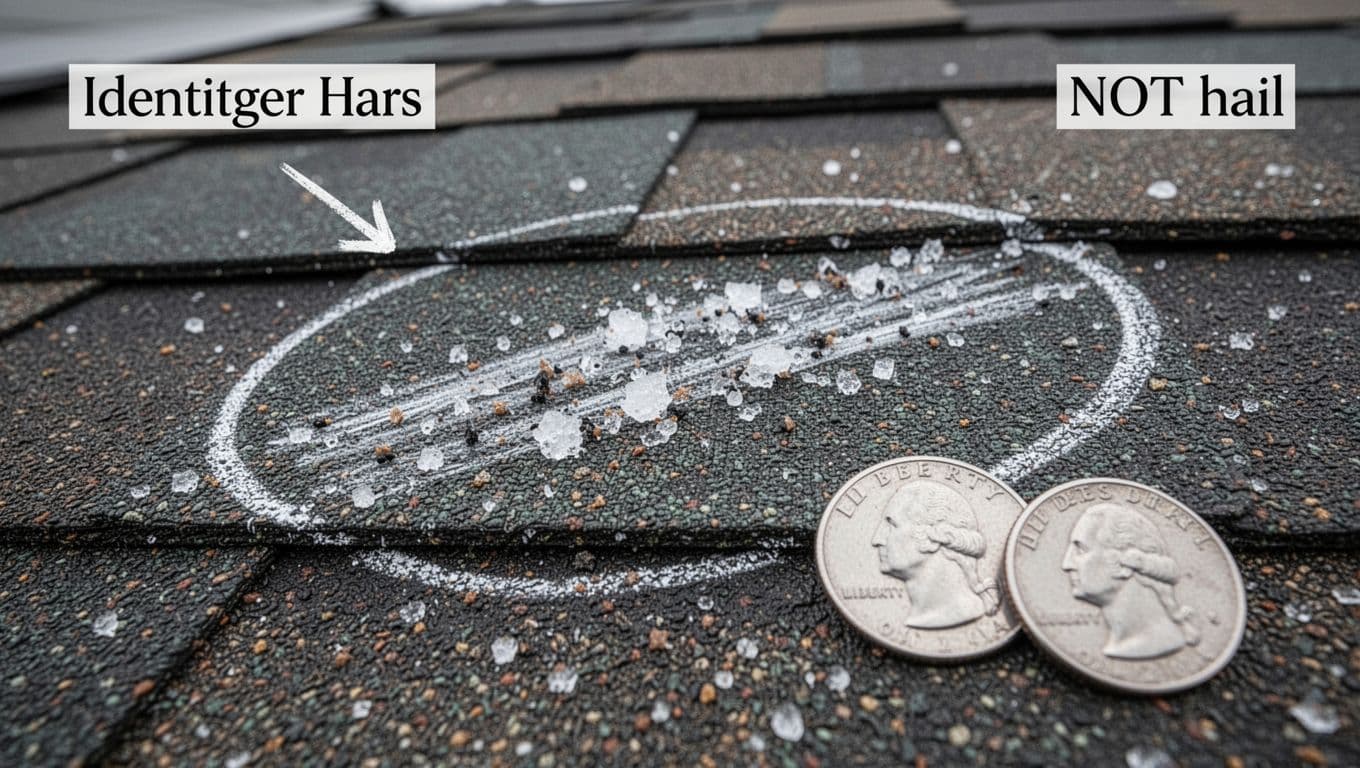
Here’s a quick comparison you can use while looking at your own photos:
| What you see on asphalt shingles | More like hail damage | More like “not hail” |
|---|---|---|
| Shape of mark | Round or slightly oval, defined impact zone | Linear scuff, irregular patch, or raised bump |
| Pattern on roof | Several similar hits on same slope | Random, isolated, or along common walk paths |
| Granules | Displaced with a clear center or ring | Thinning spread out, or scraped in a streak |
If you want more examples to compare against, this roof hail damage picture guide offers additional visuals you can cross-check.
A safe roof inspection routine for Saint Paul properties (what to photograph)
Photos win arguments later, whether you’re talking to maintenance, ownership, or insurance. This routine is essential for a successful insurance claim. Keep it simple and consistent.
Step-by-step: document hail damage without guessing
- Start at the ground: walk the perimeter and photograph downspouts, soft metals like flashing and vents, window screens, metal surfaces, and window trim dings for collateral damage (context matters).
- Check dented gutters, downspouts, and splash blocks: take a close photo of granules that washed out after the storm.
- If you can safely access the roof, use a coin: photograph each suspected hit with a quarter for scale.
- Mark lightly with sidewalk chalk: circle only what you see, don’t scrape granules to “prove” damage.
- Photograph clusters, not one-offs: take one wide shot per slope, then close-ups.
- Record date and slope: “north rear slope,” “front dormer,” etc., so your set stays organized.
If you want a credentialed report that’s built for storm documentation, schedule a Hail Damage Roof Inspection Saint Paul.
When hail becomes a leak, the commercial stakes rise fast
Even when this article focuses on shingles, many Saint Paul owners manage mixed portfolios that often require storm damage restoration and storm damage repair. After a storm, shingles can fail slowly while low-slope systems fail quietly. That’s when commercial roofing problems after hailstorm show up months later as stained ceiling tiles, wet insulation, or HVAC curb leaks.
If your site team says a commercial roof needs repair, don’t wait for a drip to become a shutdown. Use basic commercial roof leak detection tips (document interior staining, note wind direction, and trace water leaks to penetrations), then contact a professional roofing contractor for verification. Hail can also trigger membrane issues that need commercial flat roof repair, or in severe cases, commercial roof replacement planning and budgeting for roof replacement.
Ongoing commercial roofing maintenance tips matter most right after storms: clear drains, re-check flashings, confirm rooftop units weren’t shifted, and perform an attic inspection to check for structural damage following a severe storm.
Helpful next steps for businesses include commercial roof repairs in Saint Paul, setting up commercial roof maintenance plans, or reviewing options for commercial roofing in Saint Paul. For shingle blow-offs and active leaks on residential or small commercial, start with roof repair in St. Paul.
FAQ: hail damage asphalt shingles in Saint Paul (FAQPage)
How can I tell hail damage on asphalt shingles from normal wear?
Hail damage tends to be clustered impacts with defined centers or rings. Normal wear looks gradual and uniform, not like repeated “coin-sized” hits.
What does a hail bruise look like on architectural shingles?
It often looks like a slightly darker, dimpled circle or soft spot with granules pressed in or knocked loose. The shingle mat may be fractured underneath.
Can hail cause cracked shingles or missing shingles?
Yes, larger hailstones can crack shingles or dislodge them, resulting in missing shingles after a storm.
Can I identify hail damage from the ground?
Sometimes, but close-ups are usually needed. Ground clues (dented soft metals, granules in gutters) support your case but don’t confirm shingle bruising.
How soon should I inspect after a Saint Paul hailstorm?
As soon as it’s safe. Documentation is easier before weather and foot traffic change the surface.
Will hail damage always cause an immediate leak?
No. Many roofs leak later, after sun and freeze-thaw cycles widen fractures and loosen granules.
What photos should I take for an inspection or claim?
Take one wide shot per slope, then close-ups with a quarter for scale. Include gutters, vents, and any dented soft metals for context.
Conclusion
Hail damage can be obvious on gutters but subtle on shingles. Use photo comparisons, look for repeating impacts, and don’t confuse blisters or scuffs with true bruises. If you’re seeing clusters of hits, hail damage asphalt shingles is a reasonable concern, and documenting hail damage right away is the first step toward a successful insurance claim.
The next smart move is to reach out to a local roofing contractor for a professional inspection so you can decide between repair, monitoring, or replacement with impact-resistant shingles to future-proof your roof, based on evidence, not guesswork.
Need a roof inspection in Saint Paul or the Twin Cities? Call Sellers Roofing Company at +1-651-703-2336 or schedule a free estimate. We are a black-owned, NMSDC-certified MBE roofing contractor with 9+ years experience.