Last updated: 2026-08-01 by Ted Sellers, Owner
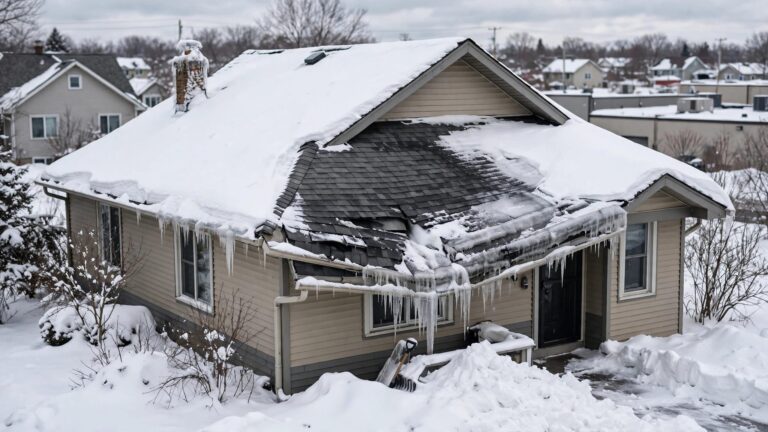
Ice dams in Saint Paul, MN, buildings usually form when heat loss causes melting snow on the roof, the meltwater runs to a colder edge, then refreezes into a ridge that traps more water. Ice dam prevention comes down to stopping heat loss, improving ventilation and drainage, and removing snow safely. A professional roofer should step in when you see leaks, damaged flashing, or recurring ice buildup that signals a larger roof or insulation problem.
When This Applies
Who ice dam problems hit most in Saint Paul
Ice dams tend to show up on buildings that have uneven roof temperatures. In the Twin Cities, particularly Saint Paul, that often means older properties with air leaks, poor attic insulation, or complicated rooflines that trap snow. The classic setup is a warm upper roof and a cold roof eaves, where icicles often form, but commercial properties can have their own version near parapet walls, gutters, and roof drains.
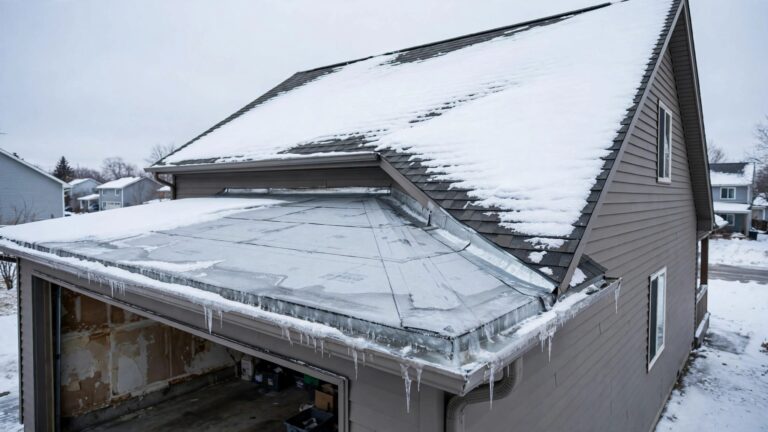
For business owners, the risk isn’t just a wet ceiling tile. Ice dams cause melting snow to back up and seep under membranes, soak insulation, and create slip hazards at entrances when gutters overflow and refreeze, leading to water damage. If your building has a low-slope roof, the “dam” may look less like a pretty icicle line and more like ice blocking drainage, leading to ponding water that freezes in place.
Ice dams thrive during the freeze-thaw cycle, but if you want a deeper, plain-language breakdown of why dams form and why they’re not always “bad roofing,” see ice damming causes and prevention.
When it doesn’t apply (and what people confuse with ice dams)
Some winter leaks aren’t ice dams. Wind-driven snow can enter at wall caps, rooftop units, or worn flashing. Condensation can also drip inside when humid indoor air hits cold surfaces.
Edge cases that mimic ice dam leaks
- Rooftop HVAC curb leaks: Water shows up near units, even without heavy eave ice.
- Clogged roof drains: Water backs up mid-roof, then finds a seam or penetration.
- Frozen downspouts: The “dam” is in the pipe, so gutters overflow and refreeze at grade.
If you keep seeing staining or drips even when temperatures stay below freezing, treat it like a roof leak problem first, not an ice dam problem.
Step-by-Step
Stop damage during an active ice dam event
- Confirm what’s happening inside first. Note where staining, dripping, or bubbling paint appears from ice dams, and take photos for records.
- Protect interiors immediately. Move inventory, cover equipment, and place containers under drips to prevent water damage. For tenant spaces, document affected areas before cleanup.
- Check drainage and discharge points. From the ground, look for blocked gutters, ice-packed downspouts, or overflow that’s refreezing on walks.
- Avoid chipping or prying ice off the roof edge. It’s easy to tear flashing, puncture a membrane, or pull off gutter sections. Leave steam ice dam removal to experts.
- Remove snow safely where you can. If it can be done from the ground with a roof rake on a small area, clear the first few feet above the roof eaves to reduce meltwater feeding the ice dam.
- Call a pro when access is unsafe or the ice keeps returning. Repeated freezing usually means heat loss or drainage issues that need inspection. Use a professional roofer for ice dams in the Twin Cities.
If your building has a low-slope commercial roof
- Treat blocked drains as urgent. Ice around a drain turns minor ponding into a leak risk fast during the freeze-thaw cycle.
- Keep people off the roof unless trained and equipped. Winter falls and skylight hazards rise during ice dam events.
- Request an inspection focused on drains, seams, and penetrations. That’s where freeze-back damage often shows first.
Prevent ice dams before the next big snow
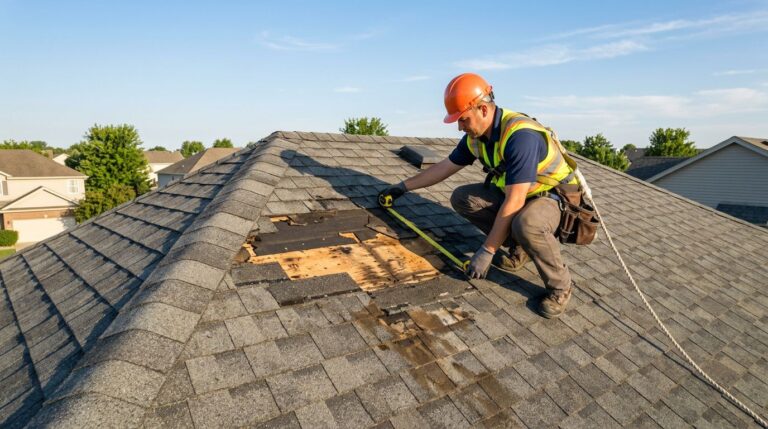
- Schedule a winter roof check during normal business hours. You want a roof inspection before the next thaw-freeze cycle, not after a ceiling leak. Use an infrared camera to spot air leaks.
- Air-seal heat leaks at the source. Air sealing gaps around pipe chases, attic hatches, and top plates let warm air wash the underside of the roof deck.
- Upgrade insulation where it’s thin or wet. Wet insulation performs poorly, which makes roof temperatures swing more. Attic insulation like spray foam insulation boosts the R-value.
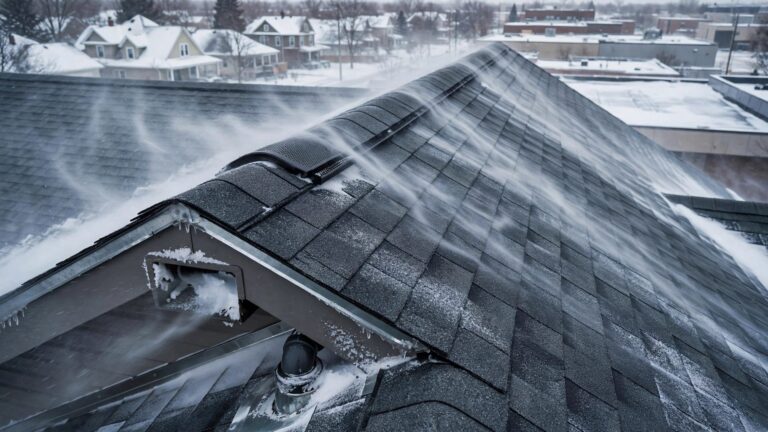
- Verify ventilation paths aren’t blocked. On sloped assemblies, blocked attic ventilation or soffit vents and ridge vents can trap heat.
- Plan snow and ice management. A consistent snow removal routine beats emergency calls after each storm and supports ice dam prevention.
- Maintain gutters, scuppers, and downspouts. Winter clogs are often “summer debris” that never got cleared.
If you manage multiple sites
- Standardize your inspection checklist so each location gets the same drain, edge, and flashing review.
- Track repeat problem areas (one drain, one corner, one entry) and prioritize permanent fixes there first.
Decide when repairs are enough and when bigger work is smarter
- Treat recurring leaks as a system problem. If the same area leaks every winter, the building is telling you the roof assembly or drainage design is off.
- Use targeted repairs when the roof is otherwise sound. A roofer may recommend detail work at edges and penetrations, checking shingles, installing an ice and water membrane, plus improved drainage. That’s often where commercial flat roof repair makes sense.
- Escalate when you see membrane damage or soaked insulation. Once insulation holds water, it can spread issues and raise heating costs, even after the thaw.
- Plan for replacement if the roof is near end-of-life or patched constantly. If your commercial roof needs repair every season, repeated emergency work can cost more than a planned commercial roof replacement.
- Get a commercial-focused contractor involved early. For Saint Paul properties, start with a qualified team that handles repairs, replacement, and winter leak response, such as commercial roofing services in Saint Paul.
FAQ for Saint Paul business owners dealing with ice dams
Will Heating cables solve ice dams on my building?
Heating cables can help in the right spot, but they’re not a cure-all. If heat is escaping into the roof area, Heating cables may just create more meltwater. They work best as a targeted aid, paired with air-sealing, insulation, and better drainage.
When Heating cables are a reasonable add-on
Use them where chronic freeze-ups happen at a gutter run or downspout, and only after the underlying heat-loss issues are addressed.
What’s the biggest mistake owners make during an ice dam emergency?
Trying to break ice off with hammers, shovels, or salt. That often damages flashing, gutters, shingles, and roof surfaces, which can lead to structural damage and turn a temporary winter issue into a real leak path. Safe snow removal and a professional inspection cost less than avoidable roof damage.
Can ice dams happen on commercial flat roofs, or is it just pitched roofs?
Flat and low-slope roofs don’t form classic eave “ridges” as often, but ice dams absolutely occur as winter backups. Ice dams can block gutters, drains, and scuppers, then water ponds and pushes into seams and penetrations. The symptoms look different, but the risk is real.
How do I know if I’m dealing with an ice dam or a roof leak unrelated to snow?
Timing helps. Ice dam leaks often show up during a thaw, then stop when it refreezes. Leaks that persist through long cold stretches can point to flashing, seams, rooftop units, or condensation problems. When in doubt, an energy assessment or roof inspection is faster than guessing.
If a tenant reports water stains, what should I document right away?
Photograph ceilings, walls, any active drips, and icicles, then note the date, outside temperature trend, and exact room location. Also record what’s directly above the stain (edge, drain, rooftop unit). Good notes help your roofer pinpoint the source and support insurance claims if needed.
Ice dams aren’t just a nuisance, they’re a sign your roof is getting warm in the wrong places. For Saint Paul businesses, the best results come from combining safe snow removal with fixes that keep roof temperatures steady and water moving off the building.
If you’re seeing repeat winter leaks, treat it as a roof system issue and get a roofer involved before the next thaw turns into another cleanup.
Need a roof inspection in Saint Paul or the Twin Cities? Call Sellers Roofing Company at +1-651-703-2336 or schedule a free estimate. We are a black-owned, NMSDC-certified MBE roofing contractor with 9+ years experience.