Last updated: 2026-08-01 by Ted Sellers, Owner
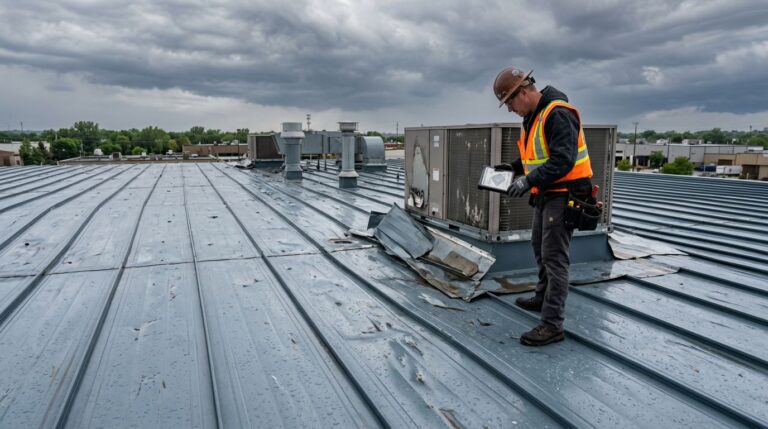
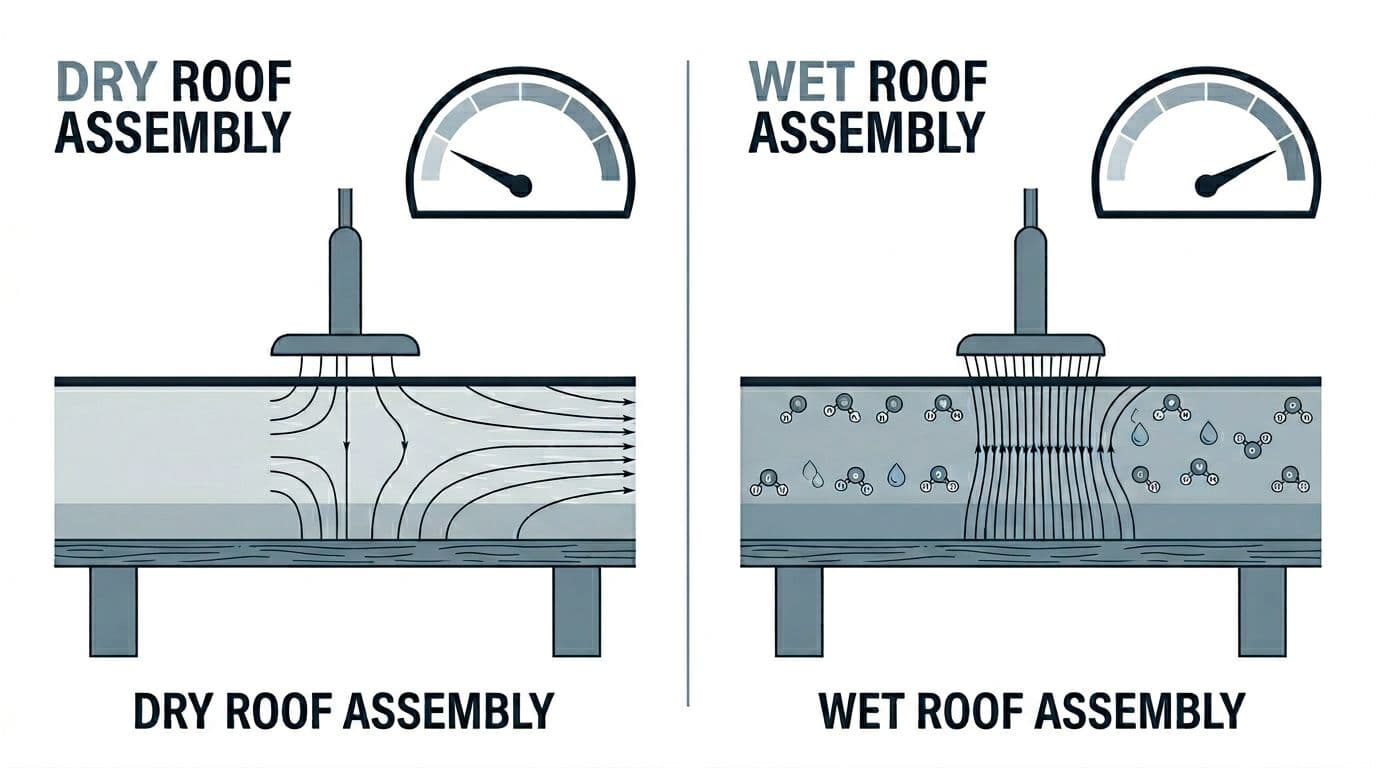
A capacitance meter finds wet insulation by sensing changes in an electrical field across the roof assembly. Because water stores electrical charge differently than dry insulation, wet areas create higher capacitance readings. During capacitance roof testing, a technician scans the roof in a grid, compares readings to a dry baseline, then maps “hot spots.” Final confirmation usually comes from selective core cuts.
When This Applies
Where capacitance roof testing works best
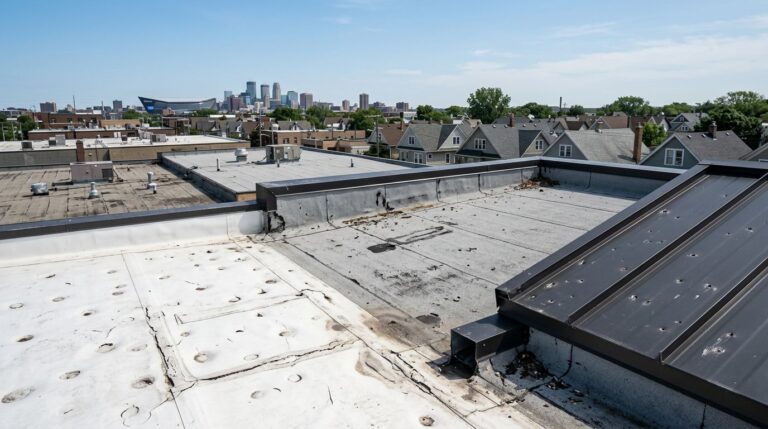
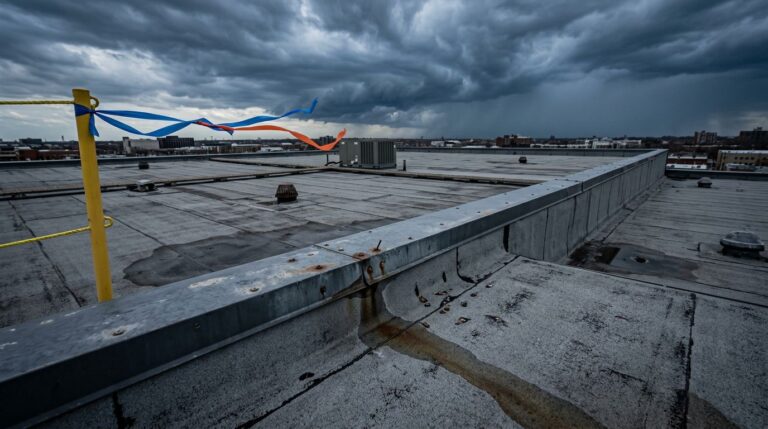
Capacitance testing is a strong fit for commercial low-slope roofs where moisture might be trapped below the membrane and you need answers fast. It’s especially useful when interior leaks don’t line up with the entry point, which is common on large buildings.
This method often makes sense for:
- Owners planning maintenance budgets and needing a moisture “heat map” before spending on tear-off.
- Buildings with recurring leaks where patching feels like chasing shadows.
- Portfolios where you want consistent documentation across multiple roofs.
It’s also a practical add-on to a broader leak investigation. Many building owners start with a professional inspection and then move into moisture mapping. If you’re comparing options, this pairs well with commercial roof leak detection in Saint Paul because it helps separate surface issues from hidden saturation.
A capacitance meter doesn’t “see” water like a camera. It finds the electrical fingerprint that moisture leaves behind.
When it’s the wrong tool (or needs extra verification)
Capacitance readings can get messy when the roof assembly includes conductive materials close to the surface. Metal decks, foil facers, dense cover boards, or certain membranes and coatings can affect the signal. In those cases, the meter may still help, but you should expect more verification cuts.
Weather matters too. If the membrane is wet from rain or dew, surface moisture can skew results. That doesn’t mean testing is impossible, it means timing and technique matter.
For a plain-language overview of how these surveys are used in practice, see this capacitance roof moisture survey summary.
What the Meter Is Actually Measuring (and Why Wet Areas “Light Up”)
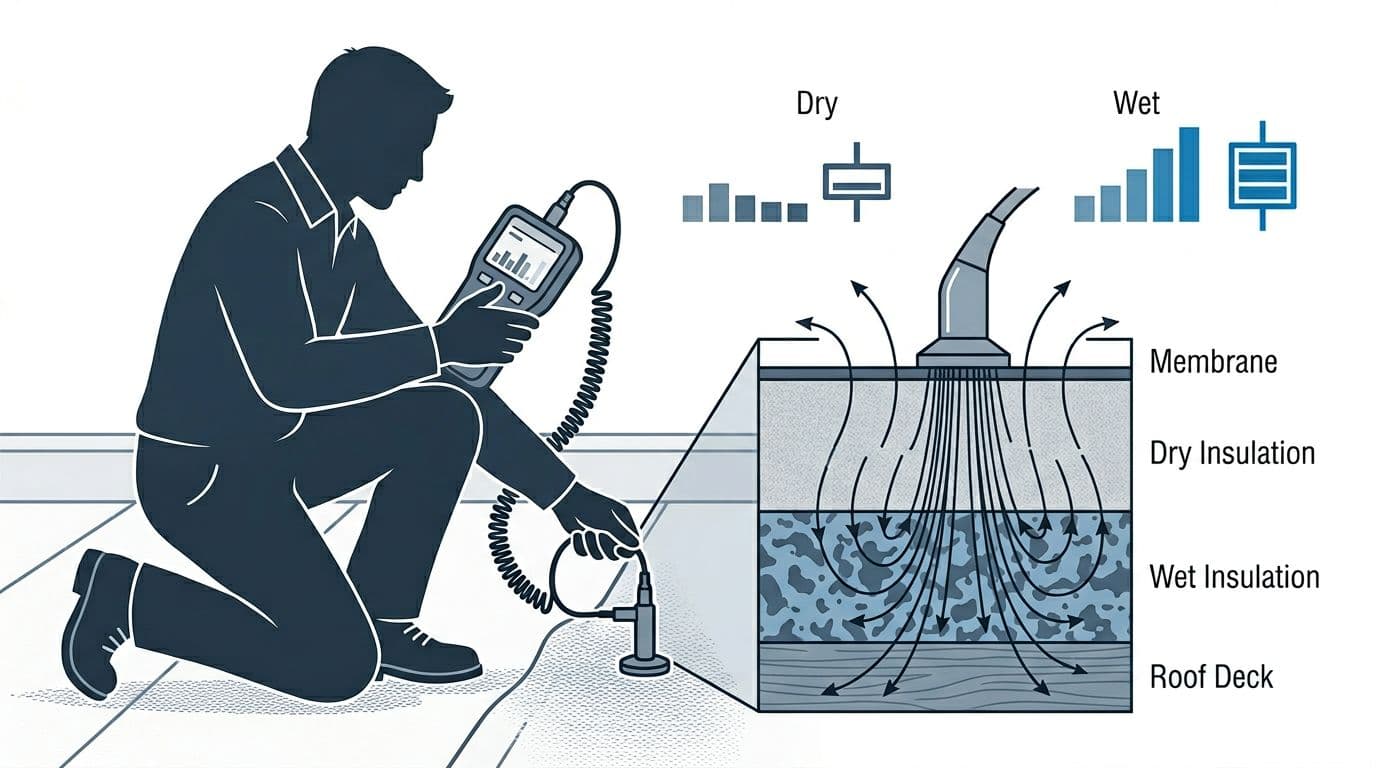
Why moisture changes capacitance so much
Think of capacitance like a material’s ability to hold an electrical charge. Dry polyiso or other insulation holds charge one way. Add water, and the electrical behavior shifts sharply.
Here’s the simple reason: water has a high dielectric constant compared to most roofing materials. The meter sends a low-energy field into the roof assembly; when that field passes through a wet zone, the capacitance rises. The device then displays a higher reading, or a stronger signal, depending on the model.
In other words, the meter isn’t hunting for the leak hole. It’s identifying areas where the insulation no longer acts like insulation.
For another explanation of the method and its purpose, this overview of an electrical capacitance test for hidden moisture helps frame what the meter is designed to detect.
What a capacitance meter won’t tell you
Capacitance roof testing is powerful, but it’s not a full diagnosis by itself.
It typically cannot tell you:
- Exact leak entry point (water can travel before it soaks insulation).
- How long the insulation has been wet.
- Whether moisture is isolated to one layer or spread across multiple layers, without core confirmation.
- If the wet area is caused by a current leak, an old leak, or trapped moisture from past work.
That’s why good contractors treat the scan like a map, then verify key spots before committing to repairs.
Step-by-Step
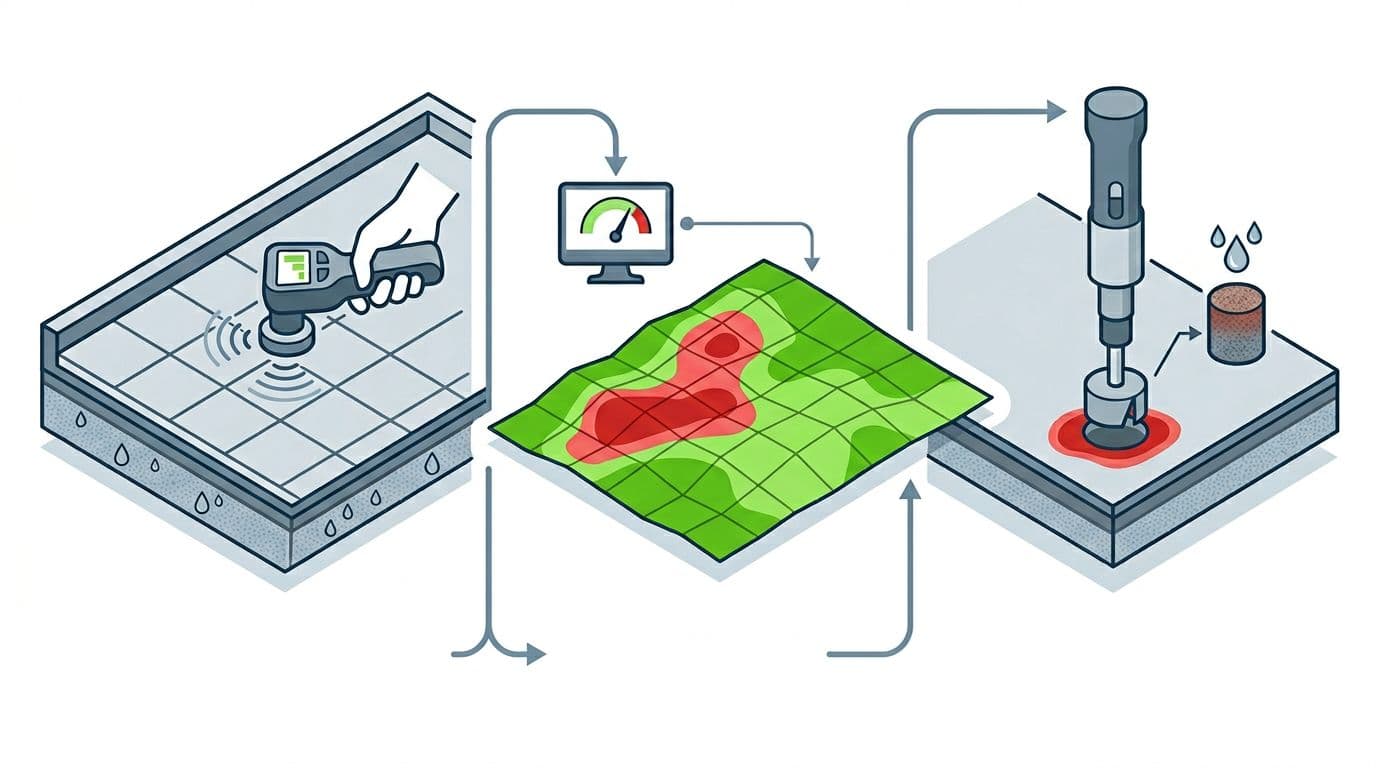
Prepare the roof so readings stay consistent
- Schedule the scan when the roof surface is dry, because surface water can inflate readings.
- Clear loose debris and ballast that prevents consistent probe contact.
- Note membrane type, insulation type, and deck type, because these affect signal depth.
- Identify roof sections near large metal components (curbs, pipe racks), then plan extra verification there.
- Choose a likely dry area and take baseline readings, so the scan has a realistic reference point.
Scan in a repeatable grid and record what you find
- Lay out a simple grid pattern by roof zones, then scan in straight passes.
- Keep the same walking speed and probe pressure to reduce operator-driven variation.
- Mark higher readings immediately on a roof sketch or digital plan.
- Re-scan the edges of each “hot spot” to define boundaries, not just a center point.
- Pay close attention to drains, seams, penetrations, and transitions, because moisture often spreads from those details.
- Keep notes on unusual conditions (patches, coatings, ponding areas), so the map stays honest.
Verify the map before you approve repair scope
- Select verification points that include one “dry” zone and at least one “wet” zone.
- Perform core cuts where appropriate, then inspect insulation for discoloration, dampness, or deterioration.
- Photograph each core location and label it on the roof plan for documentation.
- Expand verification if results conflict with the scan, because mixed assemblies can trick readings.
- Use the verified map to define repair limits, then price repairs with less guesswork.
Turning Moisture Data Into a Repair or Replacement Decision
When moisture mapping supports commercial flat roof repair
If the wet areas are small and verification cores confirm limited saturation, you can often justify commercial flat roof repair instead of tearing off huge sections “just to be safe.” That matters for business owners because it reduces disruption, keeps dumpsters and odors limited, and shortens timeline risk.
Moisture mapping also helps you avoid a common trap: repairing the visible leak symptom while leaving a wet, failing zone nearby. If your commercial roof needs repair because of recurring stains, bubbling, or soft spots, a verified scan helps you target the real footprint of damage.
For a practical discussion of checking insulation dryness and why it matters, this guide on how to check flat roof insulation is dry adds helpful context.
When wet insulation points toward commercial roof replacement
Large, connected wet zones usually change the conversation. Once insulation is widely saturated, R-value drops and the system can degrade faster. At that point, spending repeatedly on patches may not pencil out.
A verified moisture map can support a more confident scope for commercial roof replacement, including phasing plans that keep operations running. If you’re weighing long-term options, a Saint Paul contractor who handles full systems, not just patches, can help you compare paths. Start with a broader look at commercial roofing in Saint Paul so the scan results feed directly into real repair or replacement options.
FAQ: Capacitance Meters on Flat Commercial Roofs
Can capacitance testing find the exact leak hole?
Not reliably. It finds where insulation is wet, not where water first got in. Crews still need to inspect seams, flashing, drains, and penetrations to locate the breach.
What happens if you test right after rain?
Will the surface water cause false readings?
Yes, it can. A wet membrane can raise readings across the roof, which blurs the real wet-insulation pattern. Testing works best after the roof dries.
Does a metal deck interfere with capacitance readings?
Is testing still possible?
It can, because metal affects the electrical field. Skilled techs often compensate with tighter verification, adjusted sensitivity, and more reliance on core cuts.
Can wet insulation be “old moisture” that isn’t leaking now?
Yes. A roof can hold moisture from a past leak or trapped water after repairs. That’s why verification and roof history matter before you approve a big scope.
Do tenants need to leave during testing?
Usually no. The scan is non-destructive. Verification cores are small and controlled, but you’ll still want coordination for noise, access, and safety zones.
Moisture under a flat roof is like rot behind a wall, you won’t see it until it’s expensive. Capacitance roof testing helps you spot the hidden damage early, confirm it with targeted cores, and choose the right scope before money gets wasted on the wrong fix.
Need a roof inspection in Saint Paul or the Twin Cities? Call Sellers Roofing Company at +1-651-703-2336 or schedule a free estimate. We are a black-owned, NMSDC-certified MBE roofing contractor with 9+ years experience.