Last updated: 2026-08-01 by Ted Sellers, Owner
Yes, but only in a limited way. Heated roof cables can reduce ice buildup at eaves, valleys, and gutters, which helps water move off a Minnesota roof during freeze-thaw cycles. They do not fix attic heat loss, bad ventilation, or an aging roof. On a damaged roof, they are a support tool, not the repair.
When This Applies
Good fit for repeat eave ice
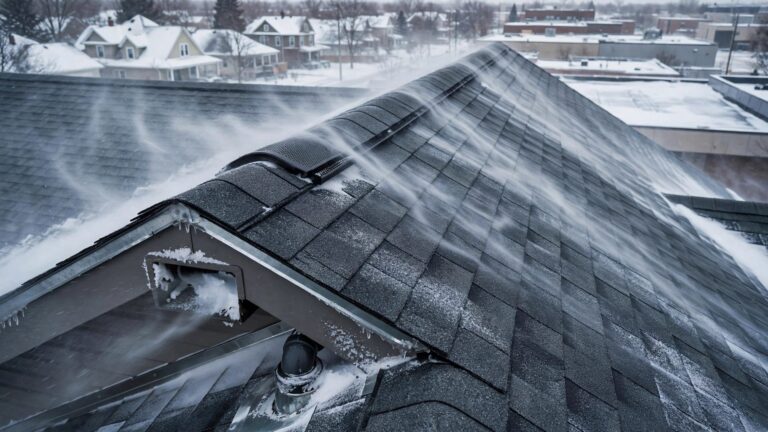
Heated roof cables make sense when the same ice dam shows up every winter. That usually means the roof edge stays cold while heat escapes from above. On asphalt shingles and some metal roofing, a cable can keep meltwater moving long enough to reach the gutter and drain away.
That said, cables are not magic. They do not stop snow from melting. They only change where the meltwater goes. If you already have staining inside, soft drywall, or a known storm damage roof claim, start with the cause before you add power to the eaves.
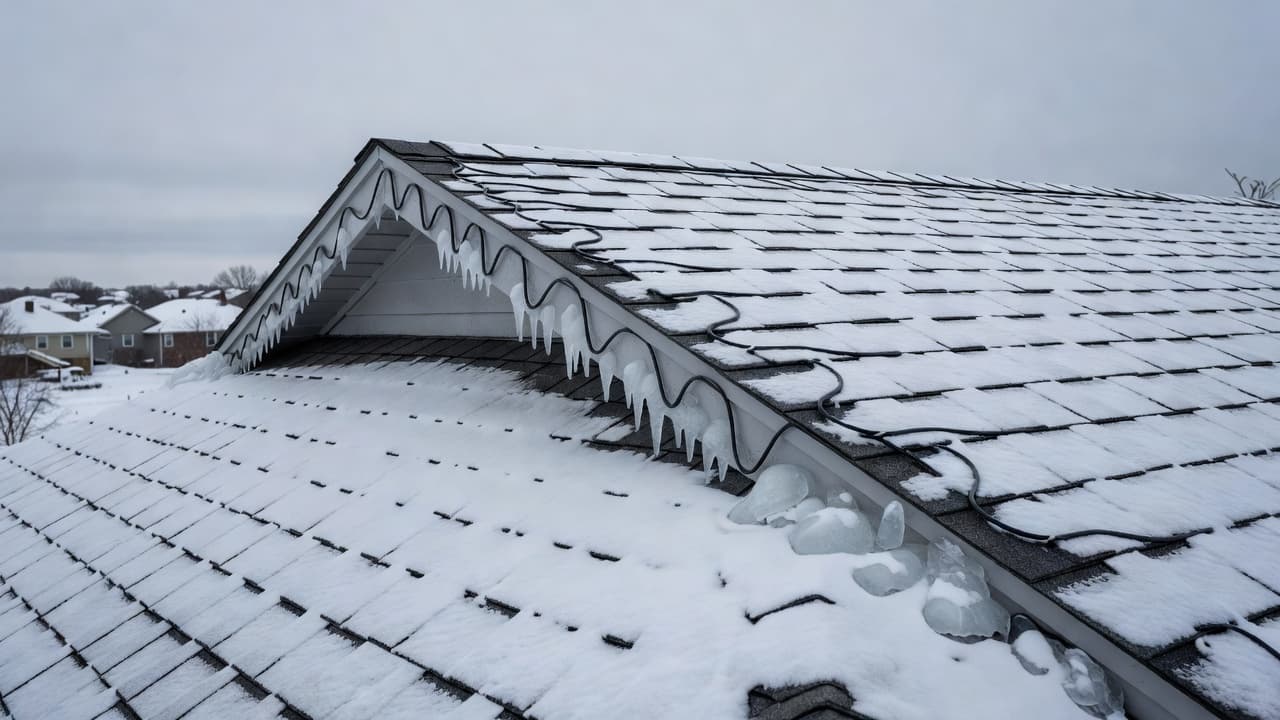
Heating cables move water. They do not erase the cause of the ice dam.
When cables are the wrong answer
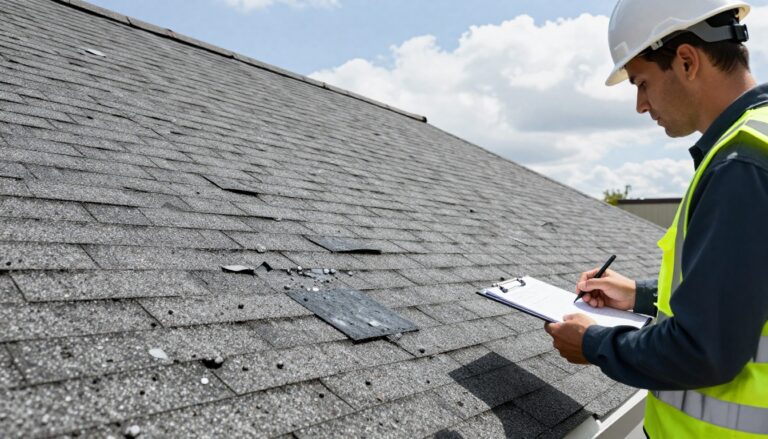
If the attic is underinsulated, bath fans dump into the attic, or soffits are blocked, the real problem is heat loss. If the roof deck is already soft, the shingles are brittle, or flashing is loose, you need residential roof repair or residential roof replacement first. The same is true if you also have a hail damage roof issue. Cables do not fix broken shingles, lifted metal seams, or failed flashing.
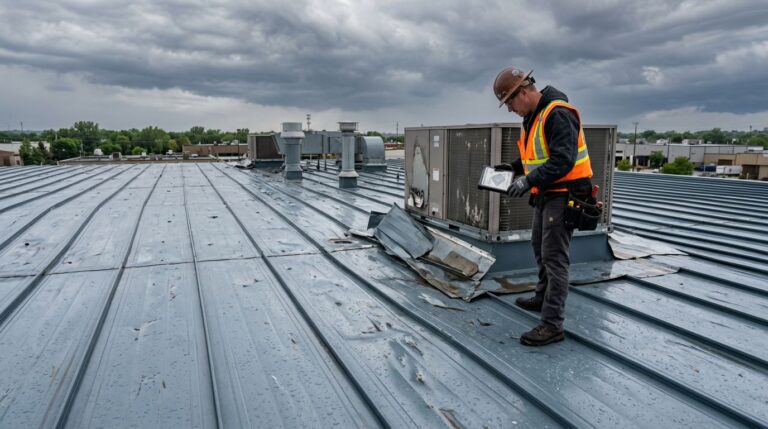
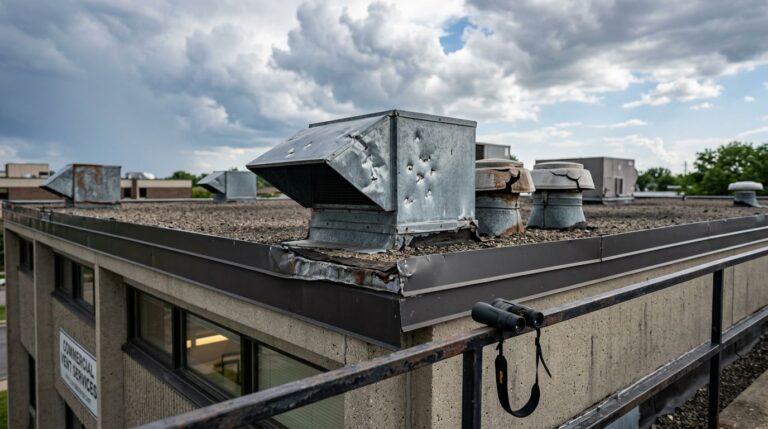
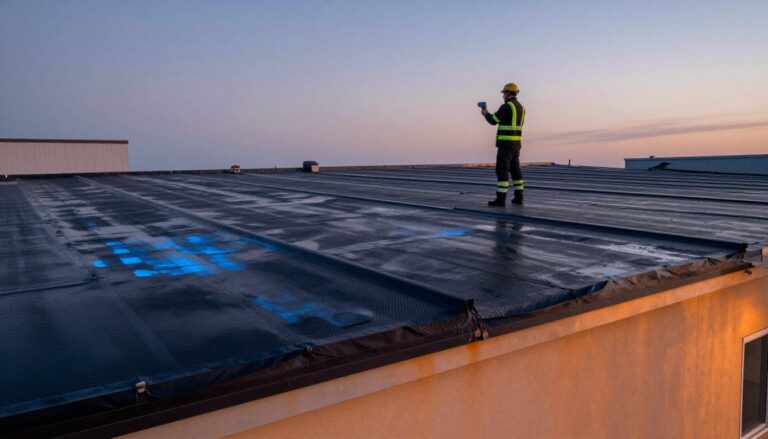
If the building is a small commercial flat roof, the next move is different. Use Get a Free Commercial Roof Inspection if the roof is part of a mixed-use property or low-slope addition. For leak tracing on TPO roofing, EPDM, modified bitumen, and BUR, commercial roof leak detection gives the cleaner answer. That is where commercial roof repair, commercial roof restoration, commercial roof coatings, and commercial roof replacement are decided, not at the eave.
Step-by-Step
1. Find the heat source before you buy cable
Start in the attic. Look for warm spots, thin insulation, open soffits, blocked ridge vents, and bath or dryer ducts that leak into the attic. An ice dam is often a symptom of the house warming the roof from below. A cable can slow the symptom. It cannot fix the house physics.
If water is already coming through, protect the room first. Move anything valuable, set out buckets, and take dated photos. If you are opening a roof insurance claim, those photos matter more than a guess about where the leak started. If the leak is active, Call 651-703-2336 for 24/7 Emergency Roofing before the next thaw.
2. Match the system to the roof
On shingle roofs, cables usually belong along the eaves, in valleys, and around cold trouble spots. On metal roofing, the routing has to respect clips, fasteners, snow guards, and panel seams. Bad placement can create new leaks or chew up the cable before it ever does its job.
A common field rule is to extend the cable past the warm wall line by about 6 inches, a detail discussed in this roof heat cable guide. The point is simple. The cable has to reach the area where meltwater first starts to refreeze.
If the roof is older, brittle, or already patched in several places, stop here and look at permanent work first. A cable does not make a tired roof younger.
3. Put cable only where the dam forms
Do not run heat cable across the entire roof. That wastes power and still leaves the real drainage problem untouched. Put it where snow melts, runs, and refreezes. Eaves, valleys, dead-end corners, and north-facing slopes are the usual problem spots.
A self-regulating cable can help reduce output when temperatures rise, but it still needs a clear path to the gutter and downspout. Clogged gutters, packed downspouts, and heavy debris can defeat the whole system. If the gutters are full of ice, ice dam removal and cleaning come before cable.
For a home, the goal is a narrow thaw path. For a commercial flat roof, the goal is different. A low-slope system may need drain work, seam repair, or a broader fix instead of edge heat. On those roofs, commercial roof repair, commercial roof restoration, commercial roof coatings, or commercial roof replacement are the real options when the membrane is failing.
4. Compare cable cost with permanent roof work
If the roof is relatively young and the problem repeats every winter, cable can be a fair add-on. If the roof is already near the end of its life, the money is usually better spent on ventilation, insulation, flashing, or a full roof project.
That is where a licensed Minnesota roofing crew should give a blunt answer. Look for union-built roofing experience, GAF certified crews, IUPAT Local 96 labor, and MN License 803862. A contractor with that background should know when the right answer is a small fix and when the roof needs a bigger scope.
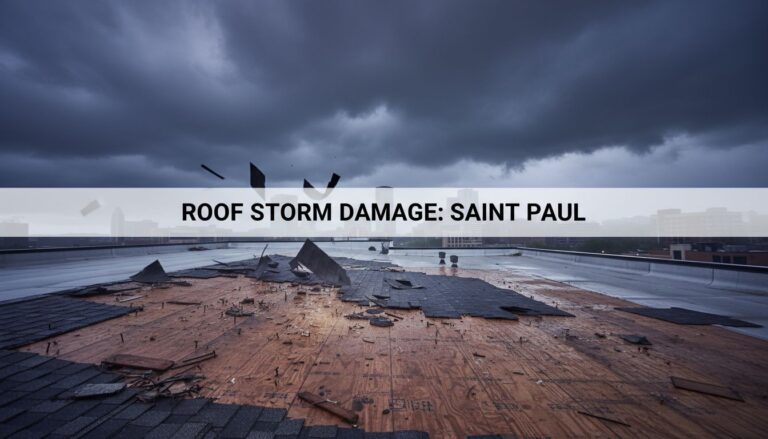
On many homes, the choice comes down to residential roof repair versus residential roof replacement. On a storm damage roof, the cable is still secondary. Fix the damaged roof first, then decide whether added heat makes sense for the next winter.
What heated cables can and cannot do
Heated cables can reduce the chance that meltwater backs up under the shingles and into the house. They can also buy time on homes with overhangs, valleys, or stubborn cold edges. That makes them useful in the Twin Cities roofing market, where freeze-thaw cycles hit hard and fast.
They cannot fix bad attic design. They cannot seal a cracked shingle field. They cannot repair a roof leak that started from hail, wind, or age. They also do not replace roof maintenance.
For Saint Paul roofing, Minneapolis roofing, and Minnesota roofing jobs, that distinction matters. The winter load is real, but the roof system still has to work on its own.
Conclusion
Heated roof cables can help Minnesota homes with recurring ice dams, but they only treat the edge of the problem. If the attic leaks heat, ventilation is blocked, or the roof is already worn out, cable is a patch on the symptom.
The cleanest order is simple. Fix the roof cause first, then add cable only if the roof still needs help. If you are stuck between ice dam removal, residential roof repair, and residential roof replacement, get the roof checked before the next thaw. If the repair path is still unclear, Get a Free Residential Roof Estimate and compare the real scope against the cable idea.
FAQ
Do heated roof cables stop all ice dams?
No. They reduce refreezing at the edge, but they do not stop every ice dam. Heavy snow, poor attic ventilation, and heat loss can still overwhelm them. Think of them as a drainage aid, not a cure.
Are heated roof cables safe on asphalt shingles?
Yes, if they are installed correctly. They should sit where the manufacturer allows, not under loose shingles or over damaged areas. If the shingles are brittle or the roof is already leaking, get residential roof repair first.
Can you use roof heat cables on metal roofing?
Sometimes. Metal roofing sheds snow fast, so cables can help at valleys and tricky edges. The routing has to respect seams, fasteners, and snow retention details. Bad placement can create more problems than it solves.
What if I already filed a roof insurance claim?
Save dated photos, receipts, and notes about when the leak started. The insurer cares about cause and mitigation. A cable can be part of prevention, but it does not replace proof of the storm damage roof or the roof insurance claim file.
Are heated roof cables useful on a commercial flat roof?
Not usually. A commercial flat roof on TPO roofing, EPDM, modified bitumen, or BUR needs leak tracing and drainage fixes, not eave heat. In that case, commercial roof leak detection and commercial roof inspection are the right first steps, followed by commercial roof repair, commercial roof restoration, commercial roof coatings, or commercial roof replacement if the system is worn out.
Need a roof inspection in Saint Paul or the Twin Cities? Call Sellers Roofing Company at +1-651-703-2336 or schedule a free estimate. We are a black-owned, NMSDC-certified MBE roofing contractor with 9+ years experience.