Last updated: 2026-05-26 by Ted Sellers, Owner
Master DIY Shingle Replacement for Roof Repair: How to Replace Damaged Roof Shingles Step-by-Step
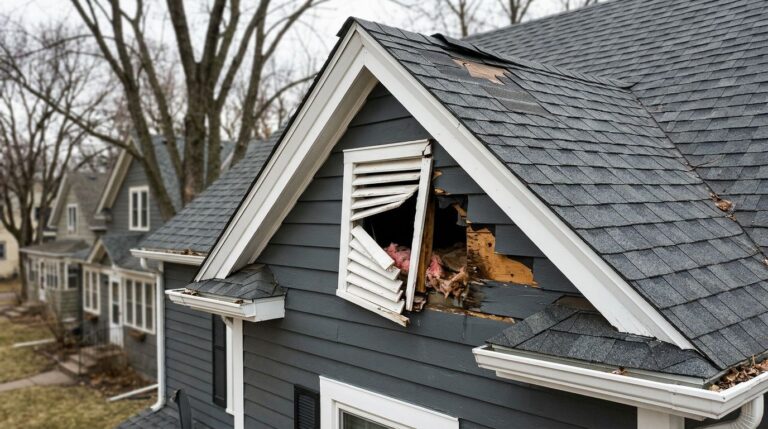
Damaged roof shingles compromise your home’s waterproof barrier, leading to leaks, mold growth, and structural decay. Mastering shingle replacement for roof repair empowers homeowners to save on professional fees, prevent further damage, and gain confidence in home maintenance. This guide delivers an actionable roadmap—from spotting damage and gathering essential tools to executing a flawless repair and implementing long-term upkeep. You will learn:
- How to identify and inspect various shingle damage types
- Which tools, materials, adhesives, and safety gear you need
- A step-by-step approach to removing and installing asphalt shingles
- Critical safety practices, cost comparisons, troubleshooting tips, and maintenance routines
What Are the Signs of Roof Shingle Damage and How Do You Identify Them?
Recognizing shingle deterioration early prevents water infiltration and wood rot by guiding timely repairs or replacements. Precise identification reduces repair scope and cost, while safeguarding your roof deck integrity.
What Common Types of Roof Shingle Damage Should Homeowners Know?
Roof shingles can suffer from multiple forms of wear that degrade performance and aesthetics:
- Cracking: Straight or jagged fissures along shingle tabs that allow moisture entry.
- Curling and Warping: Raised edges indicate wind uplift or prolonged UV exposure.
- Granule Loss: Smooth patches on shingle surfaces where protective granules have eroded.
- Blistering: Air pockets or bubbles under the shingle surface caused by trapping moisture.
- Algae or Moss Growth: Dark streaks or green clumps that trap moisture and accelerate decay.
Types of Roof Shingle Damage
Roof shingles can experience various types of damage, including cracking, curling, granule loss, blistering, and algae or moss growth, each indicating different repair needs.
Each damage type signals specific repair actions—from sealant application on minor cracks to full shingle replacement for curled or blistered sections. Understanding these distinctions prepares you for an accurate inspection checklist.
How to Perform a Pre-Repair Roof Inspection Checklist for Shingle Damage?

A systematic inspection uncovers hidden issues and informs cost estimates. Before stepping onto a ladder, survey from ground level with binoculars to note:
- Shingle Alignment: Look for irregular gaps or raised edges.
- Surface Condition: Scan for missing granules, discoloration, or cracks.
- Flashing and Sealant Integrity: Check around chimneys, vents, and valleys for gaps.
- Sagging or Depressions: Identify soft spots indicating deck rot beneath shingles.
- Gutter Debris: Collect granule buildup in gutters as evidence of erosion.
Completing this checklist refines your repair plan and ensures you bring the correct materials to the rooftop.
How Does Identifying Damage Help Estimate Repair Costs?
Early and detailed damage identification streamlines budgeting by clarifying material and labor needs. Pinpointing the number of shingles, quantity of roofing cement, and extent of deck preparation enables you to calculate supply expenses and time requirements accurately.
What Essential Tools and Materials Are Needed for DIY Roof Shingle Replacement?
Having the right equipment and supplies guarantees efficient, safe repairs and a watertight finish. Investing in quality tools and selecting compatible shingles improves longevity and appearance.
Which Roofing Tools Are Required for Shingle Removal and Installation?
Efficient shingle repair relies on a concise toolkit:
- Hammer or roofing nailer for driving and removing nails
- Pry bar or shingle ripper for lifting and extracting damaged shingles and nails
- Utility knife with a sharp blade for trimming replacement shingles
- Caulking gun to apply roofing cement and sealant precisely
- Roofing nails (galvanized, corrosion-resistant) sized appropriately for shingle tabs
- Chalk line for straight alignment during installation
- Sturdy extension ladder with non-slip feet and ladder stabilizer
Roofing Tools
Essential tools for shingle replacement include a hammer or nailer, pry bar, utility knife, caulking gun, roofing nails, and a chalk line.
Acquiring these core items streamlines the removal and installation process, reducing repair time and enhancing finish accuracy.
How to Choose the Right Replacement Shingles: Asphalt, Architectural, and 3-Tab Options?
Selecting a shingle type influences roof durability, wind resistance, and visual appeal. The table below compares common asphalt shingle options:
Types of Asphalt Shingles
There are three main types of asphalt shingles: 3-tab, architectural, and luxury shingles, each with different compositions, life expectancies, and costs.
Understanding each option’s material makeup, cost, and performance characteristics ensures you choose the best match for your home’s climate and style preferences.
What Roofing Adhesives, Sealants, and Safety Equipment Are Necessary?
Reliable adhesion and proper personal protection sustain roofing quality and worker safety:
- Roofing Cement and Sealant: Polymer-modified formulas provide flexible, waterproof bonds under shingle tabs and around flashing.
- Underlayment: Synthetic or felt underlayment shields the roof deck from moisture before shingle installation.
- Flashing and Drip Edge: Metal components divert water at edges, valleys, and penetrations.
- Safety Harness and Anchor: Certified fall-arrest systems that secure to roof anchors.
- Non-Slip Roofing Shoes: Enhance traction on sloped, smooth surfaces.
- Work Gloves and Eye Protection: Prevent cuts from sharp shingles and protect against flying debris.
Combining premium materials with proper safety gear promotes a durable roof repair and reduces injury risk.
How Do You Replace Damaged Asphalt Shingles? Step-by-Step DIY Guide
This section delivers a HowTo roadmap to remove, prepare, install, and seal new asphalt shingles for a professional-grade finish that restores waterproof integrity.
How to Inspect and Assess the Damaged Shingle Area Before Repair?
Begin by locating the exact damaged shingle, lifting adjacent tabs gently with a pry bar to reveal hidden nails. Assess the roof deck beneath for rot or moisture damage before proceeding. Confirm that flashing around the repair zone remains intact to avoid future leaks.
What Are the Steps to Remove Damaged Shingles and Nails Safely?
Use a pry bar to break adhesive seals under the damaged shingle, then wedge the tool beneath the nail heads. Slide the bar to pry nails free without damaging neighboring shingles. Lift and slide out the broken shingle carefully to preserve the surrounding tabs.
How to Prepare the Roof Deck for New Shingle Installation?
After shingle removal, clear the exposed deck of old roofing cement, loose particles, and debris. Inspect the deck surface and replace any rotted sheathing. Apply a thin layer of roofing cement to fill gaps or to secure loose underlayment patches before laying new shingles.
How to Install and Secure New Shingles Correctly?
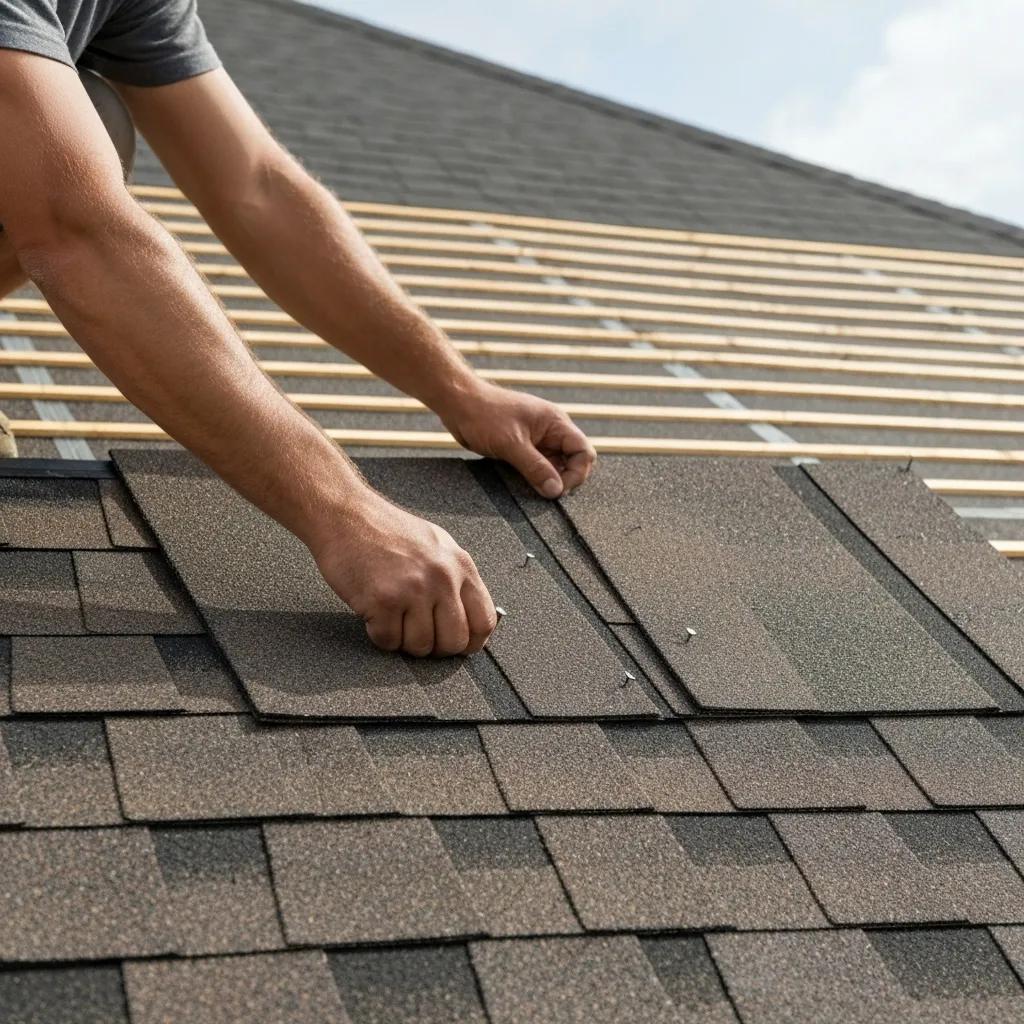
Slide a matching replacement shingle into place, ensuring its nailing strip aligns with the adjacent course. Fasten with four roofing nails driven just above the cutouts, keeping nail heads flush but not overdriven. Press the shingle tabs firmly against the underlying layer to reset the adhesive seal.
How to Seal and Finish the Shingle Replacement for Waterproofing?
Apply roofing cement under the lower edge of the new shingle and along disturbed tabs of surrounding shingles. Smooth the sealant to create a continuous waterproof membrane. Conclude with a visual inspection for even alignment, flush nail heads, and a tight seal under all edges.
What Safety Precautions Should You Take When Performing DIY Roof Shingle Repairs?
Prioritizing safety protocols prevents falls, head injuries, and weather-related mishaps while maintaining repair efficiency and confidence.
Roofing Safety Tips
Prioritizing safety is crucial when performing DIY roof shingle repairs, including ladder safety, fall protection, and the use of personal protective equipment (PPE).
How to Practice Ladder Safety and Fall Protection on Pitched Roofs?
Secure ladders on firm ground and use a stabilizer bar at the top. Ascend with three points of contact, avoiding overreach that can unbalance the ladder. Wear a full-body safety harness tethered to an anchored roof point when working above eight feet.
What Personal Protective Equipment (PPE) Is Recommended for DIY Roofing?
Essential roofing PPE includes a safety harness, non-slip roofing boots, impact-resistant goggles, heavy-duty gloves, and a hard hat. Each component enhances traction, protects from falling debris, and reduces the risk of lacerations when handling sharp shingles.
Roofing Safety
Roofers should wear shoes with good traction and avoid shoes with slippery soles to prevent slips and falls.
How Do Weather Conditions Affect DIY Roof Repair Safety?
Ideal repair conditions are dry days with temperatures between 50°F and 85°F; extreme heat can soften shingles and adhesives, while moisture creates slippery surfaces. Postpone repairs during rain, high winds, or freezing temperatures to prevent accidents and material damage.
Why Is Working with a Partner Important for Roofing Safety?
A second person provides ladder support, tool passing, and emergency assistance if an accident occurs. Teamwork enhances task efficiency, maintains communication, and ensures rapid response to medical or safety hazards.
How Much Does DIY Roof Shingle Replacement Cost Compared to Professional Repair?
Comparing DIY and contractor expenses highlights significant savings potential while clarifying material investments and time commitments.
What Are the Material Costs for Asphalt and Architectural Shingles?
The table below compares typical material expenses for common shingle types:
Investing in premium architectural shingles raises initial supply costs but enhances wind resistance and longevity, reducing future repair frequency.
How Do Labor Costs Differ Between DIY and Hiring Professionals?
Professional roofers commonly charge $50–$100 per hour for minor repairs or $200–$700 per square installed. By completing the work yourself, you eliminate labor fees entirely, requiring only your time and safe execution of instructions.
What Factors Influence the Total Budget for DIY Shingle Repair?
Several variables affect overall cost and time:
- Extent of Damage: More shingles or deck repair increases material spend.
- Roof Pitch and Accessibility: Steeper angles slow work and may necessitate extra safety equipment.
- Shingle Quality: Higher-grade shingles raise per-unit costs but extend service life.
- Local Climate: Harsh weather zones may warrant specialty wind- or freeze-resistant shingles.
- Tool Ownership: Purchasing tools adds upfront expense but benefits future maintenance.
What Are Common Challenges in DIY Shingle Repair and How Can You Solve Them?
Tackling typical obstacles—curled edges, minor leaks, and color matching—ensures a seamless repair and durable waterproofing.
How to Fix Curled or Damaged Shingles Using Sealants and Weight?
For mildly curled shingles, apply a bead of roofing sealant along the curled edge and press down with a weighted board for 24–48 hours. This restores contact with the underlayment and prevents wind uplift without full replacement.
How to Repair Minor Roof Leaks and Vent Boot Issues?
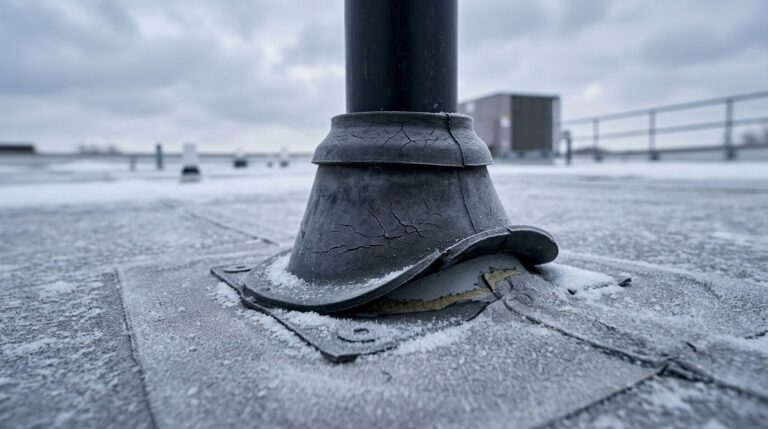
Locate the leak source by inspecting interior stains and tracing upward to the shingles or vent boot. Remove surrounding shingles, apply new roofing cement beneath the boot flange, and reseat flashing under shingles. Secure with corrosion-resistant nails and seal edges with waterproof sealant.
How to Match Replacement Shingle Colors for Seamless Repairs?
Gather shingle remnants from original packaging or cut a small sample from a discreet area. Compare manufacturer codes, then blend new and old shingle courses by staggering patched pieces within an undamaged section to disguise slight color variations.
How Can You Maintain Your Roof After DIY Shingle Replacement to Extend Its Lifespan?
Routine maintenance preserves structural integrity, prevents damage recurrence, and safeguards your initial repair investment.
What Is the Recommended Regular Roof Inspection Schedule?
Conduct inspections at least twice a year—ideally in spring and fall—and after severe storms. Focus on high-risk areas such as valleys, flashing, and ridge caps to catch emerging issues promptly.
How to Prevent Future Shingle Damage with Gutter Cleaning and Tree Trimming?
Clogged gutters cause water backup that undermines shingle edges. Clear debris quarterly and trim overhanging branches to reduce shade-induced moss growth and remove falling limbs that can crack or dislodge shingles.
What Seasonal Maintenance Tips Help Protect Your Roof?
- Spring: Remove winter debris, check for ice-dam damage, reseal flashing.
- Summer: Inspect for UV-induced granule loss and apply protective sealant on exposed nails.
- Fall: Clean gutters of leaves, inspect for wind-scattered granules.
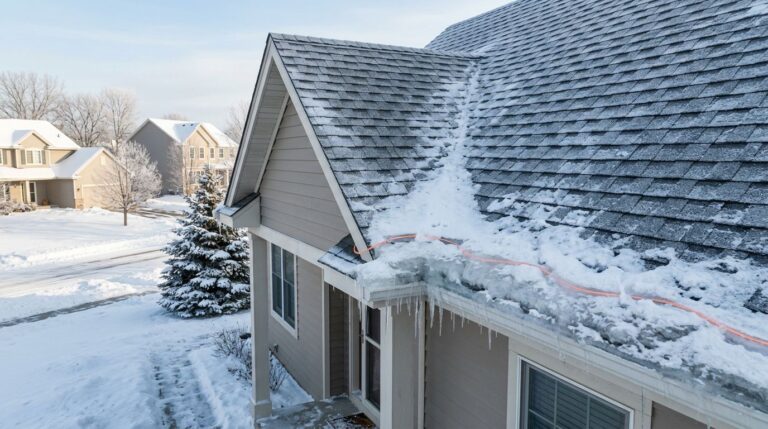
- Winter Prep: Install snow guards if appropriate and ensure attic insulation prevents ice dams.
These targeted actions safeguard your roof year-round and enhance the resilience of your DIY shingle repair.
Repairing a damaged shingle yourself not only saves money but also builds valuable home-maintenance skills. By following this comprehensive guide—identifying damage, selecting proper tools and materials, executing each repair step, taking vital safety precautions, managing costs, troubleshooting challenges, and maintaining your roof—you ensure a watertight, long-lasting finish. Embrace proactive inspection and care to extend your roof’s lifespan and protect your home for years to come.
Need a roof inspection in Saint Paul or the Twin Cities? Call Sellers Roofing Company at +1-651-703-2336 or schedule a free estimate. We are a black-owned, NMSDC-certified MBE roofing contractor with 9+ years experience.