Last updated: 2026-08-01 by Ted Sellers, Owner
Usually, yes, but only if the roof claim check is payable to your business alone and no lender controls the funds. In Minnesota, cashing the check is often allowed. Skipping repairs can cost you recoverable depreciation, create lender trouble, and weaken later claims if the same roof keeps leaking.
When This Applies
If you own the building and the check is payable only to you
For many commercial owners, the first answer is simple. Minnesota does not have a blanket rule that forces you to spend every roof insurance dollar on repairs. If your company owns the building free and clear, and the check is payable only to your entity, you can often deposit it.
That does not mean the choice is harmless. A roof claim check in Minnesota may be only the first payment, not the full amount you could recover. It may also come with claim letters, policy terms, or next-step conditions that matter more than the paper check itself.

When the answer changes
The situation shifts fast when a lender, mortgage company, or other secured party is on the check. Then you usually cannot cash it on your own, because the bank or lender must endorse it and may hold the funds until repairs move forward.
Joint-payee checks are the biggest exception
On financed commercial property, the money often goes into escrow. The lender may release draws after inspections, invoices, or progress photos. So while the insurer paid the claim, you still may not control the money.
This also applies poorly if you do not own the roof at all. Tenants, some condo unit owners, and businesses in association-managed buildings often are not the party that can decide whether repairs happen.
Timing matters, too. If the claim is still being scoped, early permanent work can cloud the evidence. The Minnesota insurance consumer rights guide warns that repairs made before inspection can create claim problems. Temporary dry-in work is different. That usually shows you acted reasonably.
What That Check May, and May Not, Cover
The first payment may be only part of the claim
Commercial roof claims often start with actual cash value, not full replacement cost. That means the carrier pays a reduced amount first, then may release more after completed work. If you never repair the roof, you may never collect that withheld depreciation.
This quick comparison helps:
| Situation | Can you usually deposit it? | What you may lose by not repairing |
|---|---|---|
| Check payable only to your business | Yes | Recoverable depreciation, later supplements |
| Check payable to you and a lender | Not by yourself | Control of funds, timing, escrow release |
| First payment based on actual cash value | Often yes | Replacement-cost holdback after completion |
So the amount in hand may not be the real ceiling of the claim. It may be only the opening number.
Scope matters more than the total
A low first payment does not always mean a bad claim. Sometimes it means the original scope was too small. For example, the adjuster may allow a patch, but later testing finds wet insulation, crushed edge metal, or seam failure outside the marked area.
That is where documentation changes the file. Professional commercial roof leak detection can show how far water traveled, which matters on TPO, EPDM, and metal systems. A supplement can then correct missed covered work. It should not be used to fold in upgrades you simply want.
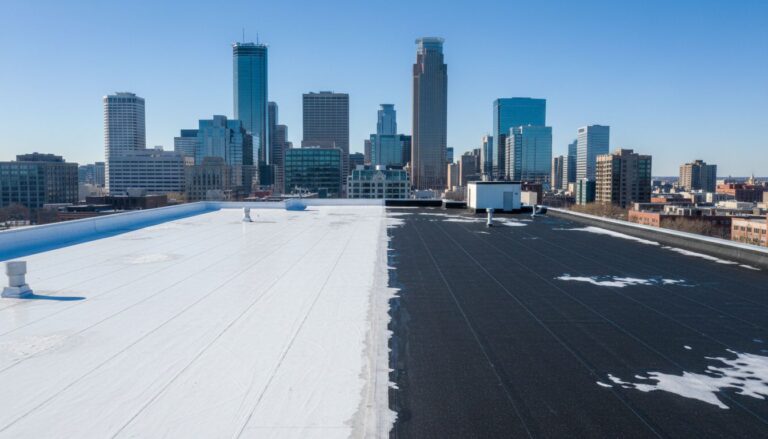
If a few details failed, a commercial flat roof repair may be enough. If moisture spread across the field, or multiple seams failed, the roof may support commercial roof replacement instead.
Depositing the first check usually does not end the claim. Signing a release can.
Step-by-Step
Use this order before you cash or spend the money
- Read the payee line and the settlement letter first. Check whether the payment is made only to your business or also to a lender. Then confirm whether it is actual cash value or replacement cost, and note any deductible, depreciation holdback, or code coverage language.
- Ask for the full claim scope in writing. Do not compare only totals. Match membrane squares, insulation thickness, tear-off, edge metal, flashing, drains, crane time, and disposal. If you need the insurer to spell out coverage and limits, Minnesota Statutes section 72A.201 requires that information to be disclosed within 30 days after a written request.
- Protect the building, but do not erase the evidence. Temporary patches, tarps, interior protection, and leak tracing usually help because they limit extra loss. Large tear-off or coating work before the file is documented can hurt, because it removes proof of what failed and when.
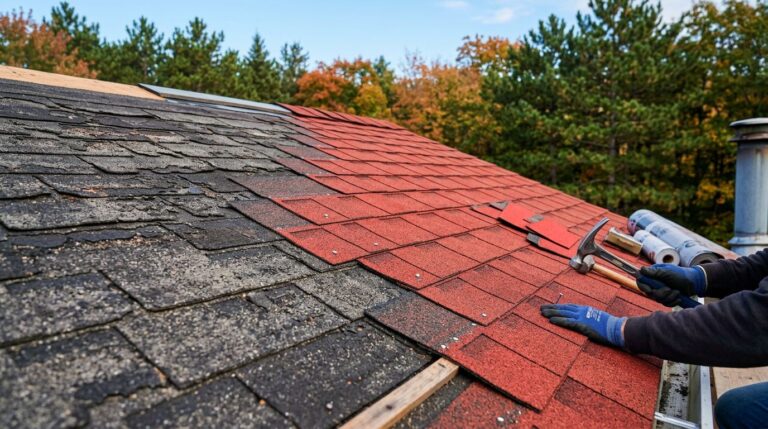
- Get an independent inspection before you decide what the roof really needs. Ask the roofer to separate old wear from new damage and to define the proper scope. A clean report from a team that handles commercial roof repair in St. Paul can show whether the problem is localized or system-wide.
- Compare repair against broader failure. A few punctures, boot failures, or isolated seam splits may support repair. Wet insulation across wider areas, membrane shrinkage, or repeated leaks often mean the commercial roof needs repair at a larger level, and repeated patching may cost more than a planned replacement.
- Decide what to do only after you know what you are giving up. If you own the property outright, you may be able to cash the check and delay work. Still, you may lose withheld depreciation, later supplements, and leverage if the carrier later argues new damage came from an old unrepaired loss.
Risks of Cashing the Check and Not Repairing
The roof problem rarely stays where it starts
Water does not respect neat boundaries. On low-slope systems, a small breach can soak insulation far from the visible leak. That is why a ceiling stain can be the tip of the problem, not the whole problem.
For business owners, delay has a compounding cost. One unrepaired area can lead to damaged stock, stained interiors, tenant complaints, and repeated service calls. Sometimes the fast, cheap decision becomes the expensive one six months later.
The next claim may be harder
If the same section leaks again, the insurer may argue part of the loss is old damage, wear, or neglect. Prior repairs do not erase coverage on their own. Still, poor documentation makes it easier for the carrier to split fresh damage from pre-existing issues and pay less.
Lenders and insurers may treat the roof as an open risk
Cashing the money does not make the roof sound. Lenders know that, and insurers do too. After a claim, carriers sometimes review whether the roof still presents an increased hazard. Nonrenewal is more common than mid-term cancellation, but both conversations get easier for the insurer when the roof still leaks.
Clear reports from commercial roofing services in St. Paul can help you decide whether repair is enough or whether broader work is the better spend. The key is to make that call from evidence, not from the first check amount.
Conclusion
The practical answer
You can often deposit a Minnesota roof claim check without doing repairs, but that is only the legal and banking side of the question. The business side is different.
The real cost may be lost depreciation, missed supplements, lender control, and a roof that keeps failing on its own schedule. For most commercial owners, good documentation before a final decision is worth more than speed.
FAQ
Can I cash the first insurance check and still dispute the amount?
Yes, in many cases you can. The first payment is often an initial amount, not a final settlement. Read the letter that came with the check, because cashing it usually does not waive your right to seek more unless you also sign release language.
What if my mortgage company is on the check?
Joint-payee checks follow lender rules
You usually need the lender’s endorsement before the bank will accept the check. After that, many lenders hold the funds and release money in stages as work progresses. In practice, that means you may not have free use of the insurance money at all.
Can I use the roof claim money for something else at my property?
Sometimes, yes, if no lender controls the payment and your policy does not bar it. But the roof damage remains your responsibility. If later leaks trace back to the same area, the carrier may argue the new loss grew out of known unrepaired damage.
What if I already made permanent repairs before the adjuster inspected the roof?
Emergency work is one thing, full restoration is another. You may still recover money, but proof gets harder once damaged materials are removed. Save photos, invoices, moisture readings, and dates, because the dispute often turns on cause of loss and how large the damage really was.
When should I push for a supplement instead of accepting the first check?
Push for a supplement when new proof shows the original scope missed covered work. Common examples include wet insulation found after tear-off, code-required edge details, hidden flashing damage, or measurements that were too small. A supplement should tie every added dollar to documented damage from the same event.
Need a roof inspection in Saint Paul or the Twin Cities? Call Sellers Roofing Company at +1-651-703-2336 or schedule a free estimate. We are a black-owned, NMSDC-certified MBE roofing contractor with 9+ years experience.