Last updated: 2026-08-01 by Ted Sellers, Owner
Schedule a roof inspection as soon as it’s safe, ideally within 24 to 72 hours, and no later than 7 days after the storm. Fast inspections catch hail damage such as punctures, seam splits, and flashing damage before the next rain turns that storm damage into interior leaks. They also help preserve clear documentation for maintenance records and insurance conversations.
Hail doesn’t always “announce” roof damage right away. On commercial buildings, water can travel far before it shows up inside.
If your property took a hard hit in Saint Paul or the Twin Cities, time matters, but safety matters more. The goal is to move quickly, document well, and avoid letting small breaks become big costs.
When This Applies
This timing fits most Saint Paul commercial properties
For most business owners, the 24 to 72-hour window is the sweet spot because it balances safe access, clear evidence, and fast risk control for storm damage. This advice applies to:
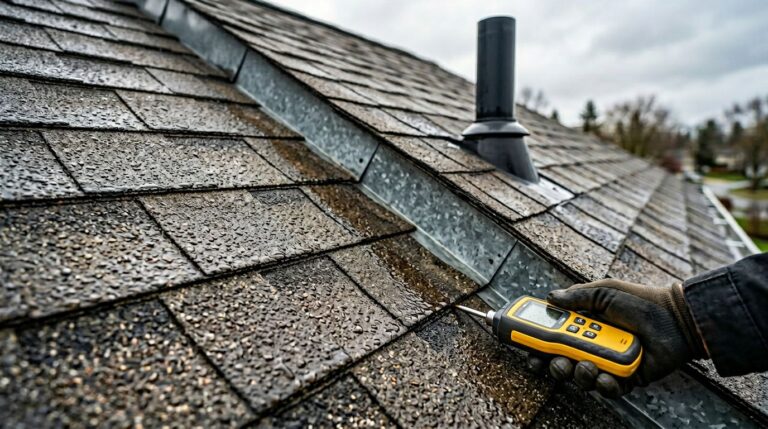
- Low-slope systems (TPO, EPDM, PVC, modified bitumen, BUR), where hail damage can nick seams, cause shingle bruising or granule loss, and still look “fine” from the ground with no visible damage.
- Metal roofs and metal edge details, where hail dents can signal impacts that also stressed fasteners and laps.
- Buildings with rooftop equipment, since hail often damages pipe boots, curbs, unit flashings, and gutters and downspouts first.
Even if you don’t see water inside, hail damage can bruise membranes, crack sealant beads, or loosen termination bars, leading to moisture intrusion. Those failures may not leak until the next wind-driven rain.
If you want a local team familiar with Twin Cities commercial roofing systems, start with a local roofing contractor page like commercial roofing services in Saint Paul, then ask for storm-focused documentation for your insurance claim.
When the “inspect right away” rule doesn’t apply
Some situations call for a slightly different clock.
If the roof is unsafe to access
Stay off the roof if you have downed lines, active lightning, high winds, or slick surfaces. In Minnesota winter, ice on walk pads, ice dams, and frozen drains can make a quick look dangerous. A professional can still start with a ground and interior review, then schedule rooftop access when conditions improve.
If the roof is snow-covered
Snow hides impact points and punctures. Still, you shouldn’t wait months. An inspector can check interiors, attic/decking areas (if accessible), and any active leak paths now, then return for a full surface review after melt.
If you already have active leaks
If water is coming in, treat it as an emergency. At that point, the question isn’t timing, it’s containment. Temporary drying and targeted sealing can prevent soaked insulation and electrical risk while you plan permanent repairs.
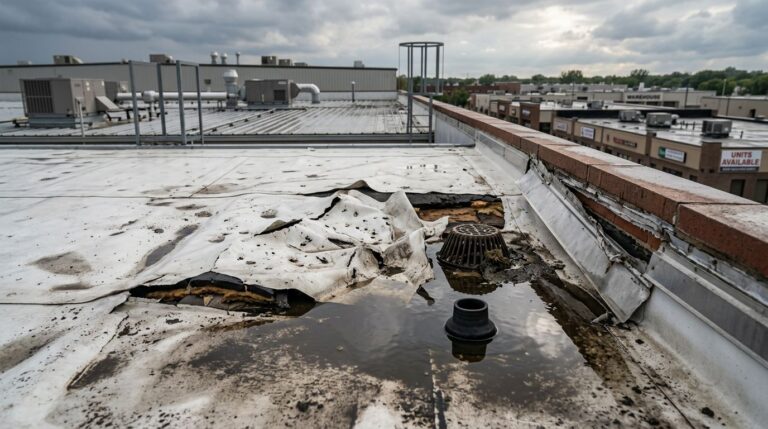
A commercial roof can look intact and still fail at seams, flashings, and drains. The first leak often shows up far from the real entry point.
Step-by-Step
Step 1: Stabilize the site from storm damage and prevent secondary damage (same day)
- Keep staff off the roof until surfaces are dry and winds settle.
- Take ground photos of hail size (next to a coin or tape measure).
- Walk the interior and photograph ceiling stains, wet tiles, and floor puddles.
- Protect inventory and equipment under any suspicious areas.
Step 2: Document exterior clues without climbing (same day)
- Photograph dented rooftop units from safe vantage points if visible.
- Check downspouts for granule loss or membrane fragments near outlets.
- Take pictures of bent gutters and downspouts, damaged screens, and hit signage; these often correlate with roof impacts.
Step 3: Book a free roof inspection or professional roof inspection fast (within 24 to 72 hours)
- Call a commercial roofer and request a hail damage storm inspection report with photos.
- Ask them to inspect seams, flashings, penetrations, drains, and edge metal, not just the field of the roof.
- Confirm they will note both functional damage and areas to monitor.
For commercial buildings, many “leaks” start as tiny openings that move water laterally through attic insulation. If you need help tracing moisture paths, schedule commercial roof leak detection in Saint Paul along with the storm inspection.
Step 4: Decide whether your commercial roof needs repair or just monitoring (within 3 to 7 days)
- Review the report from severe weather and separate cosmetic dents from functional damage (punctures, split seams, exposed reinforcement, cracked flashing).
- Approve immediate waterproofing repairs if the roof is compromised.
- Set a re-check date if the inspector flags borderline areas.
If your inspector states the commercial roof needs repair, don’t park the report in a drawer. Hail damage rarely improves with time, but it often gets harder to prove for your insurance claim.
Step 5: Choose the right scope: spot fix, commercial flat roof repair, or replacement (within 1 to 3 weeks)
- If damage is localized, such as missing shingles, authorize targeted storm damage repair and keep photos for your records.
- If hail created widespread seam stress or puncture patterns, plan a larger commercial flat roof repair section, not scattered patches.
- If the roof is near end-of-life and hail pushed it over the edge, start budgeting for roof replacement and schedule work around operations.
For insurance-focused inspection guidance and claim-ready documentation tips, see the NRCIA hail damage roof inspection and insurance guide.
FAQ
Can I wait until I see a leak to schedule an inspection?
Waiting often turns hidden hail damage into roof leaks, water damage like soaked insulation, stained finishes, and mold risk. On low-slope roofs, water can travel and show up far from the entry point. An early hail roof inspection costs far less than chasing surprises later.
What happens if I schedule the inspection weeks later?
You can still inspect, but the story gets muddier. Sun, foot traffic, and follow-up storms can create additional storm damage and change the surface. Delaying also risks missing the claim deadline. If an insurance adjuster asks, “Did anything else happen since then?”, clear early photos help answer that question.
If multiple storms hit close together
Ask your roofer to document storm dates and separate damage patterns when possible. That record helps property managers and insurers keep claims cleaner.
Should my maintenance team do the inspection first?
They can document interiors and obvious exterior damage from the ground. However, roof walking without training can be risky and can also create new membrane punctures. Use staff for safe documentation, then bring in a qualified commercial roofer for a professional roof inspection of the roof surface.
If hail was “only pea-sized,” do I still need an inspection?
Maybe. Hail size matters, but wind speed and roof condition matter too. Older membranes, brittle sealants, exposed fasteners, and shingle fractures from hail damage can fail from smaller impacts, especially worsened by freeze/thaw cycles. When in doubt, schedule a roof inspection instead of guessing.
Do I need leak detection if nothing is dripping inside?
Not always, but it’s smart when you have a large footprint, multiple rooftop units, or a history of mystery leaks. Advanced testing can locate small breaches before they become visible, especially after storm damage. Timing also matters, because trapped moisture spreads.
If you’re planning repairs anyway
Leak detection can prevent paying for the wrong storm damage repair. That’s especially helpful when you’re weighing patchwork versus a larger repair scope for an insurance claim.
Conclusion
After a Saint Paul hailstorm, a fast roof inspection protects your building like a smoke detector; it catches hail damage and storm damage early, before they spread and cause water damage or roof leaks. Aim for a hail roof inspection within 24 to 72 hours, then act quickly if your report shows functional damage. If you’d rather not guess, schedule a free roof inspection for a documented evaluation and keep your next steps clear, whether that means storm damage repair now or planning for a commercial roof replacement later to safeguard your entire roofing system.
Need a roof inspection in Saint Paul or the Twin Cities? Call Sellers Roofing Company at +1-651-703-2336 or schedule a free estimate. We are a black-owned, NMSDC-certified MBE roofing contractor with 9+ years experience.