Last updated: 2026-08-01 by Ted Sellers, Owner
No. In Minnesota, an insurer can recommend a roofer, but it usually cannot force you to hire that company. You can normally choose your own licensed contractor. The bigger issue is whether the roof damage is covered and whether the estimate matches the real scope of the work.
A preferred roofer insurance setup can sound binding, especially when your building is already leaking. For commercial owners, that choice matters because a missed detail can turn into wet insulation, tenant disruption, or a larger claim fight.
The real question is not who the insurer likes. It is what your roof needs and what the policy actually covers.
When This Applies
What a preferred roofer really means
A preferred roofer is usually a contractor the insurer knows, uses often, or puts in a network. That roofer may submit paperwork the carrier likes and may move quickly on scheduling. None of that gives the insurer the right to take away your choice.
A recommendation is not the same thing as a requirement.
Minnesota law generally does not let an insurer force you to use one specific roofer. If a contractor offers to cover your deductible or trade favors to win the job, that is a separate problem. The Minnesota DLI’s deductible warning is a clear reminder that steering tactics can cross a line.
When the rule does not apply
This rule does not let you use insurance money for unrelated upgrades. If you want a different membrane, a redesigned drainage layout, or a better system than the loss calls for, that is outside the claim. The insurer also does not owe payment for old wear, neglect, or routine maintenance just because the roof is old.
The claim can cover the covered damage and stop there. It does not need to fund a wish list.
Why commercial claims get messy
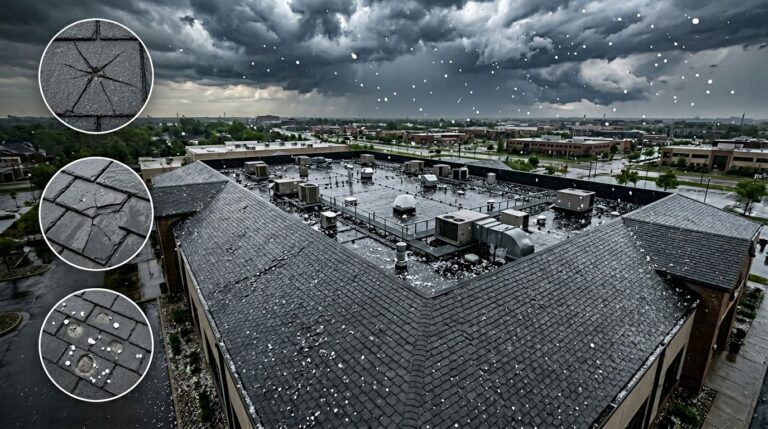
Large roofs create more room for disagreement. Water often travels far before it shows up inside, so the stain on the ceiling may be nowhere near the real breach. On a flat roof, that means the first inspection can miss wet insulation, torn flashing, crushed edge metal, or punctures beyond the visible leak.
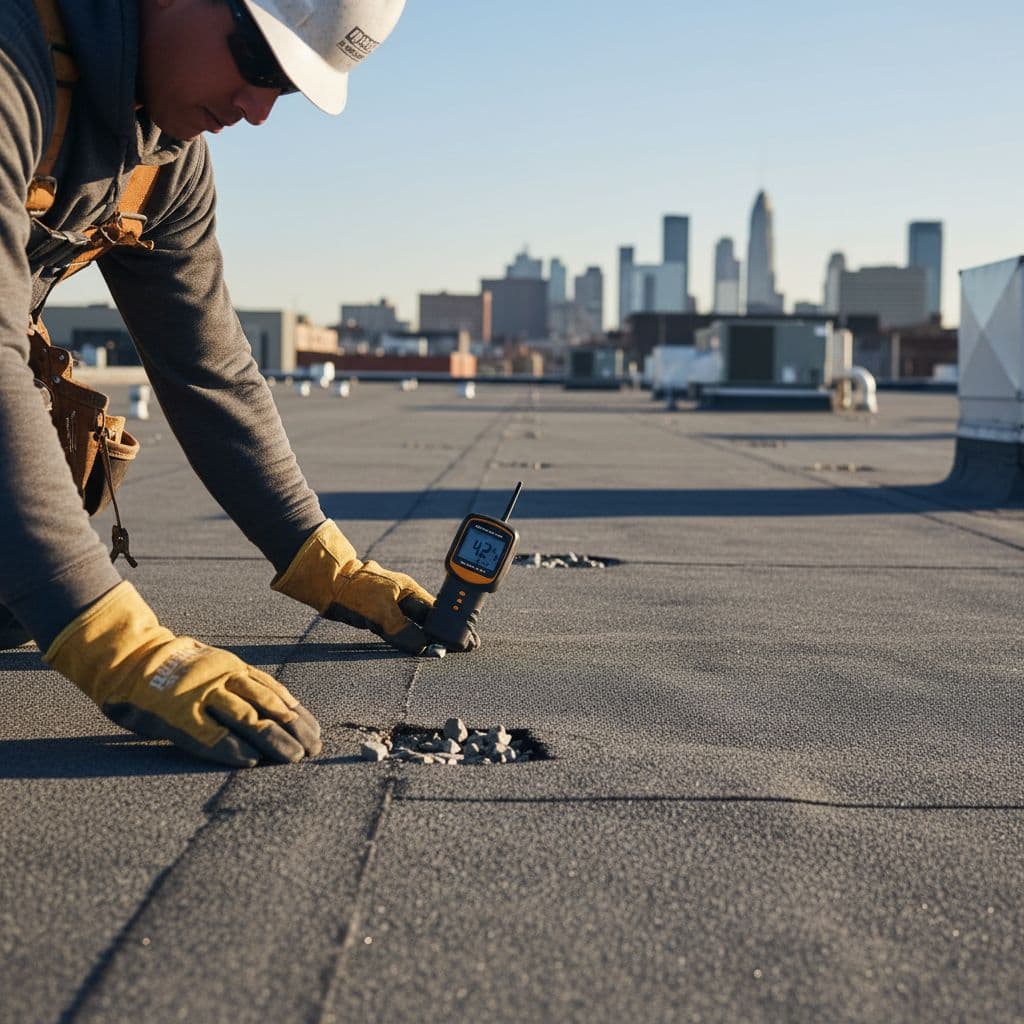
If your commercial roof needs repair, one inspector may see a narrow commercial flat roof repair. Another may see damage wide enough for commercial roof replacement. A local commercial roofing contractor in Saint Paul can compare the insurer’s scope with the roof’s actual condition before you approve a final plan.
Good photos, moisture readings, core cuts, and marked roof plans matter because they show what changed and where it changed.
Step-by-Step
1. Read the insurer’s letter and your policy
Start with the claim letter, the estimate, and any message that mentions a preferred contractor. Look for words like approved vendor, direct repair program, or in-network roofer. Then check the policy for any clause that actually limits contractor choice.
If the letter names a roofer but the policy does not, that is a recommendation, not a command.
Find the controlling language
Ask for the exact clause in writing if the wording is vague. That gives you something concrete to challenge later. Keep the question short and direct, so the carrier has to answer the point you raised.
2. Get your own inspection and written estimate
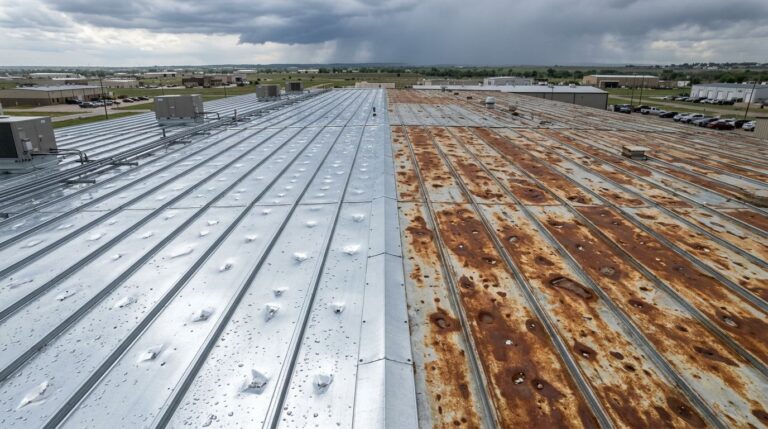
Bring in an independent roofer who can document the roof with photos, moisture readings, field measurements, and test cuts when needed. On commercial roofs, hidden damage often changes the scope after tear-off. That is true on TPO, EPDM, and metal systems.
If the building is actively leaking, do not wait for a perfect day. Temporary dry-in work can start while the claim is still open.
Watch for hidden moisture
Wet insulation is one of the most common reasons a small repair turns into a larger project. If tear-off finds saturated insulation, damaged cover board, or broken flashing beyond the first scope, the real answer may shift from patch work to a broader rebuild.
When the repair path is still open, the carrier should see why.
3. Compare scope, not just the dollar amount
Do not compare the bottom line alone. Compare tear-off, membrane squares, insulation thickness, flashing, edge metal, drains, fasteners, permits, and disposal. A lower number often means missing items, not a cheaper price for the same job.
If the first scope approved commercial flat roof repair but the roof team finds wide damage after tear-off, ask for a supplement. The added work should connect to documented damage, not to a nicer product or a preference for a bigger job.
What supplements can and cannot fix
A supplement can add covered work that was missed. It cannot change a deductible, remove an exclusion, or pay for an unrelated upgrade. If you want a different membrane or a new design, that is outside the claim unless the loss and policy support it.
4. Push back in writing if they try to steer you
Keep your reply calm and specific. Say you want the policy language, the line-item estimate, and the reason the insurer thinks its roofer should control the job. If the carrier will not back that up, ask for a reinspection.
That matters when the file mixes old wear with fresh storm damage. It also matters when the first scope assumes a simple repair but the roof shows broader loss.
Keep the dispute narrow
Focus on cause, scope, and price. Do not let the discussion drift into unrelated maintenance unless it actually affects the same damage. The strongest claim files separate old issues from new ones.
5. Decide whether repair or replacement is the real answer
A small puncture, a failed seam, or one damaged flashing detail may call for commercial flat roof repair. Wide saturation, repeated leaks, or field-wide seam failure may point to commercial roof replacement.
When your commercial roof needs repair, the right choice is the one that stops water and fits the roof’s real condition. A cheaper fix that leaks again is the expensive option.
Choose the fix that stops water
If the roof will keep leaking after patch work, the lower bid is not the lower cost. Business owners pay twice when they settle for a repair that only buys a few more months.
FAQ
Can my insurer refuse to pay if I use my own roofer?
Usually, no. The insurer can review the estimate, the damage, and the final invoice, but it should not deny covered work just because you chose a different contractor. If the roof repair is legitimate and the pricing is reasonable, the contractor choice is still yours.
Can a preferred roofer change the claim result?
Yes, it can influence the first estimate. A roofer who works often with the carrier may miss hidden damage, or may price the job in a way that keeps the scope narrow. That is why your own inspection records matter so much.
What if the preferred roofer says repair is enough but I think the damage is worse?
Get a second opinion. If moisture readings, tear-off, or close-up photos show saturation or failed seams beyond the first scope, the answer may shift. On commercial roofs, hidden damage often changes the repair call.
Does emergency tarping still count if I hire someone else?
Yes, if the work is reasonable and meant to stop more damage. Keep receipts, photos, and notes from the site visit. If the roof is unsafe, use a qualified crew and notify the carrier as soon as you can.
Can the insurer require its roofer for commercial roof replacement?
No, the contractor decision still stays with you. What the insurer can control is payment for covered damage and the scope it agrees to fund. If the project turns into commercial roof replacement, the fight is usually about coverage and pricing, not contractor ownership.
Conclusion
Minnesota insurers can recommend a roofer, but they usually cannot force you to use one. The recommendation may speed up paperwork, but it does not erase your right to choose a contractor.
For commercial owners, the safer move is simple. Get the roof inspected, compare the scopes line by line, and choose the roofer who can document the damage clearly. When a commercial roof needs repair, the claim should follow the roof, not the insurer’s vendor list.
Need a roof inspection in Saint Paul or the Twin Cities? Call Sellers Roofing Company at +1-651-703-2336 or schedule a free estimate. We are a black-owned, NMSDC-certified MBE roofing contractor with 9+ years experience.