Last updated: 2026-08-01 by Ted Sellers, Owner
Yes, in many cases you can request a roof claim reinspection after a claim denial. Your insurance claim isn’t over just because of a first claim denial. Your odds improve when you bring new evidence, show mistakes in the first inspection, or prove the roof damage was understated. Move fast, follow the deadline in your policy, and ask for the review in writing with supporting records.
Key Takeaways
- You can request a roof claim reinspection after a denial, especially for commercial roofs where the first inspection may miss hidden damage like seams, flashing, wet insulation, or storm impacts—bring new evidence from an independent roof inspection to strengthen your case.
- Follow a clear step-by-step process: read the denial letter, get a certified contractor’s report with photos and moisture mapping, build an evidence packet, request in writing before the deadline, and attend the second inspection focused on facts.
- Reinspection works best when proving storm damage over wear/tear or showing repairs won’t suffice for commercial roof replacement; it rarely helps against fixed exclusions like neglect or late reporting.
- Act fast—delays weaken proof as leaks spread; a strong reinspection can turn denials into settlements, potentially shifting from repair to full replacement if evidence shows system-wide failure.
When This Applies to a Denied Commercial Roof Claim
When a second look makes sense
A reinspection makes sense when the first review was too limited. That often happens on large commercial roofs, where an insurance adjuster may miss seams, flashing, gutters, drains, rooftop units, or ponding areas.
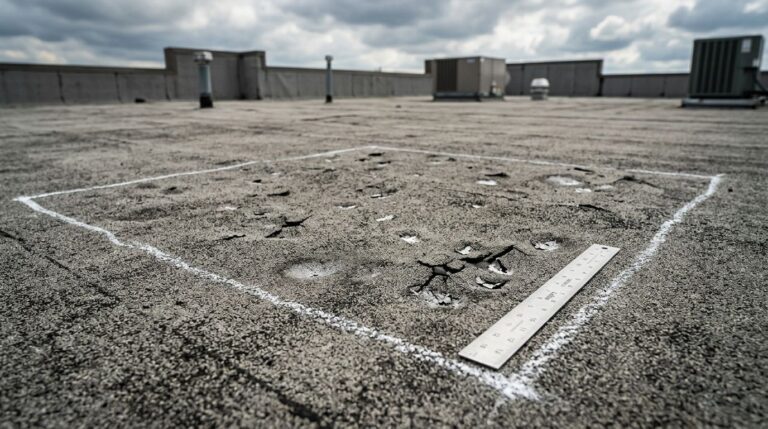
It also fits when the denial says there was no storm damage, but your contractor found fresh punctures, hail damage, lifted membrane from wind damage, or wet insulation. For business owners, that gap matters because a rushed visit can turn a valid loss into a denied claim.
If the insurance company says your commercial roof needs roof repair, not roof replacement, a second inspection may also help. New evidence can show the difference between a small fix, a broader commercial flat roof repair, and a full commercial roof replacement. On low-slope systems, water often travels far from the visible leak, which is why commercial roof leak detection in Saint Paul can help uncover damage the first inspection missed.
Why commercial roofs get missed so often
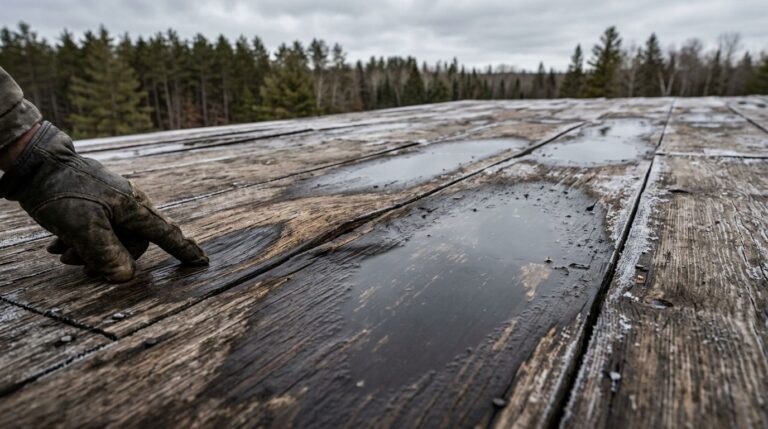
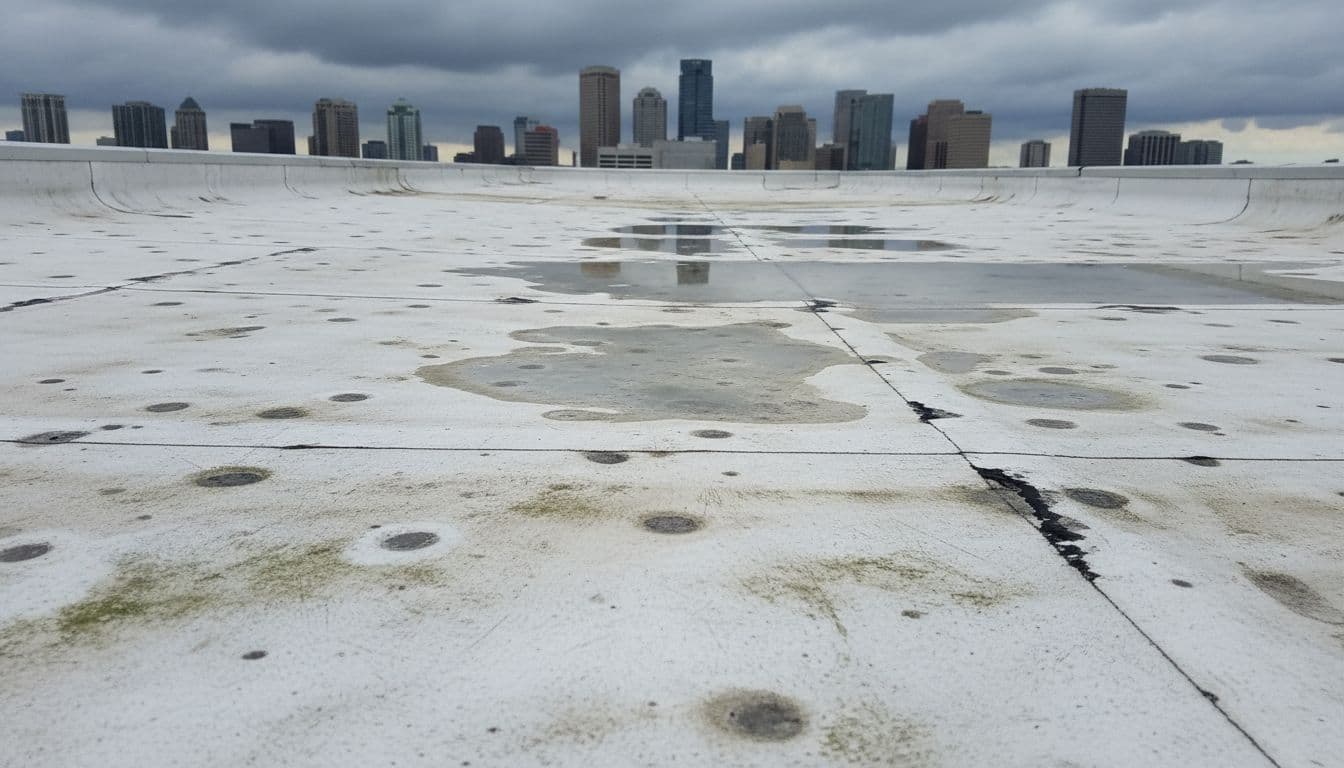
Commercial claims have more moving parts than a simple shingles roof. Membranes can split without obvious tears. Moisture can stay trapped below the surface. A leak inside a warehouse may start 20 or 30 feet away from the stain.
That means a denial based on a quick visual walk may not tell the full story. For office buildings, retail centers, and warehouses, a reinspection is often most useful when the roof is large, flat, or tied to tenant space and business operations.
When a reinspection probably won’t help
A second inspection is weaker when the denial rests on an exclusion you can’t change. Common examples include long-term neglect, old age, prior unrepaired damage, or late reporting.
One common edge case
Sometimes the insurer accepts part of the claim but refuses replacement. That is still worth reviewing if your contractor can show repairs won’t restore the system, won’t hold at seams, or won’t meet code. Without that proof, though, the carrier may stand by its first decision.
Step-by-Step: How to Ask for a Roof Claim Reinspection
1. Read the denial letter line by line
Find the exact reason for the denial, the claim number, and the deadline for review. Some carriers call it reinspection, while others call it reconsideration, supplemental review, or appeal.
What to pull from the file
Write down the policy language the carrier relied on. Also note what the adjuster says was missing, because that list becomes your roadmap for the next roof inspection.
2. Get an independent commercial roof inspection
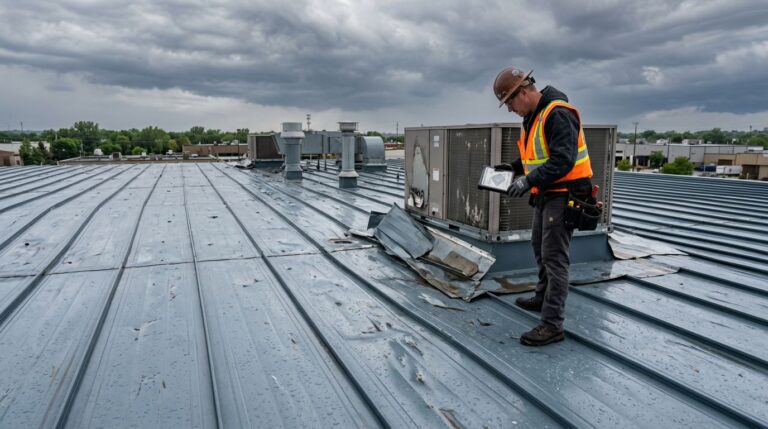
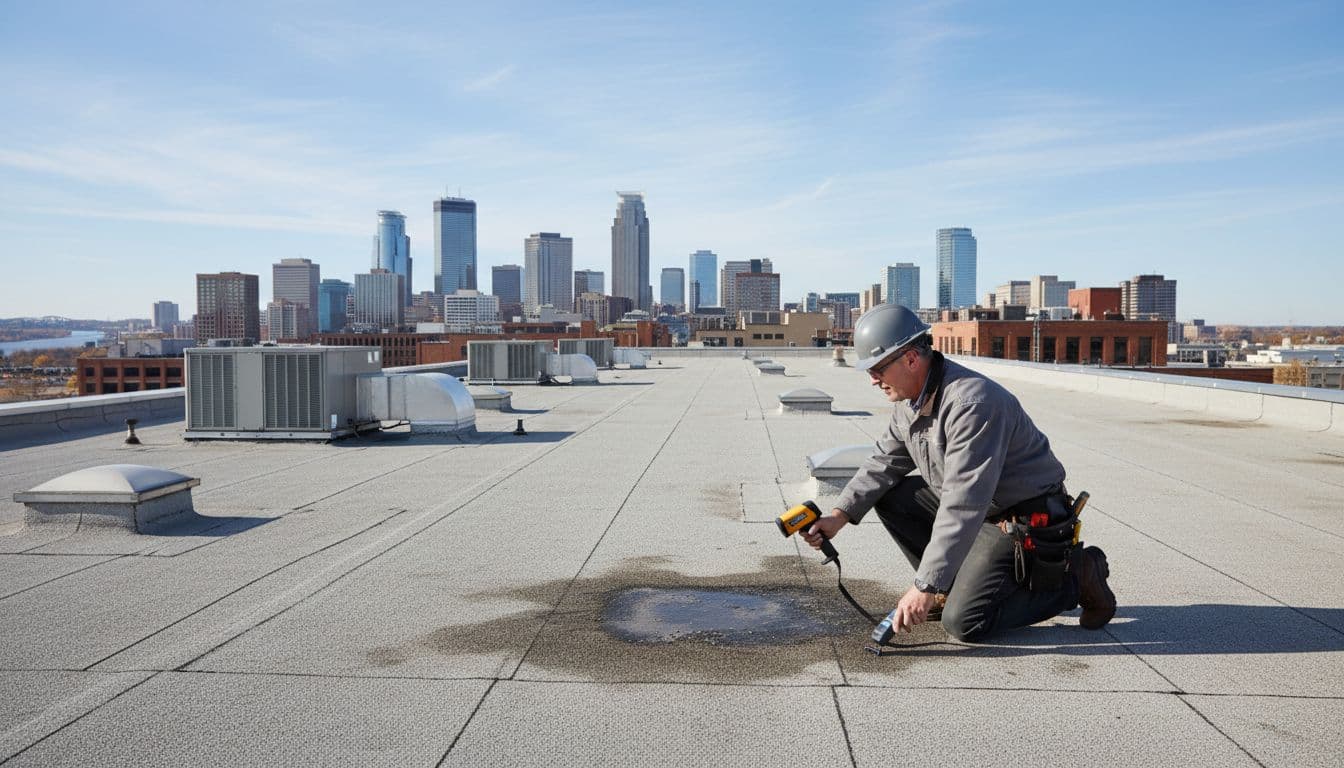
Ask for an independent inspection from a certified inspector or roofing contractor to examine the whole system, not only the leak spot. On a large building, that may include moisture mapping, seam checks, drainage review, and photos of every roof area tied to the loss.
If the inspection report shows broad membrane failure, wet insulation, or storm damage across multiple sections, ask for a written scope and cost breakdown. A contractor experienced in commercial roof repair for Saint Paul businesses can explain why a patch may fail and why the roof may need more than a simple repair line item.
3. Build a clean evidence packet
Keep the packet simple and organized. Include date-stamped photo documentation of the roof, interior leak photos, weather dates, maintenance records, repair history, and the roofer’s written findings.
What counts as new evidence
New evidence is not more opinion. It’s proof the first review missed something, such as hidden moisture, impact marks, damaged flashing, uplifted seams, or saturated insulation that changed the repair plan.
4. Request the roof claim reinspection in writing
Send a short, direct letter or email. State why you disagree with a second opinion from your roof inspection, list the evidence attached, and ask for a second inspection with your roofer present.
Timing matters. Even though flood insurance is a different policy type, FEMA’s appeal guidance shows how insurance disputes often turn on deadlines and documentation, not frustration. This step is key in the claim process.
5. Attend the second inspection and keep the discussion focused
Walk the adjuster through each damage area during the roof inspection. Stick to facts, photos, and measurements. Don’t turn the visit into an argument about price before coverage is settled.
If the carrier still says no
Ask for the final position in writing. Then review the next option in your policy, which may include appraisal, mediation, or legal review. A second look can change the outcome and lead to a fair settlement, but weak support often stays weak, which is why this appeal decision example is a useful reminder.
FAQ After a Denied Roof Claim
Can I request a reinspection if the insurer blamed wear and tear?
Yes, but you’ll need proof that a covered event caused separate damage. A roofer’s report should show fresh storm damage apart from normal aging. Without that split, the denial often stays in place.
How long do I have to ask for a reinspection?
The deadline depends on your policy and carrier. Some want action quickly, while formal appeals may allow more time.
Don’t wait for roof leaks to spread
Delay makes proof harder. It also gives the carrier room to argue that later damage came from time and exposure, not the original event.
Will the insurer send a different adjuster?
Sometimes, but not always. You may see the same adjuster, a supervisor, an engineer, or an outside consultant. What matters is whether the second review addresses the evidence you submitted.
What if only one section of the roof was denied?
That can still support a roof claim reinspection. Commercial systems act like connected parts, not isolated squares. Damage in one area can tie to wet insulation, flashing failure, or seam damage in the next area over.
Can a reinspection turn a repair approval into a replacement approval?
Yes, if the new inspection shows broad failure, unsafe substrate, code issues, or repairs that won’t last. In that case, the question is no longer whether your commercial roof needs repair. It’s whether repair can reasonably restore the system.
Do these rules apply to homeowners insurance residential insurance claims?
While similar, homeowners insurance policies for residential insurance claims often have shorter appeal windows, simpler adjuster reviews, and different evidence standards than commercial roof claim reinspections.
How is the settlement paid after a roof claim reinspection?
During the roof claim reinspection process, payouts differ by policy: actual cash value covers depreciated costs, while replacement cost value funds new materials. The settlement is issued after subtracting your deductible.
A denial isn’t always the final word. The strongest reinspection requests rely on evidence, clear deadlines, and a roofing report from a roof inspection that explains the real condition of the system.
For commercial owners, speed matters. The longer a disputed roof sits, the harder it becomes to separate storm damage from time, traffic, and ongoing water intrusion.
Need a roof inspection in Saint Paul or the Twin Cities? Call Sellers Roofing Company at +1-651-703-2336 or schedule a free estimate. We are a black-owned, NMSDC-certified MBE roofing contractor with 9+ years experience.