Last updated: 2026-08-01 by Ted Sellers, Owner
A professional roof inspection includes a safe roof-surface review (or equivalent testing), checks of drains and flashing, interior leak tracing, and clear documentation of defects with photos and locations. Request a written scope, a dated photo report, moisture findings (if needed), repair and replacement options, and a line-item estimate that states assumptions, exclusions, and warranty impacts.
When This Applies
Who this “Roof inspection guide for homeowners” is for
This guide fits anyone responsible for a building’s roof, including homeowners, small commercial property owners, and facility managers. If you pay the utility bills, keep inventory dry, or can’t afford downtime, you need more than a “looks fine from the ground” opinion.
It applies most when:
- Your roof is 10 years old or more (time for a seasonal inspection), or you don’t know its age.
- You’ve had storm damage, heavy snow, or ice dams recently.
- You see water stains, bubbling paint, musty odors in the attic, or ceiling tiles that won’t stay dry.
- You need documentation for budgeting, an insurance claim, a lease renewal, or a sale.
When a basic inspection isn’t enough
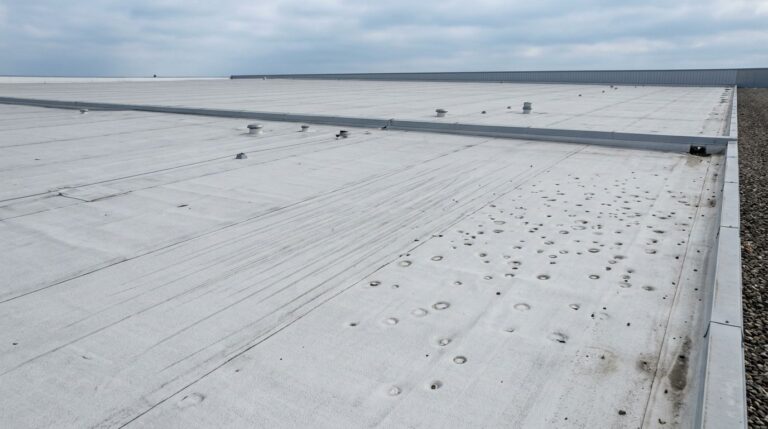
Some roofs hide problems like a wet sponge under a clean-looking surface. Low-slope systems, rooftop HVAC traffic, and old repairs can make leaks hard to trace. If water is suspected inside the assembly, you may need added testing beyond a visual walk, like infrared or electronic leak detection.
For background on moisture-focused inspection methods and why maintenance planning matters, see this commercial roof maintenance checklist.
Edge cases that change what you should request
If any of these apply, push for extra detail in writing:
- Active leak during rain: Ask for same-day temporary mitigation steps and photos of the suspected entry point and interior damage.
- Occupied spaces with sensitive operations (restaurants, clinics, data rooms): Ask for a plan that avoids odors, noise, and debris, plus after-hours options.
- Warranty coverage: Ask the inspector to state what actions could affect coverage, and what documentation the manufacturer expects.
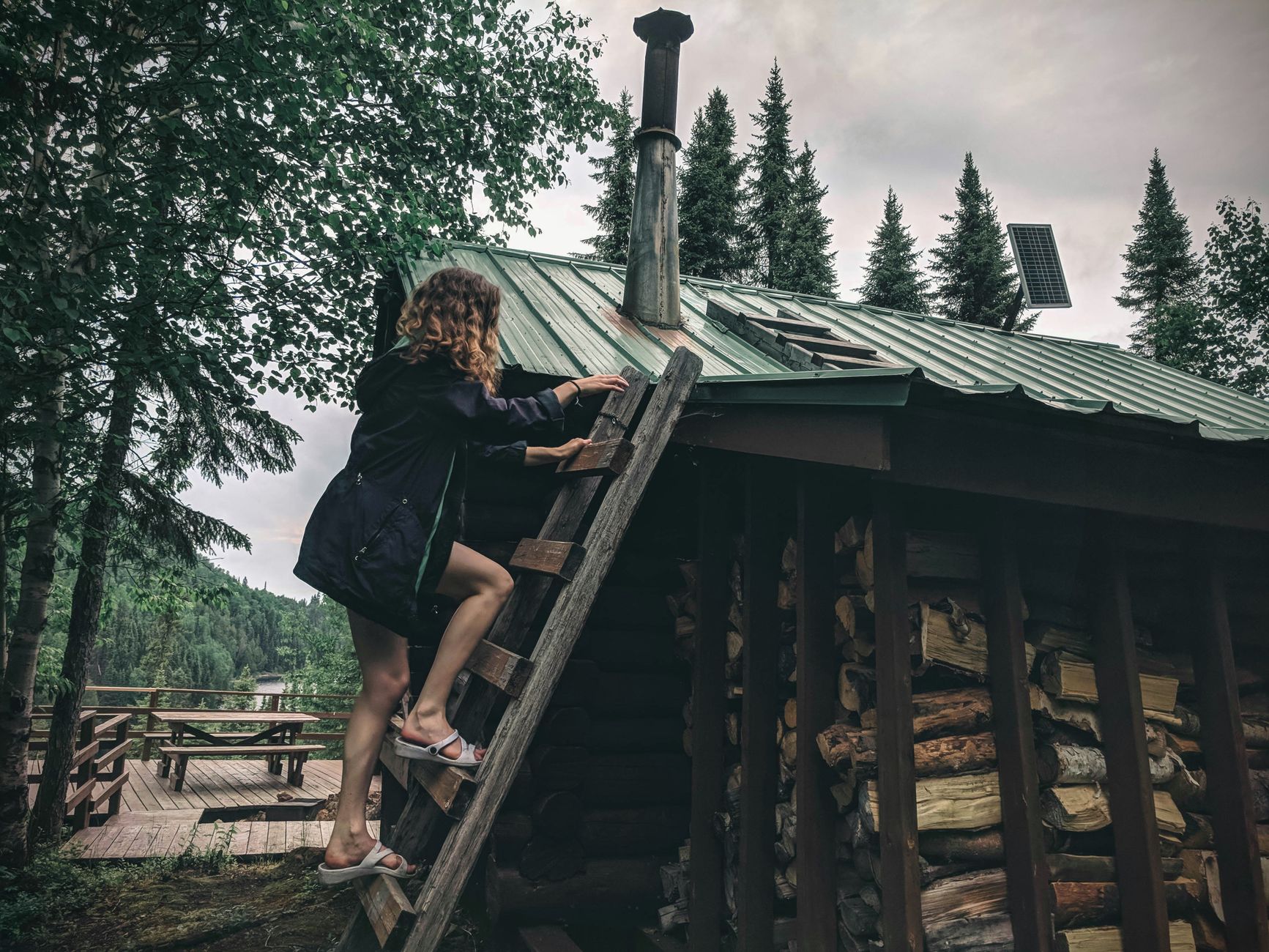
Photo by Ali Kazal
Step-by-Step
How to get a thorough roof inspection (and a report you can use)
- Set the goal before anyone shows up. Tell the inspector if you need leak tracing, a budget number, a pre-purchase report, or documentation for an insurance claim. A “maintenance check” and a “leak investigation” are not the same job.
- Ask for a written scope of work first. It should say what surfaces will be accessed, whether the roof will be walked, what areas inside will be checked during the interior inspection (attic, top-floor ceilings, mechanical rooms), and what testing is included or excluded. This scope sets the stage for a comprehensive written report.
- Confirm safety and access plans in writing. Commercial roofs often need fall protection, ladder control, and permission to access locked areas. If the inspector can’t safely access key areas, the report should clearly state the limitation and what that means for findings.
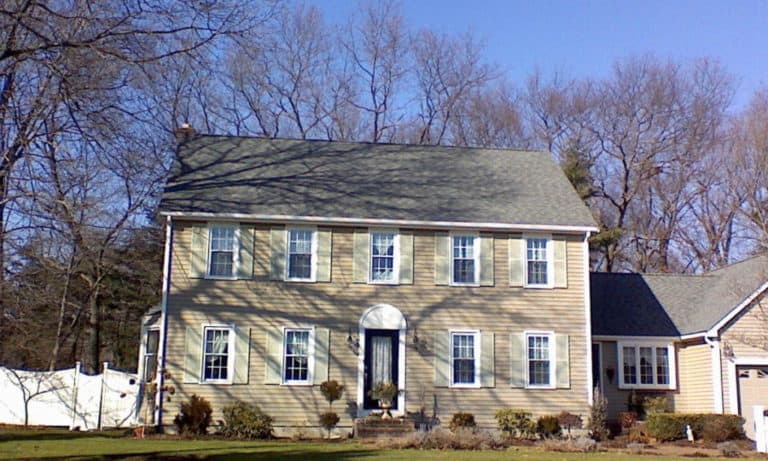
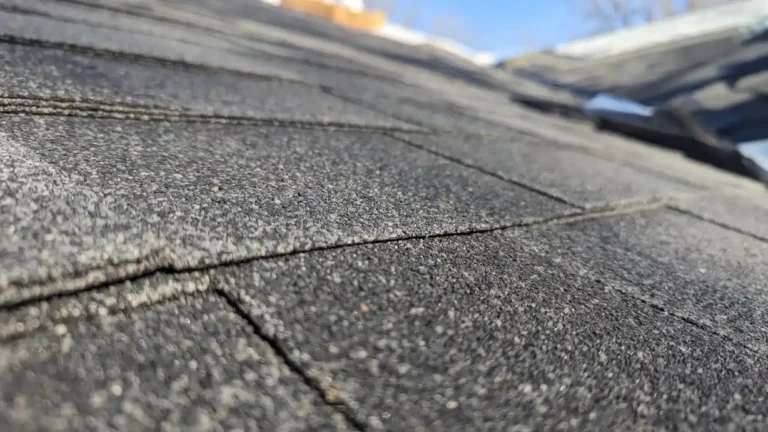
- Require a roof-surface check that matches your roof type. For steep-slope roofs with shingles, that may mean an exterior inspection with a visual review from the roof and from the ground, checking shingles for granule loss, moss and algae growth, buckling, or missing shingles with granule loss. For low-slope, it should include membrane condition, seams, penetrations, and rooftop-traffic wear. If your commercial roof needs repair, you want the “where” and “why,” not just the symptom.
What a real inspection should document, line by line
- Demand photos with locations, not just a photo dump. The report should include dated photos tied to roof areas (north elevation, roof section A, around unit RTU-3). A simple roof sketch or map is often enough to make photos useful.
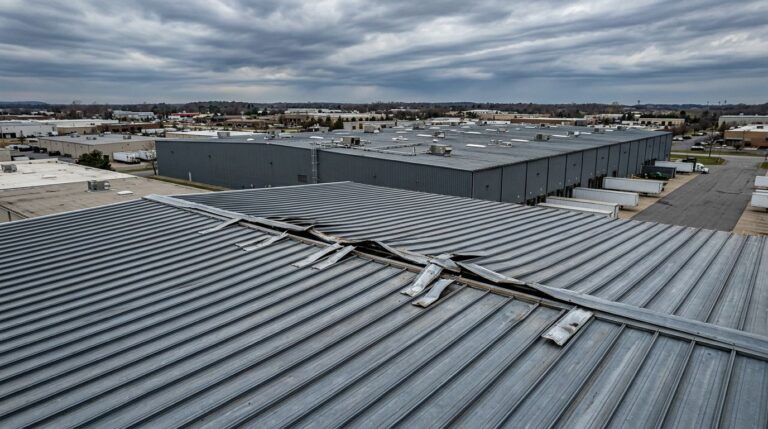
- Insist on details at the usual failure points. A solid inspection calls out conditions at gutters and downspouts, flashing details around chimneys and walls, curbs, vent pipe boots, skylights, coping caps, gutters and downspouts flow, and previous patch areas. On low-slope roofs, these details often decide whether you need targeted commercial flat roof repair or a wider plan.
- Ask for moisture findings when symptoms don’t match what’s visible. If staining shows up but the surface looks “okay,” request a moisture-focused add-on to check underlayment condition and have the method stated in the report. This is where many “free inspections” fall short.
- Get options and pricing that you can act on. The summary should separate urgent issues from watch items, then present at least two paths when possible: repair now versus phased work, or coating versus commercial roof replacement with a rough replacement cost. Each option should include assumptions (weather, access, hours), exclusions, and a rough timeline.
What to request in writing before you approve any work
- Request a proposal package, not a single number. At minimum, ask for: scope, materials, workmanship warranty terms, staging plan (dumpster, debris control), protection of rooftop equipment, and cleanup responsibilities. If you’re comparing contractors, consistent paperwork is the only fair comparison. For roof maintenance reference, download a checklist PDF to ensure all steps are covered.
If you want an example of how commercial roof services are typically organized, including emergency response and replacement scopes, review a commercial roofing company in Saint Paul service page and match your requested scope to the services listed.
For another perspective on what owners should expect during an inspection and how documentation is handled, compare notes with this commercial roof inspection guide.
FAQ: Roof inspection paperwork, costs, and next steps
Can I use a roof inspection report for insurance or a claim?
Yes, a roof inspection report can support an insurance claim related to storm damage. Ask for dated photos, measured damage notes, and a clear statement of likely cause (wind, hail, aging).
If a storm happened months ago
Request the storm date range you suspect and ask the inspector to note any signs consistent with that storm damage, without guessing beyond what’s visible.
What if the inspector says “looks good” but I still have leaks?
Leaking water can travel far from the entry point, sometimes causing water stains from issues like poor attic ventilation. Ask for a leak-trace visit during or right after rainfall, plus moisture testing if the roof is low-slope or has multiple layers.
Should I be on the roof during the inspection?
For most owners, no. It’s safer to meet inside first, then review photos together afterward. Consider a drone roof inspection as a modern alternative for detailed views without risking anyone on the roof. If you do attend, follow the inspector’s access and safety rules.
How often should commercial properties schedule roof inspections?
Schedule seasonal inspections at least twice a year (spring and fall) and after major storms as part of roof maintenance. If you have lots of penetrations, heavy foot traffic, or past leaks, increase the frequency of roof maintenance.
What’s the biggest red flag in a written inspection report?
Vague language with no proof from a certified inspector. Look for specific mentions of sagging roof, structural damage, or underlayment failure, backed by photos, locations, and clear next steps. Reports without these from a certified inspector won’t help you budget, negotiate, or fix a sagging roof before it grows.
A roof is like the building’s lid, small gaps in roofing material turn into big losses when weather stacks up. A professional roof inspection of your roofing material and attic gives you hard evidence, clear options, and paperwork you can hold someone to, including checks on attic ventilation and other roofing material. Ask for the scope and findings in writing, keep the photos, and use the report to plan repairs early, before the next leak picks your busiest week.
Need a roof inspection in Saint Paul or the Twin Cities? Call Sellers Roofing Company at +1-651-703-2336 or schedule a free estimate. We are a black-owned, NMSDC-certified MBE roofing contractor with 9+ years experience.