Last updated: 2026-08-01 by Ted Sellers, Owner
Short answer: Yes. An insurer can deny an old damage roof claim in Minnesota if it believes the roof problems existed before the reported storm or came from wear, age, or poor upkeep. Still, age alone doesn’t erase coverage. If new hail or wind caused fresh damage, the carrier may still owe for repair, code-driven work, or replacement.
When This Applies
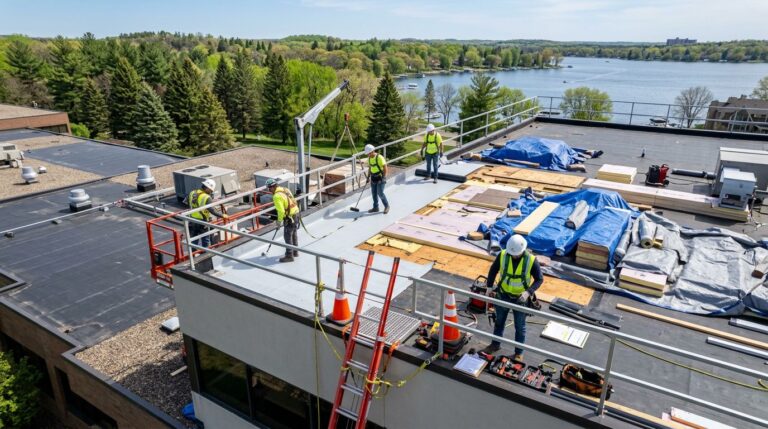
This usually affects commercial owners after a storm
This comes up most with older low-slope roofs on offices, retail buildings, warehouses, and mixed-use properties. A storm hits, leaks show up, and the insurer says the roof was already worn out.
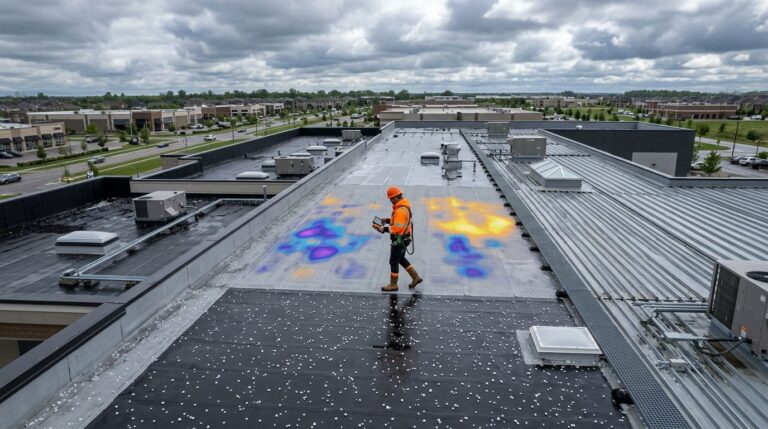
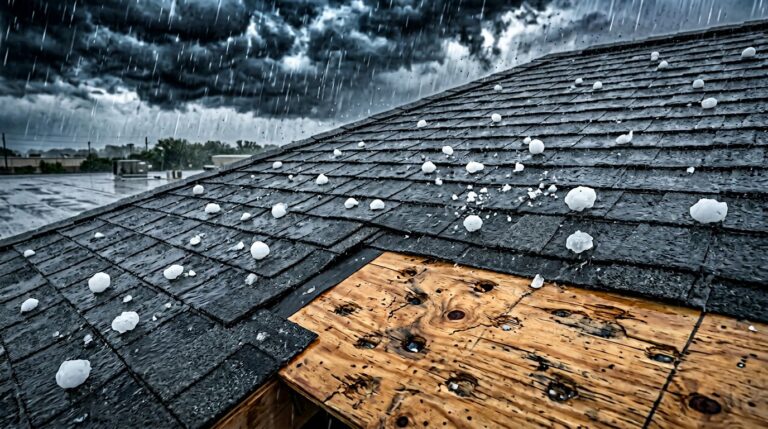
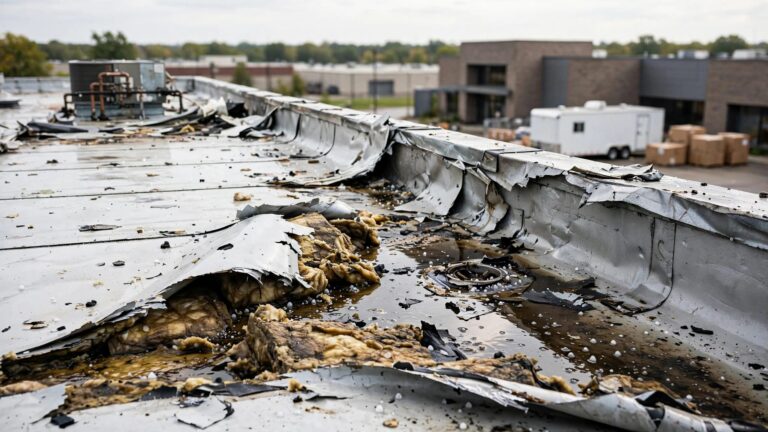
That is common on flat and metal systems because older defects and fresh storm damage can sit side by side. A good commercial roof hail damage inspection helps separate new punctures, split seams, dented metal, or bruised membrane from long-term weathering.
Age alone does not end coverage
Old doesn’t mean uncovered. Minnesota insurers still have to pay for new covered damage, even when the roof was aging before the storm.
In some claims, Minnesota Statute §65A.10 also matters because code-required work tied to a covered loss can become part of the repair scope. That point got stronger after the 2025 Minnesota Supreme Court case Great Northwest Ins. Co. v. Campbell, which backed coverage for code-driven roof work needed to complete a proper repair.
Age doesn’t void coverage. The real fight is over cause, timing, and scope.
When the denial may be legitimate
A denial has more weight when the roof had known leaks before the storm, drains were left clogged, or ponding water caused long-term decay. The same is true when the claim was filed long after the weather event and no one can tie the damage to a date.
Policy type matters too. Some commercial policies pay actual cash value on older roofs, not full replacement cost. So even when coverage exists, the payment may be smaller than expected.
Step-by-Step
1. Get the denial letter and the policy language
Start with the exact denial reason in writing. Ask for the adjuster’s photos, estimate, notes, and the policy section the carrier relied on.
Don’t argue in broad terms. Find out whether the insurer denied the whole loss, reduced the scope, or only refused full replacement. Those are different problems, and each one needs a different response.
2. Order an independent roof inspection
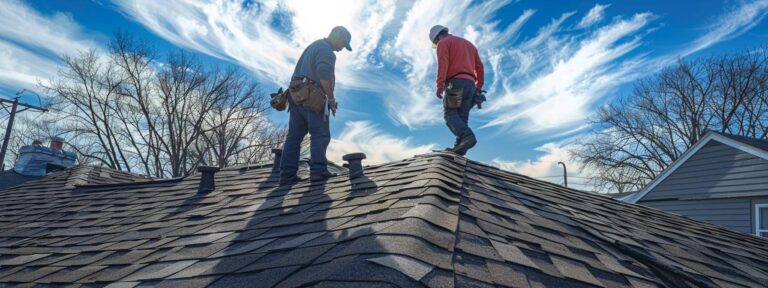
Have your own roofer or roof consultant inspect the building. If water is showing inside but the source is unclear, commercial roof leak detection in Saint Paul can help trace the breach before evidence spreads.
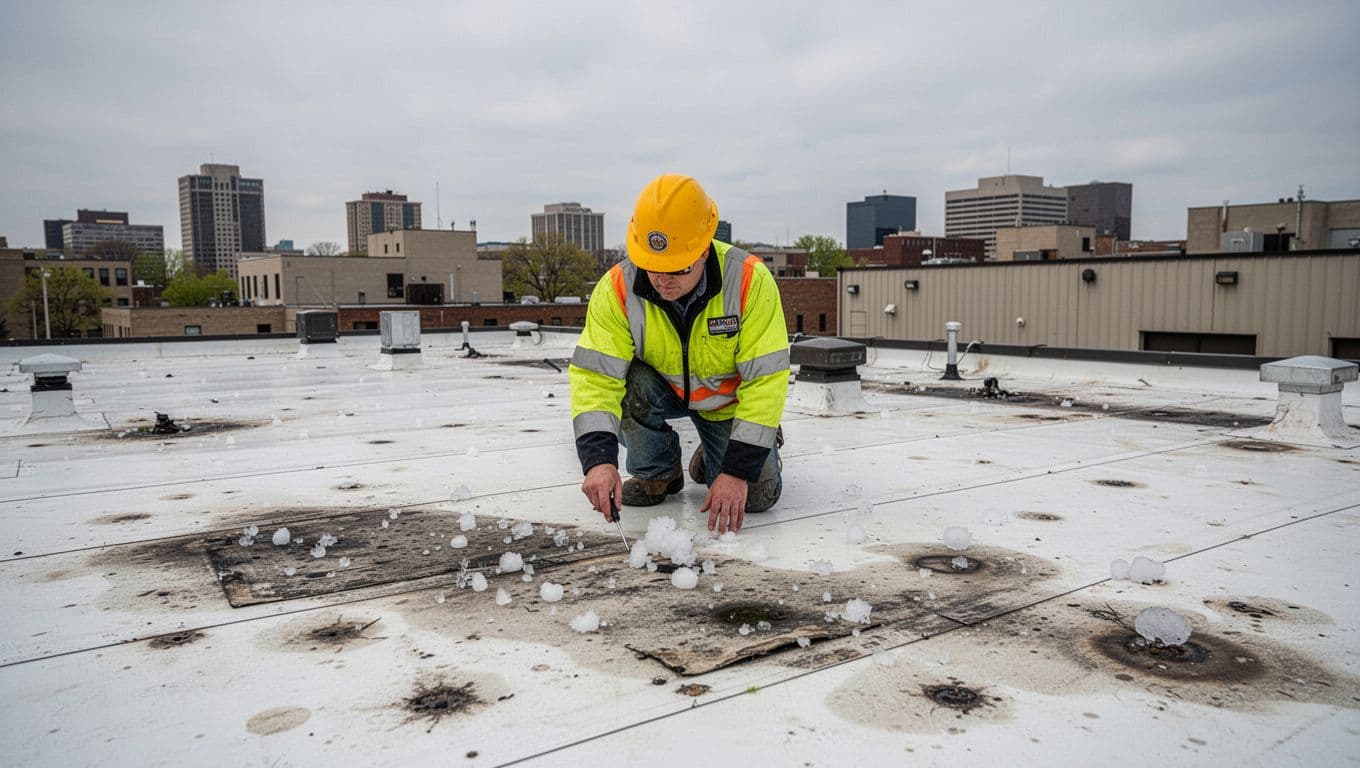
A solid inspection should document membrane bruising, open seams, flashing splits, punctures, wet insulation, and signs of prior repairs. That side-by-side view often decides whether the carrier’s old damage argument holds up.
3. Build a timeline that separates old from new
Next, create a dated file. Pull storm reports, maintenance records, tenant emails, service tickets, leak logs, and photos from before and after the event.
This is where many old damage roof claim disputes turn. If the insurer says the damage is old, ask them to show which areas are old, how they dated them, and what testing supports that position.
4. Match the fix to the damage
Your repair scope has to fit the facts. If only a small area has failed seams, flashing damage, or isolated punctures, commercial flat roof repair may be the right ask.
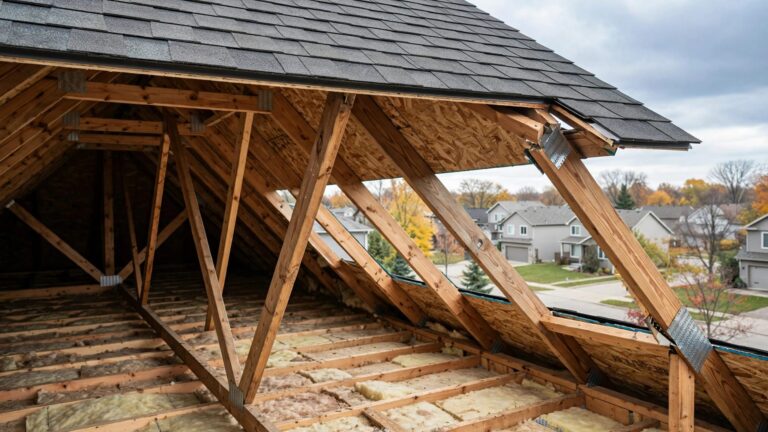
If moisture has spread through wide sections of insulation or decking, commercial roof replacement may be the better claim position. In plain terms, prove why the commercial roof needs repair now, not six months ago. Experienced Saint Paul commercial roofing experts can help document that difference.
5. Ask for reinspection or a written appeal
Request a reinspection with your roofer present. Keep the discussion on evidence, not frustration.
If the carrier still leans on old damage or wear, use a written reconsideration request. These hail claim appeal steps show how to organize photos, reports, and the claim file into a cleaner argument.
6. Escalate when code or claim handling is the real issue
Bring up code early if the repair triggers current requirements. Minnesota Statute §65A.10 may require payment for code-driven parts of a covered repair, even on an older roof.
If the insurer ignores that, move to appraisal if the policy allows it. You can also bring in a public adjuster, coverage lawyer, or file a complaint with the Minnesota Department of Commerce.
FAQ
If my roof is 20 years old, can I still get paid?
Yes, if new hail or wind caused fresh damage. Roof age may reduce payment under actual cash value terms, but it does not erase coverage by itself.
What if the insurer says wear and tear and storm damage both exist?
That happens often on older commercial roofs. The carrier should separate covered storm damage from excluded wear, not lump everything together.
When both causes are present
Ask for a marked-up roof plan that shows which conditions are old and which are recent. If they can’t draw that line clearly, the denial may be weak.
Does a leak that showed up weeks later hurt the claim?
Not always. Water can travel across a low-slope roof before it appears inside, so the first interior stain may show up well after the storm.
If the source is hidden
Moisture mapping and leak testing help connect the interior leak to the actual roof breach and timing.
Can Minnesota code upgrades be part of the claim?
Yes, sometimes. If a covered loss requires code upgrades to complete a proper repair, Minnesota law may pull that work into the claim.
Should I file a claim if I already know the commercial roof needs repair?
Only if a covered event caused new damage. Insurance is not a maintenance fund. If the roof simply aged out, it is better to plan repairs or replacement than file a weak claim.
An old roof gives insurers an argument, not an automatic win. What matters is proof of new damage, a clean timeline, and a repair scope tied to the storm.
Move fast while the roof still tells the story. Once water spreads and records go missing, even a strong claim gets harder to prove.
Need a roof inspection in Saint Paul or the Twin Cities? Call Sellers Roofing Company at +1-651-703-2336 or schedule a free estimate. We are a black-owned, NMSDC-certified MBE roofing contractor with 9+ years experience.