Last updated: 2026-08-01 by Ted Sellers, Owner
Yes, an insurer can use hail maps as part of a denial, but a hail map alone usually should not decide the claim. In a Minnesota hail roof claim, the carrier still needs roof photos, inspection findings, and policy language that fit the loss. If the map and the roof evidence clash, the physical damage matters more.
When This Applies
When a hail map helps the insurer
Hail maps often show up when the carrier argues about storm timing or location. They can show whether hail passed near your property and when it happened. That matters if the claim was filed late, the roof already had old patches, or the insurer says the damage looks older than the storm.
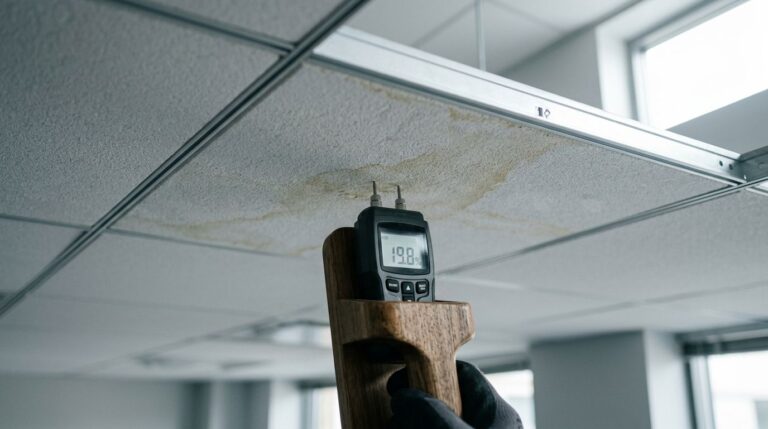
This comes up often on TPO, EPDM, metal, and modified bitumen roofs. Those systems can hide damage until water spreads under the surface. A business owner may see a ceiling stain long after the storm, while the carrier points to the map and says the event was too far away.
When the map is not enough
A hail map does not show bruises, punctures, lifted seams, wet insulation, or interior staining. It only shows storm activity in an area. If your photos, test cuts, and moisture readings point to fresh damage, the map should not replace that evidence.
A hail map can support a denial, but it doesn’t inspect a roof.
Minnesota policy details that change the answer
Policy wording still controls the claim. Deductibles, exclusions, actual cash value, replacement cost, ordinance or law coverage, and claim deadlines all affect payment. Prior repairs matter too, but they do not cancel coverage by themselves.
If the roof failed from long-term wear, poor drainage, or flood water, the hail map won’t create coverage. If the roof is old and the carrier says the problem is wear, you may still have a covered storm loss. The issue is cause, not age alone. A local inspection from commercial roofing services in St. Paul can help separate old wear from fresh hail damage.
For filing timing and early claim steps, this storm damage claim guide explains how Minnesota owners usually start the process.
Step-by-Step
1. Read the denial letter line by line
Look for the exact reason the carrier gave. Was it late reporting, wear and tear, old repairs, or a hail map that missed your property? Ask for the full claim file in writing, including photos, the adjuster report, roof diagram, and any engineering note.
Then compare those records with your own. Service invoices, leak logs, tenant complaints, and weather dates can show whether the roof was dry before the storm. If the carrier keeps pointing to a map, ask what it says about your roof, not just the storm path.
2. Match the map to the roof condition
The real question is whether the roof damage fits the event. A hail map can help with storm timing, but it cannot explain membrane splits, dented metal, failed seams, or wet insulation. Those details come from the roof itself.

On a commercial roof, the damage may not sit where the leak shows inside. Water can travel under the membrane before it shows up on a ceiling tile. That is why a hail map should never replace field photos and close inspection notes.
3. Get a roof inspection that sorts repair from replacement
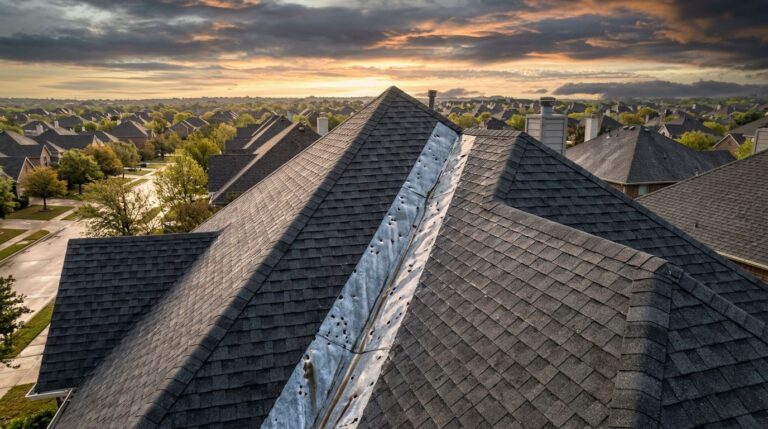
A small failure may call for commercial flat roof repair. A puncture, one bad seam, or limited edge damage can often be fixed if the rest of the roof still has life left.
Widespread wet insulation, membrane shrinkage, repeated seam failure, or damage across the field may point to commercial roof replacement. If the carrier says a patch is enough, but the contractor finds saturated insulation or damaged cover board, the scope changes fast.
If your commercial roof needs repair, the inspection should explain why, and it should show whether the work is small enough for repair or broad enough for replacement. A good inspection should include photos, moisture readings, test cuts, and marked-up roof plans. It should also separate old wear from storm-created damage. That distinction matters on a roof that already had patches, because the carrier may try to treat the whole loss as maintenance.
TPO, EPDM, and metal need different proof
Single-ply roofs often hide water under the surface. Metal roofs may show dents at fasteners, seams, or flashing before a leak appears indoors. That means the strongest file includes proof from the roof deck up, not just a weather map and a quick walk-through.
4. Submit a supplement before you accept the first payment
If the carrier missed line items, your roofer can send a supplement with photos, quantities, and code notes. That is common when the first estimate leaves out tear-off, insulation depth, edge metal, flashing, drains, or disposal.
A supplement should correct the scope. It should not add unrelated upgrades. If only part of the roof is tied to older wear, ask for partial approval instead of accepting a full denial. That approach keeps the file tied to the covered loss.
Confirm whether the check is actual cash value or replacement cost. A first payment can be short if depreciation stays recoverable until the work is finished and documented.
Temporary dry-in work protects the building. It does not weaken a valid claim.
5. Push for reinspection or appraisal if the money is still wrong
If the denial rests on a hail map while your roof evidence says otherwise, ask for a reinspection. Bring the contractor, show the photos, and walk the adjuster through the affected areas. Many disputes shrink once everyone looks at the same roof.
When the dollar gap is large, appraisal may fit if the policy allows it. Coverage counsel also makes sense on major losses, especially when the carrier ignores moisture data or code-required items. For buildings that need a broader fix, the file may move from repair to replacement, but the change should still rest on documented damage.
Permanent work should wait until the scope is clear. Temporary protection can start right away, but full tear-off and final replacement are different decisions.
Conclusion
Hail maps can help an insurer question a claim, but they do not prove a roof is fine. The stronger evidence is still the roof itself, the photos, the moisture data, and the policy language.
If the map, the denial, and the roof condition do not match, push back with a clean file. That is how a Minnesota hail roof claim gets judged on facts instead of a weather graphic.
FAQ About Hail Maps and Minnesota Roof Claims
Can an insurer deny my roof claim only because the hail map missed my address?
Usually, no. A hail map is one data point, not the whole claim. The carrier still needs a reason tied to the roof condition or the policy. If the roof shows fresh storm damage, the map alone should not carry the decision.
What if my building had old repairs before the storm?
Prior repairs do not erase coverage. The carrier has to show that the old work caused the current loss or that the policy excludes that type of damage. A roof can have old patches and still suffer a new covered hail loss.
Does emergency tarping hurt my claim?
No, as long as you document it. Most policies expect you to limit more damage after a loss. Keep photos, receipts, and notes for tarps, sealant, or interior protection. Those actions usually support the claim because they show you acted reasonably.
How do I know if I need repair or replacement?
If the damage is small and isolated, commercial flat roof repair may be enough. If insulation is wet across a wider area, seams are failing in multiple places, or the membrane has shrunk and broken down, commercial roof replacement may be the better call.
Should I challenge the denial before I start major work?
Yes, if you can do it safely. Temporary mitigation can start right away, but full permanent work should wait until the scope is clear. If the roof is actively leaking or unsafe, protect the building first, then document everything before making lasting changes.
Need a roof inspection in Saint Paul or the Twin Cities? Call Sellers Roofing Company at +1-651-703-2336 or schedule a free estimate. We are a black-owned, NMSDC-certified MBE roofing contractor with 9+ years experience.