Last updated: 2026-08-01 by Ted Sellers, Owner
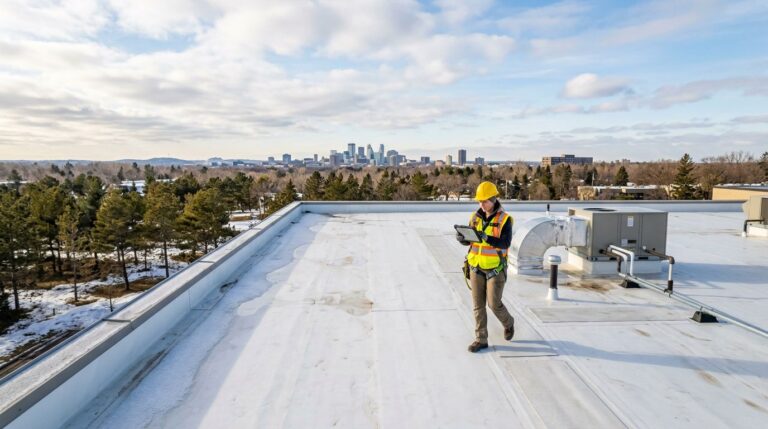
Most commercial roofing projects in Saint Paul and nearby suburbs need a roofing permit, especially any tear-off, new membrane install, or system change. Small, like-for-like fixes may be exempt, but rules vary by city and building type. Expect the city to require scheduled inspections at key points (often before concealment and at final), plus plan review for larger commercial scopes.
When This Applies
It applies to most commercial roof work (not just full replacements)
If you own or manage a commercial building, assume a permit is the default for anything beyond minor maintenance. In practice, permits get triggered when you change the roof system, open up the assembly, or affect code items like drainage, fire rating, or insulation.
Common permit-triggering scopes include a full commercial roof replacement, removing and replacing large areas of membrane, adding tapered insulation, changing a roof covering type, or modifying penetrations (curbs, vents, skylights, rooftop units). If your commercial roof needs repair because water is getting past the membrane, the moment that repair becomes more than a small patch, you’re usually in permit territory.
In Saint Paul, the city’s Department of Safety and Inspections explains how construction is regulated and why permits matter on its Building and Construction page. It’s a useful starting point for owners who want the city’s plain-language view.
Work that changes what’s “concealed” often triggers inspections
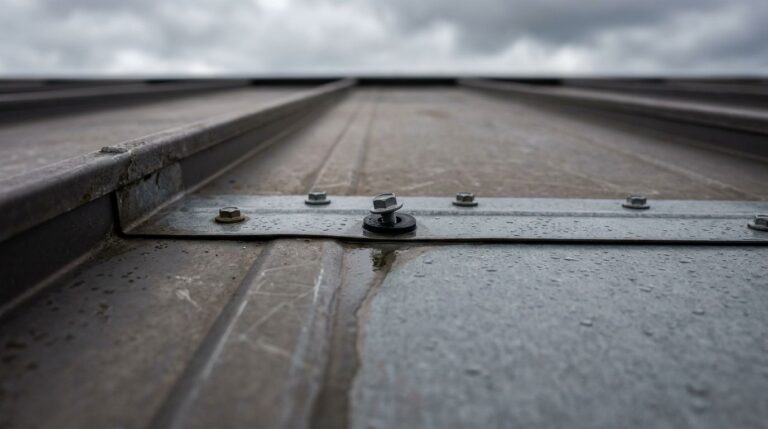
Inspectors can’t verify fasteners, cover board, or flashing details once they’re covered. If your scope will hide critical components, the city typically wants an inspection before you close it up.
It may not apply to minor, like-for-like maintenance (but confirm first)
Some small repairs can fall under maintenance, not permitted construction. Think of a limited sealant touch-up, a small membrane patch, or a minor flashing adjustment that doesn’t alter the assembly.
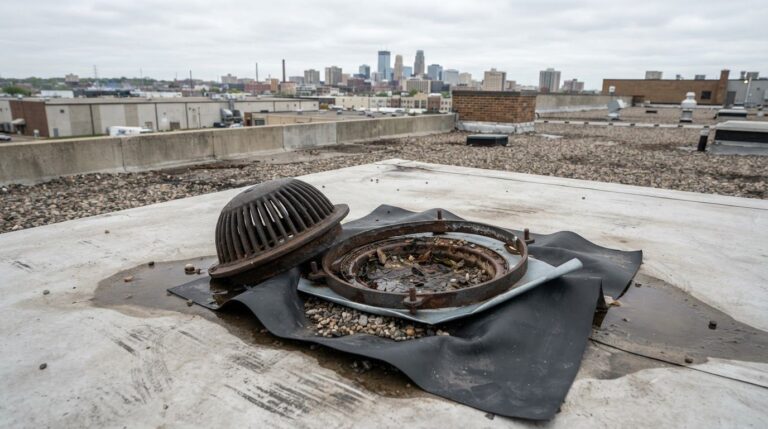
That said, “minor” is a slippery word. A recurring leak that turns into a wider cut-out and dry-in can cross the line quickly, especially on low-slope systems where water travels. Many owners start with commercial flat roof repair, then discover saturated insulation or deteriorated decking that expands the scope.
Edge case: emergency leak stops
Temporary measures (like a tarp or short-term dry-in) may be allowed without a permit, but the permanent fix often still requires one. Ask the city how they want it handled before the permanent work begins.
It’s city-specific in the suburbs, even when the code base is similar
Roseville, Woodbury, and Maplewood each enforce permits and inspections through their own building departments. Minnesota’s building code framework is consistent, but local administration varies: what forms they want, whether they require plan review for your exact scope, and how they schedule inspections.
If your building is in Saint Paul, you’ll likely interact with city permitting and inspection resources such as Building Permits and Inspections. If you’re planning rooftop equipment changes or anything that affects setbacks or use, Saint Paul also flags zoning considerations under Zoning Permits and Land Uses.
For owners budgeting a larger scope, it also helps to talk through phasing, documentation, and inspection timing with a contractor who does this daily. A good overview of local commercial options is on this page about Saint Paul commercial roofing services.
Step-by-Step
Step 1: Define the scope in permit language (so there are no surprises)
- Write a one-paragraph scope that answers: Are you doing a tear-off, recovering, or coating, are you changing insulation thickness, are you modifying drains or penetrations, and how many roof sections are involved.
- Flag anything that changes structure or safety: deck replacement, parapet work, added curbs, new skylights, or rerouted drainage.
- Decide whether this is maintenance or construction; if it’s more than a small localized fix, treat it as permit-driven from the start.
Step 1 edge case: “recover” versus “replace”
If you’re adding material over an existing roof, your city may still treat it as a replacement scope, especially if it affects weight, drainage, fire classification, or code-required insulation.
Step 2: Confirm the city process for your address (Saint Paul differs from each suburb)
- For Saint Paul projects, review the city’s current permit pathways and online options, including the Online Permits (PAULIE) portal information.
- Call the building department for Roseville, Woodbury, or Maplewood and ask two direct questions: “Do you require a roofing permit for this scope on a commercial building?” and “What inspections should we schedule, and at what points?”
- Ask whether plan review is required; larger commercial scopes often trigger plan review even when a small re-roof might not.
Step 3: Plan inspections around “before it’s covered” checkpoints
- Ask the inspector or permit desk what inspection stages apply to your system (single-ply, modified bitumen, metal, or coated roof) and your scope.
- Expect a pre-cover checkpoint when the assembly will be concealed, often after tear-off and deck prep, and before insulation or membrane is fully installed.
- If you’re adding insulation or reworking tapered packages for drainage, expect an inspection that confirms thicknesses, fastening, and slope plan match the approved scope.
- Expect close attention on flashings and penetrations, because most leaks start where the field membrane meets a wall, curb, drain, or pipe.
- Plan for a final inspection to close the permit; keep manufacturer details, photos, and any change orders ready so sign-off doesn’t stall.
Step 3 edge case: phased installs on occupied buildings
If you’re keeping tenants open, your contractor may stage sections. Ask the city if they’ll inspect per phase, and how they want inspection requests labeled so each area can be approved as it’s completed.
FAQ: Roofing permits and inspections for commercial owners
Do I need a permit for a roof coating on a flat roof?
It depends on whether the coating is considered maintenance or a roof system change. If the coating is part of a warranted restoration system, involves prep that exposes the assembly, or changes code items (like drainage details), many cities treat it as permitted work. Confirm with the local building department before ordering materials.
What happens if work starts before the roofing permit is issued?
Cities can issue a stop-work order, require a permit to be pulled after the fact, add fees, and require extra inspections or documentation. The bigger risk is operational: if you can’t pass an inspection, you may have to remove new work to prove what’s underneath.
If the job is already underway
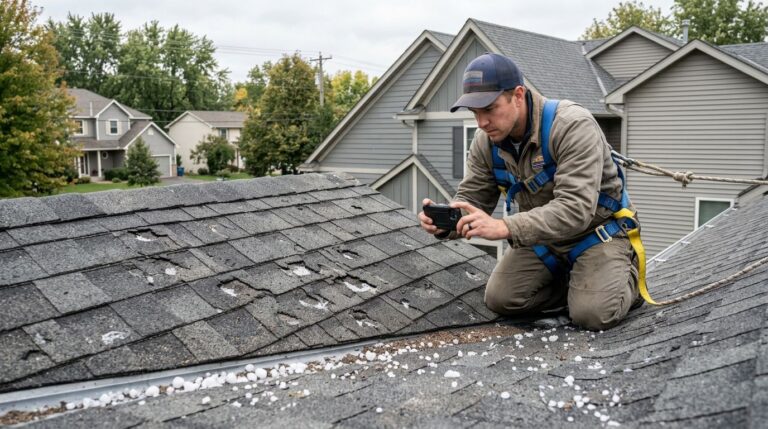
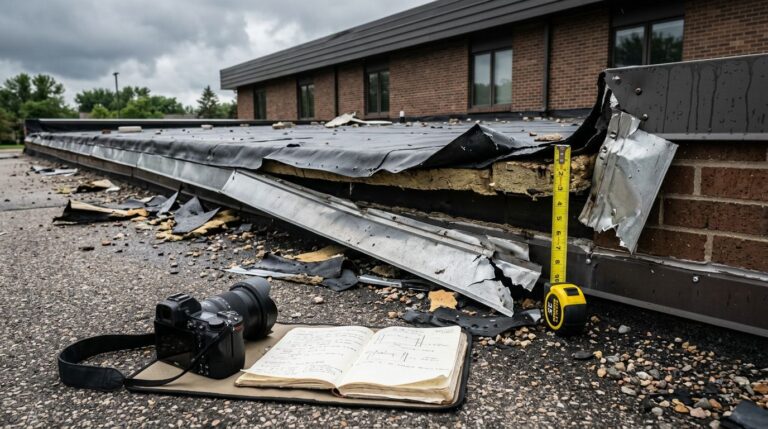
Document conditions immediately with photos, product labels, and daily notes, then contact the city to get a path forward that keeps the building watertight.
Will inspections slow down my schedule?
They can if they’re treated as an afterthought. If inspection windows are built into the sequence, they usually don’t add much time. The delays come when crews are ready to cover work and the inspection can’t be scheduled quickly, or when the inspector needs proof of what was installed.
I’m in Roseville, Woodbury, or Maplewood. Are inspections the same as Saint Paul?
The inspection themes are similar, but the exact checkpoints and paperwork can differ. One city may want a mid-roof inspection; another may focus on final with strong photo documentation. Always ask for the inspection list when the permit is issued so the field crew knows the required stops.
How do I know if my commercial roof needs repair or a full replacement?
If leaks keep returning, insulation is saturated, the membrane is brittle or shrinking, or there are widespread flashing failures, repairs tend to multiply. A targeted commercial flat roof repair can make sense for isolated damage, but a recurring-leak pattern often points toward commercial roof replacement planning, which almost always requires a permit and formal inspections.
Getting the roofing permit details right upfront turns a stressful roof project into a controlled one. Call your city early, line up inspections before materials arrive, and insist on clear documentation as the roof goes on. The goal is simple: a watertight system that passes inspection without rework and protects your building for years.
Need a roof inspection in Saint Paul or the Twin Cities? Call Sellers Roofing Company at +1-651-703-2336 or schedule a free estimate. We are a black-owned, NMSDC-certified MBE roofing contractor with 9+ years experience.