Last updated: 2026-08-01 by Ted Sellers, Owner
Yes, you can file a roof insurance claim for a second roof claim in Minnesota if the later storm caused fresh storm damage. The claim has to tie to that second event, not to old wear, an unfinished repair, or a leak already in the first file.
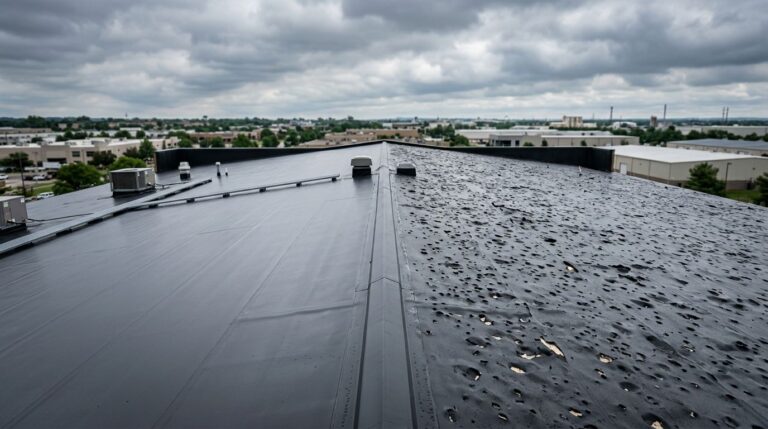
For commercial buildings in the Twin Cities, that line matters. A roof can look fine from the curb and still hide new punctures, lifted flashing, or wet insulation. If your commercial roof needs repair after another storm, the date of loss and the proof usually decide the claim.
Key Takeaways
- You can file a second roof insurance claim in Minnesota for fresh storm damage—like new hail dents, torn seams, or lifted flashing—after the first claim closes, as long as it ties to a separate date of loss.
- Compare new damage patterns to the old file using photos, moisture maps, and inspections; old wear, neglect, or upgrades do not qualify as covered storm loss.
- Document the storm date, weather data, and scope early, then decide between a new claim or supplement if the first file is open—prompt filing avoids causation disputes.
- Insurers push back on mixed repairs or maintenance issues; strong evidence like core cuts and contractor scopes separates new loss from prior problems.
- For commercial roofs in the Twin Cities, low-slope designs hide damage—hire licensed experts for leak detection and precise repair math under Minnesota statutes.
When This Applies
A second roof insurance claim makes sense when the first loss is closed and the later storm creates a separate damage pattern. Minnesota does not bar a new roof insurance claim just because you’ve filed before. What matters is whether the roof changed after the second storm.
A second claim works when the second storm caused fresh damage
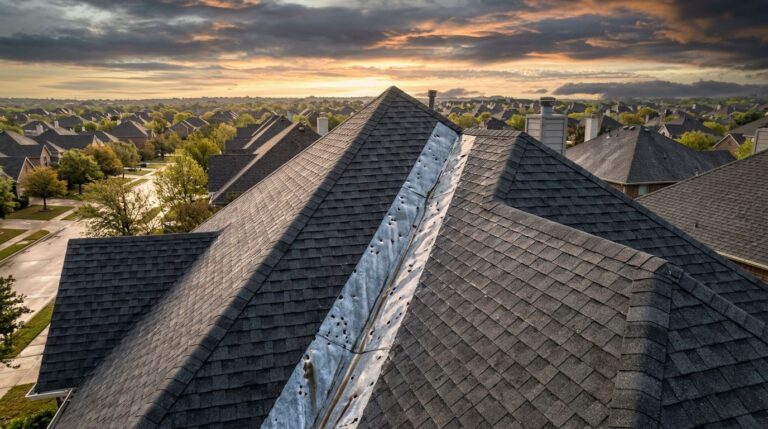
If hail damage, wind damage, or falling debris hit the building again, that can support a new file. The same is true when the first claim paid for one area and the next storm caused hail damage or wind damage to a different section of the roof.
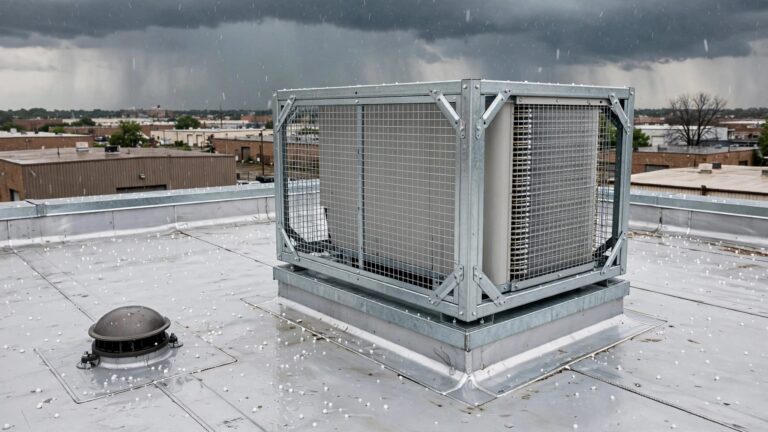
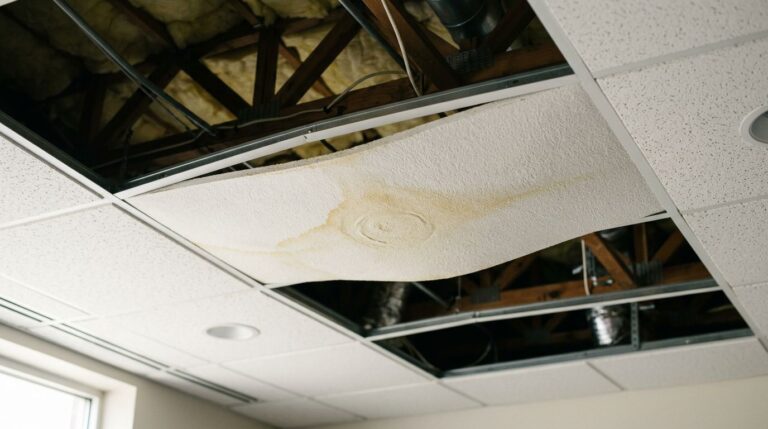
Low-slope roofs often make this harder to see. Water can travel under seams, around rooftop units, or behind edge metal before it shows inside. If the leak path is unclear, a roof inspection via commercial roof leak inspection in the Twin Cities can help sort out whether you are looking at new storm damage or an old stain.
If the storm date changed, the loss file should change too.
When it doesn’t fit
A second claim is weak when the real issue is age, wear, bad maintenance, or a repair upgrade you want anyway. A new membrane, more insulation, or a redesigned drain layout usually belongs outside the covered loss unless the policy says otherwise.
Old wear, maintenance, and upgrades
| Situation | Best move | Why it fits |
|---|---|---|
| Another storm caused new roof damage after the first claim closed | File a second claim | It is a separate date of loss |
| The first claim is still open and the new damage belongs to the same event file | Ask about a supplement | The carrier may need the scope updated |
| You are fixing old wear, neglect, or a planned upgrade | Treat it as maintenance | It is not new storm damage |
| The roof now needs more work than a patch | Recheck the scope | The job may move into repair or replacement |
| Granule loss from fresh hail damage | File a second claim, waive the deductible if policy allows | Indicates distinct new hail damage (contractors must follow Minnesota Statute 325E.66) |

For a commercial property owner, the key question is simple. Did the later storm create fresh damage, or are you trying to reopen an older problem?
Step-by-Step
1. Confirm the new storm date
Start with the storm date for your roof insurance claim. Save weather reports, storm alerts, photos, and any tenant or staff notes that pinpoint when the roof damage occurred. If the second storm hit after the first roof insurance claim closed, keep those records separate from the old file.
2. Compare the new damage with the first file
Pull the old estimate, repair invoices, and adjuster notes. Then compare them with the roof as it sits now, defining the scope of loss. The carrier will look for what changed, so your job is to show fresh storm damage, not a repeat of the last roof insurance claim. Consider hiring a public adjuster to help document the scope of loss accurately.
What to pull from the file
Use the documents that show condition and movement, not just the final bill. Photos, moisture readings, core cuts, roof diagrams, and leak logs all help show where the new storm hit and how far the damage spread.
3. Decide whether it is a second claim or a supplemental claim
If the second storm happened after the first file was settled, a new roof insurance claim is usually the right move. If the first claim is still open, ask whether the extra damage belongs in a supplemental claim instead.
A when to file a roof claim in Minnesota guide is useful here because many policies want prompt notice even when the legal window is longer. Waiting gives the insurer room to argue about causation.
4. Document before permanent work starts
Temporary dry-in work is fine. Put tarps over open areas, protect the interior, and keep receipts for emergency steps from a licensed contractor. Do not throw away wet insulation or membrane pieces before someone records them, unless safety makes removal necessary.

That kind of record keeping matters because roof damage changes fast after rain, sun, and foot traffic.
5. File the claim with a clean scope
Send one package with the storm date, the damage photos, the licensed contractor scope, and the repair math. Compare line items, not just totals. Look at membrane squares, insulation thickness, tear-off, flashing, drains, disposal, and permits.
Also check whether the policy pays actual cash value first or replacement cost value later. Actual cash value accounts for depreciation upfront, while replacement cost value allows you to recover recoverable depreciation once repairs are complete. If the file is underpaid, the Minnesota Department of Commerce claim settlement guidance explains the appraisal clause and other next steps to fight a claim denial.
If the carrier trims the estimate, ask for the reason in writing and answer with photos, measurements, or a reinspection.
When the scope grows
If the report shows wet insulation, damaged edge metal, or code-required items like ice and water shield and building code upgrades under ordinance or law, the job can move from commercial flat roof repair to full roof replacement. A written scope from Saint Paul commercial roof contractors helps show why the price changed, which items belong to the covered loss, and why full roof replacement may be necessary.
How insurers tell a new loss from an old problem
The evidence that matters most
Insurance adjusters carefully evaluate evidence during a roof inspection to separate new storm damage from old problems in a roof insurance claim. They usually want a storm date, weather data, and roof photos that match the damage pattern from hail damage or wind damage. Fresh hail dents on metal, torn seams, lifted flashing, and new punctures carry more weight than a general claim that the roof was already in bad shape.
That is why a clean paper trail matters on large roofs. The insurance adjuster will require proof of loss to document the storm damage, especially since wind and hail deductible structures often apply and can affect the overall payout. Water may travel far before it shows inside, so moisture maps, field measurements, and core cuts can tie the inside damage back to the roof opening.
Why carriers push back
Insurance adjusters push back on these roof insurance claims when they spot old patches, neglected leaks, and mixed repair methods that suggest the roof failed from age or poor maintenance. Common points of contention include the color match requirement for replacement materials and the 25 percent rule, both of which frequently lead to claim denial.
Under Minnesota Statute 65A.01, which sets policy standard requirements, carriers also scrutinize wind and hail deductible applications to ensure they only cover verifiable new storm damage rather than longstanding issues.
Frequently Asked Questions
Can I file a second roof claim in Minnesota after a prior storm claim?
Yes, if the second storm caused fresh, separate damage after the first claim closed. The key is proving a new date of loss with weather reports, photos, and inspections showing distinct hail or wind patterns, not repeats of old issues. Minnesota law does not bar repeat claims for verifiable storm events.
What separates new storm damage from old wear in a second claim?
Fresh damage shows as new punctures, granule loss, or torn seams tied to the recent storm date, backed by moisture readings and core cuts. Old wear involves granule loss from age, neglected leaks, or patchy repairs without a matching storm event. Adjusters rely on this evidence to approve coverage under wind/hail deductibles.
Should I file a new claim or a supplement for additional roof damage?
File a new claim if the second storm hit after the first settled; use a supplement if the original file is open and damage belongs to the same event. Compare scopes, invoices, and adjuster notes to define changes—waiting risks insurer arguments on causation. A public adjuster or contractor guide helps clarify the right path.
What steps do I take before filing a second roof insurance claim?
Confirm the storm date with reports and notes, then document current damage versus the old file using photos and measurements. Perform temporary dry-in but preserve evidence like wet insulation; get a licensed contractor’s scope for membrane, flashing, and code items. This clean paper trail counters denials on maintenance or depreciation.
Why do insurers deny second roof claims on commercial buildings?
Denials often stem from unproven causation, like leaks from poor maintenance or color mismatch rules, rather than new storm hits. Carriers scrutinize large roofs for mixed repairs under Minnesota Statute 65A.01 and the 25 percent rule. Fight back with written reinspection requests, appraisal clauses, or Commerce Department guidance.
Need a roof inspection in Saint Paul or the Twin Cities? Call Sellers Roofing Company at +1-651-703-2336 or schedule a free estimate. We are a black-owned, NMSDC-certified MBE roofing contractor with 9+ years experience.