Last updated: 2026-08-01 by Ted Sellers, Owner
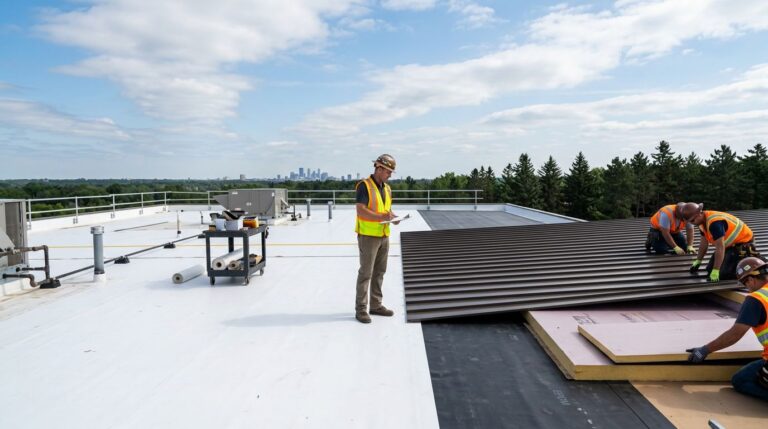
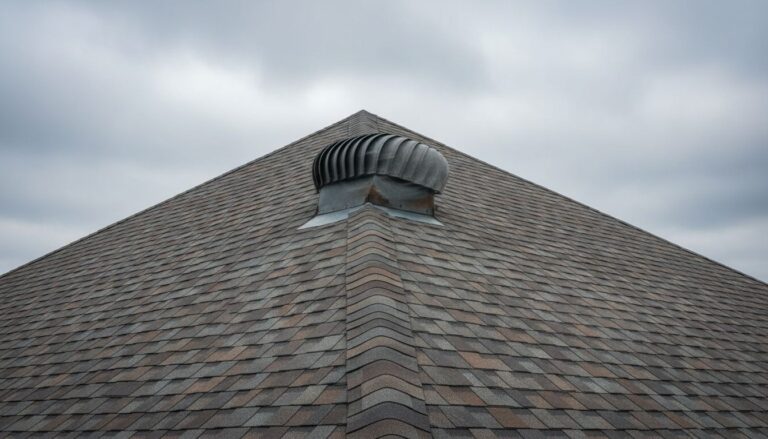
Identifying hail damage is critical for maintaining a standing seam metal roof. Standing seam hail damage usually shows up as fresh dents in the flat pans, bruised ridges near the seams, chipped coating that exposes bare metal, and bent edge metal or flashing. The quickest way to confirm it is to compare impact marks across multiple metal panels, then check seams, penetrations, and transitions for movement or openings. Document everything with photos before any temporary fixes.
When This Applies
You should use this guide if you own or manage a commercial building with standing seam metal roof
This applies to commercial business owners and property managers who have standing seam metal roofing and recently had hailstones from a hail event nearby. It’s most helpful when you’re deciding whether you’re looking at cosmetic denting or hail damage that can shorten roof life.
It also applies when you see new interior water staining, but can’t find an obvious entry point. With metal, water often travels before it drips. That’s why a panel that “looks fine” can still be part of a leak path.
For storm follow-up planning, it helps to understand how metal performs in hail testing and rating systems like UL 2218 for impact resistance. Sheffield Metals has a clear overview of how metal roofing is tested for hail.
When this does not apply (and common exceptions)
This does not apply if your roof is not standing seam (for example, panels with exposed fasteners, asphalt shingles, membrane systems, or built-up roofs). It also won’t help much if the “damage” you see is old, since aged dents can blend into weathering.
A few edge cases can fool even careful eyes:
- Pre-existing “oil canning” (wavy-looking flat areas) can resemble wide dents.
- Foot traffic dents often form in lines near walk paths or service points.
- Thermal movement can stress trim over time, even without hail.
If the mark has sharp edges, chipped finish, or consistent impact direction, treat it as suspect. Soft waves without coating breaks often point to manufacturing or movement, not hail.
To quickly identify functional damage, use this quick comparison.
| What you see on the roof | Often cosmetic | May be functional (needs action) |
|---|---|---|
| Shallow dents in flat pans | Yes, if coating is intact | If dents crease metal or collect debris |
| Chipped paint or exposed metal | Rarely | Yes, corrosion risk starts here |
| Seam distortion or “kinked” ribs | No | Yes, can affect water shedding and locks |
| Bent flashing at edges or penetrations | No | Yes, common leak entry point |
| Interior leaks after the storm | No | Yes, assume a breach until proven otherwise |
The takeaway: coating breaks, seam movement, and flashing damage matter more than dent count.
Step-by-Step
Prepare to inspect safely and protect your documentation
- Confirm timing and scope by checking when the storm hit your property, then inspect as soon as conditions are safe and dry. Fresh hail marks look cleaner than older scuffs.
- Set safety boundaries first. Keep untrained staff off the roof, and arrange a professional roof inspection with fall protection. If access is unsafe, stop and schedule experts.
- Photograph wide, then close. Start with building-wide shots, then move to close-ups with a consistent reference (coin, tape, or gloved fingertip) to show scale.
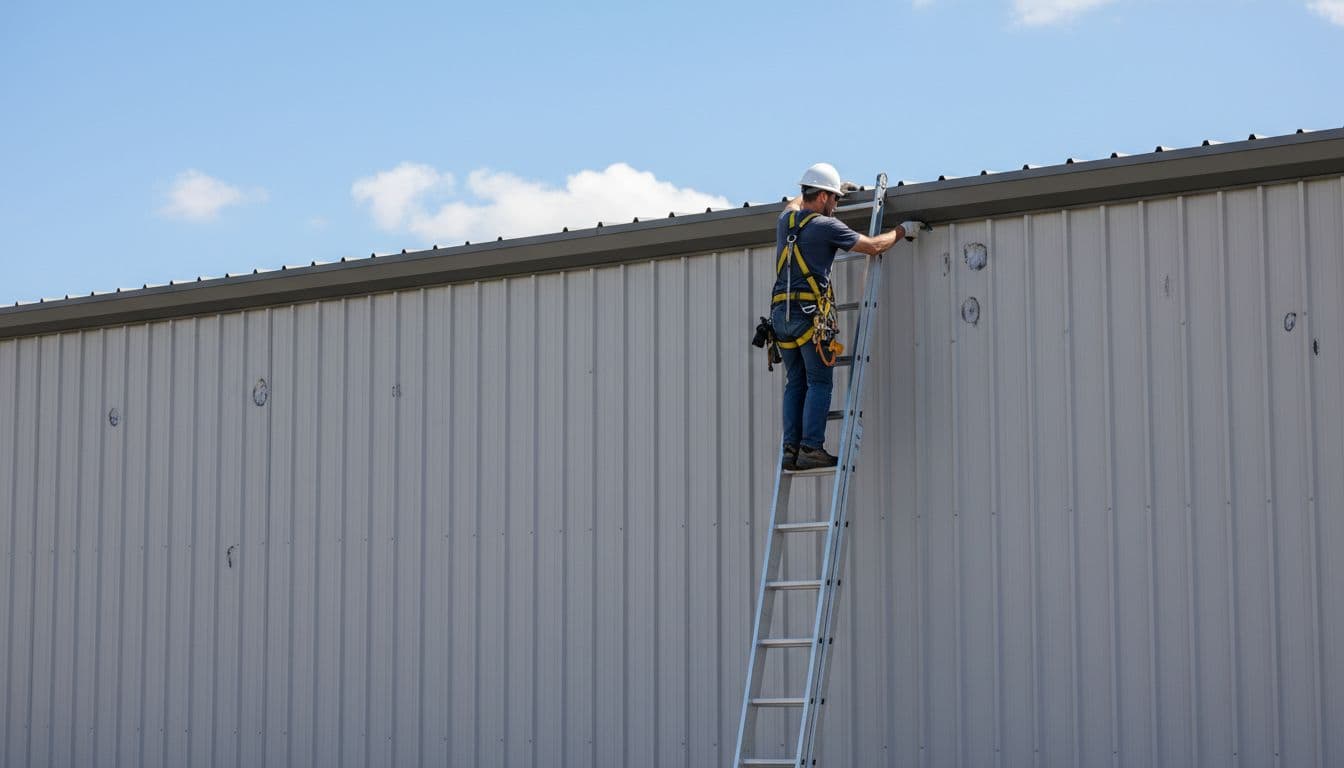
Don’t wash panels or “test” dents by rubbing. Light cleaning can erase impact evidence that helps your claim and your repair plan.
Inspect the panels for impact patterns that point to hail damage
- Scan for a consistent impact field across multiple metal panels. Hail usually creates a scattered pattern, not a single isolated dent.
- Check the flat pans and striations at low angles (morning or late-day light helps). Walk your eyes along the reflection between rib rollers; dents jump out when light skims the surface, though metal thickness and roof slope influence visibility and severity.
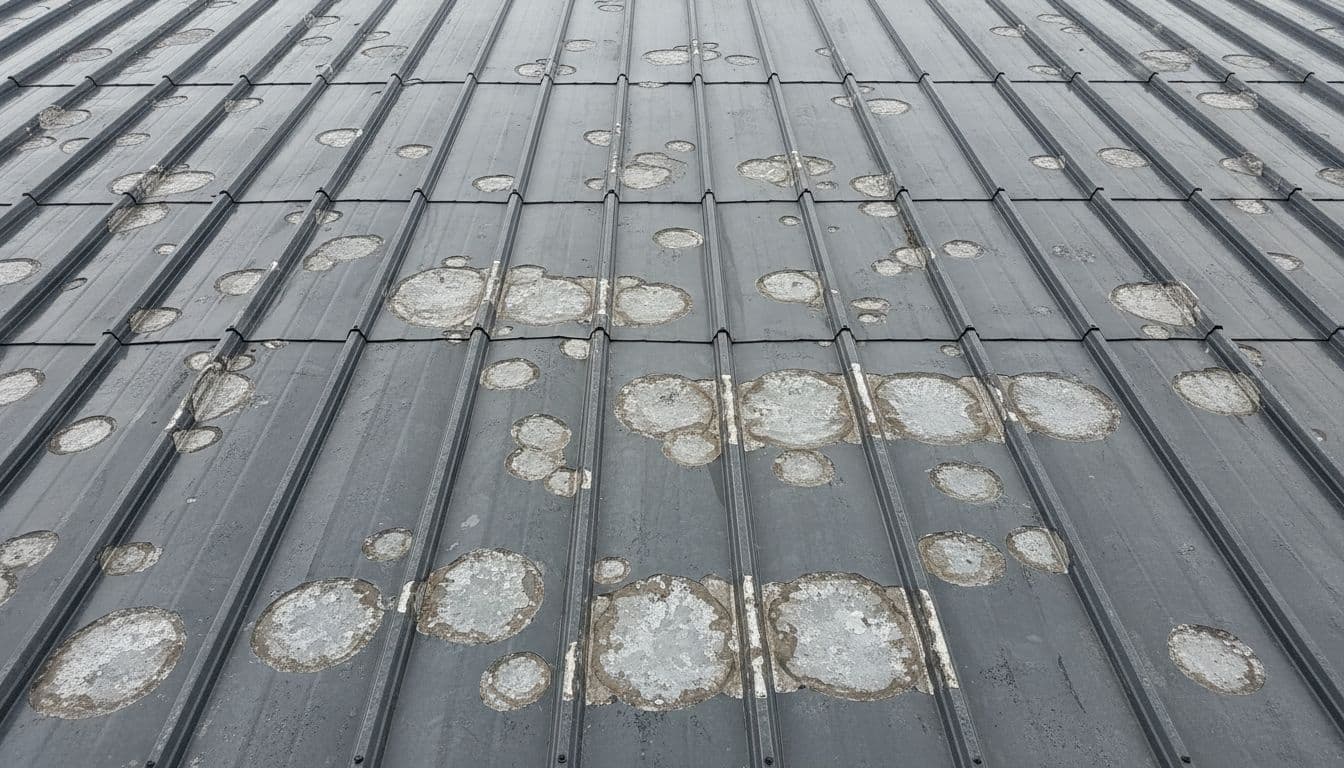
- Look for coating damage around dents. Chips, spidering, or bare galvalume under a Kynar coating along an impact rim raises the risk of oxidation.
- Compare elevations and orientations. Impacts often hit one roof face harder due to wind direction. If only one area is marked, verify it’s not foot traffic.
Check seams, flashing, and roof details where leaks start
- Inspect seam ribs and ridge caps for kinks or flattening, especially near panel ends, eaves, and areas below taller walls. A deformed rib can signal the lock took impact stress, even with the protection of concealed fasteners.
- Examine penetrations and curbs (HVAC, vents, skylights). Hail can bruise counterflashing, crack sealant beads, or dent soft metals around boots.
- Look closely at edge metal and gutters. Dents here aren’t just cosmetic, they can change drainage and push water back toward laps.
- Inspect transitions to other roof types. Many commercial buildings combine metal with membrane sections. If hail hit the metal hard, you may also need commercial flat roof repair at adjoining details.
For a deeper look at common standing seam hail damage scenarios and what they mean, see this guide to standing seam metal roof hail damage.
Confirm whether damage is cosmetic or if your commercial roof needs repair
- Look for functional clues inside the building within days of the storm, including new ceiling tile stains, musty odors, or wet insulation at roof hatches.
- Track any active leaks to likely roof zones, but don’t assume the drip location equals the entry point. Water travels along purlins, synthetic underlayment, and the roof deck.
- Order leak tracing when symptoms don’t match visible damage. Professional testing can prevent costly “guess and patch” work. If you suspect hidden breaches, schedule commercial roof leak detection after hail.
- Decide on the right fix based on what you find, considering denting vs puncturing. Minor coating breaks may need spot treatment, while seam deformation, widespread finish failure, or repeated leaks can justify commercial roof replacement.
- Get a commercial scope that fits operations. A good plan spells out access, staging, and how work avoids business downtime. Start with an assessment through a local team that handles commercial roofing services in Saint Paul.
FAQ
Will insurance pay for dents if the roof still doesn’t leak?
Coverage depends on your policy and whether the carrier treats the dents as cosmetic or functional during an insurance claim. Claims tend to go smoother when you document coating breaks, seam deformation, or displaced flashing, not just dent count. A qualified inspection report helps connect impacts to performance risk. Keep in mind the difference between actual cash value payouts, which account for depreciation, and replacement cost coverage, which funds full restoration without deductions.
If the dents are “only cosmetic”
Even cosmetic-only findings may still matter if the finish is compromised, particularly without a cosmetic damage waiver. Exposed metal can corrode and shorten panel life.
How can I tell hail dents from foot-traffic dents?
Foot traffic often forms a path: repeated marks near ladders, hatches, or HVAC service areas. Hail damage from large hailstones shows random spacing and hit soft metals too, such as flashing and gutter sections. Also, hail frequently leaves tiny coating chips at the dent rim.
What if hail hit my standing seam roof and my tenant reports leaks on a different side?
That’s common. Water can enter near a seam, wall, or penetration, then travel before it shows up inside. Treat the report as urgent because moisture spreads fast in insulation and can raise energy costs.
Can hail damage void my metal roof warranty?
It can, depending on warranty terms and whether repairs maintain the weather-tight integrity per manufacturer guidance. Keep photos, dates, and contractor notes. Avoid unapproved sealants or aggressive field fixes that change panel movement.
When do you repair panels versus replace them?
Repair makes sense when damage is isolated and the roof system still sheds water as designed, such as with snap lock panels showing minor dents. Replacement becomes more likely with mechanical lock panels when seams deform, coatings fail across many panels, or leaks repeat after storms. If you’re already budgeting for other work, combine the scope with related needs like commercial flat roof repair at transitions to avoid chasing problems twice.
Conclusion
Hail can bruise a standing seam metal roof like a dented car hood, but the real risk comes from standing seam hail damage that shifts seams, breaks coatings, or distorts flashing. Document the pattern, inspect details where water enters, and confirm performance with leak detection when symptoms don’t match what you see. If your hail damage is significant or your commercial roof needs repair, seeking professional help is the best way to ensure long-term performance; acting early often costs less than waiting for interior damage to spread.
Need a roof inspection in Saint Paul or the Twin Cities? Call Sellers Roofing Company at +1-651-703-2336 or schedule a free estimate. We are a black-owned, NMSDC-certified MBE roofing contractor with 9+ years experience.