Last updated: 2026-08-01 by Ted Sellers, Owner
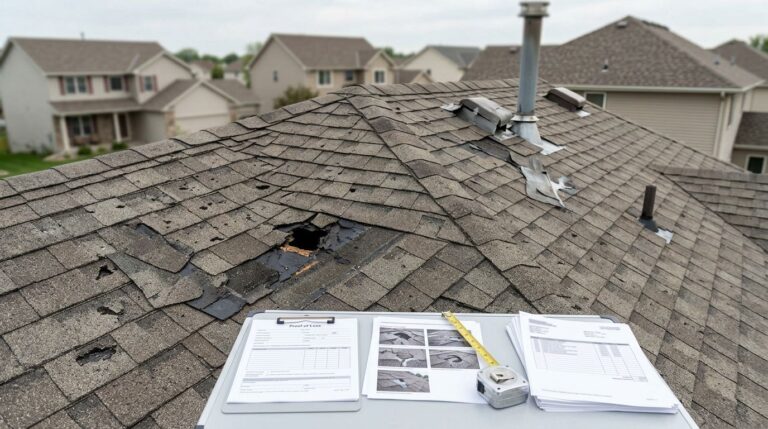
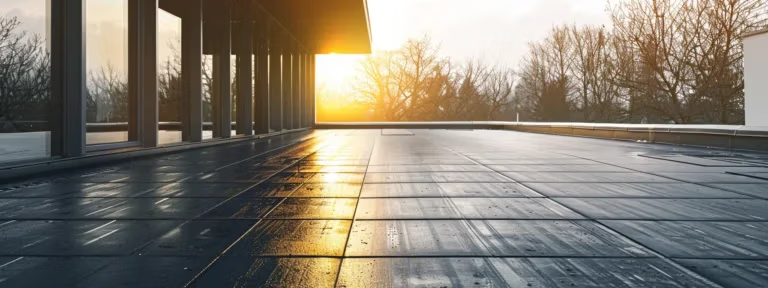
Commercial TPO leak detection works by combining surface inspection with moisture-mapping tools that “see” what your eyes can’t. Pros look for seam and flashing failures, then use infrared thermography to locate wet insulation patterns and electronic leak detection to pinpoint the exact hole in the membrane. The goal is simple: find the true entry point, not just where water shows up inside.
When This Applies
Best fit for low-slope TPO roofs with hidden moisture risk
This applies to most commercial buildings with low-slope TPO, especially where water can travel sideways before it drips inside. In other words, the stain on a ceiling tile is often the last clue, not the first.
Leak detection is most useful when:
- You’ve had recurring leaks after commercial flat roof repair, and the fix didn’t hold.
- The roof has many penetrations (HVAC curbs, vents, skylights) or lots of edge metal.
- You suspect wet insulation but don’t want guesswork or random tear-outs.
- You’re planning budgeting for a major project and need to know whether commercial roof replacement is truly necessary.
Saint Paul winters also raise the stakes. Freeze-thaw cycles stress seams, sealants, and terminations, while ice and debris can slow drainage. When water lingers, tiny membrane flaws turn into bigger problems.
For an overview of what a documented process can look like on commercial roofs, see this commercial roof leak detection guide.
Fast interior clues that support a roof-origin leak
Interior symptoms don’t confirm the roof is the only cause, but they help narrow timing and location:
- Stains that grow after rain or after snow melt
- Odors or humidity spikes near exterior walls
- Drips that appear far from the stain (water follows structure)
When the usual methods don’t apply, or need extra care
Some conditions make detection harder, or they change which tools work best.
Electronic methods depend on roof assembly details. Infrared depends on weather and timing. Water testing depends on access and containment. That’s why a good contractor chooses tools like a mechanic chooses sockets, the wrong one rounds the bolt.
Common edge cases and exceptions
- Occupied spaces with sensitive equipment: Controlled water tests may be avoided.
- Ballasted overlays or heavy rooftop layers: Infrared may not “read” the assembly well.
- Recently soaked roofs: Wetness can spread, which blurs the true source.
- Metal roofs, steep-slope sections, or wall leaks: The problem may not be in the TPO field membrane at all.
If your building team already suspects the roof, start with a dedicated service page on commercial roof leak detection in Saint Paul so you know what a thorough evaluation should include.
Step-by-Step
How pros prep a TPO roof for accurate leak finding
- Confirm the roof type and assembly. Crews verify it’s TPO, then note attachment type (mechanically fastened, fully adhered), insulation layers, and whether there are older membranes below.
- Review leak timing and building conditions. They compare where water appears inside with wind direction, rainfall, drifting snow, and HVAC run cycles.
- Walk the roof and flag likely entry points. TPO leaks often start at details, not in the wide-open field.
Where TPO leaks most often start
- Check heat-welded seams first. Seam failure can be obvious (lifted edge) or subtle (pinholes at the weld edge). Techs probe and inspect weld continuity, especially at end laps and angle changes.
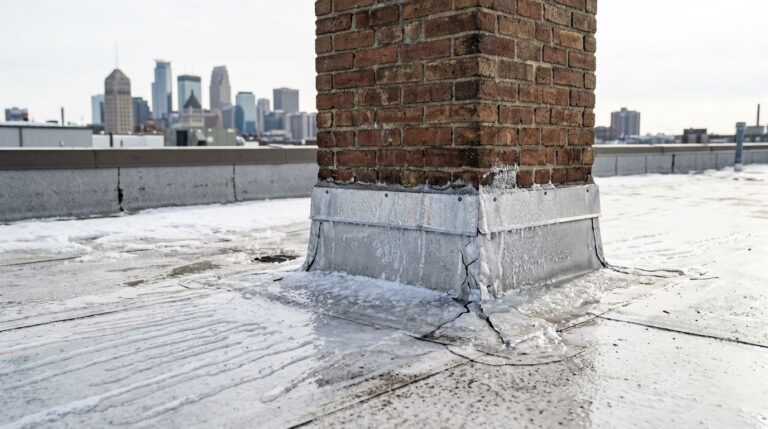
- Inspect penetrations and curbs. Pitch pockets, boots, and curb flashings fail from movement and aging sealant. Rooftop service traffic also causes punctures nearby.
- Study perimeter edges and terminations. Coping joints, termination bars, wall flashings, and counterflashing can open up. Wind-driven rain exploits those gaps.
How moisture mapping narrows the search area
- Scan with infrared thermography when conditions are right. Wet insulation holds heat differently than dry areas. After a sunny day, crews often scan at dusk or early morning to spot “hot” patterns that suggest trapped moisture. In 2026, many teams also use drones to cover large roofs faster, then stitch images into a roof map.
- Interpret results with restraint. Infrared shows temperature patterns, not a guaranteed leak hole. Techs cross-check anomalies against drains, rooftop units, shaded zones, and known thermal bridges. Industry practice often references standards such as ASTM C1153 for scanning guidance.
If you want a practical overview of inspection habits and what gets checked on TPO, this TPO roof inspection checklist guide offers a useful baseline.
How electronic leak detection finds the exact breach
- Use electronic leak detection (ELD) to pinpoint the opening. This method applies a low electrical charge and uses a sensor to locate where current “escapes” through a hole in the membrane. It’s especially helpful when the roof looks fine but still leaks.
- Set up the test correctly. Crews isolate the test area, confirm grounding, and make sure the surface condition fits the method. Depending on the system, the membrane may need to be slightly wet to conduct properly.
If infrared is the “map,” electronic testing is the “address.” Used together, they reduce wrong tear-outs and repeat repairs.
How pros confirm severity and choose the right fix
- Verify with selective cuts or core samples. When readings suggest wet insulation, contractors may take small samples to confirm moisture depth and deck condition. This step prevents patching over a saturated assembly.
- Document findings for decisions and warranties. Good reports include photos, roof-plan notes, and clear repair scopes. That paperwork matters if a commercial roof needs repair now, or if you’re building a case for restoration versus replacement.
- Match the repair to the cause. A single seam defect may need a welded patch. A failing curb may require flashing rebuild. Widespread wet insulation may push the decision toward a larger section replacement, coating strategy, or full commercial roof replacement.
For business owners who want a local team that handles both detection and repairs across systems, start with Saint Paul commercial roofing services.
FAQ
Can’t we just patch where the water shows up inside?
Water on a ceiling tile is like smoke in a hallway, it tells you there’s a fire, not where it started. On low-slope TPO, water can travel along the membrane, seams, insulation facer, or deck ribs before it drops inside. That’s why professional detection focuses on finding the entry point, then confirming the damage footprint.
What happens if infrared shows moisture, but the roof isn’t leaking today?
Infrared can reveal trapped moisture from an older event, even if you have no active drip. That still matters because wet insulation loses R-value and can speed up membrane aging. Contractors usually confirm with ELD, probing, or small core samples before recommending major work.
When “old moisture” still triggers repairs
If wet areas sit near seams, curbs, or drains, repairs often prevent the next leak cycle.
Is electronic leak detection safe around rooftop equipment?
Yes, when trained crews set it up correctly. ELD uses controlled voltage and defined grounding. Techs also isolate test zones to avoid false readings. If your roof has sensitive areas, ask what method they plan to use and how they’ll protect equipment.
How long does TPO leak detection take on a typical commercial building?
Many projects fit into a half day to a full day, but it depends on roof size, access, number of penetrations, and whether the weather supports infrared scanning. If crews need multiple methods (infrared plus ELD plus sampling), expect more time, but also fewer repeat visits.
At what point should we stop repairing and plan for replacement?
If leaks are recurring, insulation is consistently wet, or details are failing across many areas, repeated commercial flat roof repair can turn into chasing your tail. A solid contractor will show you the moisture map, explain repair limits, and outline when a phased plan or full replacement protects the business best.
Conclusion
TPO leak detection works best when it’s treated like diagnosis, not guessing. Visual checks find obvious flaws, infrared highlights hidden wet zones, and electronic testing pinpoints the exact breach. If your commercial roof needs repair, a documented detection process helps you spend money once, instead of paying for the same leak twice.
Need a roof inspection in Saint Paul or the Twin Cities? Call Sellers Roofing Company at +1-651-703-2336 or schedule a free estimate. We are a black-owned, NMSDC-certified MBE roofing contractor with 9+ years experience.