Last updated: 2026-05-26 by Ted Sellers, Owner
Turbine Vent Technology for Optimal Home Ventilation: How Whirlybird Roof Vents Improve Attic Airflow and Energy Efficiency
Attic temperatures can soar above 150°F in summer, driving up cooling bills and accelerating moisture damage in roofing materials. This article explains how turbine vent technology—often called whirlybird roof vents—provides a passive, wind-powered solution to extract heat, humidity, and pollutants from attic spaces.
You’ll discover what turbine vents are and how they work, the energy-saving and air-quality benefits, comparisons with other ventilation systems, guidance on selecting the right model, best installation practices, maintenance tips, and answers to the most common homeowner concerns.
What Are Turbine Roof Vents and How Do They Work?
Turbine roof vents are wind-driven ventilators that spin a multi-finned rotor to create a vacuum effect, extracting hot, stale air and moisture from attics. This mechanism relies purely on airflow dynamics to improve attic comfort and protect roofing materials. For example, a well-placed turbine vent can reduce attic peak temperatures by up to 50°F, directly lowering indoor cooling loads.
Evaluation of the Performance of Attic Turbine Ventilators
A study conducted in 1989 found that turbine ventilators increased ventilation rates by approximately 15% and reduced attic air temperatures by a small amount. The study also noted that the effectiveness of the ventilator was dependent on wind direction.
This research provides evidence of the effectiveness of turbine vents in improving attic ventilation and reducing temperatures, which supports the article’s claims about their benefits.
What is a turbine vent or whirlybird?
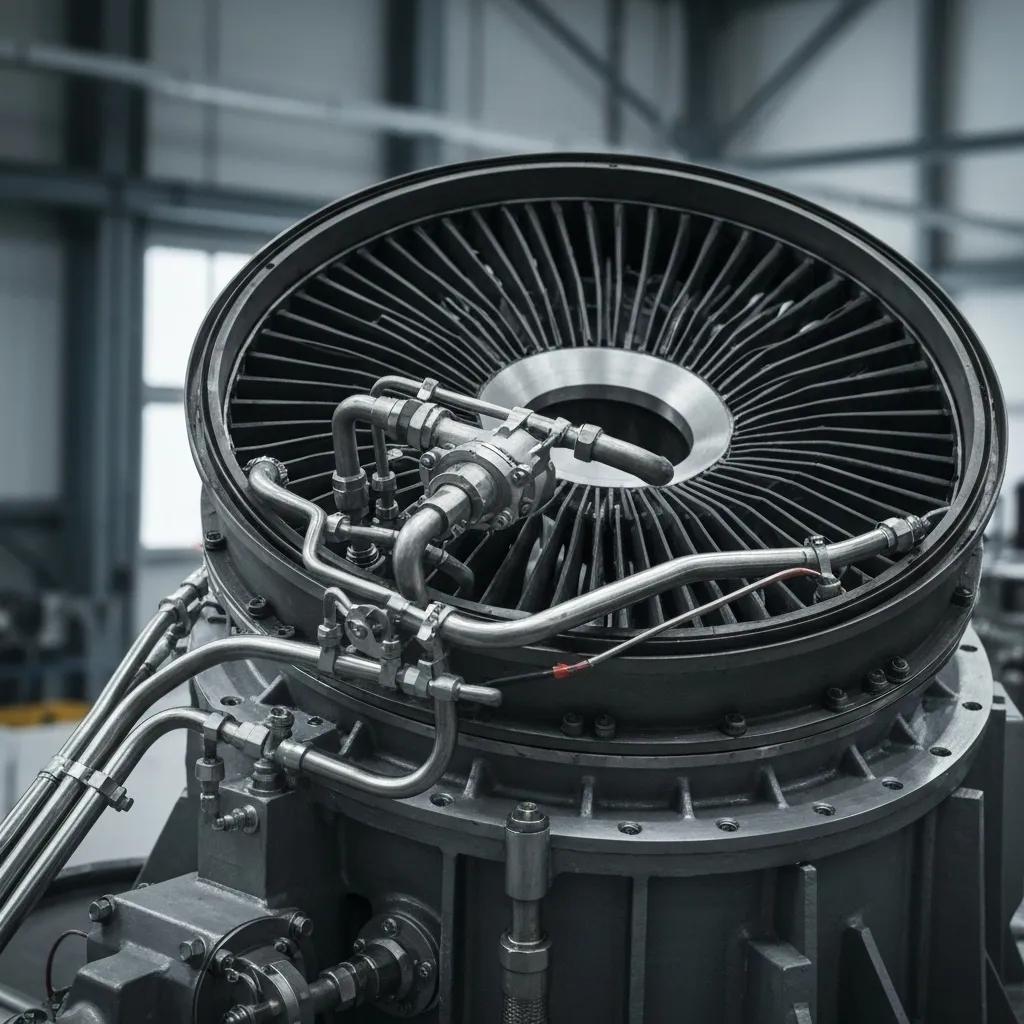
A turbine vent—also known as a whirlybird vent or roof turbine ventilator—is a circular, louvered housing with a free-spinning turbine head. Made of galvanized steel, aluminum, or stainless steel, it mounts through the roof deck to vent attic air continuously whenever wind blows.
How does wind power drive turbine vents for attic ventilation?
Wind striking the turbine’s angled fins induces rotation, which harnesses kinetic energy to pull air out of the attic.
- The angled blades catch breeze from any direction.
- Rotational motion lowers static pressure above the attic.
- Lower roof-deck pressure draws warm, humid air upward.
This simple convective process requires no electricity and adapts to variable wind speeds.
Rooftop Turbine Ventilator: A Review and Update
A 2012 review of turbine ventilators indicates that they are widely used but their performance can be limited by climate and design. The study also found that turbine ventilators with larger throat sizes performed better.
This source supports the article’s discussion of the factors that influence turbine vent performance, such as wind conditions and design.
What is the vacuum effect and heat extraction process in turbine vents?
The spinning rotor generates a vacuum that exhausts attic air at rates up to several hundred cubic feet per minute.
By continuously exchanging air, turbine vents extract stored heat and evaporate moisture, safeguarding insulation and roof decking against mold and rot.
How do turbine vents contribute to passive home ventilation?
Turbine vents serve as key elements in a passive ventilation strategy by:
- Exhausting warm attic air without fans or motors.
- Enabling convective airflow when combined with soffit or ridge intake vents.
- Reducing reliance on powered attic fans and HVAC systems.
This passive approach aligns with sustainable building practices, promoting energy efficiency and indoor-air health.
What Are the Key Benefits of Turbine Vents for Home Ventilation?
Turbine vents deliver multiple advantages for attic climate control, energy conservation, and structural longevity. By tapping wind energy, they offer a set-and-forget ventilation solution that addresses heat buildup, humidity, and air quality concerns.
How do turbine vents improve energy efficiency and reduce cooling costs?
Turbine vents lower attic peak temperatures by 20–50°F, which:
- Reduces heat transfer through attic insulation into living spaces.
- Lowers HVAC runtime, cutting summer electric bills by up to 15–20%.
- Enhances HVAC performance by operating in cooler air-exchange conditions.
This natural ventilation method uses zero electricity, directly translating wind power into energy savings.
Do Whirlybirds Really Work? Unveiling the Truth About Roof Ventilation Efficiency
This article highlights that whirlybirds, or turbine vents, increase ventilation and equalize temperatures, reducing the load on heating and cooling systems. It also notes the benefits of energy savings and the prevention of mold growth.
This source supports the article’s claims about the benefits of turbine vents, including energy savings and improved air quality.
In what ways do turbine vents enhance indoor air quality?
By continuously expelling stagnant attic air, turbine vents help:
- Remove volatile organic compounds and odors.
- Minimize airborne allergens that accumulate in hot, humid attics.
- Prevent moisture-laden air from condensing in insulation and ceiling cavities.
These improvements reduce pollutant infiltration into living areas, supporting a healthier indoor environment.
How do turbine vents prevent moisture buildup, mold, and roof damage?
Exhausting humid air prevents condensation that leads to mold and wood rot by:
- Keeping attic relative humidity below critical thresholds.
- Drying out insulation and roof framing.
- Extending roof-deck and shingle lifespan by up to 10%.
Science of Roof Ventilation: How Whirlybird Roof Vents Work
This article states that whirlybird vents can reduce dampness and humidity, preventing mold and bacteria growth. It also mentions that these vents can prevent fumes and stale air from lingering indoors.
This source supports the article’s claims about the benefits of turbine vents, including improved air quality and moisture control.
Effective moisture control is essential for preserving structural integrity over decades.
Why are turbine vents considered low maintenance and eco-friendly?
Operating without motors or filters, turbine vents require minimal upkeep—occasional blade cleaning and lubrication suffice. Their reliance on wind power means zero greenhouse-gas emissions, aligning them with eco-conscious building standards and reducing carbon footprints.
Whirlybirds: An In-Depth Analysis of Their Efficacy, Advantages, and Disadvantages
Research indicates that whirlybirds are effective in reducing attic temperatures, but their impact on overall cooling depends on factors like climate and wind. The article also notes the cost-effectiveness and eco-friendliness of whirlybirds.
This source supports the article’s discussion of the advantages and disadvantages of turbine vents, including their effectiveness and environmental benefits.
How Do Turbine Vents Compare to Other Attic Ventilation Systems?
When evaluating attic ventilation options, turbine vents often outperform powered and passive alternatives on energy, cost, and simplicity metrics.
What are the differences between turbine vents and solar attic fans?
Solar attic fans use photovoltaic panels to power electric motors, while turbine vents operate purely on wind.
How do turbine vents compare with ridge vents and powered vents?
Ridge vents work via chimney effect and require soffit intake; powered vents use electricity to force air movement.
When should homeowners choose turbine vents over other roof ventilation options?
Homeowners should favor turbine vents when:
- Their region experiences frequent winds over 5 mph.
- Their roof design supports individual vent locations.
- They seek the lowest operating cost and maintenance.
- They prioritize passive, eco-friendly solutions over electrical draw.
How to Choose the Right Turbine Vent for Your Home?
Selecting an appropriate turbine vent involves matching material, size, and quantity to local climate and building codes.
What materials and sizes are available for turbine roof vents?
Turbine vents come in various constructions:
Choosing the right material ensures long-term performance and aesthetic match with roofing.
How does climate affect turbine vent selection and performance?
Local weather influences vent design:
- Wind exposure: High-wind areas benefit from braced, high-speed models.
- Humidity: Coastal or humid climates demand corrosion-resistant materials.
- Snow and ice: Models with sealed bases and ice-shield flashings prevent freeze-ups.
Matching vent features to environmental factors maximizes efficiency.
What factors determine proper sizing and quantity of turbine vents?
Adequate venting follows a ratio of 1 sq ft of net free area per 300 sq ft of attic floor. Factors include:
- Total attic square footage.
- Roof pitch and layout limiting vent placement.
- Combined effect of intake (soffit) and exhaust (turbine) vents.
Proper sizing ensures balanced airflow and code compliance.
What Are the Best Practices for Turbine Vent Installation?
Correct installation is critical to prevent leaks and achieve maximum ventilation efficiency.
What are the step-by-step installation procedures for turbine vents?
Follow these steps for a secure, efficient installation:
- Measure and mark the vent location on the roof deck.
- Cut a circular opening matching the vent’s rough-in diameter.
- Install ice and water shield underlayment around the opening.
- Position the flashing and secure with corrosion-resistant nails.
- Seal flashing edges with roof-grade sealant.
- Attach turbine head and verify free rotation.
- Inspect from attic side for proper fit and sealing.
How to Install a Turbine Roof Vent: A Guide for DIY Homeowners
This guide provides step-by-step instructions for installing a turbine roof vent, emphasizing the importance of choosing the right location, preparing the roof, and securing the vent for a watertight seal.
This source supports the article’s section on installation practices, providing detailed steps for a secure and efficient installation.
When should you hire a professional for turbine vent installation?
Professional installation is recommended if:
- Roof pitch exceeds 6:12 (steep roofs).
- Local building codes require specialized flashing.
- You lack fall-protection training or roofing experience.
- Complex roof intersections or historical roofing materials are involved.
How can proper installation maximize ventilation efficiency?
Ensuring level flashing, unobstructed turbine rotation, and balanced intake vents delivers consistent airflow. A well-sealed installation prevents wind-driven backdrafts, preserving the vacuum effect that drives heat and moisture extraction.
How to Maintain and Troubleshoot Turbine Roof Vents?
Routine upkeep keeps turbine vents spinning freely and prevents excess noise or performance loss.
What routine maintenance is required for turbine vents?
For long service life, regularly:
- Remove debris from fins and housing.
- Lubricate turbine bearings with weather-resistant lubricant.
- Check flashing sealant and re-seal as needed.
- Inspect for corrosion and touch up protective coatings.
How to identify and fix common turbine vent problems like squeaking?
If a vent squeaks or wobbles:
- Clean bearings and apply lubricant.
- Tighten loose mounting screws.
- Replace worn or bent fins.
- Confirm roof framing support under the vent is stable.
When is turbine vent replacement necessary?
Replace the unit when:
- Blades or bearings show irreparable wear.
- Corrosion breaches structural integrity.
- Performance declines despite maintenance.
- New vent code requirements call for updated designs.
What Are Common Questions About Turbine Vent Technology?
Homeowners often express concerns about performance in calm conditions, noise levels, cooling reach beyond attics, and return on investment. Addressing these topics clarifies expectations and guides informed decisions.
Are turbine vents effective in low wind or calm conditions?
Turbine vents remain partly effective in light breezes above 3 mph, maintaining passive convection through temperature-driven updrafts. Even minimal airflow helps reduce stagnation and moisture accumulation in still air.
Do turbine vents make noise, and how can it be minimized?
Properly maintained turbine vents operate quietly, producing a soft whoosh with wind. Squeaking arises from dry bearings or bent fins—lubrication and blade realignment restore near-silent operation.
Can turbine vents cool the entire home or just the attic?
Turbine vents exclusively ventilate attic spaces; they do not cool living areas directly. By reducing attic heat load, however, they decrease heat transfer into occupied rooms, indirectly lowering indoor temperatures and HVAC demand.
What is the expected return on investment from installing turbine vents?
Evaluating ROI involves comparing installation cost against annual energy savings and roof-preservation benefits.
Most homeowners recoup installation costs within 3–5 years through lower utility bills and deferred roof replacement. Turbine vent technology delivers a durable, passive ventilation strategy that cuts cooling expenses, enhances indoor-air quality, and preserves roofing assets.
By understanding how these wind-driven ventilators work, their benefits over other systems, selection criteria, proper installation, maintenance routines, and realistic performance expectations, you can optimize your home’s ventilation and energy efficiency. Explore product options, consult local roof-ventilation experts, and take the first step toward a cooler, drier attic space today.
Need a roof inspection in Saint Paul or the Twin Cities? Call Sellers Roofing Company at +1-651-703-2336 or schedule a free estimate. We are a black-owned, NMSDC-certified MBE roofing contractor with 9+ years experience.