Last updated: 2026-08-01 by Ted Sellers, Owner
A Minnesota roof insurance appraisal is a formal process for settling a dispute over the amount of covered roof damage. It does not decide whether your policy covers the loss. Each side picks an appraiser, those appraisers choose an umpire, and any two of the three can issue a binding award on value and scope.
When This Applies
When a commercial roof claim turns into an amount dispute
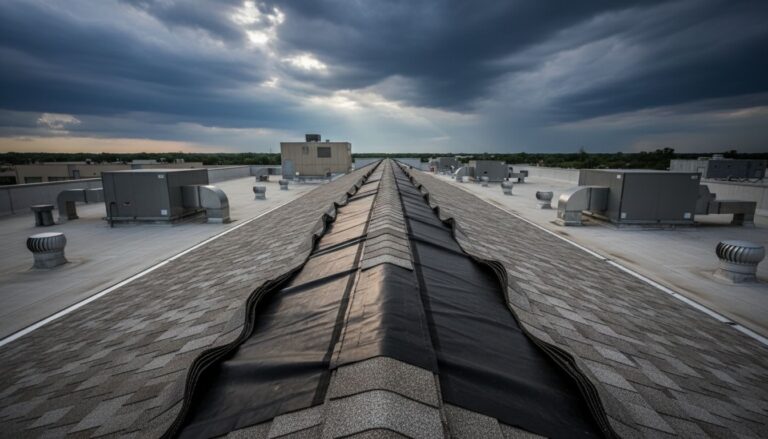
Appraisal fits a claim where both sides accept that a covered event happened, but they disagree on the price or scope. That is common after hail, wind, or water intrusion on low-slope systems. An insurer may price a patch, while your consultant finds wet insulation, damaged flashing, and a larger repair area.
For business owners, this often matters when a carrier says the commercial roof needs repair, but your documentation supports a broader fix. That could mean targeted membrane work, large-area commercial flat roof repair, or even commercial roof replacement.
As of 2026, Minnesota gives property owners a clearer appraisal path for disputes over the amount of loss on covered property claims, except total building losses. That lines up with how many commercial appraisal clauses work, especially when the fight is about numbers, not policy wording.
If hidden moisture is part of the dispute, solid testing matters. That’s where professional leak detection for MN commercial roofs can strengthen the file before appraisal starts.
When appraisal does not fit
Appraisal usually does not solve a pure coverage fight. If the carrier says the damage came from wear, poor maintenance, or an excluded cause, that issue may need separate handling. The same goes for late notice, fraud allegations, or disputes over policy language.
That limit matches standard appraisal clause guidance: appraisal sets value, not coverage.
Appraisal decides the amount of loss. It does not decide whether the policy covers the loss.
A key edge case for repair versus replacement
Many roof disputes sit in the middle. The insurer may admit some covered damage but deny a full reroof. In that situation, appraisal can still help value the covered scope. However, if the real dispute is whether code upgrades or full replacement are covered, part of the issue may stay outside appraisal.
Step-by-Step
1. Read the policy’s appraisal clause first
Start with the exact policy language. Check who can demand appraisal, how the demand must be sent, and the deadlines for naming appraisers. Under current Minnesota rules, each side has a short window to appoint an appraiser after a written demand, so delay can hurt your position.
Keep the full policy, denial letters, estimates, photos, and prior claim correspondence together. If the paper trail is messy, appraisal gets harder.
2. Build a roof-specific scope of loss
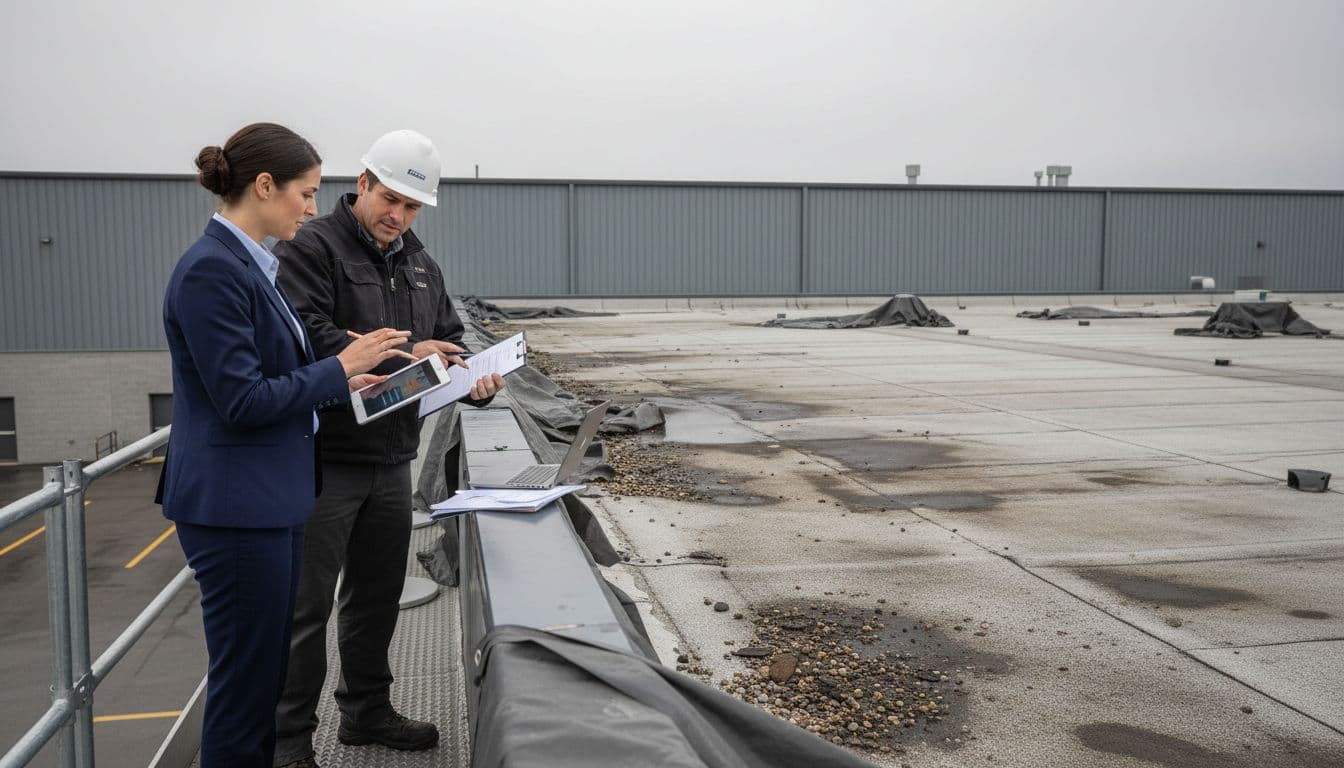
This is where commercial claims are won or lost. You need a clear scope that matches the roof system and the damage pattern. On a flat roof, water can travel far from the visible leak, so surface stains alone don’t tell the whole story.
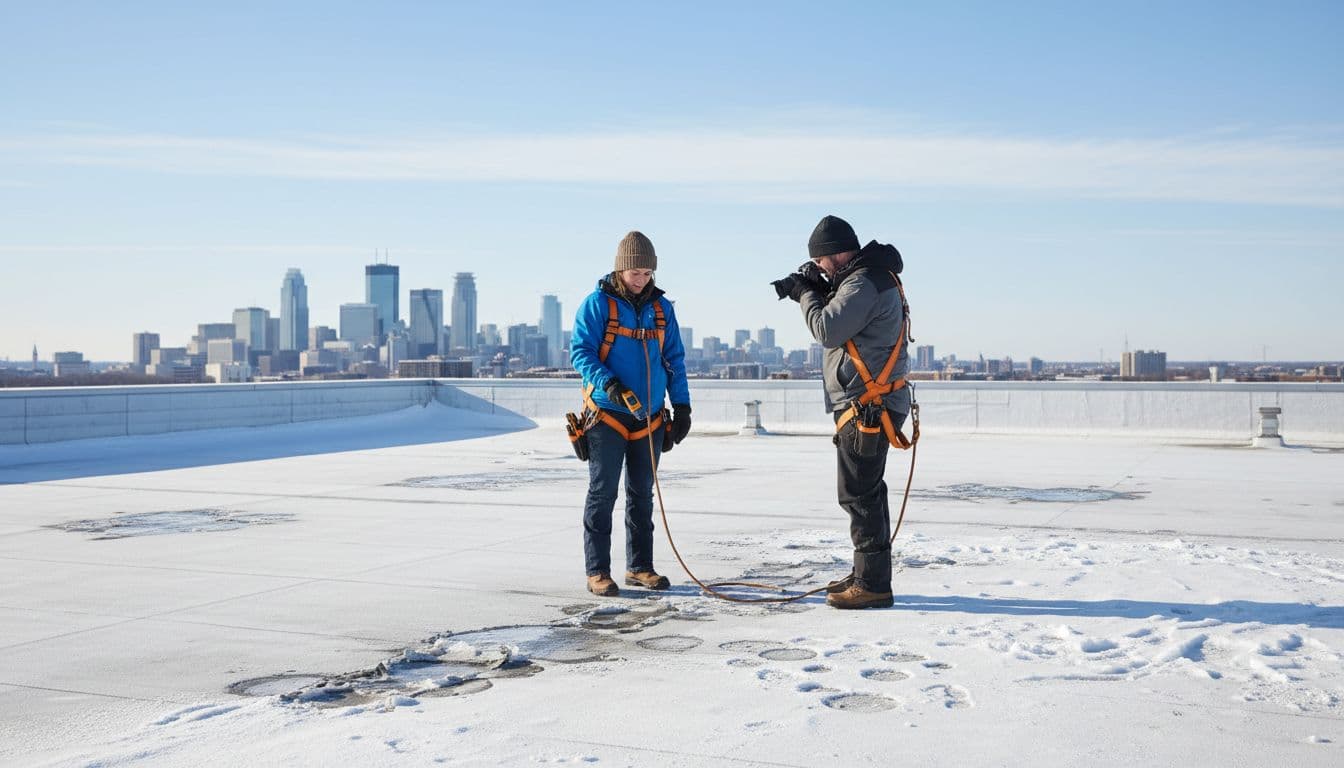
Use inspection photos, moisture maps, core samples when needed, repair history, and contractor estimates. If your consultant supports partial replacement, section replacement, or full commercial roof replacement, that opinion should be tied to real findings, not guesswork.
3. Choose an appraiser with commercial roofing knowledge
A good appraiser for a warehouse roof is not just a general property person. They should understand TPO, EPDM, metal details, insulation saturation, seam failure, drainage, and code-related repair triggers.
That experience matters because scope drives value. A knowledgeable appraiser can tell the difference between a minor patch and a system problem. Many owners also bring in Saint Paul commercial roofing experts to document the roof before the appraisal panel inspects it.
4. Make the disputed items precise
Vague awards create future problems. Instead of “roof repair,” the scope should spell out membrane areas, wet insulation, flashing, drains, coping, rooftop unit curbs, and interior damage if tied to the same loss.
That detail matters because courts usually treat appraisal awards as final. If the award is unclear, you may not get a second chance to add meaning later. Therefore, line-item clarity protects both payment and project planning.
5. Demand appraisal before waiver becomes an issue
If the file sits too long, or litigation moves ahead without invoking appraisal, a waiver argument can show up. Minnesota courts have addressed when parties may waive the right to appraisal, so timing matters.
Send the demand in writing once the dispute is clearly about amount of loss. Then keep your documentation current while the appraisers inspect, compare scopes, and, if needed, submit remaining differences to the umpire.
Conclusion
The practical takeaway
A Minnesota roof insurance appraisal is a tool for resolving a money and scope dispute without a full court fight. For commercial owners, that can be the difference between a token patch allowance and a realistic award.
The strongest appraisal files are simple, specific, and roof-focused. If the disagreement is about the amount of loss, appraisal can move the claim forward.
FAQ
Can I demand appraisal if the insurer says part of the roof damage is old wear?
Yes, sometimes. If both sides agree that some covered damage exists, appraisal can value that part. If the real fight is whether the policy covers the damage at all, that issue may stay outside appraisal.
Who pays for the appraisers and umpire?
Each side usually pays its own appraiser. The umpire’s cost is often split, unless the policy or later agreement says otherwise. Ask about fees early, because large commercial claims can take more time.
Can appraisal force a full roof replacement?
Not by itself. It can value a full replacement if the covered loss and scope support that outcome. Coverage disputes over exclusions or code-related items may still need a separate decision.
If code drives the scope
Put code citations and inspector notes into the appraisal file early. That gives the panel a cleaner record on the amount at issue.
Can I make temporary repairs while appraisal is pending?
Yes. You still need to protect the building, inventory, and tenants. Keep photos, invoices, and notes so the carrier cannot argue that later emergency work erased the evidence.
How long does a Minnesota roof appraisal take?
There is no single timeline. The appointment deadlines are short, but the full process depends on roof size, document quality, weather access, and whether the umpire must decide major line items.
Need a roof inspection in Saint Paul or the Twin Cities? Call Sellers Roofing Company at +1-651-703-2336 or schedule a free estimate. We are a black-owned, NMSDC-certified MBE roofing contractor with 9+ years experience.