Last updated: 2026-08-01 by Ted Sellers, Owner
Fresh wind damage shingle creases usually look sharp, clean, and recent. The fracture line is straight, the granules around it look newly disturbed, and the surrounding shingle often still has some flexibility. By contrast, old creases look weathered, rounded, dirty, and brittle, with signs of aging spread across nearby tabs rather than appearing as a single, isolated break.
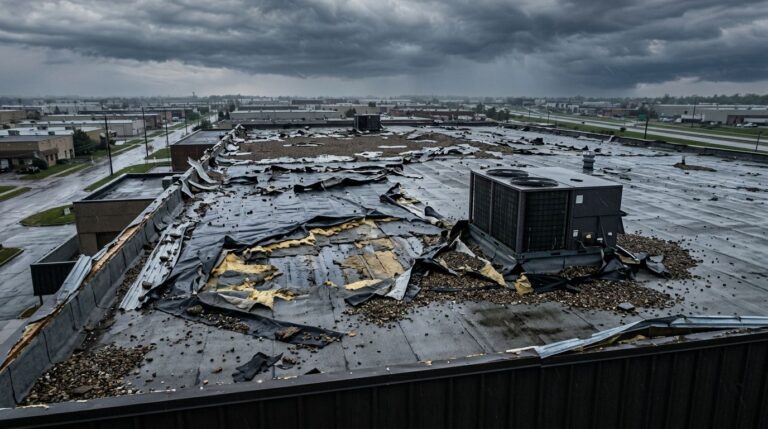
A roof after a windstorm can lie to you. A new leak may show up far from the torn tab, and an old weak spot may fail the same week as a new gust.
The only reliable answer comes from reading the crease, the surrounding field, and the storm timing together.
Key Takeaways
- Distinguish Fresh vs. Old Damage: Fresh wind creases appear sharp, clean, and abrupt, while older damage is characterized by rounded edges, oxidation, and weathering that blends into the surrounding shingles.
- Examine the Entire Slope: Avoid focusing on a single isolated tab; wind damage typically presents as a consistent pattern of lifted or creased shingles across the windward exposures of the roof.
- Prioritize Documentation: Before attempting any permanent repairs, take dated photos and gather supporting evidence, such as storm reports, to ensure your insurance claim clearly identifies the recent event as the cause of damage.
- Know the Limits of Visual Testing: While this method works for asphalt shingles, it is ineffective for flat or metal roofing systems. Furthermore, homeowners should avoid bending shingles to test for brittleness, as this can destroy evidence or cause further damage.
When This Applies
On steep-slope asphalt shingles after wind
This test fits asphalt composition shingles on homes, townhomes, HOA buildings, churches, and mixed-use properties with pitched roof sections. It is most useful after a recent wind event, when you see wind uplift, missing shingles, or a line across the tab that suggests wind folded it back. This analysis is equally effective for three-tab shingles and dimensional shingles.
It also fits commercial properties that use shingles on mansards, entries, or dormers. Owners dealing with a roof insurance claim need this distinction because fresh wind creases point to sudden loss, while older damage often points to wear, heat, and age.
When this method does not fit
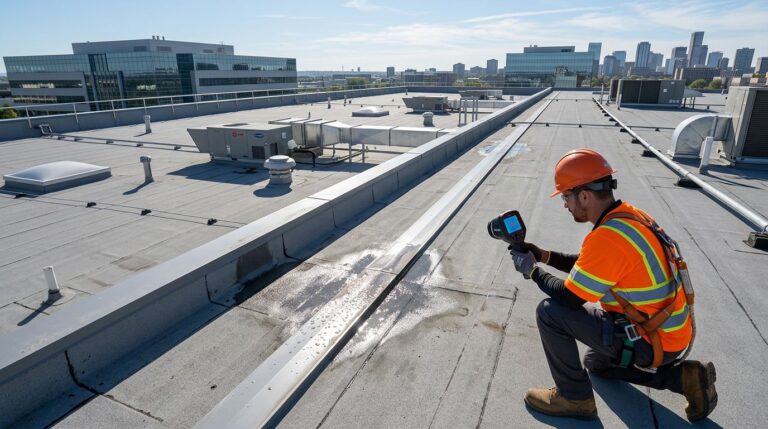
A crease test does not tell you much on metal roofing or on a commercial flat roof. TPO roofing, EPDM, modified bitumen, and BUR fail in different ways, usually through seam movement, punctures, flashing splits, edge lift, or wet insulation.
If the building has both shingles and low-slope sections, treat them as separate systems. The shingle slope may need a professional roof inspection, while the flat section may need a full commercial roof inspection.
Cold-climate exceptions
Minnesota adds one more wrinkle. Freeze-thaw cycles, prior ice dam removal, and stiff winter tabs can crack shingles without a major wind event. A hail damage roof also looks different. Hail more often leaves bruises, displaced granules, and impact fractures than a long wind crease.
Step-by-Step
1. Start with the crease line itself
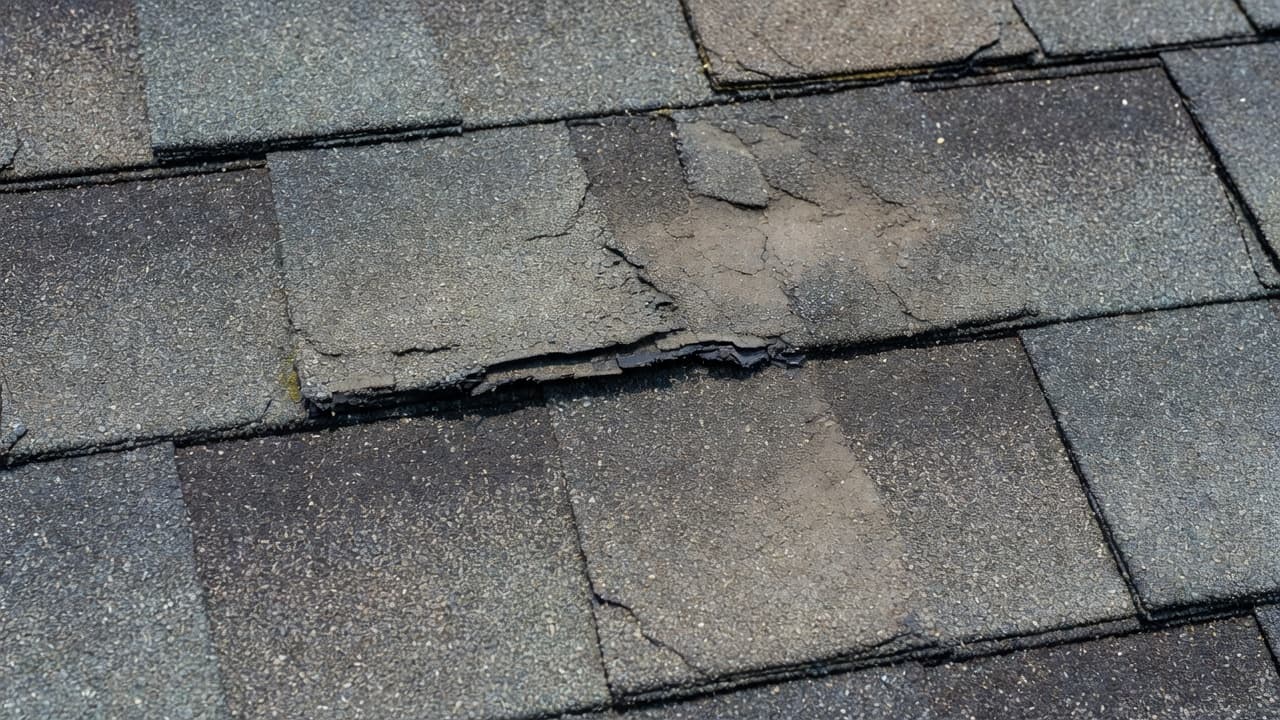
A fresh wind crease usually has a crisp fold line where the tab bent and the mat broke. The line often appears near the top of the exposed tab, where significant wind speed and intense uplift force caught the shingle, snapping it back and breaking the factory sealant strip or adhesive seal.
Fresh damage usually looks isolated and abrupt. Older creases tend to look softer and more blended into the shingle surface. Dirt settles in, the edges round over, and the break no longer looks new.
Fresh creases also often break the bond below. The tab may flutter, sit slightly raised, or fail to lie flat against the course beneath it, leaving unsealed shingles vulnerable to future weather events.
### 2. Check granules, the exposed mat, and the color change
Fresh damage disturbs the surface. Granule loss near the crease may look newly scuffed, lighter in color, or indicate where granules were recently shed. If the asphalt mat is exposed, it often looks cleaner or darker than the surrounding weathered roof.
Older damage usually blends in. The exposed area has already seen sun, dust, and rain, so it looks duller and closer in color to the rest of the slope. On old creases, oxidation often makes the break look flat and tired instead of sharp.
This quick comparison helps on the roof and in photos.
| Sign | Fresh crease | Older crease |
|---|---|---|
| Fracture line | Sharp and straight | Rounded and blended |
| Granule loss | Recently shed or scuffed | Weathered to match field |
| Exposed mat | Cleaner or darker | Dull, dusty, oxidized |
| Nearby tabs | Similar storm pattern | Random aging or foot traffic |
| Flexibility | Some give nearby | Brittle, snaps fast |
No single row decides it. The pattern does.
3. Compare the damage across the whole slope
Wind damage rarely hits one tab in complete isolation. Look at the same slope, especially eaves, ridges, hips, valleys, and roof edges. Fresh damage from a specific storm event often shows a pattern of lifted tabs, broken seal strips, or creases that line up with the storm direction.
Random cracking at walk paths, under satellite mounts, or beside one old patch usually points the other way. In Minnesota, the windward side of the home, typically west and south exposures, often shows the first clear clues after a straight-line wind event.
What mixed damage looks like
A roof can have both fresh and old problems. That happens often on older shingles. A recent gust may crease one group of tabs while nearby tabs were already brittle.
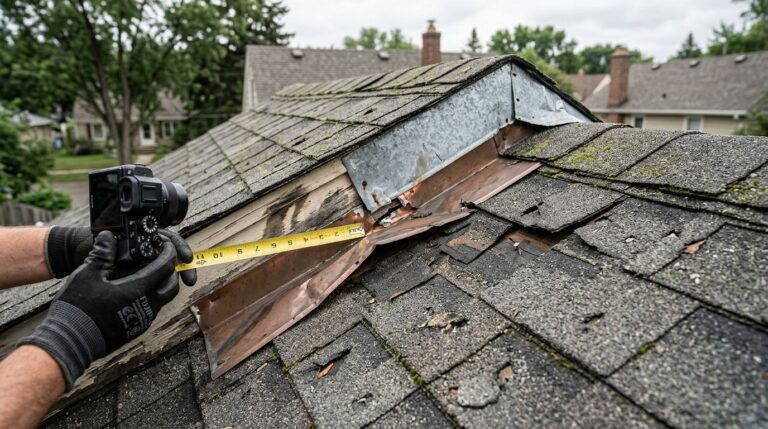
If you are documenting a storm damage roof file, photograph the whole pattern, not one tab. The question is cause. Which breaks match the storm, and which ones were already failing?
4. Test brittleness carefully, or not at all
Freshly creased shingles may still have some life in the surrounding tab. Old shingles crack with very little movement. A trained professional conducting a roof inspection can lift adjacent tabs carefully and read how the mat responds.
Homeowners should be cautious here. One cold, brittle tab can turn a question into a broken shingle, and that ruins the evidence you were trying to inspect.
Don’t create your own damage
Never bend the crease farther to see what happens. If the roof is cold or steep, stay off it and let a pro handle the test.
5. Document first, repair second
Take dated photos of the crease, the full slope, nearby flashing, gutters, and any interior staining. Save storm dates, wind reports, and notes from tenants or occupants who first saw the leak. A good file is often more persuasive than the first adjuster opinion.
If water is entering, temporary dry-in work is reasonable. Full permanent repair before inspection is where claims get messy, because removed shingles and discarded materials erase the record.
For homes, isolated creased shingles may lead to residential roof repair, while widespread brittleness or numerous creased shingles can push the scope to residential roof replacement. If you need another opinion, Get a Free Residential Roof Estimate. For larger buildings or mixed roof systems, Get a Free Commercial Roof Inspection. If the roof is actively leaking, Call 651-703-2336 for 24/7 Emergency Roofing.
What Often Gets Misread
A new leak does not prove a new crease
Water can run along underlayment, framing, insulation, and deck channels before it shows inside. That is common on commercial buildings and still happens on houses. The stain is the exit point, not always the source of the moisture damage.
A fresh leak can come from an old weak tab. A fresh crease can also stay dry until the next driven rain. Furthermore, you might encounter wind-lifted shingles that have lost their seal but have not yet developed a permanent crease, which can lead to leaks during severe weather. That is why a fast patch placed right above the stain often misses the real opening.
Old repairs do not erase new wind damage
Previous patching matters only if it caused the current failure or made it worse. A roof insurance claim can still be paid in part when fresh creases, wet materials, or interior damage tie back to the new event.
Temporary mitigation usually helps the file when it is documented well. What hurts is broad permanent work that removes proof before anyone inspects it.
The real issue is causation, not whether the roof has some age on it.
How the Damage Changes the Scope
Repair, replacement, and system fit
One or two fresh creased tabs on an otherwise sound slope often point to residential roof repair. However, when you observe broad creasing across multiple exposures, broken seal strips, and brittle shingles, the job usually moves toward residential roof replacement. This level of damage significantly reduces your overall roof lifespan and can eventually pose a direct threat to the structural integrity of your home.
The same logic applies to steep-slope commercial properties. Localized damage may allow for commercial roof repair, but widespread failure typically necessitates commercial roof replacement. When evaluating why these failures occur, inspectors must look for manufacturing defects or common installation errors. For instance, vertical racking is a problematic installation method that leaves shingles vulnerable to wind, often leading to premature failure and more extensive creased shingles than you would see on properly installed systems.
Low-slope systems are a different conversation. Commercial roof restoration and commercial roof coatings can extend some membrane roofs, but they do not fix wind-creased shingles. A contractor should separate shingle damage from TPO, EPDM, or BUR issues before pricing any project.
What Twin Cities owners should ask
In Saint Paul roofing and Minneapolis roofing work, freeze-thaw swings can make old tabs fail right after a storm. That is why Twin Cities roofing inspections need storm timing, photos, and hands-on testing, not guesses from the ground. The same standard makes sense across Minnesota roofing markets.
If you are comparing bids, ask for the repair scope, the storm-date match, and the credential behind the opinion. Many owners also want a GAF certified contractor, union-built roofing labor through IUPAT Local 96 where that model applies, and an active state credential such as MN License 803862.
Conclusion
Wind damage shingle creases usually look sharp, recent, and tied to a pattern across the slope. By contrast, creased shingles often look aged, dirty, and brittle, with weathering that matches the rest of the roof.
If the answer is not obvious, do not guess. The difference between fresh and old damage drives the repair scope, the claim outcome, and whether a small problem stays small.
FAQ
Can a roof have fresh wind creases and old wear at the same time?
Yes. That is common on older asphalt roofs. A storm can crease one group of tabs while nearby tabs are already brittle from age. Separate the two by looking at storm direction, fresh granule loss, and whether the exposed fracture matches the surrounding weathering. Even if shingles have high wind resistance ratings, they can still fail if the adhesive bonds have degraded over time.
What if the shingle is creased but not leaking yet?
Repair it soon. A creased tab is a warning that the mat has been stressed. Water may not enter on the first rain, but the next wind-driven event can open the break wider and turn a small repair into a larger scope.
Can an adjuster call wind creases old damage?
Yes, especially on older roofs or roofs with prior repairs. Adjusters sometimes misidentify unsealed shingles as old wear or general aging to deny a claim. This is why dated photos, a contractor report, and a clear cause opinion matter. While missing shingles are easier for an adjuster to verify as storm damage, creases require a more detailed investigation. If the first review misses the pattern, a reinspection can change the scope.
Does this same test work on flat roofs?
Not in the same way
No. Asphalt composition shingles behave differently than flat roofing materials. TPO roofing, EPDM, modified bitumen, and BUR do not show wind damage through tab creases. They fail through seam separation, flashing splits, edge lift, punctures, and hidden wet insulation. A commercial flat roof needs a system-specific inspection.
Should I patch the area before anyone inspects it?
Keep it temporary
Stop active water, but keep the work limited to dry-in or emergency sealing if possible. Permanent repairs done too early can erase the evidence that shows whether the damage was fresh, old, or wider than the first person thought.
Need a roof inspection in Saint Paul or the Twin Cities? Call Sellers Roofing Company at +1-651-703-2336 or schedule a free estimate. We are a black-owned, NMSDC-certified MBE roofing contractor with 9+ years experience.