Last updated: 2026-08-01 by Ted Sellers, Owner
Yes. 50 mph winds can damage a commercial roof, especially if the roof is older, loose at the edges, or already weakened by leaks, wet insulation, or failed seams. On flat and low-slope systems, wind often lifts corners, edge metal, and membrane seams first. Even when damage looks minor, water can get in and turn a small repair into a larger expense.
When This Applies
Which commercial buildings are most at risk
This applies to owners of warehouses, offices, retail centers, schools, churches, and multi-family buildings with flat or low-slope roofs. In those settings, 50 mph winds roof damage often starts where the roof is most exposed, usually corners, perimeters, flashing, and rooftop equipment curbs.
Risk rises when the roof is older, has past repairs, or already holds trapped moisture. Wind doesn’t need to rip the whole roof off. It only needs to lift one weak edge, like a fingernail catching a sticker.
Wind damage usually starts at the perimeter, then spreads inward.
When it may not apply
A newer roof with strong edge securement, sound seams, and no weak spots may come through a 50 mph event with little or no harm. Short gusts also tend to cause less damage than hours of steady pressure.
Still, don’t assume you’re clear just because nothing blew off. A membrane can loosen without obvious holes, and leaks may show up after the next rain.
Exceptions that change the answer
Not all wind reports mean the same thing. Sustained winds, gust speeds, building height, and open exposure all matter. A roof near open fields or on a taller building takes more force than one shielded by nearby structures.
Storm type matters too. Fast-moving regional events can hit harder than owners expect, as shown in this Upper Midwest derecho recap. In Minnesota, that added stress often lands on roofs already dealing with freeze-thaw cycles.
What 50 mph wind damage looks like on a commercial roof
Flat roof warning signs
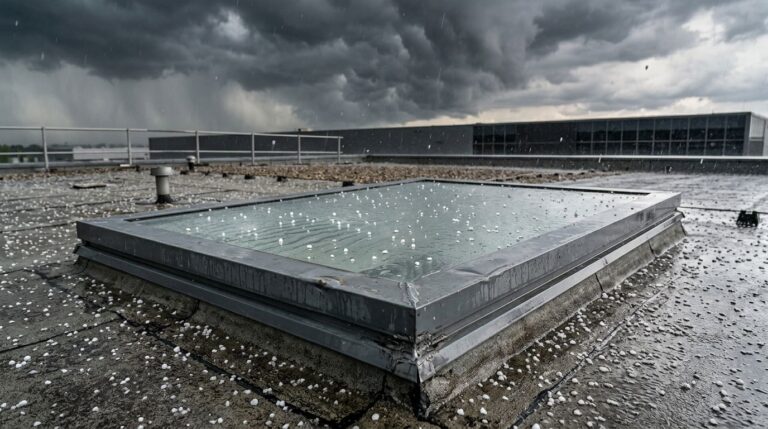
On flat roofs, wind rarely leaves a dramatic movie-scene hole. More often, it loosens seams, curls membrane edges, shifts ballast, or pulls at flashing around drains and rooftop units. If the roof has TPO, EPDM, or PVC, the first clues may be wrinkles, billowed sections, or edge metal that no longer sits tight.
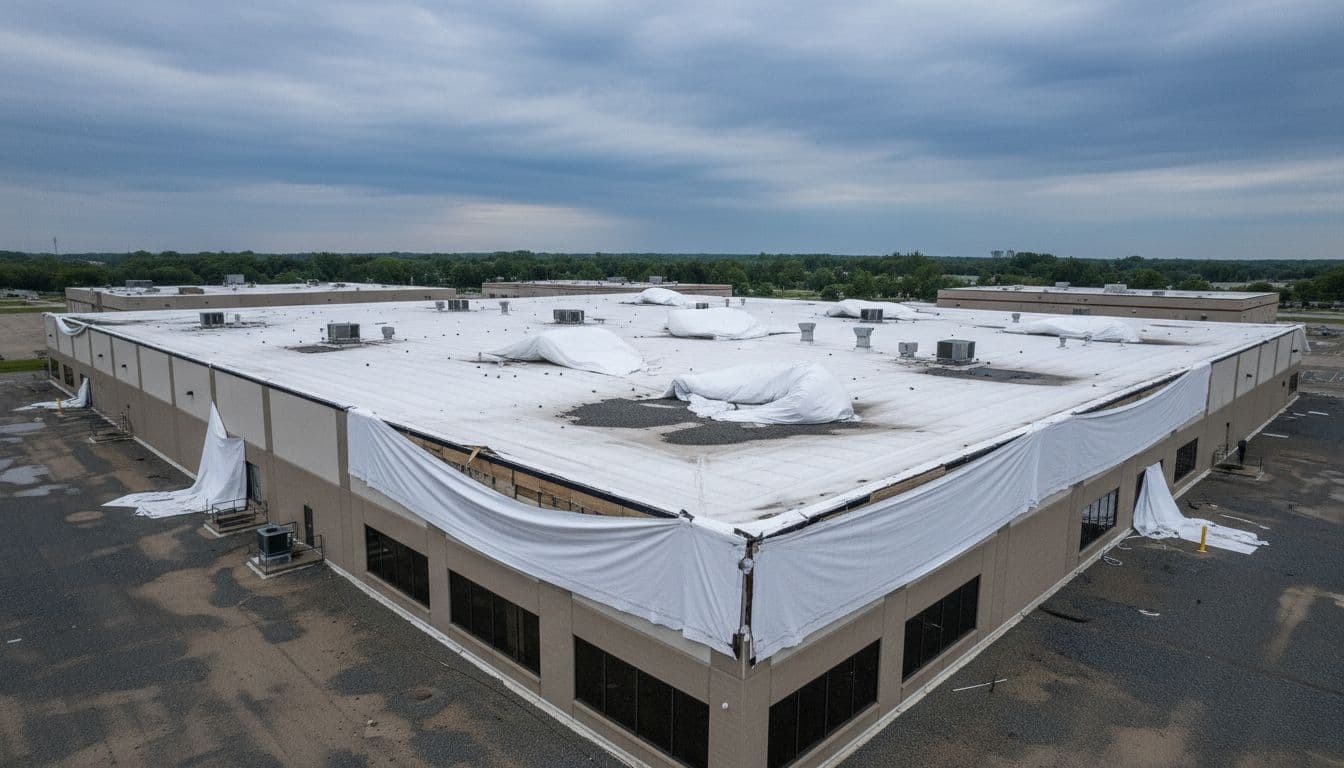
If water appears indoors later, the visible stain may be far from the breach. That’s why commercial roof leak detection in Saint Paul can matter after a wind event, even when the roof surface looks mostly intact.
Prompt commercial flat roof repair can stop a seam failure from turning into soaked insulation and deck damage.
Metal and steep-slope trouble spots
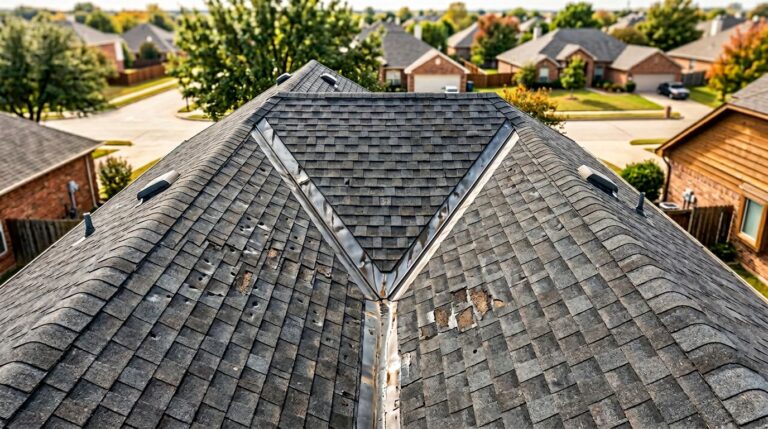
Some commercial buildings also have metal or shingle sections, often above entries or office wings. There, wind may loosen ridge caps, lift panels, crease shingles, or pull flashing at transitions.
When repair becomes replacement
If uplift affects broad sections, seams have failed in multiple areas, or insulation is saturated, a patch may only delay the bill. In that case, commercial roof replacement can be the smarter financial move.
Step-by-Step
1. Protect people and operations first
Keep staff away from active leaks, wet floors, and any area where ceiling tiles sag. Move inventory, electronics, and records away from drip zones right away.
If water is near electrical equipment, have your team follow site safety rules before doing anything else.
2. Document what changed
Take photos of interior stains, wet insulation, displaced rooftop materials seen from the ground, and any debris around the building. Save the date, time, and local weather report.
Good records help with claims, but they also help a roofer track cause and timing.
3. Inspect visible areas from the ground
Don’t send staff onto the roof after a storm. Instead, walk the site and look up at edge metal, gutters, coping, downspouts, and rooftop units you can see safely.
Loose trim, bent metal, or debris on the ground often points to hidden uplift above.
4. Decide how urgent the damage is
If seams opened, flashing pulled loose, or new stains appeared, the commercial roof needs repair now, not next month. Wind damage rarely gets cheaper with time because rain follows the opening.
Same-day action is smart when
You see active leaks, loose perimeter metal, membrane billowing, or water around rooftop equipment. Those are signs the roof system may keep separating.
5. Schedule a professional assessment
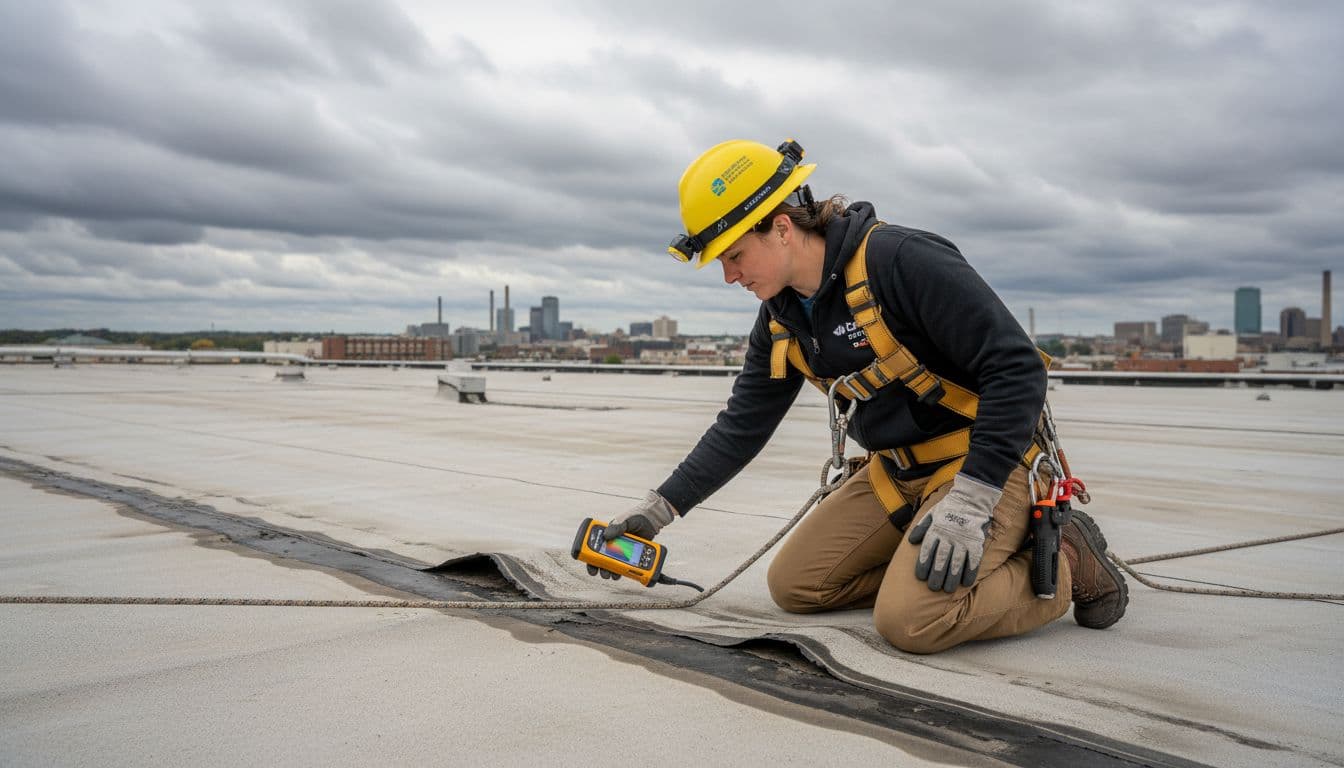
A commercial roofer can test seams, inspect edge securement, and check for hidden moisture that your team can’t see. If your building took a hit, it’s smart to contact Saint Paul commercial roofing experts who work on flat, metal, and TPO systems and can separate minor issues from real failure.
FAQs After a 50 mph Wind Event
Can a roof leak days after the wind stops?
Yes. Wind may loosen a seam or flashing first, then rain finds the opening later. That’s why a roof can seem fine on Monday and leak on Thursday.
Is 50 mph wind enough for an insurance claim?
It can be, if there is documented damage. Insurers look at the condition of the roof, storm data, and proof that the wind caused a covered loss.
What helps your claim?
Clear photos, maintenance records, weather timing, and a prompt inspection all help.
Do TPO and EPDM roofs react the same way to wind?
Not always. Both can suffer uplift, but seam type, attachment method, age, and edge condition change how damage shows up.
Should tenants keep operating during repairs?
Often yes, but it depends on leak location and safety. Many repairs can happen in sections, while active leak areas may need limited access.
How quickly should I act if there are no leaks yet?
Act within days, not weeks. Hidden moisture spreads quietly, and a small lifted area can open wider during the next storm.
A 50 mph wind event can damage a roof, and commercial roofs often hide that damage at first. The best move is simple: protect the building, document changes, and get the roof checked before the next rain. In short, fast action costs less than waiting for a stain to prove the point.
Need a roof inspection in Saint Paul or the Twin Cities? Call Sellers Roofing Company at +1-651-703-2336 or schedule a free estimate. We are a black-owned, NMSDC-certified MBE roofing contractor with 9+ years experience.