Last updated: 2026-08-01 by Ted Sellers, Owner
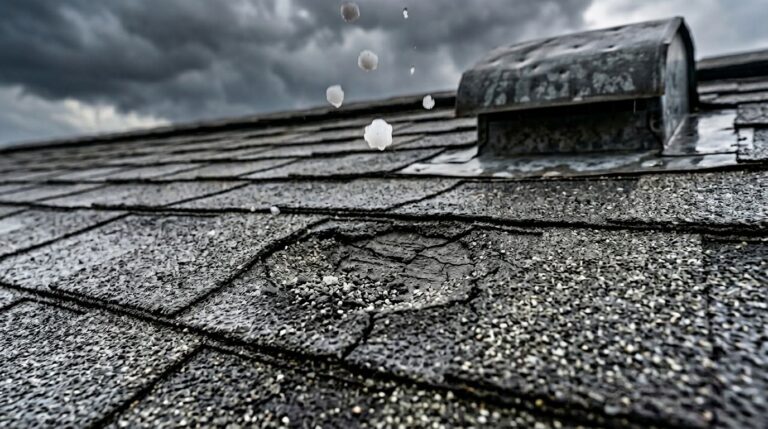
Short answer: attic condensation usually shows up as light, widespread moisture or frost on many cold surfaces, often during very cold weather. A roof leak is usually more localized, leaves stains or a clear drip path, and gets worse after rain or snow melt. In an attic condensation roof leak problem, the pattern and timing tell you more than the wet spot.
When This Applies
This check works best when your building has a true attic or roof cavity
This comparison helps owners of offices, mixed-use buildings, churches, and older commercial properties with accessible attic spaces. If you can see rafters, insulation, fasteners, and the underside of the roof deck, you can usually tell a lot from where the moisture sits.
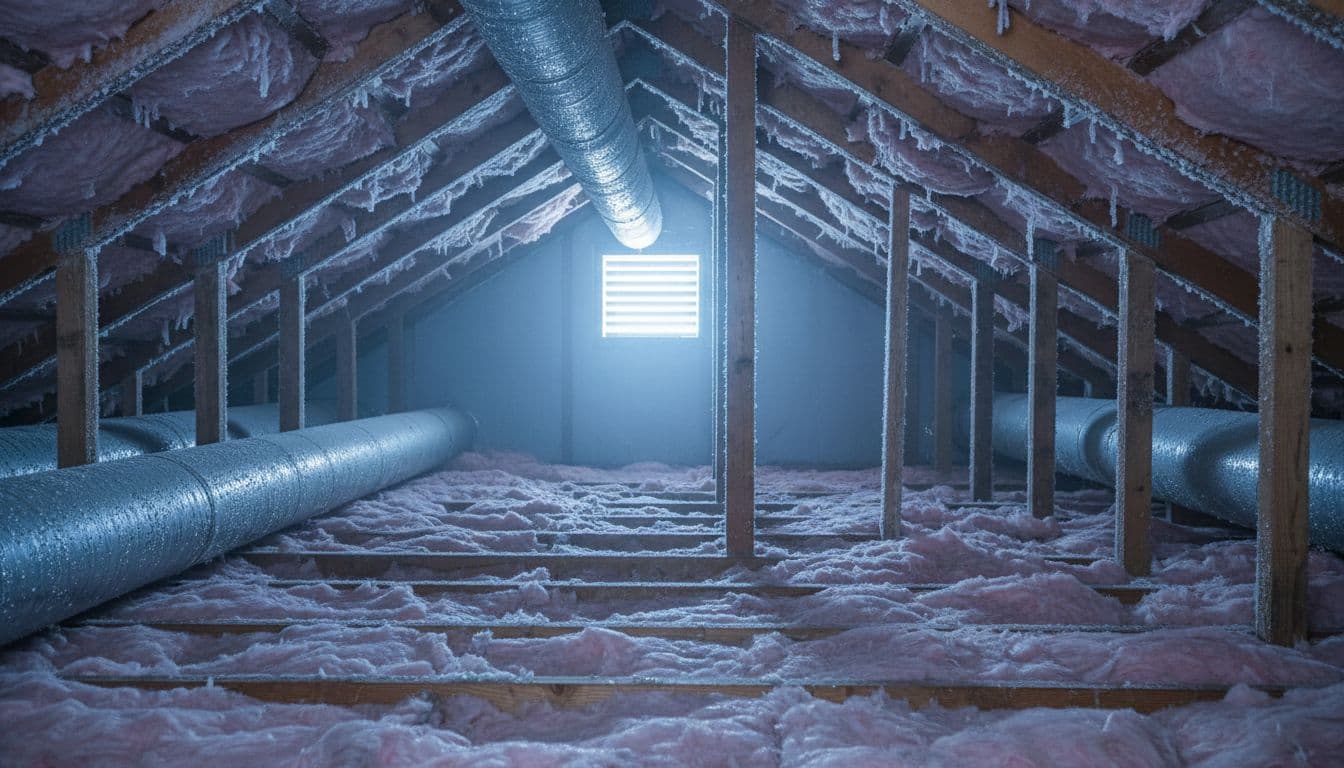
Condensation tends to coat broad areas. You may see wet nail tips, damp rafters, or frost on the underside of the deck. A leak acts more like a pipe with a bad joint. Water enters at one weak point and leaves a trail.
A quick side-by-side view makes the difference easier to spot:
| Sign | Attic condensation | Roof leak |
|---|---|---|
| Timing | Cold snaps, early mornings, winter swings | Rain, thaw, wind-driven storms |
| Pattern | Spread across many surfaces | Concentrated in one area |
| Surface clues | Frost, beads on nails, damp ducts | Stains, dark streaks, mineral marks |
| Insulation below | Often lightly damp on top | Often soaked, compressed, or sagging |
Widespread frost on cold surfaces usually points to condensation. One stained path through insulation usually points to a leak.
When this does not cleanly apply
Some business owners try this test on buildings that do not have a vented attic. That can lead to the wrong call.
Low-slope roofs without attic space
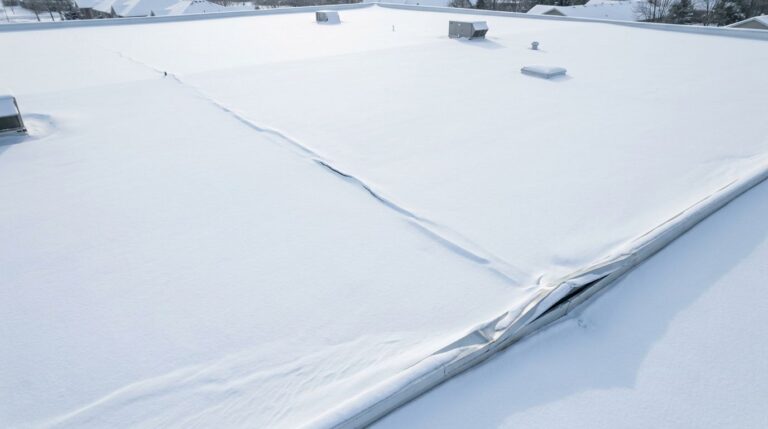
Many commercial buildings have low-slope roof systems, not classic attics. In those cases, moisture on the underside of the deck may still come from indoor humidity, air leaks, or poor vapor control. Yet it may also come from a membrane failure several feet away from the stain.
Because water can travel across a low-slope system, the visible spot may fool you. If that sounds familiar, find hidden commercial roof leaks before you open the wrong area or pay for the wrong fix.
Step-by-Step
1. Check the weather and the timing
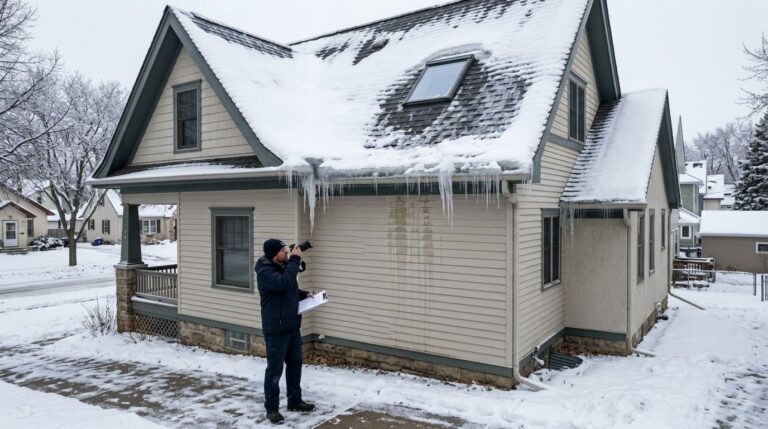
Start with the calendar and the forecast. Condensation usually appears after cold nights, sharp temperature swings, or high indoor humidity. A leak usually lines up with rain, melting snow, or ice backed up at a roof edge.
Winter-only moisture is a strong clue
If the problem shows up in deep winter, then eases when outdoor temperatures rise, condensation moves up the list. If water appears during mild rainy weather, a roof leak is more likely.
2. Look at the pattern, not only the wet area
Stand back before you touch anything. Condensation often looks uniform. Moisture may appear on many nails, across long rafters, or on metal ductwork and fasteners at the same time.
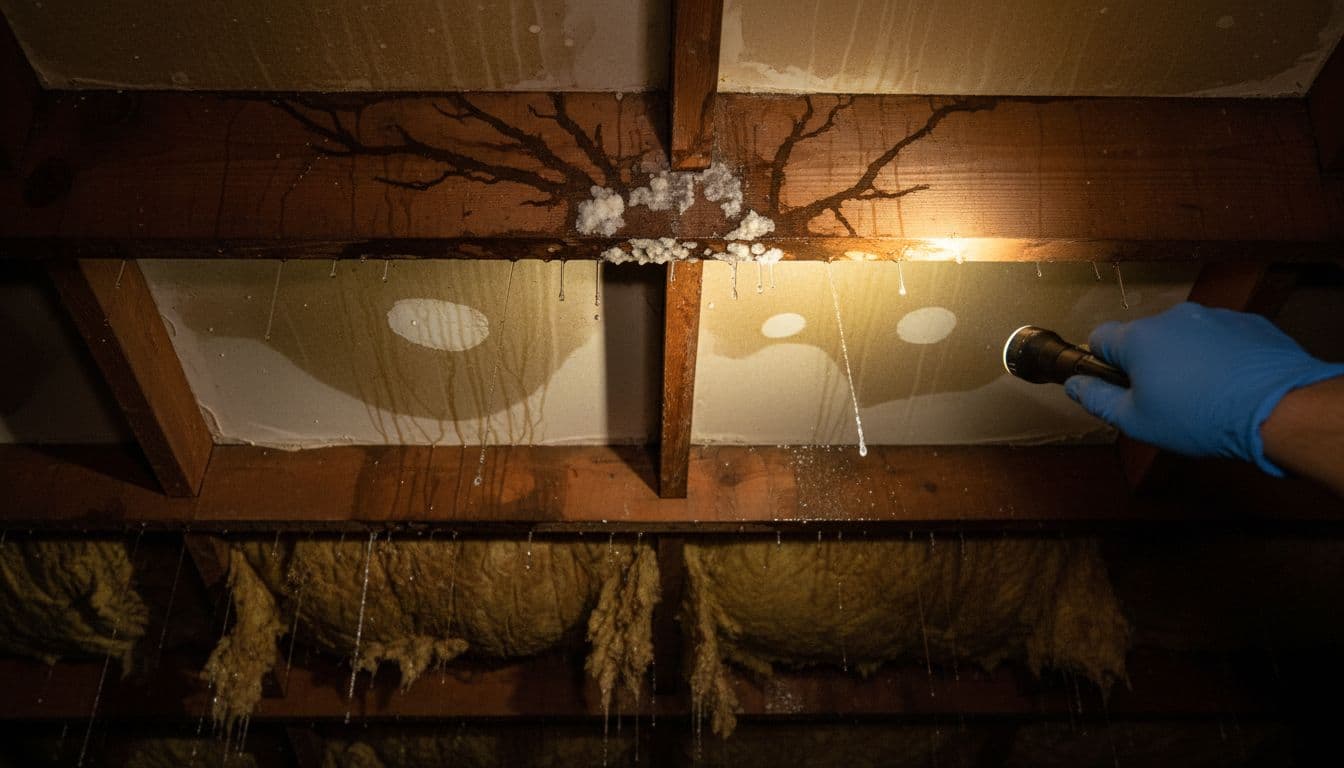
A leak looks narrower and more focused. You may see one dark stain, one drip point, or one wet run through insulation near a vent, curb, seam, or flashing detail.
Watch for staining and residue
Condensation can leave dampness and later mold growth, but it often does not leave one sharp entry mark. Leaks often leave yellow or brown staining, mineral deposits, and dirty tracks where water carried debris through the roof assembly.
3. Compare nearby materials
Touch the area around the moisture if it is safe to do so. With condensation, surfaces may feel cool and damp, yet the wetness is often shallow. With a leak, insulation below the entry path is more likely to feel heavy, matted, or soaked through.
Also check the wood. Repeated condensation can darken framing over time, but leaks more often create one obvious damaged zone.
4. Inspect air movement and humidity sources
Condensation needs warm, moist indoor air plus a cold surface. So look for missing insulation, blocked vents, disconnected exhaust ducts, open ceiling penetrations, or unsealed pipe chases. In commercial spaces, kitchens, wash bays, locker rooms, and process areas can push a lot of moisture upward.
If the attic feels like a cold can with steam trapped inside, condensation becomes far more likely. When airflow and vapor control are poor, moisture forms where the surface is coldest.
5. Decide what repair path fits the evidence
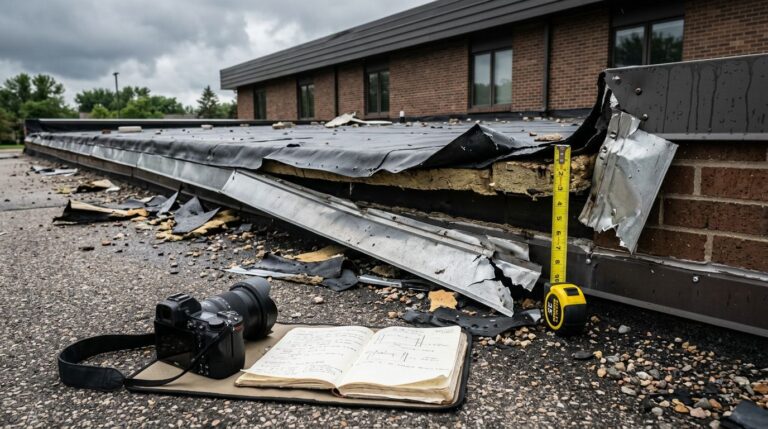
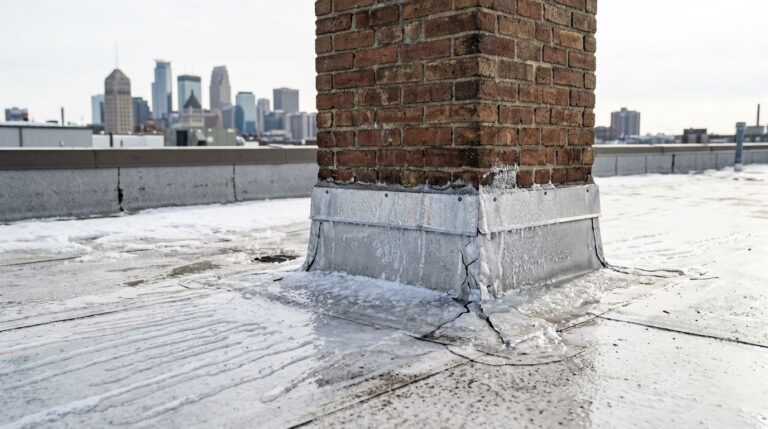
If the signs point to exterior water entry, your commercial roof needs repair. Early commercial flat roof repair can stop damage at a seam, penetration, curb, or flashing detail before wet insulation spreads.
If the moisture is widespread and tied to cold weather, fix the building conditions first. Air sealing, ventilation correction, and humidity control may solve it without roof patching. Still, if the roof is older and failures keep stacking up, a commercial roof replacement may make more sense than repeated short-term fixes. A qualified team that handles commercial roofing services in Saint Paul can sort that out with a full inspection.
FAQ
Can attic condensation stain ceiling tiles?
Yes, if it is severe. When frost melts and drips long enough, it can mark tiles and drywall. Still, the moisture pattern above the ceiling is usually broader than a true leak.
Why are wet nail tips such a common clue?
Metal fasteners get cold fast. When humid air hits them, water beads form first there. That usually points to condensation, not a hole in the roof.
Can a roof leak stay hidden during dry weather?
Yes. Some leaks show up only with wind-driven rain or during thaw cycles. A dry week can make a leak look like it vanished when it has not.
Snow can blur the pattern
On commercial roofs, melting snow may feed water into weak flashing long after the storm ends. That is why timing still matters.
Can poor ventilation alone cause serious attic moisture?
Yes, especially in winter. Poor airflow traps warm, damp air inside the roof cavity. Then that moisture condenses on cold framing and the underside of the deck.
When should a business owner stop guessing and call for help?
Call right away if insulation is soaked, ceilings sag, water is near wiring, or the source stays unclear after one inspection. Moisture that returns again and again needs a firm diagnosis, not another guess.
The clearest difference is still the same one you saw at the start: condensation spreads, leaks track. When you read the timing, pattern, and building conditions together, the cause usually comes into focus.
That matters because the fix is different. Patch a leak when water enters from outside, but correct airflow and humidity when the roof cavity is sweating.
Need a roof inspection in Saint Paul or the Twin Cities? Call Sellers Roofing Company at +1-651-703-2336 or schedule a free estimate. We are a black-owned, NMSDC-certified MBE roofing contractor with 9+ years experience.