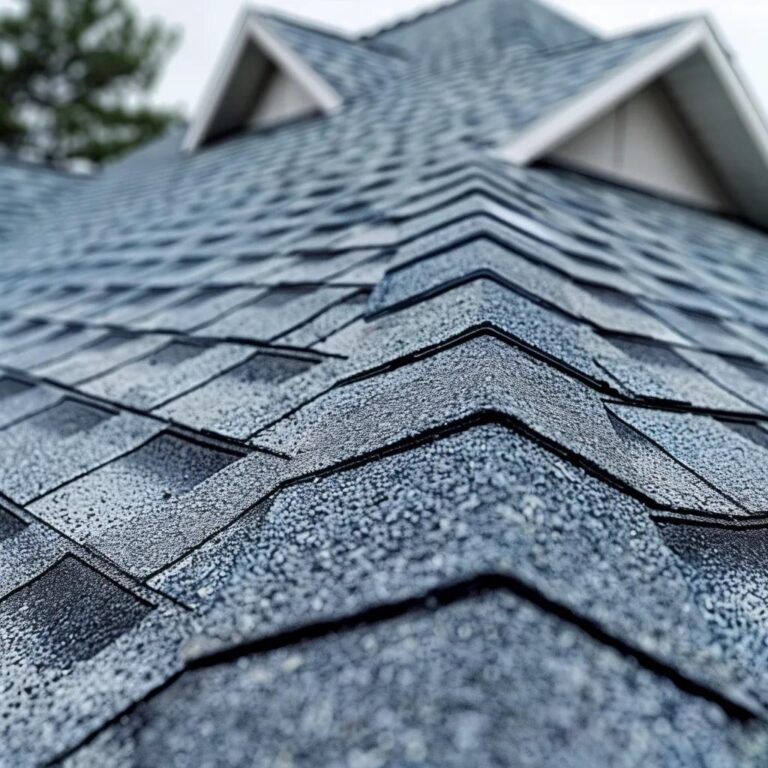
Last updated: 2026-05-26 by Ted Sellers, Owner
Wind damage on a cedar shake roof usually shows up as missing shakes, lifted corners, split wood, exposed felt, uneven rows, and fresh debris in gutters or on the ground. You may also see ridge cap movement, loose flashing, and new leaks inside. If the wood looks displaced instead of simply old, wind is a likely cause.
When This Applies
This applies to commercial buildings with cedar shake roofing
This guidance fits commercial owners who manage buildings with real cedar shake roofing, or cedar shake sections over entries, towers, or steep accent slopes. Older offices, lodges, churches, inns, and mixed-use buildings often fall into this group.
If you’re trying to decide whether a commercial roof needs repair after a storm, the first step is to confirm the roof covering. Cedar shake roof wind damage looks different from damage on asphalt, metal, or membrane systems because wood tends to lift, split along the grain, and leave irregular gaps.
When these signs do not tell the full story
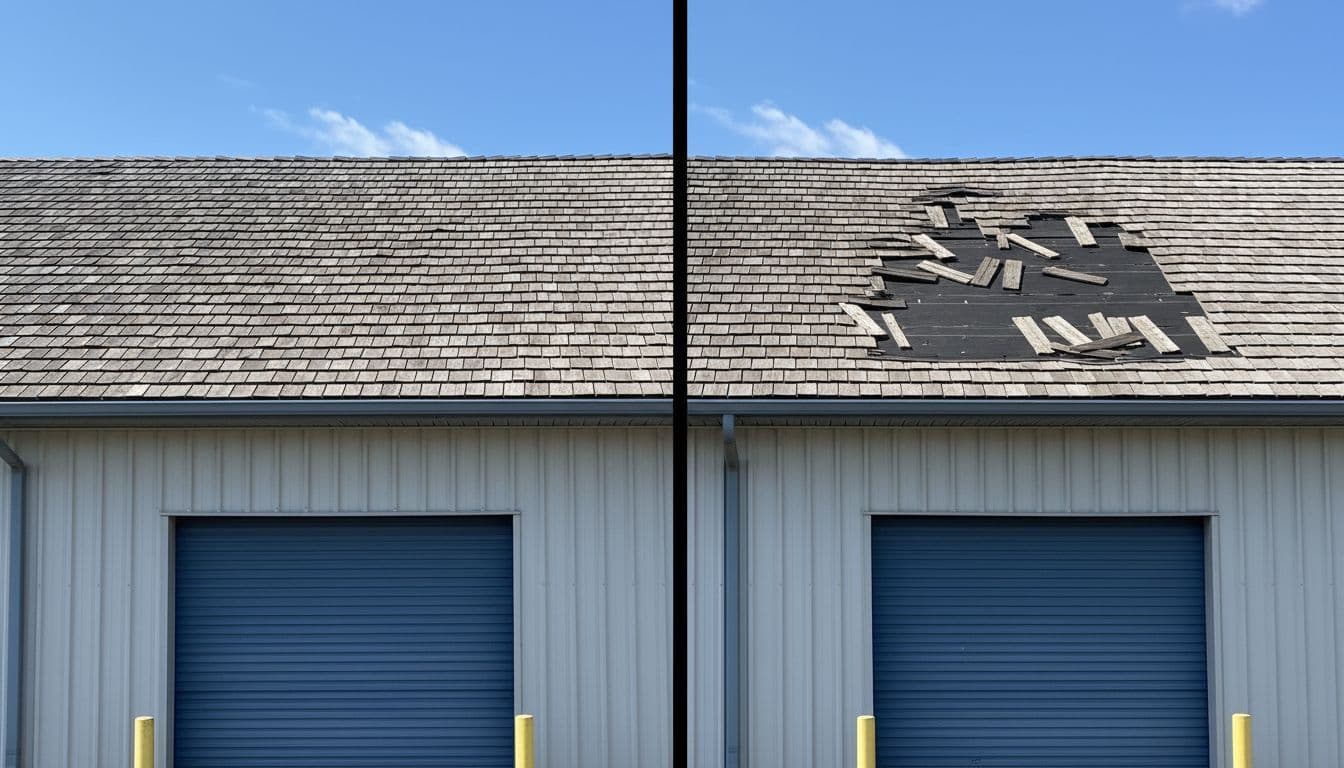
These signs do not fully apply if the roof is a low-slope system such as TPO, EPDM, or modified bitumen. In that case, storm damage may call for commercial flat roof repair, not shake replacement.
Wind also isn’t the only source of broken wood. Hail can bruise or chip the surface. Age can dry the shakes and cause random splits. Foot traffic can crack corners near service paths.
Mixed roofs need separate diagnoses
Many commercial buildings have steep-slope cedar on one area and membrane roofing on another. Treat each section as its own system. A wind claim on the cedar portion does not tell you what’s happening on the flat section.
What Wind Damage Looks Like on a Cedar Shake Roof
The patterns wind leaves behind
Wind rarely damages cedar shakes in a neat pattern. Instead, it creates scattered weak spots that often start at eaves, ridges, hips, corners, and roof sections that face open wind exposure. That uneven pattern is one of the clearest clues.
You might see shakes that have slid out of place, corners bent upward, or entire pieces torn away. In stronger gusts, the exposed underlayment or wood deck may show through. Rows can also look crooked because some shakes shifted while others stayed put.
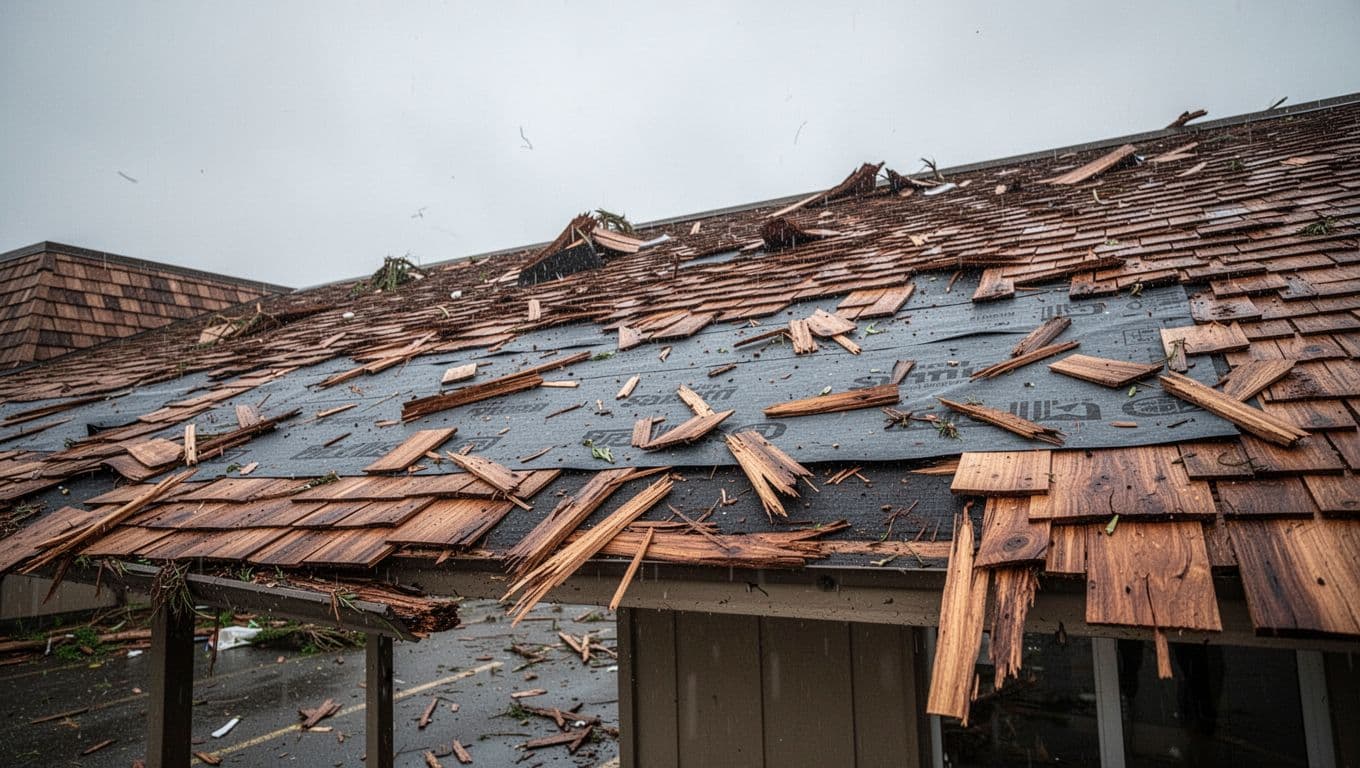
This quick comparison helps separate cosmetic wear from storm-related movement:
| What you see | What it usually means | Priority |
|---|---|---|
| Missing shakes | Wind pulled pieces free | High |
| Lifted or curled edges after a storm | Fasteners loosened or wood was pried up | High |
| Fresh splits with sharp, clean edges | Recent storm stress | Medium to high |
| Exposed felt or bare gaps | Water can enter quickly | High |
| Loose debris in gutters and at downspouts | Roof material is breaking free | Medium |
The main takeaway is simple: displacement matters more than color change. Old cedar may look weathered, but storm-damaged cedar looks moved.
What the wood looks like up close
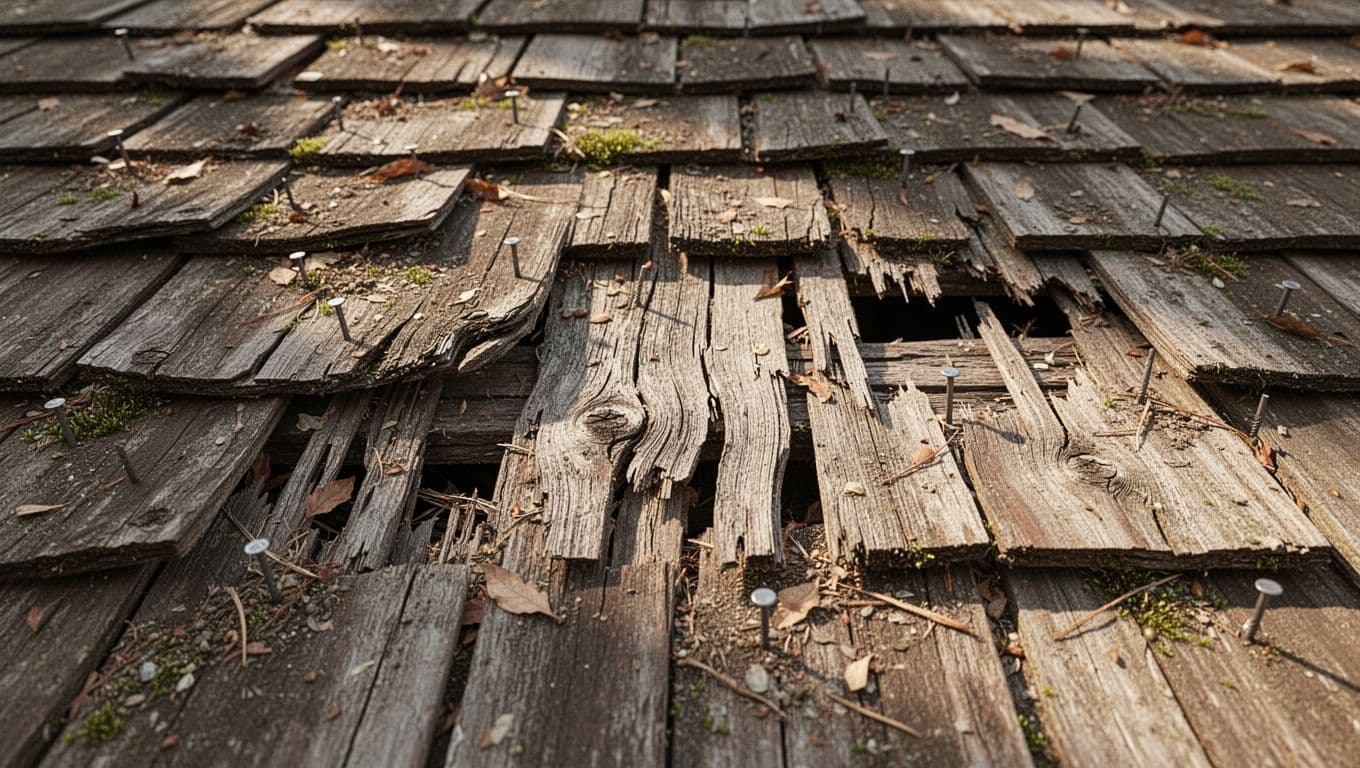
Up close, wind damage often shows as lifted tabs, cracked ends, broken corners, popped fasteners, and wood fibers that look freshly torn. Some shakes will still lie almost flat, but they won’t be secure anymore. That hidden looseness is why post-storm leaks often surprise owners a few days later.
If a cedar shake no longer lies flat and secure, it has already lost part of its weather-shedding ability.
Look closely at ridge caps and metal flashing too. Wind can tug at those details first, and once they loosen, water follows the opening. For added photo references, this set of cedar shake inspection tips shows common problem areas, and these examples of missing or loose cedar shakes after storm damage match what many owners find after high winds.
Step-by-Step
How to inspect after a wind event
- Start from the ground with binoculars or a phone zoom. Focus on ridges, eaves, corners, and any roof face that takes direct wind. You’re looking for gaps, crooked shake lines, lifted edges, and pieces that no longer sit tight.
- Walk the perimeter and check the ground, gutters, and drains. Fresh cedar fragments, broken corners, and unusual debris often tell the story before you ever get on a ladder. If debris collects in one area, damage may sit directly above it.
- Check the building interior next. Look for ceiling stains, damp insulation, musty smells, or light showing in the attic or upper plenum. A cedar shake roof can look only mildly damaged outside while already letting water in.
- Photograph everything in context and close-up. Take wide shots of each roof elevation, then tighter shots of missing shakes, flashing movement, and exposed underlayment. This wind damage documentation guide is helpful if you need to organize storm evidence for maintenance records or an insurance claim.
- Bring in a roofing contractor if you see lifted shakes, not only missing ones. Wind often breaks the roof’s hold before it creates an obvious opening. Early repair is cheaper than waiting for a leak path to spread into insulation, decking, and occupied space.
When Repair Stops Making Sense
Signs the damage is isolated enough for repair
A targeted repair often makes sense when damage is limited to a few shakes, one roof plane, or a small area around flashing. The rest of the field should still sit flat, feel stable, and show no broad pattern of splitting or loosening.
In that case, a contractor can remove failed pieces, replace matching shakes, and correct any flashing issues. For a newer or mid-life roof, this is often the right move.
Signs you’re closer to commercial roof replacement
Repair stops making sense when wind damage is widespread, repeated, or stacked on top of age. If many shakes are loose, the ridge caps have shifted, underlayment shows in several areas, and the wood is already brittle, patching becomes short-lived.
That’s when owners need to discuss commercial roof replacement instead of another round of spot fixes. The same is true if leaks keep returning or if the roof has passed most of its service life. A repair should restore function, not buy a few risky months.
Conclusion
The main takeaway
Wind damage on cedar shakes usually looks uneven, physical, and out of place. Missing pieces, lifted edges, fresh splits, and exposed underlayment matter more than simple weathering.
For commercial owners, the key is speed. When cedar shifts, water usually follows, and small openings rarely stay small for long.
FAQs
Can wind damage look like normal aging on cedar shakes?
Yes, sometimes it can. Old cedar often shows surface wear, fading, and minor splitting. Wind damage is different because the wood looks moved, lifted, or torn free. If the pattern appeared right after a storm, treat it as storm damage until a roofer proves otherwise.
How fast can a leak show up after shakes lift?
It can happen the same day if rain follows the wind. In other cases, the leak shows up later because water enters around flashing or through underlayment damage first. A dry ceiling right now doesn’t mean the roof escaped harm.
Does one missing shake matter on a large commercial roof?
Yes, it can. Cedar systems shed water by overlapping layers, so one missing shake can expose a weak point and let water reach the layer below.
Why small openings spread
Once wind gets under nearby pieces, that small gap can grow in the next storm. What starts as one missing shake may become a wider repair area.
What if the roof looks fine from the parking lot?
That happens often. Wind can loosen shakes without tearing them off, and those hidden failures are easy to miss from the ground. If you see new debris, hear rattling during gusts, or notice an interior stain, schedule a closer inspection.
Can a coating or sealant fix wind-lifted cedar shakes?
Usually, no. Sealant does not restore broken fasteners, torn wood, or shifted overlaps. It may slow water for a short time, but it does not rebuild the roof’s mechanical hold. Wind-lifted cedar needs proper repair, not surface masking.
Need a roof inspection in Saint Paul or the Twin Cities? Call Sellers Roofing Company at +1-651-703-2336 or schedule a free estimate. We are a black-owned, NMSDC-certified MBE roofing contractor with 9+ years experience.