Last updated: 2026-08-01 by Ted Sellers, Owner
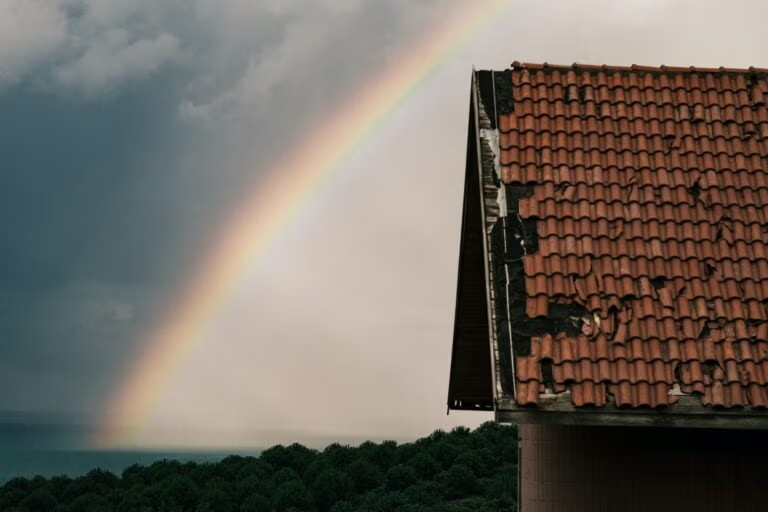
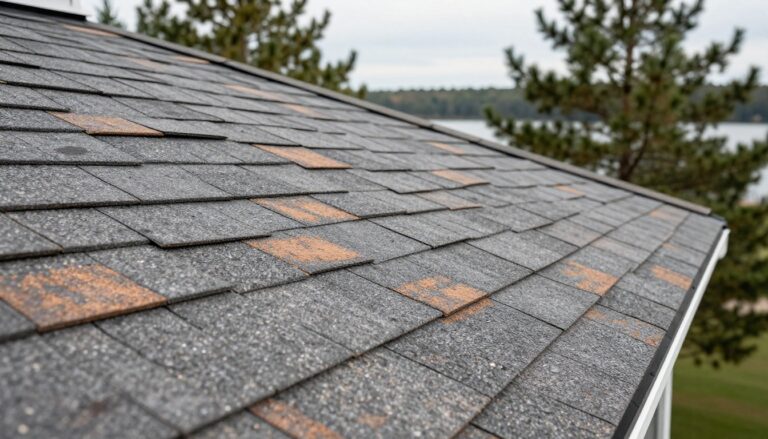
Yes, roof nails backing out is a common issue after repeated freeze-thaw cycles in Minnesota. This phenomenon, often referred to as nail pops, occurs when moisture enters small gaps and freezes. The subsequent expansion and contraction of materials as temperatures fluctuate puts significant stress on the entire roofing assembly. This movement can lift asphalt shingles, loosen trim, and eventually create leaks. On commercial roofs, the same pattern often shows up at edge metal, flashings, and exposed fastener details.
Key Takeaways
- Freeze-Thaw Impact: Repeated Minnesota temperature fluctuations cause moisture to enter gaps, leading to structural expansion and contraction that forces roof fasteners to back out over time.
- Identify Systemic Patterns: A single popped nail may be isolated, but multiple fasteners backing out—especially near edges, valleys, and vents—indicate a broader installation or moisture-related problem.
- Assess Surrounding Damage: The presence of softened decking, water staining, or brittle shingles suggests that simple resets will not provide a permanent fix and that more extensive repairs or replacements may be necessary.
- Prioritize Long-Term Solutions: While minor, localized backout can be addressed with sealant and fasteners, recurring issues require professional evaluation to determine if the roofing system has reached the end of its functional lifespan.
When This Applies
Where freeze-thaw causes the most trouble
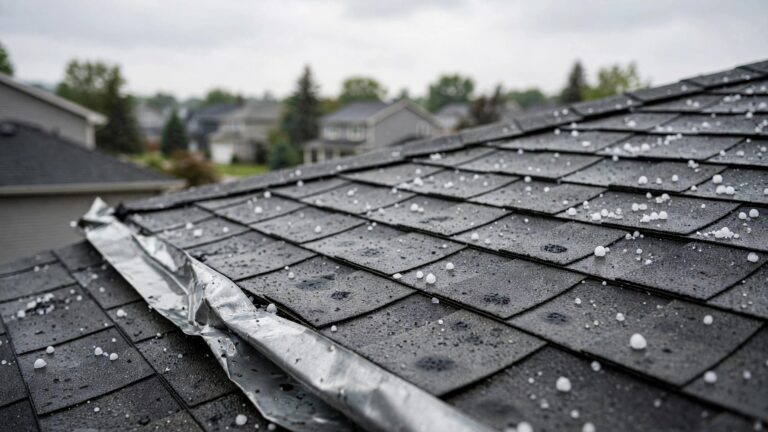
Roof nails backing out is most common when the roof deck, shingles, or fasteners have repeated moisture exposure. In Minnesota, that happens fast once snow melts during the day and refreezes at night, frequently leading to ice dams that trap water against the roof surface. This cycle creates persistent moisture intrusion that can weaken the bond between the fasteners and the roof sheathing. When combined with poor attic ventilation, internal condensation can further compromise the wood, especially near ridges, edges, penetrations, and any area where improper installation originally left the fasteners loose.
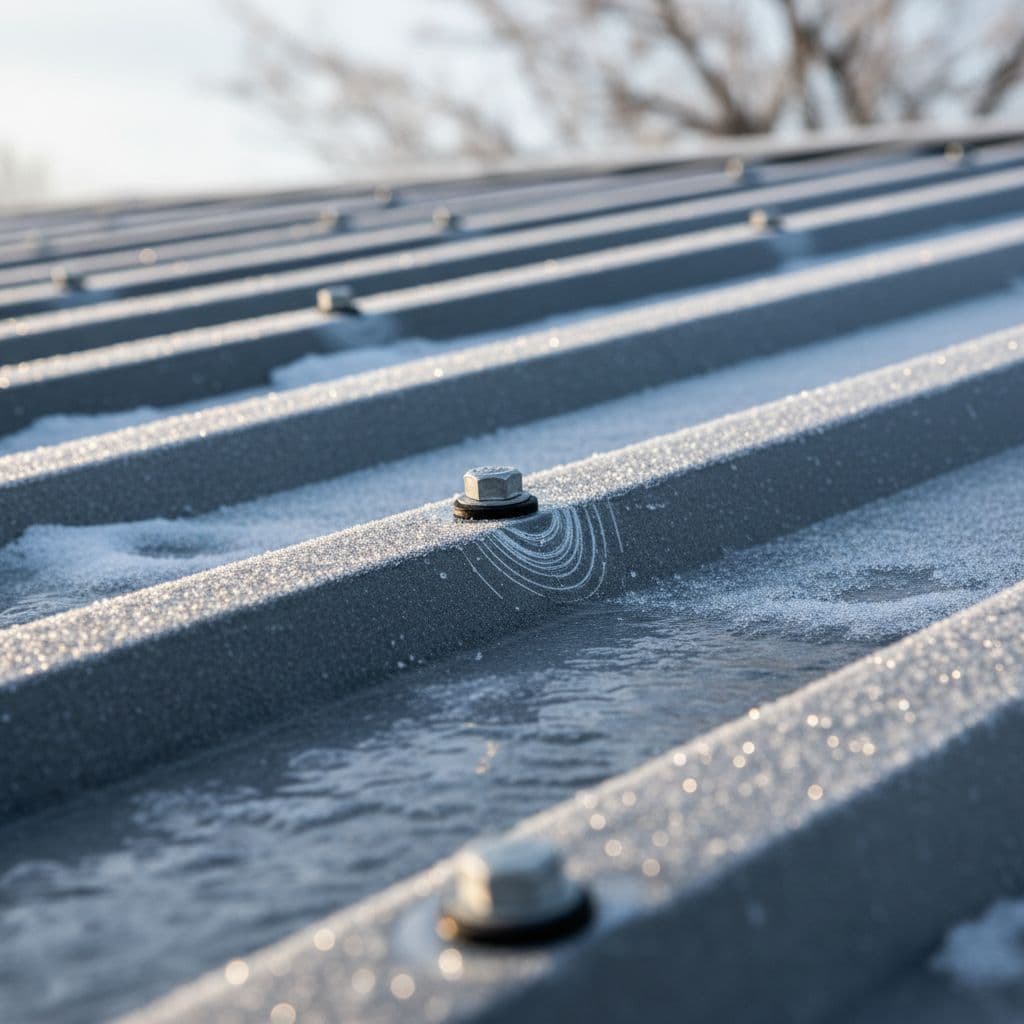
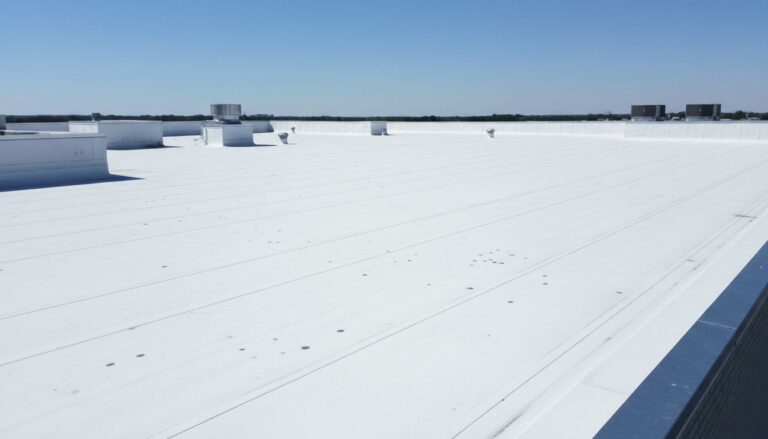
On commercial buildings, this is usually a concern around coping, perimeter metal, curb flashing, and exposed-fastener panels, rather than the middle of a membrane roof. If you need a closer look, a commercial roof inspection can separate fastener movement from other kinds of damage.
Cold-weather cycling is a real stress test for fasteners. A short primer on nail choice in cold climates shows why some fasteners hold better than others when materials keep moving under the stress of asphalt shingles or metal panels.
When it does not apply
A single loose nail does not always mean the whole roof is failing. If the roof is dry, the surrounding materials are sound, and the movement is isolated, a small repair may be enough. The problem is different when the roof has widespread moisture, rusted fasteners, or repeated roof leaks in the same area.
What points to a different issue
If the roof shows seam failure, saturated insulation, soft decking, or multiple water entry points, the problem is bigger than simple nail movement. In that case, a commercial roof needs repair based on the full condition, not just the visible fastener.
Step-by-Step
1. Look for a pattern, not one nail
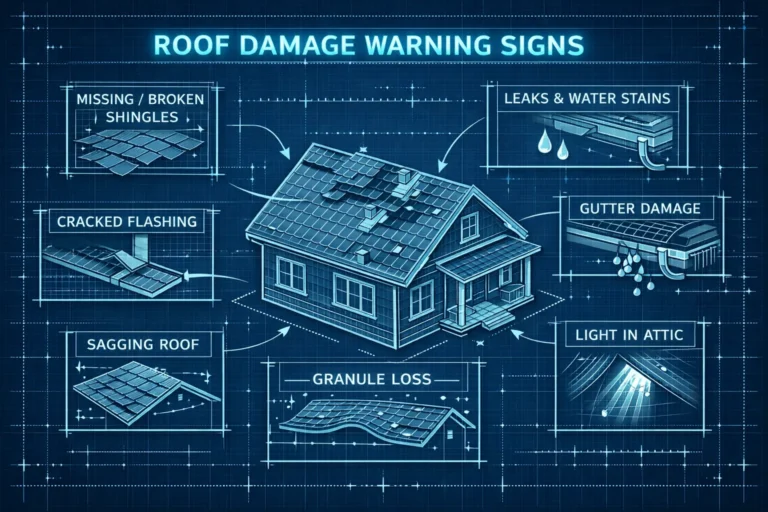
One popped nail can happen from age or a missed fastener. However, multiple nail pops in the same area often indicate a systemic issue rather than an isolated incident. Check edges, valleys, ridges, skylight curbs, and vents first. When you spot these nail pops in high-movement zones, you are likely seeing the effects of thermal expansion and contraction.
If you see interior staining or damp insulation, do not assume the issue is only cosmetic. Fastener movement often opens a path that leads to water intrusion, allowing moisture to travel far from the original entry point. For hidden moisture, commercial leak detection services in St. Paul can trace the source before the damage spreads.
Edge zones matter most
Wind and temperature swings hit roof edges harder than the center of the roof. That is why backout often shows up there first. On commercial properties, perimeter details can fail long before the main roof area does.
2. Check what moved around the fastener
The nail is only part of the story. Look at the material around it to see how the fastener is interacting with the wood decking. If the shingle is brittle or the roof sheathing has softened from moisture, the fastener has lost its necessary support. Often, these issues arise from the use of smooth shank nails, which lack the grip provided by ring shank nails.
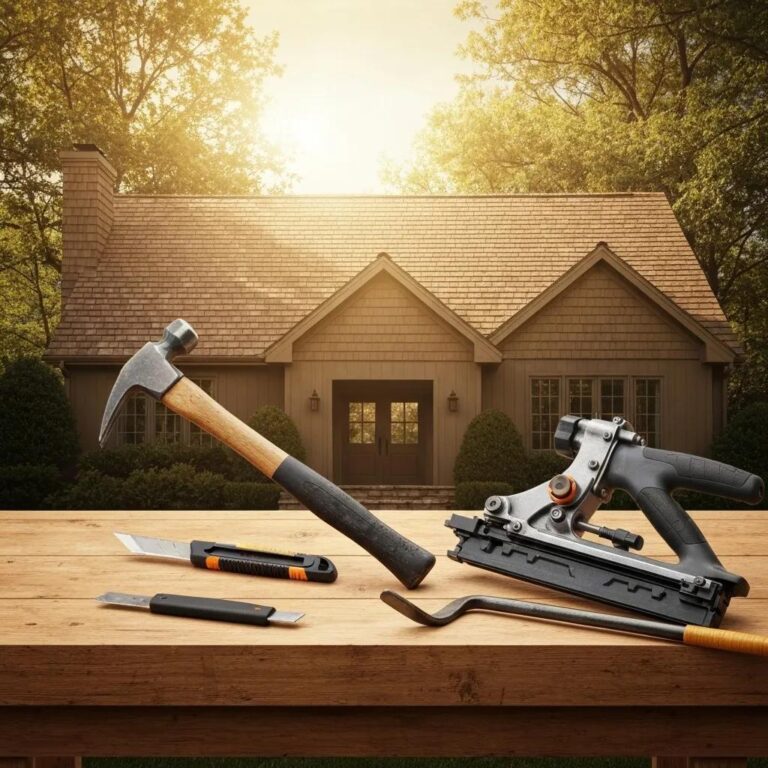
Furthermore, the installation process matters. If a contractor used a pneumatic nailer improperly, the system may suffer from over-driven nails that punch through the shingle, or under-driven fasteners that leave a gap for moisture. In these cases, simply pushing the nail back in is a temporary fix rather than a professional repair.
This is where documentation helps. Take photos of the popped fasteners, nearby staining, and any split material. If the roof is on a business property and the damage is active, stop the leak path first, then review the scope. A small problem may still fit commercial flat roof repair, but wet insulation or repeated openings can push the job toward commercial roof replacement.
3. Match the fix to the roof’s condition
Localized backout usually calls for resetting fasteners, replacing damaged shingles, and applying professional-grade shingle sealant around the affected area. That works well when the rest of the roof structure remains dry and stable.
Widespread movement is different. If you see repeated openings, loose edge metal, or failing seams across the roof, the system may be past simple patching. At that point, a commercial roof replacement can cost less over time than repeated service calls. The goal is to fix the underlying cause, rather than chasing the same moisture entry points after every freeze-thaw cycle.
FAQ
Can one popped nail cause a leak?
Yes, it can. One loose nail can lift a shingle or open a path around trim or flashing. Even minor nail pops can create a vulnerability. If water keeps entering, the leak may spread beyond the visible spot.
Do freeze-thaw cycles loosen nails on metal roofs too?
Yes, especially on exposed-fastener systems and perimeter details. The issue is often less about the panel field and more about fasteners, seams, and movement at the edges. Thermal expansion causes constant shifting, which stresses galvanized steel nails. Over time, this movement can compromise the coating, leading to rust and corrosion that further loosens the connection.
Should I just push the nail back and seal it?
That can work as a short-term measure if the damage is minor. However, you should also check for signs of shingle cupping. If your shingles are curling, it often indicates poor attic ventilation, which traps heat and moisture, ultimately causing the deck to expand and push fasteners upward. If the surrounding material is soft, wet, or cracked, the nail will likely move again.
Does this count as normal wear and tear?
Sometimes. If the backout came from age, poor fastening, or long-term movement, it may look like maintenance. However, insurance adjusters will often inspect the roof to see if the installation meets current local building codes. If a storm, sudden leak, or fresh ice damage triggered the issue, the cause may be classified differently.
When should I stop repairing and start replacing?
When the same area keeps leaking, when fasteners back out in multiple places, or when moisture has spread into insulation or decking. That is when a commercial roof needs replacement because spot repairs no longer solve the underlying structural problem.
Conclusion
Freeze-thaw cycles can loosen fasteners in Minnesota, especially where moisture, structural movement, and weak fastening meet. The primary warning sign is rarely just one instance of nail pops. Instead, pay attention to the pattern, the leak path, and the overall condition of the roofing assembly around those penetrations.
Because even minor issues can compromise the integrity of asphalt shingles, consistent roof maintenance is the best way to catch problems early. For any commercial property, the smartest move is to confirm the source of the issue, stop active water entry, and determine the scope of work based on the current state of your roof. We recommend consulting with experienced local roofing contractors to perform a thorough roof inspection. Depending on the findings, a small issue may only require a professional commercial flat roof repair, but wider damage could indicate the need for a full commercial roof replacement.
Need a roof inspection in Saint Paul or the Twin Cities? Call Sellers Roofing Company at +1-651-703-2336 or schedule a free estimate. We are a black-owned, NMSDC-certified MBE roofing contractor with 9+ years experience.