Last updated: 2026-08-01 by Ted Sellers, Owner
Usually, yes, but only in limited cases. If a covered loss damages the roof deck and Minnesota code, or a local building official, requires replacement, insurance may pay for some or all of that work. The claim often turns on two issues: whether the deck was harmed by a covered event, and whether your policy includes ordinance or law coverage for code-driven costs.
When This Applies
When code-required deck work is usually covered
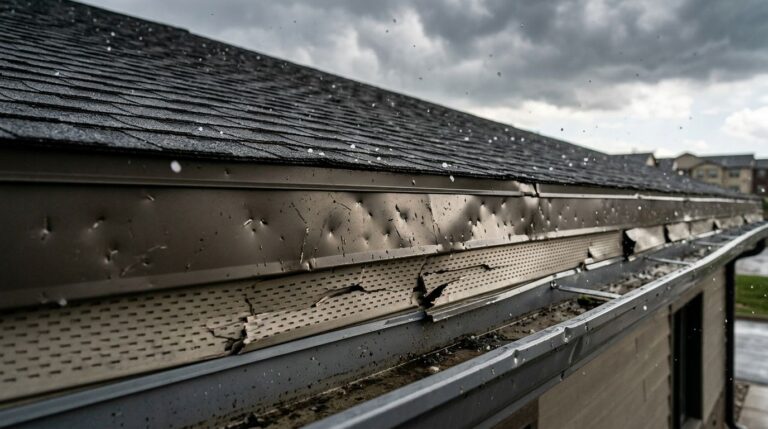
This issue matters most for commercial owners with flat or low-slope roofs, including warehouses, office buildings, retail centers, and multifamily properties. If wind, hail, fire, or a sudden water event damages the roof assembly and tear-off exposes a weakened deck, the carrier may owe for the damaged decking.
In Minnesota, code enforcement happens through the local building department. Because of that, the insurer often wants more than a roofer’s opinion. A written requirement from the inspector carries weight, especially when the deck can’t safely hold the new system or no longer meets current fastening or structural rules.
For roof deck replacement insurance claims, the strongest file shows both direct physical damage and a clear code trigger. Without both, the carrier may pay for roofing above the deck but deny the decking itself.
When it usually does not apply
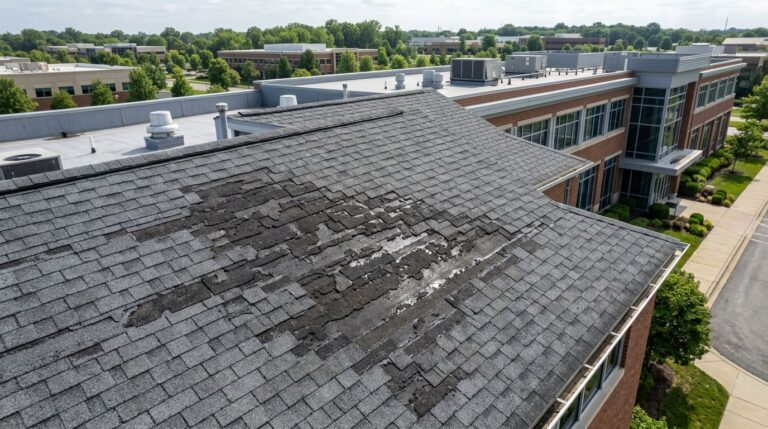
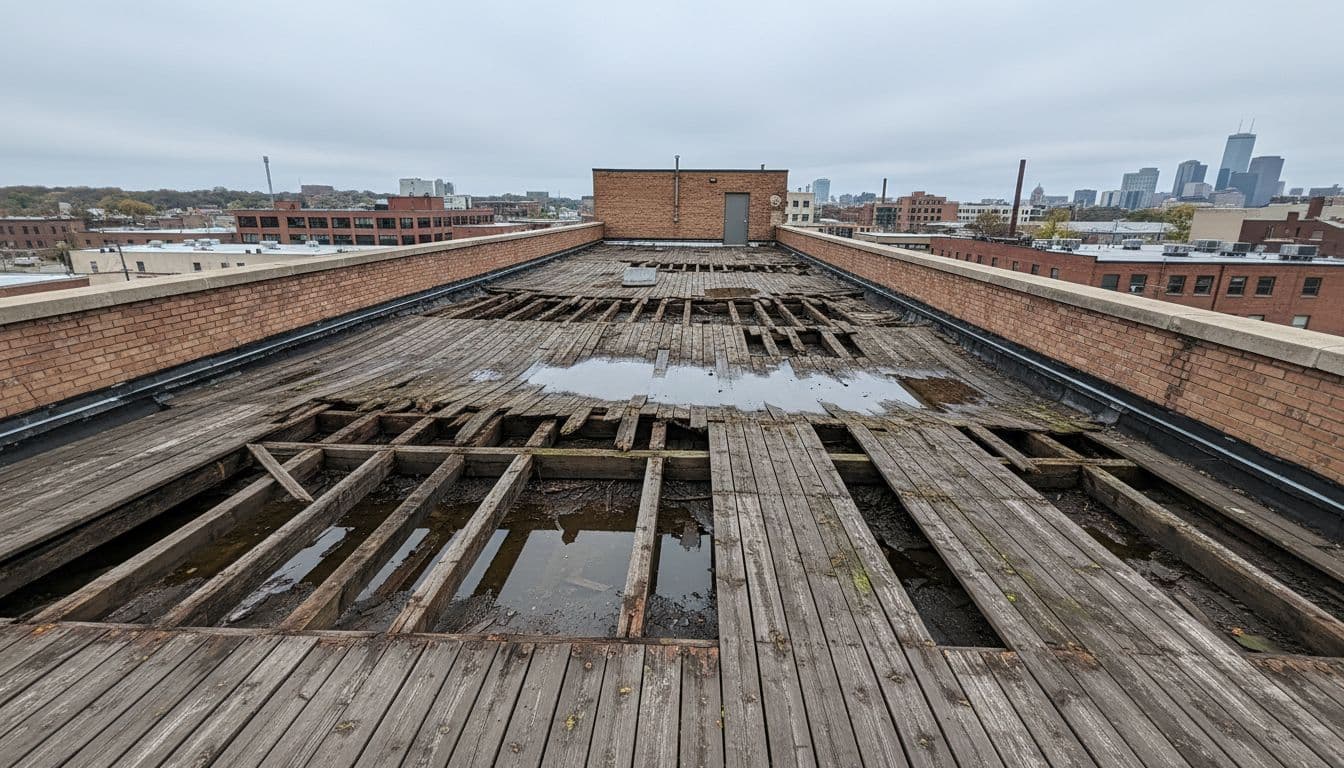
Coverage usually falls apart when the deck failed from age, long-term leaks, rot, rust, poor drainage, or skipped maintenance. Insurers often treat those problems as wear and tear, not sudden loss. That matters because code may require replacement, but the policy may still exclude the reason the deck deteriorated in the first place.
The same problem comes up during an elective commercial roof replacement. If you’re replacing an old roof at the end of its life, the carrier usually won’t pay for deck upgrades simply because today’s code is stricter than the code in place when the roof was installed.
A smaller claim can run into the same wall. For example, a commercial flat roof repair may uncover soft decking below the membrane. If that weakness built up over years, the insurer may deny the deck even if the surface leak is recent.
The common exception business owners miss
When a commercial roof needs repair after hail or wind, many owners assume the whole code-driven scope is covered. Often, it isn’t. The policy may pay for the damaged area, while the added cost to meet current code is covered only if the policy includes the right endorsement, and enough limit.
The deck can be required by code and still be excluded by the policy if the underlying cause is old damage or if ordinance coverage is missing.
This quick comparison helps frame the issue:
| Scenario | More likely covered? | Why |
|---|---|---|
| Storm damages the roof and soaked deck | Yes | Direct physical loss is easier to prove |
| Inspector requires added work to meet current code, and ordinance coverage applies | Often | The code upgrade may be covered up to policy limits |
| Tear-off reveals old rot from long-term leaks | No | Wear, decay, and maintenance issues are often excluded |
| Owner replaces an aging roof and code requires a better deck | No | No covered loss triggered the work |
The main point is simple. Code can expand the scope of a covered claim, but code alone doesn’t create coverage.
Step-by-Step
1. Confirm what damaged the deck
Start with cause, not cost. The carrier will ask why the deck must be replaced, so your roofer should document whether the problem came from hail, wind uplift, impact, fire, or a sudden water intrusion tied to a covered event.
If the story is fuzzy, the claim gets harder. Ask for photos of torn membrane, wet insulation, fastener pull-through, rusted steel, or broken wood fibers. A documented commercial roof leak detection in Saint Paul report can also help when moisture is trapped below the surface.
If the deck damage is hidden
Hidden damage doesn’t kill the claim, but it raises the bar. You need dated photos, moisture readings, and a clean explanation of how the water got there.
2. Ask for a scope that separates damage from code work
Don’t accept one lump number. Ask your contractor to split the estimate into direct damage, temporary protection, code-required deck work, and the new roof system above it. That separation matters because adjusters often approve one bucket and question the others.
A good scope also shows quantities. How many deck sheets are damaged? How many more must be replaced because the local inspector requires it? Clear line items keep a repair claim from turning into an argument over assumptions.
3. Check the policy for ordinance or law coverage
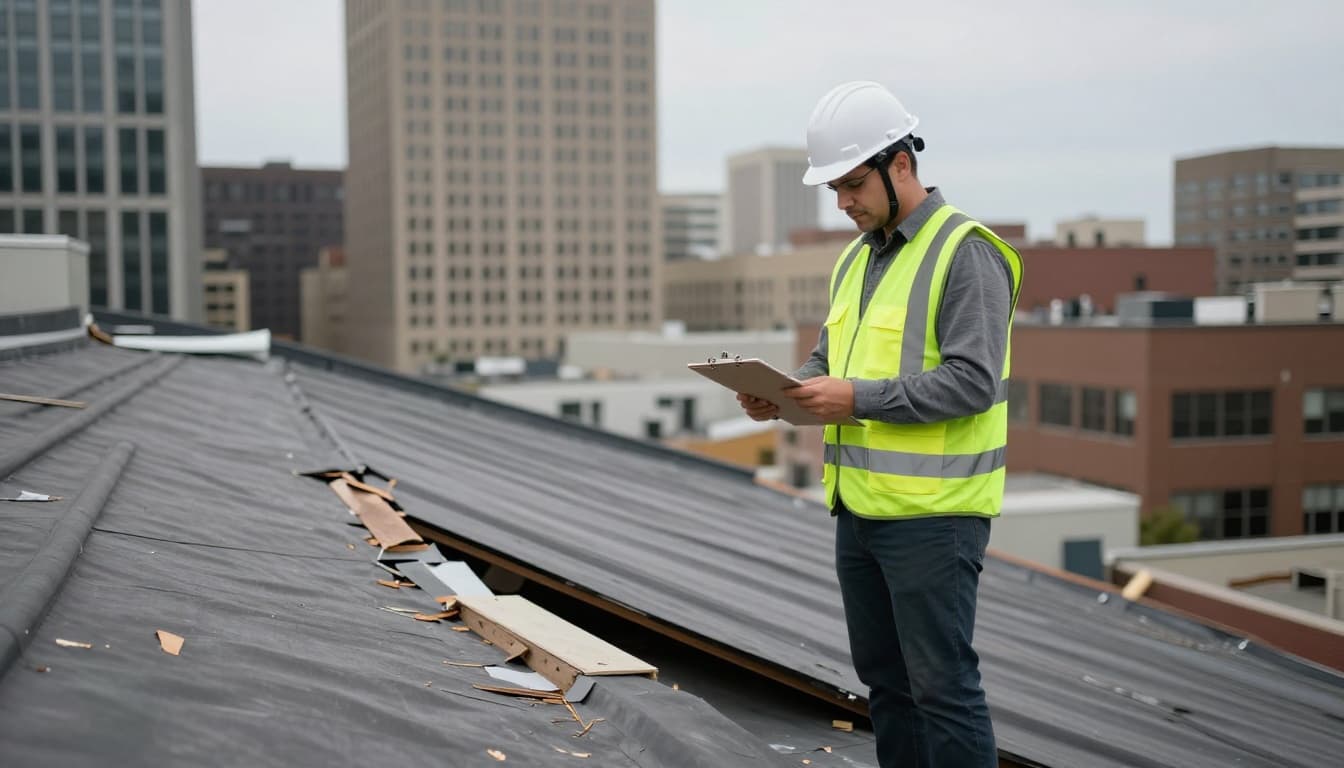
This is where many Minnesota claims are won or lost. Your property policy may cover the damaged roof components, but the extra amount required to meet today’s code often sits under ordinance or law coverage. Some policies include it. Others require an endorsement. Many cap it with a sublimit.
Read the declarations page and the endorsements. If the limit is low, it may not cover the full deck scope. If the endorsement is missing, the carrier may pay only what it would have cost to repair the damaged area without the code upgrade.
Where owners usually find the answer
Look for wording tied to increased cost of construction, demolition, or code compliance. If the language is unclear, ask the carrier for the exact policy section it is using.
You need two approvals, one from the policy and one from the building official. If either is missing, payment can stop short.
4. Document the deck before repairs hide the evidence
Emergency work is fine, and sometimes necessary, but don’t erase your proof. Before crews cover, patch, or remove damaged sections, collect date-stamped photos, close-ups, wide shots, moisture data, and notes on where each damaged area sits on the roof plan.
Keep samples if possible. Save invoices for temporary dry-in work. Also keep records of interior leaks or tenant damage if the leak reached occupied space. The goal is simple: when the adjuster asks what was there before work started, you should have a clean answer.
5. Get the local code requirement in writing
A contractor can flag a problem, but the written code call should come from the authority that matters on your project. In Minnesota, that is often the local building official. Ask for a written note, correction notice, permit comment, or inspection record that explains why the deck must be replaced.
That written record is often stronger than a verbal comment on the roof. It also helps your roofer line up the right scope, whether the job stays a targeted repair or grows into a broader system change. If you need help sorting that scope, this page on code upgrades for St. Paul business roofs gives useful context.
Why the wording matters
“Recommended” is weaker than “required.” If the inspector states that the deck does not meet code for re-roofing, the claim position is easier to support.
6. Review the settlement before authorizing the full job
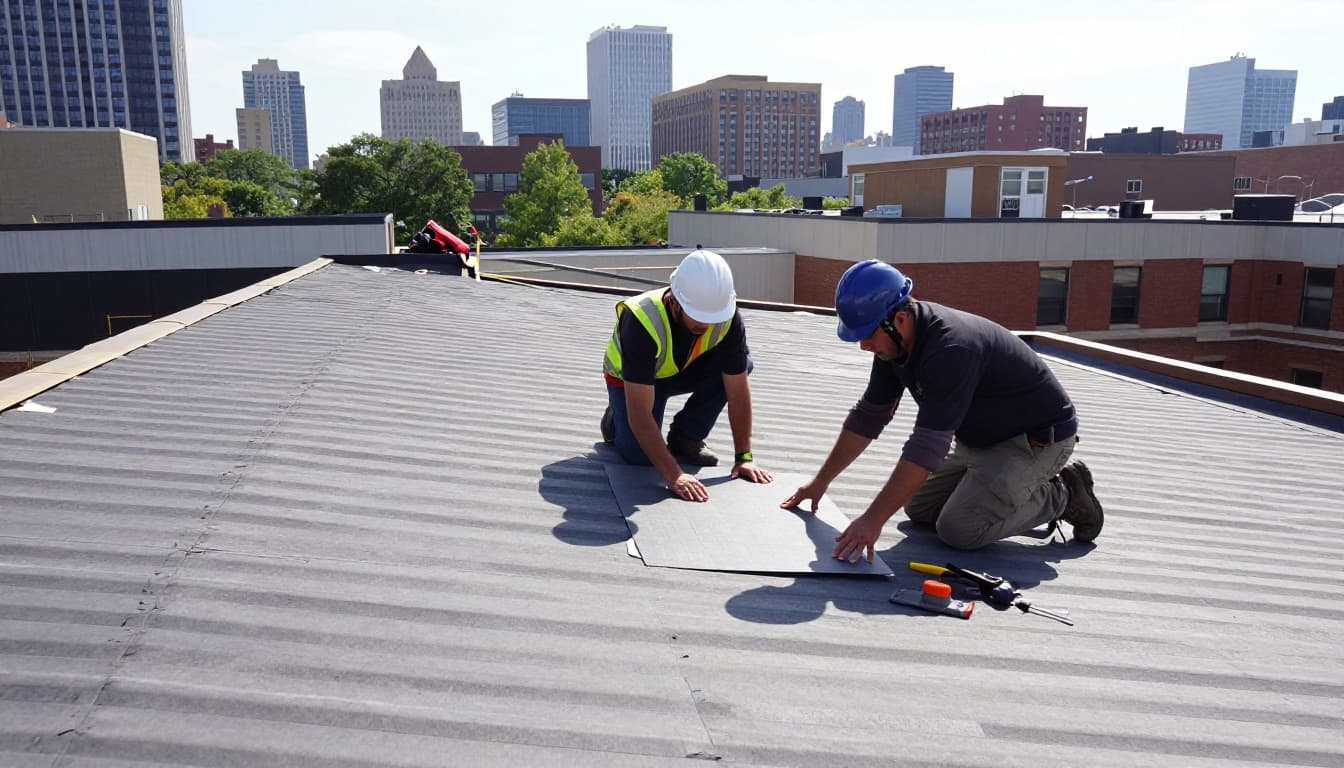
Before you sign off on the final work order, compare the roofer’s scope to the insurer’s estimate. Check what the carrier approved for decking, insulation, membrane, tear-off, code items, depreciation, and deductible. Small wording gaps can create large unpaid balances.
This step matters even more when the project starts as a repair and then grows. A localized claim should not slide into a full commercial roof replacement unless you know who is paying for each part. If the carrier denies decking, ask for the denial in writing and answer it with your photos, scope, and code document.
Final Thoughts
Minnesota insurance may cover code-required roof deck replacement, but only when the facts line up. You need a covered cause of loss, proof that the deck was damaged, and policy language that pays for the added code cost.
Most disputes start when those pieces get mixed together. If you separate damage, deterioration, and code scope early, you can make better decisions before the roofing contract locks you into a bill the carrier won’t pay.
FAQ
Will insurance pay if bad decking is found only after tear-off?
Sometimes. If tear-off reveals damage caused by a covered event, the claim can be updated. If it reveals old rot, rust, or long-term moisture, the carrier may treat it as excluded deterioration instead.
What helps in that situation
Photos from the first day of tear-off, moisture data, and a revised scope make a big difference.
What if only part of the deck is damaged, but code requires more replacement?
That can be covered, but usually only if the added work is truly code-required and the policy has ordinance or law coverage. Without that endorsement, the carrier may stop at the area with direct damage.
Does hail damage make deck replacement more likely to be covered?
Hail helps only if it caused a covered loss that affected the deck or forced tear-off that exposed deck damage tied to the loss. Hail on the membrane alone does not automatically put all decking into the claim.
Can I start repairs before the adjuster visits?
Yes, if you need emergency work to stop more damage. Still, document everything before materials are removed, and keep invoices, photos, and samples when you can.
Emergency work and proof need to happen together
Protect the building first, but keep evidence as you go. A dry roof with no proof can weaken a good claim.
What if the insurer approves the roof but denies the deck?
Ask for the exact policy reason in writing. Then compare that reason to your contractor’s damage report and the inspector’s code notice. If the denial ignores new evidence, send a supplement and ask the carrier to re-review the scope.
Need a roof inspection in Saint Paul or the Twin Cities? Call Sellers Roofing Company at +1-651-703-2336 or schedule a free estimate. We are a black-owned, NMSDC-certified MBE roofing contractor with 9+ years experience.