Last updated: 2026-05-26 by Ted Sellers, Owner
If you’re wondering what common signs of roof damage are, start by scanning for missing or curled shingles, granule loss, and water stains in the attic. These visible issues often appear before leaks or wider deterioration and can be easy to miss. In Minnesota, freeze-thaw cycles and frequent storms speed up wear, so a small flaw can become an urgent repair within weeks. Early detection saves money and extends roof life.
7 key indicators of roof damage
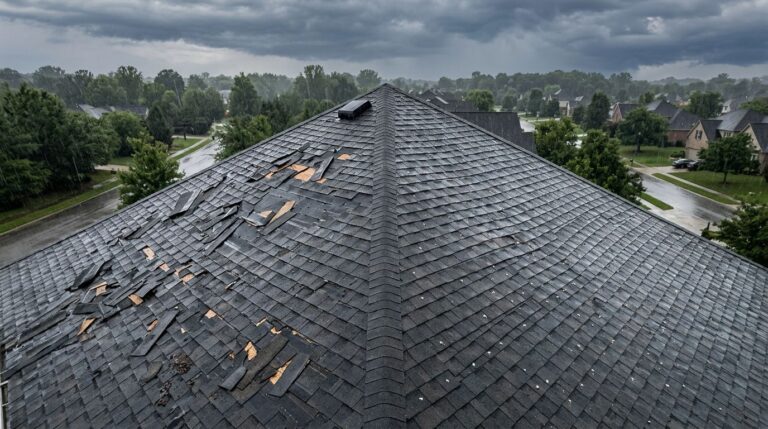
- Missing, lifted, or curled shingles — Look for shingles torn from the roofline or found on the ground; multiple missing or wind-torn tabs create openings for water.
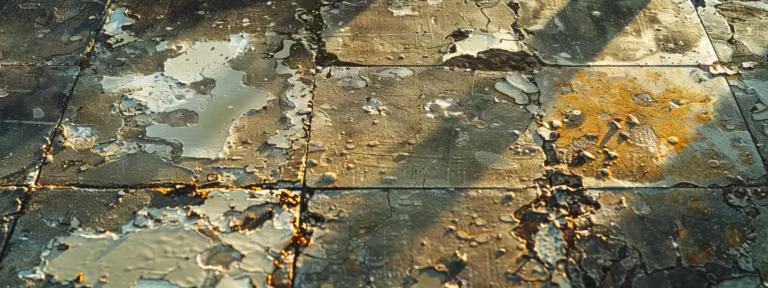
- Granule loss and bare shingle spots — Shiny or bare areas on shingles and sand-like piles in gutters indicate loss of UV protection and accelerated deterioration.
- Damaged, loose, or corroded flashing and metalwork — Bent or rusted flashing around chimneys, vents, and valleys lets water penetrate under roofing materials.
- Interior water stains and attic moisture — Brown ceiling stains, damp insulation, and musty odors usually signal active leaks needing prompt attention.
- Sagging decking, soft spots, or daylight through the deck — These structural warnings suggest saturated decking or framing decay and require immediate professional stabilization.
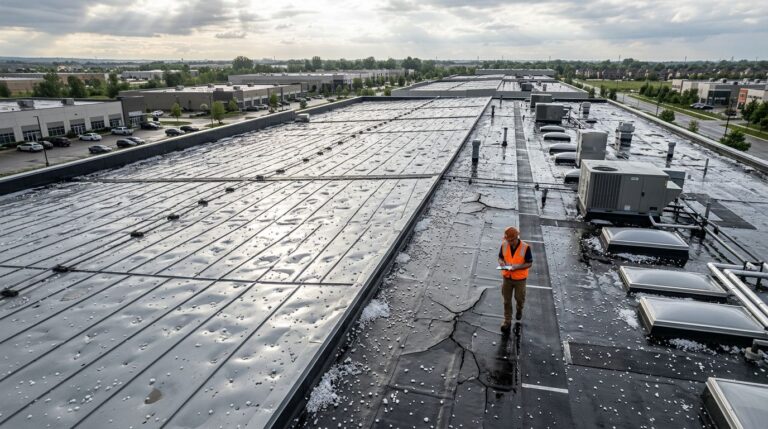
- Hail and impact damage — Pockmarks on shingles and dents in metal vents, gutters, or flashing weaken roofing materials even if leaks are not yet present.
- Wind uplift and missing ridge caps — Lifted tabs, exposed nails, and debris tucked under shingles allow wind-driven rain to enter and exacerbate damage.
What you need to know
Start with an exterior scan. Look for missing or curled shingles, granule loss, lifted flashing, and shingles on the ground, and photograph anything suspicious for records. For a step-by-step routine you can follow during your inspection, see the Roof Inspection Checklist For Homeowners (2026 Guide).
Why early detection matters and how Sellers Roofing Company helps
Small roof problems can worsen quickly. When moisture reaches insulation and framing it causes mold, rot, and higher energy bills, so early signs of leaks can become interior damage in a short time. Regular checks reduce the chance of full replacement, limit mold growth, and help preserve indoor comfort and resale value. For homeowner-focused information about common roof damage types, refer to GAF’s homeowner guide to roof damage.
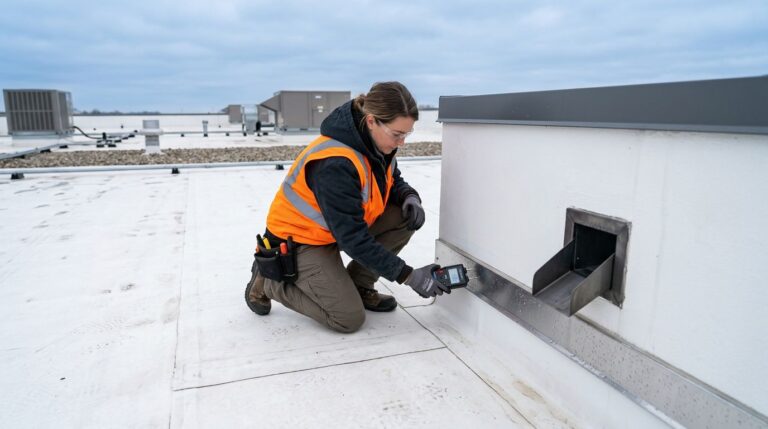
Sellers Roofing Company provides a thorough, documented inspection for property managers, business owners, facility operators, and homeowners. The inspection includes a curb-to-peak roof scan, an attic check for moisture and insulation damage, high-resolution photos, a written condition report, a repair-versus-replacement recommendation, and insurance documentation with estimates.
We are a family-owned contractor serving Saint Paul and the Twin Cities for over 18 years, and our licensed crews install and maintain commercial flat, metal, TPO, and EPDM systems in addition to residential roof replacements. Our team can also provide emergency tarping and adjuster support to speed claims and reduce operational disruption. Learn more about common residential warning signs in our article Roof Damage? Know The Signs, Sellers Roofing Company.
Common signs of roof damage you can spot from the curb (exterior)
Begin by scanning the roofline for missing, lifted, or curled shingles. Bare patches, wind-torn tabs, or shingles found on the ground create openings for water and often indicate storm damage. A single missing shingle might be monitored in dry weather, but multiple missing or torn shingles need fast repair to prevent interior damage.
Curled, cracked, or warped shingles indicate bond or granule failure and reduce a shingle’s service life. Mark affected areas and check the attic for stains; isolated curling can often be scheduled for repair, while widespread curling may mean replacement is due.
Damaged or rusted flashing, corroded metal around vents, and sagging gutters also signal trouble even if shingles look intact. Loose or bent flashing around chimneys, pipes, and valleys lets water in, so repair or secure metalwork promptly. Photograph those areas and then move inside to check for related attic or ceiling signs.
Common signs of roof damage inside your attic and ceilings
Interior clues often appear before exterior damage becomes obvious. Ceiling stains usually start as damp, irregular patches and may darken as fibers break down. Press the center of a stain gently to check for dampness and recheck after rain. Stains that spread or appear near lighting fixtures are urgent and should be addressed quickly to reduce fire and safety risks. For a complete guide to identifying and tracing leaks, review this roof leak detection guide.
In the attic, look for moist or discolored insulation, musty odors, and dark streaks on rafters. Because water follows the framing, stains higher on a rafter can show where the penetration point is higher up the roof. Move insulation aside carefully to photograph the area and ventilate if it is safe to do so. Avoid touching visible mold without gloves and a mask, and document it for repair and remediation quotes.
Soft spots, sagging decking, or daylight showing through roof boards are structural warnings that go beyond a simple patch. These conditions suggest saturated decking and possible framing decay and require professional stabilization to prevent collapse. Do not walk on compromised areas; contact a licensed crew for emergency support and documentation.
Storm and impact indicators: what to check after wind or hail
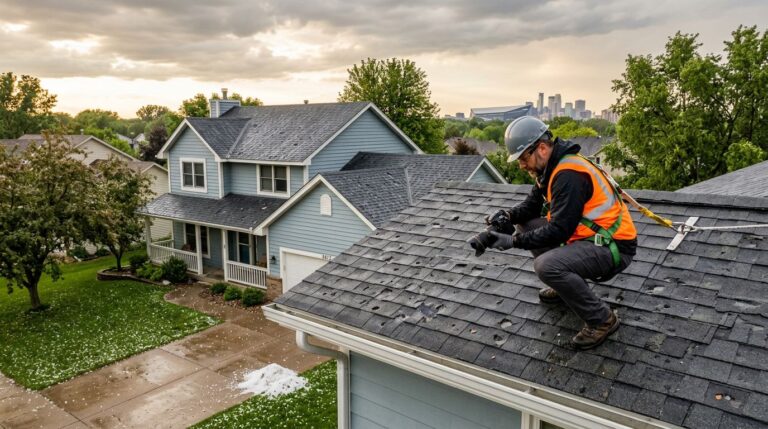
Hail damage appears as random pockmarks and crushed granules on asphalt shingles and as dents in metal vents, gutters, and flashing. Check gutters and downspouts for loose granules and inspect shingle surfaces up close for bruising that may not show from the ground. Bruised shingles may not leak right away, but they lose protection and can fail sooner than intact roofing. For tips on spotting post-storm roof damage, see this guide on how to spot roof damage after a storm.
Wind uplift leaves signs like lifted tabs, exposed nails, missing ridge caps, and debris tucked under shingles after gusty storms. Partially lifted shingles allow wind-driven rain to get under the roof covering and into the decking during the next storm. Inspect valleys and flashings where wind and debris most often pry materials loose.
After any storm, document everything for insurance. Note the date and time, take high-quality photos from the ground and the attic, photograph gutters with granule buildup, and keep damaged materials for adjusters. Obtain a professional inspection and a written estimate before signing with any contractor to protect your claim and prioritize appropriate repairs or emergency tarping.
How to do a safe, quick roof inspection yourself (safety first)
Put safety first. Never climb a steep, icy, or brittle roof, and avoid using a ladder in high wind. A careful look from the ground and inside the attic will catch most early problems before they become emergencies.
Start with a repeatable ground and attic routine. From the ground, scan the roofline from all sides, inspect gutters for granules and debris, and take wide photos for context. In the attic, look under flashings, search for stains or wet insulation, note any daylight through the deck, and be alert for musty odors.
- Walk all sides of the building and photograph each elevation. Take both wide shots for context and closeups of any suspect areas.
- Empty and inspect gutters and collect any loose shingle granules for comparison. Save samples in a labeled bag or container.
- Enter the attic with a flashlight and photograph stains, wet insulation, and flashing seams. Keep photos dated and note their exact locations in the attic.
- Record the date, time, and weather for every inspection and name files clearly for insurance use. Consistent naming and timestamps help adjusters review your claim efficiently.
Save files with a consistent naming convention, for example 2026-02-28_roof-north-gutter.jpg, and keep a short timeline of events for adjusters to review.
Next steps: urgency, temporary fixes, repair vs replacement, and booking Sellers Roofing Company
Sort damage by urgency. Active leaks, sagging decking, or water near electrical panels are emergencies that need immediate tarping and service. Isolated surface wear or a single lost shingle can usually be scheduled within days, but any active water intrusion calls for temporary tarping and fast action.
Take safe, simple steps now to limit damage. From the ground, clear gutters and downspouts, move furniture and electronics away from leak areas, set buckets under drips, and protect interiors with plastic sheeting. Document damage with dated photos and timestamps and keep those files organized for adjusters to review.
To budget for work, minor repairs typically cost about $200 to $2,000 depending on scope. Full replacements vary by material and labor and can range from several thousand to tens of thousands of dollars; for current national replacement cost guidance see this roof replacement cost guide from NerdWallet. Signs that point toward major replacement include widespread material failure, rot or soft decking, multiple leak locations, and roofs beyond the manufacturer’s expected life. A professional inspection will clarify the right course and provide a written estimate for budgeting and claims.
If you see any of the seven indicators covered here, document the damage, stabilize the area, and schedule a professional inspection. For commercial properties and facility operators, we also discuss common warning signs specific to businesses in our Business Roof Damage: Key Signs article.
Know what are common signs of roof damage and act now
Recognizing what are common signs of roof damage matters because early action prevents costly leaks and operational disruption. Minnesota’s freeze-thaw cycles and frequent storms speed roof failures, so spotting issues early preserves property appearance and extends a roof’s service life. Sellers Roofing Company has local experience inspecting roofs and documenting problems before they escalate.
Need a roof inspection in Saint Paul or the Twin Cities? Call Sellers Roofing Company at +1-651-703-2336 or schedule a free estimate. We are a black-owned, NMSDC-certified MBE roofing contractor with 9+ years experience.