Last updated: 2026-05-26 by Ted Sellers, Owner
Table Of Contents:
- EPDM vs Other Roofing Materials: A Comparison
- Introduction
- What Is EPDM Roofing and How Does It Compare to Other Materials?
- How Do EPDM and Other Roofing Materials Compare in Cost and Value?
- What Are the Durability and Lifespan Differences Between EPDM and Other Roofing Materials?
- How Do Installation and Maintenance Requirements Differ for EPDM vs Other Roofing Materials?
- What Are the Environmental and Energy Efficiency Benefits of EPDM Compared to Other Roofing Options?
- What Are the Pros and Cons of EPDM Compared to Asphalt Shingles, Metal, TPO, and PVC Roofing?
- How Can Homeowners and Contractors Choose Between EPDM and Other Roofing Materials?
- Tables and Lists
- Frequently Asked Questions
- Final Thoughts
EPDM vs Other Roofing Materials: A Comparison
Introduction
When it comes to roofing, selecting the right material is crucial for the long-term performance, durability, and energy efficiency of your home or commercial building. In today’s market, EPDM (ethylene propylene diene monomer) roofing has gained popularity as an alternative to traditional materials such as asphalt shingles, metal roofing, TPO, and PVC. In fact, some experts even ask, “can you put epdm over epdm” when considering installation methods and layered applications. Roofs not only shield structures from the elements but also contribute significantly to energy efficiency and overall value. Homeowners and business owners alike must weigh the benefits and drawbacks of each roofing option with respect to cost, installation ease, maintenance, durability, and environmental impact.
In this article, we compare EPDM roofing with other commonly used materials, including asphalt shingles, metal roofing, TPO, and PVC. We analyze key features, durability and lifespan, installation and maintenance requirements, as well as environmental and energy efficiency benefits. Further, we address the pros and cons of these materials and provide guidance on selecting between EPDM and its alternatives. This comprehensive guide draws on scientific explanations and real-world examples to help you make an informed decision. Whether dealing with emergency repairs or planning a full roof replacement, it is essential to understand which roofing material delivers the best value and performance over time.
Our discussion examines material-specific attributes such as puncture resistance and weathering while projecting long-term value improvements from environmentally friendly and cost-effective options. With roofing being one of the most significant investments in any property, this in-depth analysis aims to empower you to select a product that meets structural needs and enhances energy efficiency. Let’s delve into the specifics of EPDM versus other roofing materials and help you navigate the complexities of your roofing needs.
Transitioning into our detailed comparison, we now explore what EPDM roofing is and how it stands apart from both traditional and modern roofing options.
What Is EPDM Roofing and How Does It Compare to Other Materials?
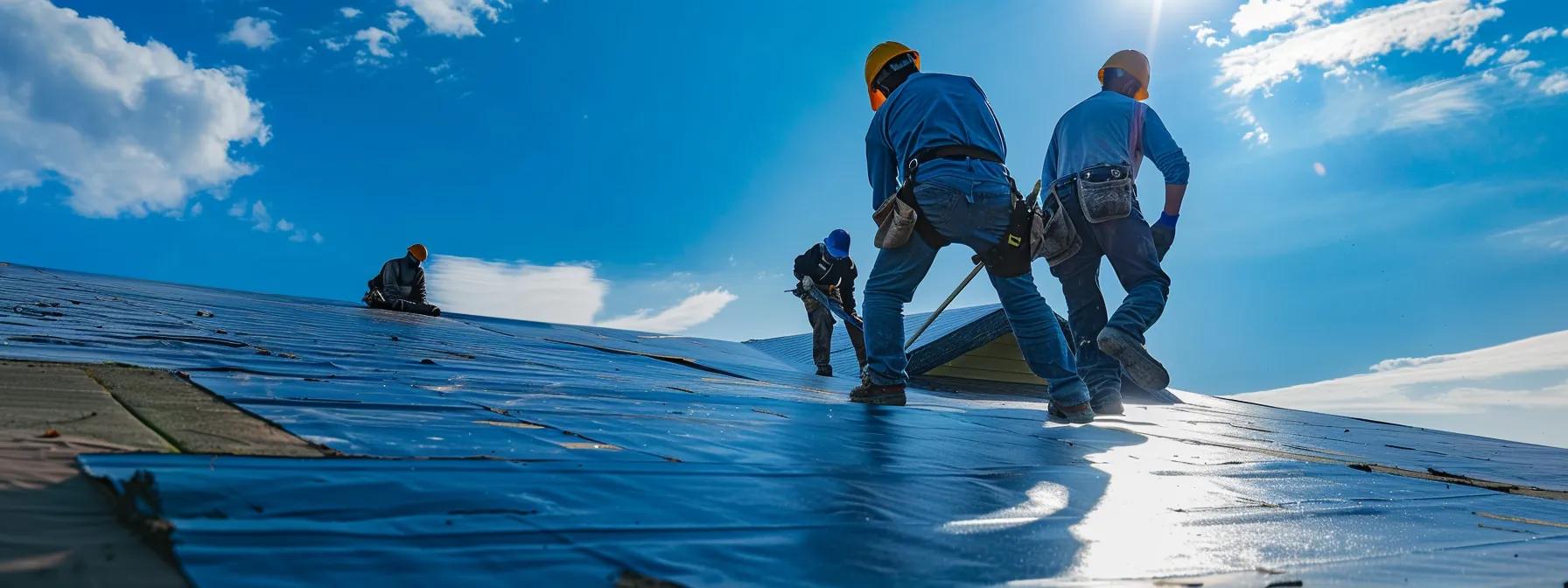
EPDM roofing is a synthetic rubber membrane widely used in low-slope buildings for its exceptional durability and resistance to environmental degradation. It withstands ultraviolet light, ozone, and extreme temperatures. Its flexibility allows it to adapt to structural movements, while its waterproof properties provide excellent leak protection. Unlike asphalt shingles that require multiple layers for waterproofing, EPDM is applied as a single continuous membrane that minimizes seams and potential failure points.
What Are the Key Features of EPDM Roofing?
EPDM roofing offers several attractive features for homeowners and businesses. Its elasticity and flexibility help it withstand structural movements and thermal expansions without cracking. It is highly resistant to water, ultraviolet rays, and industrial pollutants, ensuring a longer lifespan compared to traditional materials. Installation typically uses adhesives or mechanical fasteners, reducing the need for extensive on-site cutting and seams. The large sheets available lower the risk of water penetration by minimizing seams.
Additional benefits include excellent fire resistance, compatibility with various substrates, and a low weight that reduces the load on a building’s structure. Its reflective properties can enhance energy efficiency when paired with foam insulation. Manufacturers often add carbon black to improve durability against harsh weather. Overall, EPDM is renowned for its longevity, ease of application, and low maintenance, making it a top choice in commercial roofing.
How Do Asphalt Shingles, Metal Roofing, TPO, and PVC Differ From EPDM?
Asphalt shingles, metal roofing, TPO, and PVC each offer unique benefits and limitations. Asphalt shingles are widely used in residential construction for their affordability and ease of installation; however, they are less durable and more prone to weathering than EPDM. Metal roofing is known for its longevity and fire resistance but comes with a higher upfront cost. TPO and PVC are thermoplastic membranes; TPO is valued for its energy efficiency and easy installation, while PVC provides superior chemical resistance and durability.
In contrast, EPDM stands out due to its resistance to temperature fluctuations, UV exposure, and severe weather without significant degradation. Asphalt typically requires replacement every 15–20 years, and metal roofs may last over 50 years, but EPDM offers a competitive lifespan with reduced maintenance. Moreover, its single-ply installation process is less labor-intensive than the multi-layer installations required for asphalt or the specialized welding for TPO and PVC, making it a cost-efficient solution for low-slope applications.
Which Buildings Commonly Use EPDM Roofing?
EPDM roofing is used on a wide variety of buildings. It is especially popular in commercial, industrial, and institutional structures with low-slope roofs, such as warehouses, shopping centers, office buildings, and schools. Residential applications include flat roof designs on apartment complexes and modern homes with innovative aesthetics. EPDM is also favored for recreational facilities and sports complexes, where large uninterrupted roof expanses deliver enhanced waterproofing and unobstructed views. Its compatibility with sustainable practices makes EPDM an excellent choice for green building projects aiming for higher energy efficiency and lower environmental impact.
How Do EPDM and Other Roofing Materials Compare in Cost and Value?
Cost is a critical factor when selecting roofing material. EPDM offers a balance between the higher initial installation cost and long-term performance. While its upfront cost may exceed that of asphalt, its durability and reduced maintenance needs result in a lower lifecycle cost. Compared to metal roofing—which requires significant material and installation investment—EPDM is often a more budget-friendly and reliable option.
What Factors Influence EPDM Roofing Costs?
Several factors affect the overall cost of EPDM installations. These include material quality, roof area, labor requirements, and roof design complexity. High-quality EPDM membranes with advanced additives may have a premium price but offer superior long-term performance. The cost of installation varies based on whether adhesive bonding or mechanical fastening is used. Complex roofs with multiple penetrations for HVAC units or irregular shapes can increase labor costs; regional labor rates and supplier pricing also play a role.
A detailed cost analysis suggests that although EPDM may have a higher cost per square foot compared to asphalt, its extended lifespan and lower maintenance requirements offer greater overall value. Its ease of repair further reduces future expenses. The energy efficiency benefits and reduced risk of water damage, thanks to its superior weatherproofing, further enhance EPDM’s cost-effectiveness over the life of the building.
How Does EPDM Cost Compare to Asphalt Shingles and Metal Roofing?
Side-by-side comparisons reveal distinct cost differences. Asphalt shingles, despite their low upfront cost, generally demand replacement every 15–20 years due to degradation. Metal roofing, while offering long life and minimal maintenance, involves a higher initial investment and specialized installation, which can be challenging for cost-sensitive projects. EPDM, positioned in the mid-range, balances the initial expense with a longer lifespan and lower maintenance requirements.
Studies suggest that the total ownership cost of an EPDM roof over 30 years is often lower than that of asphalt roofs, owing to fewer repairs and replacements. EPDM’s thermal properties also contribute to energy savings over time, further validating its cost-value proposition for many commercial projects.
Are There Long-Term Value Benefits With EPDM Roofing?
Yes, EPDM roofing offers significant long-term value benefits beyond immediate cost savings. Its high resistance to UV light, ozone, and temperature extremes ensures durability over several decades, postponing the need for a full roof replacement. The seamless, single-ply design minimizes leak points and reduces the chance of water damage. Additionally, its energy efficiency results in lower heating and cooling costs.
EPDM’s longevity can also boost a property’s resale value. Many building managers view an EPDM roof as a modern, low-maintenance solution that provides reliability even under extreme weather conditions. Lower insurance premiums, derived from enhanced fire and wind resistance, further contribute to its long-term savings. Overall, when evaluated over the lifespan of the roof, EPDM proves to be a valuable investment in both performance and economy.
What Are the Durability and Lifespan Differences Between EPDM and Other Roofing Materials?
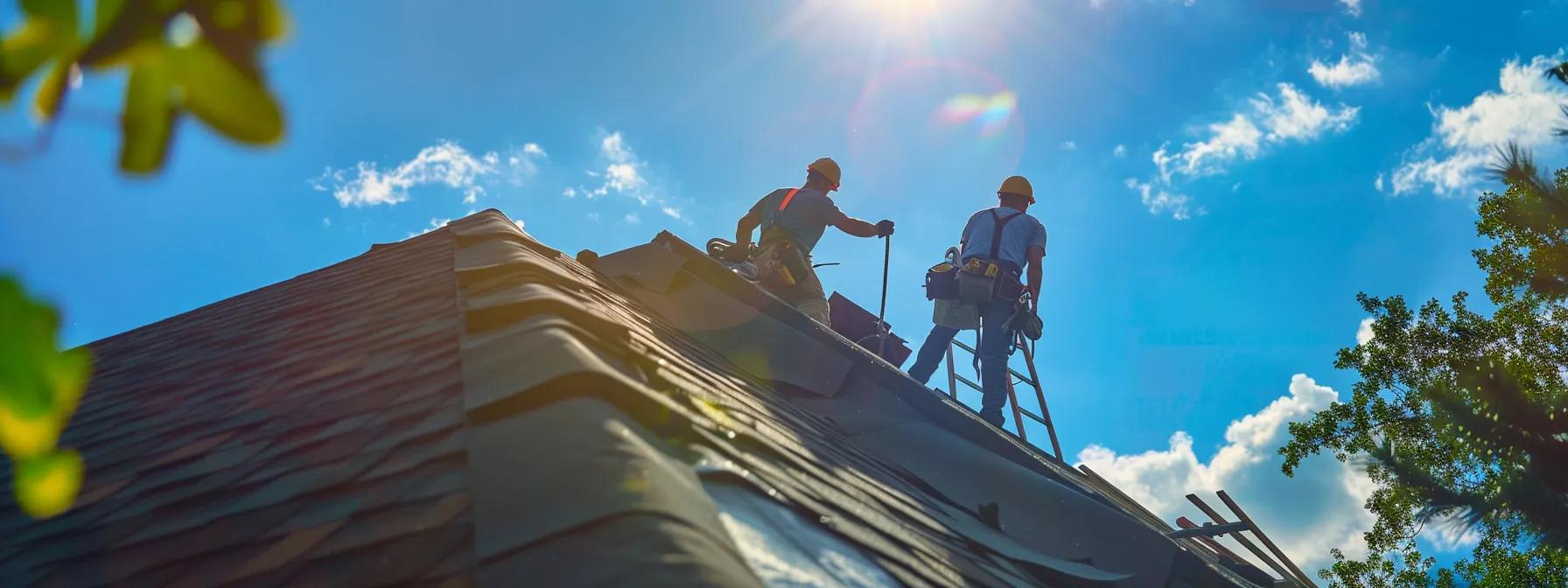
The durability and lifespan of a roof are crucial factors for maintenance scheduling and long-term cost. EPDM is celebrated for its robust durability under harsh conditions and its ability to maintain structural integrity over many years. Its resistance to UV light, ozone, and chemicals means it degrades less quickly than some traditional materials, such as asphalt shingles, which can become brittle and damaged over time.
How Long Does EPDM Roofing Typically Last?
EPDM roofing typically lasts between 25 to 35 years when properly installed and maintained, with some high-quality membranes warranting up to 40 years of service. Its long lifespan is largely due to its robust resistance to aging factors like UV exposure and temperature extremes. In contrast to asphalt shingles, which may require replacement every 15–20 years, EPDM maintains flexibility and a strong seal over decades. Its single-ply design limits seam failures common in multi-layer roofing systems, and careful installation combined with periodic maintenance can further extend its life.
Real-world examples show that many commercial buildings with EPDM roofs experience minimal repairs over a 30-year service period, consistently protecting their structures against the elements.
How Does EPDM’s Durability Compare to Asphalt Shingles and Metal Roofing?
EPDM outperforms asphalt shingles in durability, as it withstands extreme weather without significant deterioration. Asphalt is more prone to cracking, curling, and water infiltration due to UV exposure and temperature swings. While metal roofs are highly durable—often lasting 50 years or more—they can suffer from denting and may need special coatings to resist corrosion, particularly in coastal or industrial settings. TPO and PVC membranes offer moderate durability but may be compromised by chemical exposure and seam failures.
EPDM’s composition allows it to tolerate thermal stress and resist punctures better than many traditional materials. In regions prone to hail or high winds, its impact resistance provides superior protection compared to shingle systems. Although metal roofs excel in wind resistance and fire protection, EPDM strikes a balanced compromise between cost and durability, especially on low-slope roofs in harsh climates.
What Environmental Factors Affect EPDM and Other Roofs?
Environmental factors—including UV radiation, temperature extremes, moisture, pollutants, and biological growth like moss or algae—affect roofing material performance. EPDM is engineered to resist the harmful effects of UV radiation, preventing the membrane from breaking down quickly. In contrast, asphalt shingles degrade faster under prolonged UV exposure and high heat. While metal roofs are durable, they can experience metal fatigue and corrosion if protective coatings fail.
Furthermore, EPDM is less reactive to chemical pollutants common in industrial or urban areas, maintaining both its structural integrity and waterproof qualities. Seasonal temperature variations, especially with significant daily shifts, challenge all roofing materials; EPDM’s elasticity allows it to expand and contract without damage, giving it an advantage over more sensitive traditional options.
How Do Installation and Maintenance Requirements Differ for EPDM vs Other Roofing Materials?
Installation and ongoing maintenance are critical to the long-term efficiency and performance of any roofing system. EPDM stands out because of its straightforward installation process and generally minimal maintenance requirements compared to other roofing materials. Its single-ply design simplifies installation, and techniques using adhesives or mechanical fasteners minimize potential errors and reduce labor time.
What Is the EPDM Roofing Installation Process?
Installing an EPDM roof begins with preparing a clean, smooth substrate. Insulation boards may be applied along with a primer to improve adhesive bonding. Large rolls of EPDM membrane are then carefully unrolled over the roof surface, ensuring proper overlap of seams. Adhesives secure these overlaps, and in some cases, mechanical fasteners provide additional anchoring. Finally, edge details such as flashings and terminations are sealed meticulously to create a watertight finish. This process typically takes less time and involves less labor than installing multi-layer systems used with asphalt or the complex panel systems required for TPO and PVC.
Experienced roofing contractors stress that proper installation is crucial to maintaining EPDM’s waterproofing capabilities. Misalignment or poor adhesion can compromise performance, so professional installation is strongly recommended.
How Does EPDM Installation Compare to Asphalt and Metal Roofing?
Compared to asphalt shingles, EPDM installation is less disruptive since it does not require laying individual layers of material. Asphalt installations involve nailing down each shingle—a time-consuming and labor-intensive process. Metal roofing, although durable, often requires specialized equipment and skilled labor for welding and precise cutting. TPO and PVC systems necessitate thermal welding at seams, which adds to both time and cost.
EPDM’s installation is generally more forgiving and adaptable to varying site conditions. This adaptability makes it a practical choice for both new constructions and retrofit projects, reducing overall downtime and labor costs.
What Are the Maintenance Needs for EPDM Compared to Other Materials?
Maintenance for EPDM is relatively low. Routine inspections to check for tears, seams, or punctures are usually sufficient to ensure long-term performance. Cleaning with a mild detergent and water removes dirt and algae that might affect its reflective properties. In contrast, asphalt shingles often require more frequent maintenance due to granule loss, cracking, or moss buildup, and metal roofs may need periodic repainting or recoating to resist corrosion. TPO and PVC membranes require regular seam inspections and occasional re-welding.
Because EPDM is highly resistant to chemicals and UV radiation, it generally needs fewer repairs over its lifetime. Roofing contractors typically recommend annual inspections, especially after severe weather, to catch and repair minor damages before they develop into larger problems.
What Are the Environmental and Energy Efficiency Benefits of EPDM Compared to Other Roofing Options?
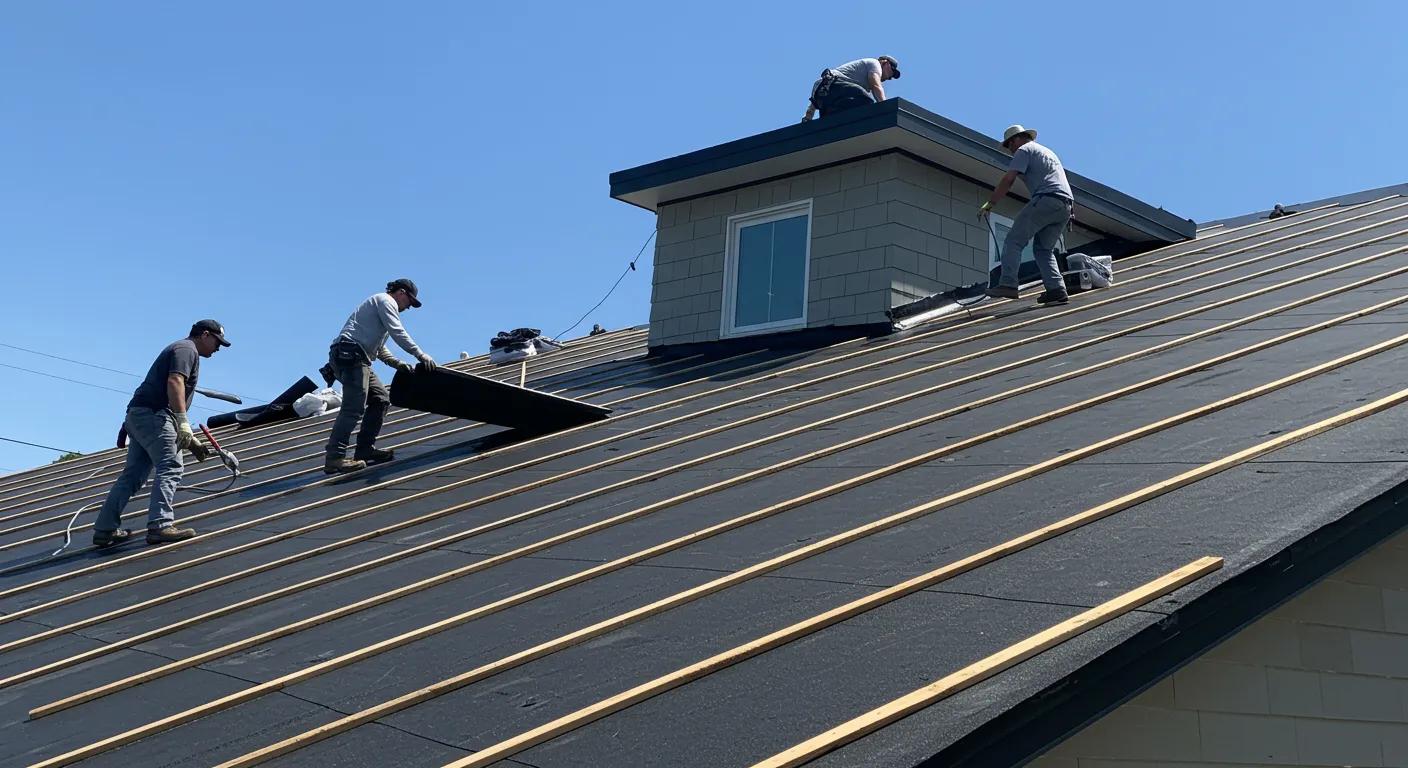
Environmental considerations play an increasingly important role in roofing material selection. EPDM is renowned for its energy efficiency and reduced environmental impact. Its reflective properties, particularly in cool-colored formulations, reduce heat absorption and lower cooling costs. Additionally, EPDM is produced using processes that often incorporate recycled materials and the product itself can be recycled at the end of its service life.
How Does EPDM Roofing Support Energy Efficiency?
EPDM enhances energy efficiency largely through its insulation properties and solar reflectivity. By reflecting a significant percentage of solar radiation, it minimizes heat transfer into the building, reducing the need for air conditioning during hot weather. This is especially beneficial in regions with extreme temperatures. Its flexible, adhesive-secured installation also helps to prevent thermal bridging, ensuring more even interior temperatures.
Studies have indicated that buildings with EPDM roofs can achieve energy savings of up to 15% compared to structures with less reflective roofing systems. These savings not only lower utility bills but also contribute to reduced greenhouse gas emissions by lessening energy consumption.
What Are the Recyclability and Environmental Impacts of EPDM vs Asphalt and Metal?
EPDM is designed with sustainability in mind. Manufacturers increasingly use recycled rubber and other recycled materials in its production. At the end of its useful life, EPDM can be recycled or repurposed, in contrast to asphalt shingles that typically add to landfill waste. Metal roofs, although recyclable, require significant energy for remelting and may involve environmentally unfriendly coatings. With its long lifespan, EPDM also reduces the frequency of roof replacements, further decreasing its environmental footprint.
How Do EPDM and Other Materials Align With Green Building Trends?
Green building trends favor materials that improve energy efficiency, reduce waste, and support a sustainable lifecycle. EPDM fits these criteria due to its energy-saving properties, recyclability, and low maintenance requirements. It is often integrated with other green technologies, such as solar panels, to maximize overall building efficiency. In contrast, while asphalt and metal roofs offer specific advantages, their higher production emissions and more frequent replacement cycles can be less desirable in sustainable building practices. EPDM’s ease of installation and lower labor energy further bolster its appeal for environmentally conscious projects.
What Are the Pros and Cons of EPDM Compared to Asphalt Shingles, Metal, TPO, and PVC Roofing?
Evaluating the pros and cons of various roofing materials is essential for making an informed decision. EPDM has both strengths and weaknesses relative to asphalt shingles, metal, TPO, and PVC.
What Are the Main Advantages of EPDM Roofing?
- Durability and Flexibility: EPDM resists UV light, ozone, and extreme weather, remaining flexible over many years to prevent cracking.
- Energy Efficiency: Its high solar reflectivity reduces heat absorption and lowers cooling costs.
- Low Maintenance: The seamless, single-ply construction minimizes the need for frequent repairs and inspections.
- Ease of Installation: EPDM installs quickly with adhesives or fasteners, requiring less labor than multi-layer systems.
- Environmental Sustainability: Often produced with recycled materials and recyclable at the end of its life.
- Cost-Effective Lifecycle: Despite a higher initial cost, its longevity and minimal maintenance lower total ownership expenses.
- Waterproofing: Its continuous membrane design drastically reduces the risk of leaks.
These advantages make EPDM particularly well-suited for low-slope and commercial roofing, where long-term performance and energy efficiency are critical.
What Are the Drawbacks of EPDM Roofing?
EPDM has some disadvantages. Initial installation costs can be higher than those of asphalt shingles, and it may not perform as well in steep-slope applications. The adhesive-based installation requires precision, and imperfections can compromise waterproofing. EPDM can be susceptible to punctures from sharp objects, and its color options are limited, typically to black or white, which might restrict aesthetic flexibility.
How Do Asphalt Shingles, Metal, TPO, and PVC Compare in Pros and Cons?
- Asphalt Shingles: Affordable and easy to install but offer a shorter lifespan and higher maintenance.
- Metal Roofing: Extremely durable and fire resistant but has a higher initial cost and may require specialized installation.
- TPO Roofing: Known for energy efficiency and easy installation via heat welding, though sometimes prone to seam issues.
- PVC Roofing: Provides excellent chemical resistance and durability but is generally more expensive and less flexible than EPDM.
How Can Homeowners and Contractors Choose Between EPDM and Other Roofing Materials?
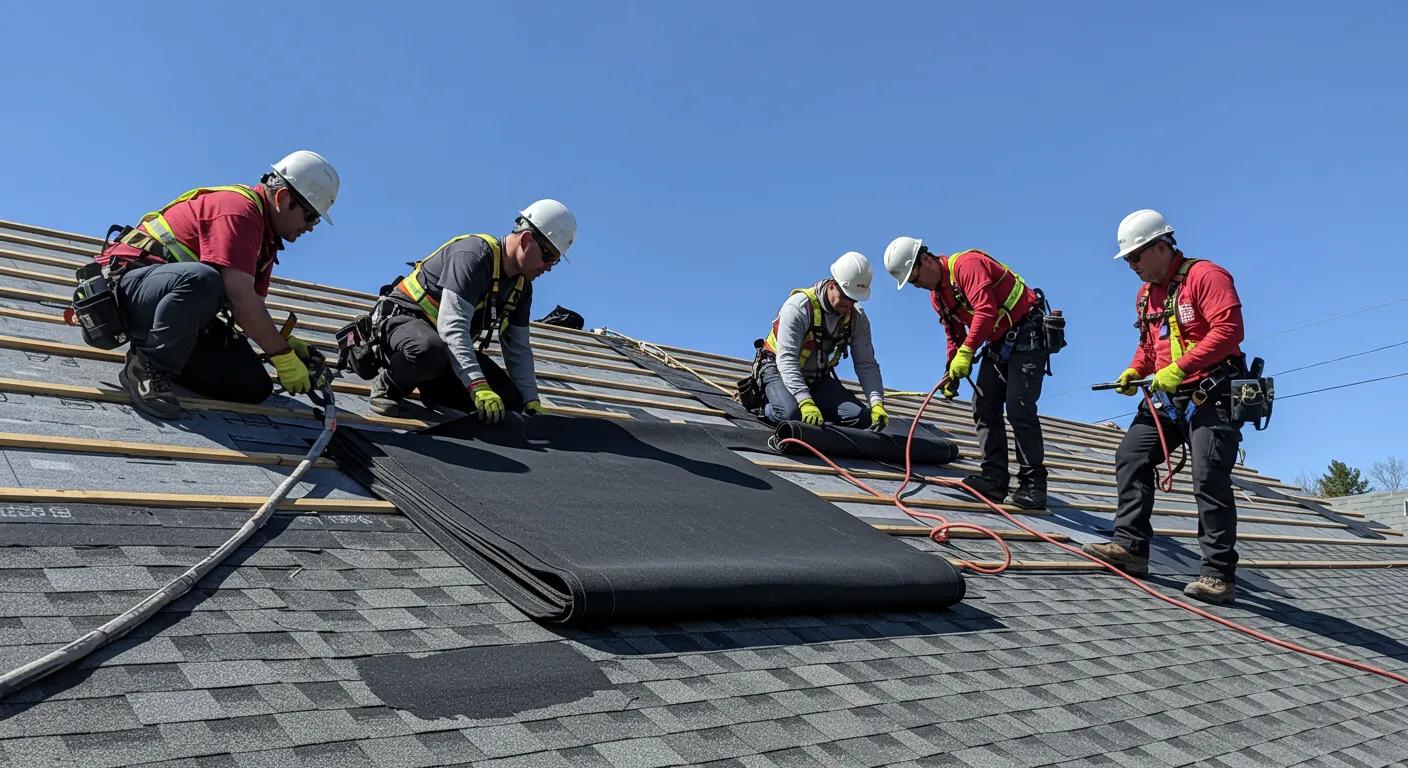
Choosing the optimal roofing material involves balancing cost, performance, environmental impact, and installation considerations. Each material has its benefits and limitations, making the best choice dependent on your specific project needs and conditions.
What Factors Should Influence Your Roofing Material Choice?
Key factors include the building’s design, local climate, budget, and desired roof lifespan. EPDM is ideal for low-slope roofs and commercial projects with high UV exposure and temperature fluctuations. Steep-slope roofs in residential settings might favor the traditional look of asphalt shingles or the durability of metal roofing. Contractors must also consider installation complexity and maintenance needs; when downtime is a critical factor, the swift installation of EPDM can be a decisive advantage.
Local environmental conditions, such as severe weather, hail, and high winds, also influence the choice. Properties in coastal areas, where salt and humidity are concerns, may benefit from EPDM’s resistance to chemical corrosion. Finally, sustainability goals and energy efficiency requirements help drive the decision toward roofing solutions like EPDM that offer superior reflective and insulative properties.
When Is EPDM the Best Roofing Option?
EPDM is especially advantageous for flat or low-slope roofs, including those on commercial buildings, warehouses, schools, and modern homes with innovative designs. Its superior waterproofing, energy efficiency, and ease of installation make it well suited for harsh weather conditions. Additionally, if minimizing maintenance costs and ensuring environmental sustainability are priorities, EPDM’s durability and recyclability provide compelling benefits.
How Do Roofing Contractors Recommend EPDM vs Other Materials?
Roofing contractors typically evaluate each project’s specific conditions before making recommendations. Many professionals praise EPDM for its versatility and reliable performance on low-slope roofs. While asphalt shingles remain popular for their low upfront cost, the long-term reliability and energy savings of EPDM often outweigh initial expenses. Contractors also appreciate the ease of repairing minor punctures in EPDM compared to other systems. Ultimately, recommendations are based on roof slope, structural support, local weather patterns, and budget constraints—with EPDM favored when longevity, minimal maintenance, and energy efficiency are top priorities.
Tables and Lists
Below is a table summarizing the primary features, benefits, and typical use cases of EPDM and other roofing materials discussed in this article.
Before the table, note that assessing roofing materials requires a detailed evaluation of each attribute. Below the table, further insights explain how these materials meet modern construction needs.
The table highlights that while EPDM may not offer the extended lifespan of metal roofing, its balanced profile in durability, cost, and energy efficiency makes it highly competitive, particularly for low-slope applications. For many projects, EPDM’s advantages position it as the leading choice.
Additionally, here is a list summarizing the key advantages of EPDM roofing:
- Superior Flexibility – EPDM expands and contracts with building movement, reducing stress and preventing cracks.
- Enhanced Waterproofing – Its seamless design minimizes leaks and ensures consistent protection.
- Energy Efficiency – High reflectivity lowers heat absorption, resulting in cooling cost savings.
- Low Maintenance – Minimal repairs and easy cleaning contribute to long-term cost efficiency.
- Environmental Sustainability – Often produced with recycled materials and fully recyclable at end-of-life.
- Quick Installation – The single-ply process allows for faster, less labor-intensive installation.
- Chemical and UV Resistance – Maintains performance against pollutants and sunlight degradation over time.
Each advantage is based on practical performance and is supported by real-world successes in both commercial and residential roofing applications.
Frequently Asked Questions
Q: What makes EPDM Roofing stand out compared to traditional asphalt shingles? A: EPDM roofing stands out due to its superior flexibility, longer service life, and excellent resistance to ultraviolet light and ozone. Unlike asphalt shingles, which typically require replacement every 15–20 years, EPDM can last between 25 and 35 years with minimal maintenance. Its seamless, single-ply design minimizes leak risks, which is particularly beneficial for low-slope applications.
Q: How does the installation process of EPDM roofing compare to that of metal roofs? A: The installation process for EPDM roofing is generally simpler and less labor-intensive than for metal roofs. EPDM involves unrolling large sheets of membrane and bonding them with adhesives or fasteners, which reduces installation time and potential errors. In contrast, metal roofing may require specialized equipment for welding and precise cutting, leading to higher labor costs and longer installation periods.
Q: Can EPDM roofing effectively improve a building’s energy efficiency? A: Yes, EPDM roofing enhances energy efficiency through its reflective properties, which keep roof surfaces cooler and reduce heat transferred into the building. When combined with proper insulation, EPDM roofs can achieve energy savings of up to 15% compared to less reflective systems, lowering cooling costs in hot weather.
Q: What maintenance practices are recommended for EPDM roofs to maximize their lifespan? A: Regular inspections—typically annually and after severe weather—are recommended to check for punctures, seam deterioration, or debris buildup. Cleaning with a mild detergent and water, along with prompt repair of any minor damage, helps maintain the roof’s reflectivity and integrity, thus extending its service life.
Q: How sustainable is EPDM roofing compared to other roofing materials? A: EPDM is highly sustainable due to its long lifespan, recyclability, and incorporation of recycled components during production. Unlike asphalt shingles, which can contribute significantly to landfill waste, EPDM can be recycled at the end of its useful life. Its energy-efficient properties further support reduced overall environmental impact.
Q: In what situations might metal roofing be preferred over EPDM? A: Metal roofing may be chosen when extreme durability, fire resistance, or a very long lifespan is required. Metal roofs can exceed 50 years in service and perform exceptionally in resisting wind, hail, and fire. However, they generally involve higher initial costs and more complex installation processes compared to EPDM, which is often more cost-effective for low-slope applications.
Q: What factors should I consider when choosing between EPDM and TPO roofing? A: Key considerations include cost, installation complexity, and expected durability. EPDM tends to offer greater flexibility and longevity in harsh weather, while TPO is valued for its high reflectivity and ease of installation via heat-welded seams. The final decision depends on your specific building design, local climate, available budget, and performance requirements.
Final Thoughts
Choosing the right roofing material is critical for your building’s aesthetic appeal, energy efficiency, maintenance costs, and overall lifespan. EPDM roofing emerges as a balanced option that offers durability, energy efficiency, and low maintenance—features essential for both commercial and residential applications. While traditional materials like asphalt shingles and metal roofs each have their merits, EPDM provides a unique blend of performance and environmental sustainability that aligns well with modern building needs. For homeowners and contractors seeking a cost-effective yet long-lasting roofing solution, EPDM often represents the best investment, delivering savings over time while offering superior protection against harsh weather conditions. Ultimately, the best material choice will depend on your specific project requirements and local environmental factors.
Need a roof inspection in Saint Paul or the Twin Cities? Call Sellers Roofing Company at +1-651-703-2336 or schedule a free estimate. We are a black-owned, NMSDC-certified MBE roofing contractor with 9+ years experience.