Last updated: 2026-08-01 by Ted Sellers, Owner
EPDM Roofing Installation Guide for Commercial Buildings: Essential Steps and Best Practices
Commercial facility managers face constant pressure to install durable, energy-efficient roofs that minimize leaks and cut lifecycle costs. EPDM roofing installation guide outlines how a single-ply rubber membrane resists UV rays and weathering to deliver decades of service. In this article, we define EPDM basics, explain membrane selection, detail substrate preparation, walk through adhesives and seam tapes, cover flashing and edge details, describe maintenance and repair tactics, outline cost and warranty factors, and share advanced tips for complex geometries. By following these steps, you’ll gain confidence in specifying and installing an EPDM system that enhances building performance.
What Is EPDM Roofing and Why Is It Ideal for Commercial Buildings?
EPDM roofing is a synthetic rubber membrane composed of ethylene, propylene and a diene monomer that cross-links to form a seamless, weather-resistant barrier. Its chemical structure repels water and UV radiation while accommodating thermal movement, which dramatically reduces leak potential. Many facility owners choose EPDM for its proven durability, energy-saving properties and low installation complexity.
EPDM Membrane Durability
EPDM roofing is known for its durability and resistance to environmental factors. The material’s composition allows it to withstand UV radiation and weathering, which contributes to its long lifespan and reduces the potential for leaks in commercial buildings.
This supports the article’s claims about the benefits of EPDM roofing for commercial applications.
What Are the Key Features of EPDM Membranes?
Below is an overview of EPDM membrane attributes and their performance benefits:
How Does EPDM Compare to Other Commercial Roofing Materials?
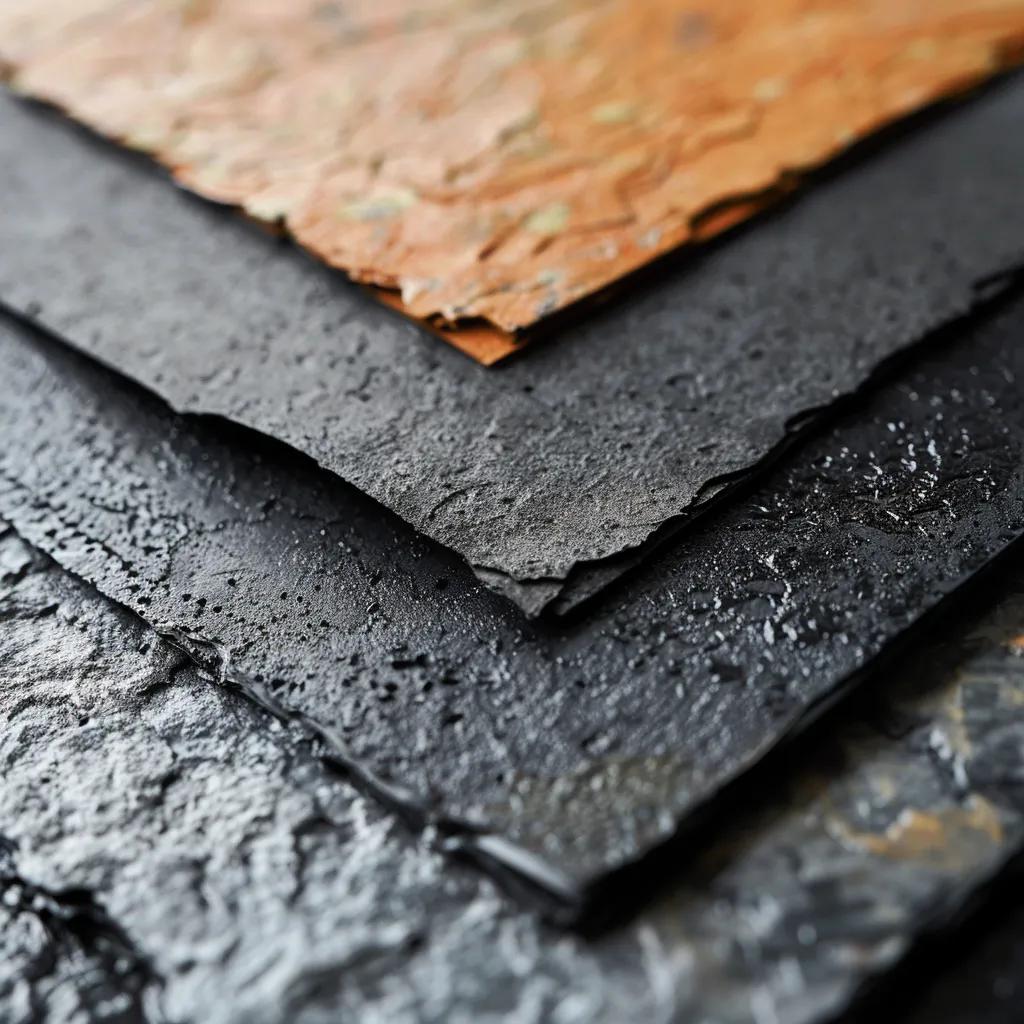
EPDM’s rubber chemistry delivers unique benefits compared to alternative single-ply systems:
EPDM stands out for its proven track record and compatibility with a broad range of roof substrates, leading naturally to selecting the right thickness and fastening style.
What Are the Benefits of EPDM for Low-Slope Commercial Roofs?
EPDM provides three primary advantages for low-slope commercial roofs:
- Durability – Its rubber formulation resists cracking and splits under thermal cycling.
- Cost-Effectiveness – Lower material and labor costs versus multi-layer systems support budget-conscious projects.
- Energy Efficiency – White EPDM options can reflect up to 80% of solar heat, reducing HVAC loads.
EPDM Roofing Cost-Effectiveness
EPDM roofing systems can be a cost-effective choice for commercial buildings. The lower material and labor costs, when compared to multi-layer systems, make it a budget-conscious option for facility managers.
This citation reinforces the article’s discussion of the economic advantages of EPDM roofing.
These benefits help facility managers justify EPDM installation and transition seamlessly into membrane selection guidance.
How to Select the Right EPDM Membrane for Your Commercial Roof?
Choosing an appropriate EPDM membrane involves matching membrane style, thickness and width to building needs. As you evaluate options, remember that local experts like our team at Roofing Experts St. Paul offer specialized insight—explore our commercial roofing services in Wayzata to see how local conditions inform material choice.
What Are the Different Types of EPDM Membranes?
Three main EPDM fastening systems optimize installation performance:
- Fully Adhered: The membrane is bonded directly to insulation or decking for a smooth, low-profile finish that resists wind uplift.
- Mechanically Fastened: EPDM is secured with plates and screws, allowing quick installation and easy membrane replacement sections.
- Ballasted: Loose-laid membrane is held in place by ballast (gravel or pavers), simplifying installation but adding roof dead load.
Each system improves wind uplift resistance and informs installation steps described later.
How Do Membrane Thickness and Width Affect Performance?
Membrane gauge and panel dimension directly influence membrane lifespan and seam counts:
Selecting a thicker EPDM membrane reduces seam frequency and enhances tear resistance, setting up optimal adhesion techniques.
What Factors Influence EPDM Membrane Selection for Commercial Buildings?
Three key project variables guide EPDM selection:
- Roof Slope – Steeper slopes benefit from mechanically fastened systems to counter wind uplift.
- Building Use – High-traffic maintenance zones favor thicker membranes for abrasion resistance.
- Climate – Cold regions require membranes with greater elongation; white EPDM suits hot climates.
Understanding these factors ensures substrate preparation aligns with membrane performance requirements.
What Are the Essential Steps for Preparing the Roof Substrate Before EPDM Installation?
Proper substrate preparation prevents adhesion failures and membrane damage. Preparing a stable base supports EPDM’s movement and longevity through weather cycles.
How to Inspect and Repair the Roof Deck for EPDM Application?
- Examine deck for rot, splits or water damage.
- Replace or reinforce compromised deck sections to achieve a level surface.
- Install cover boards over irregular decking to create uniform flatness.
Ensuring a solid roof deck paves the way for installing vapor barriers and insulation without compromising EPDM adhesion.
Why Is Installing Vapor Barriers and Insulation Important?
Vapor barriers and insulation control moisture transmission and thermal performance:
- Vapor Barrier: Prevents interior moisture from condensing under the EPDM membrane.
- Insulation: Provides R-value to reduce heat flow and support energy efficiency goals.
- Attachment: Secure both layers with compatible adhesive or mechanical fasteners.
A dry, insulated substrate maximizes bonding adhesive effectiveness described in the next section.
What Are Best Practices for Ensuring a Clean and Dry Substrate?
Achieving a contaminant-free base requires three protocols:
- Debris Removal – Sweep or blow away loose gravel, dust and construction residue.
- Surface Cleaning – Use low-pressure power wash or solvent wipe to remove grease and oils.
- Moisture Check – Allow substrate to fully dry or use moisture meters to confirm dryness.
A pristine substrate ensures the bonding adhesive forms a continuous bond and prepares for seamless membrane application.
How to Apply EPDM Adhesives and Seam Tapes Correctly?
Correct adhesive application secures EPDM membranes and seams against wind and water infiltration, forming an integrated roofing system.
What Types of EPDM Adhesives Are Used in Commercial Roofing?
- Bonding Adhesive: Solvent-based or water-based products for full adhesion of EPDM to substrate.
- Seam Tape: Double-sided butyl tape that creates watertight joints between membrane panels.
- Lap Sealant: Polymer sealant for edge detailing and penetration flashings.
Selecting compatible adhesives and tapes ensures proper cure times and long-term seam integrity.
How to Properly Apply Bonding Adhesive for Maximum Adhesion?
Follow these steps for consistent membrane bonding:
- Primer Coat – Roll or spray a uniform primer layer on substrate and membrane backing.
- Adhesive Application – Apply bonding adhesive in a continuous “S-pattern” to avoid pooling.
- Dry Time – Wait 5–15 minutes until adhesive becomes tacky but does not string.
Executing these steps supports a secure bond that resists wind uplift and prevents membrane wrinkling.
What Are the Best Practices for Seam Overlap and Rolling?
- Overlap EPDM panels by 3 inches and align edges without tension.
- Embed seam tape halfway under the overlap, then roll with a 75 lb roller.
- Inspect seams for voids and apply lap sealant as a secondary barrier.
Tightly compressed seams finish the adhesive process and transition into flashing techniques.
What Are the Critical Flashing and Detailing Techniques for EPDM Roofs?
Flashing reinforces areas vulnerable to water intrusion, such as penetrations, parapets and edges, creating a continuous roofing envelope.
How to Flash Around Pipe Penetrations on EPDM Roofs?
Effective pipe penetration flashing follows three steps:
- Cant Strip – Install a slope transition strip around the base to prevent ponding.
- Pre-Cut Boot – Slide an EPDM pipe boot over the pipe and align it on the membrane.
- Seal and Secure – Apply lap sealant under boot flange and press firmly; fasten with termination bar if needed.
A watertight pipe flashing prevents leaks and sets up parapet wall flashing details.
What Are the Best Practices for Parapet Wall Flashing?
- Adhere a vertical membrane strip 12 inches up the wall and secure with termination bar at the top.
- Apply compatible metal counter-flashing or a continuous bead of lap sealant under coping.
- Inspect wall membrane for voids and reinforce with seam tape at corners.
Proper parapet detailing ensures edge terminations remain flexible and leak-resistant under thermal movement.
How to Properly Terminate EPDM Edges and Corners?
- Install edge metal or G-90 galvanized termination trim at roof perimeter.
- Use back-nailing termination bar to lock membrane flange and seal with lap sealant.
- Reinforce external corners with pre-fabricated corner pieces or field-cut patches.
Well-executed terminations seal the roofing system and lead into ongoing maintenance practices.
How to Maintain and Repair EPDM Roofing Systems for Longevity?
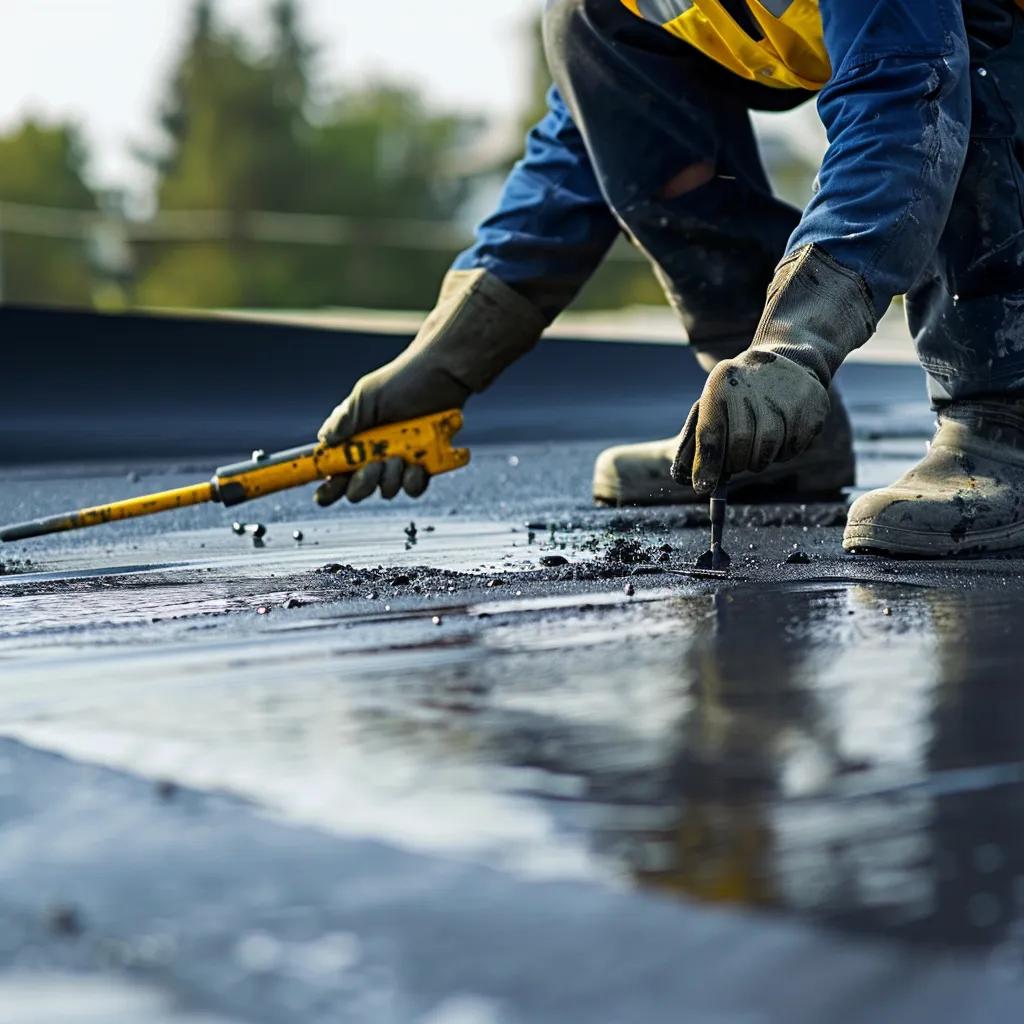
Routine care and timely repairs preserve EPDM performance and extend system life, protecting building assets.
What Is the Routine Inspection Checklist for EPDM Roofs?
- Checking membrane surface for punctures, tears or abrasions.
- Verifying seam adhesion and inspecting lap sealant for cracking.
- Ensuring flashings and terminations remain secure and watertight.
Following this checklist promotes early detection of issues and seamless transition to repair methods.
What Are Common EPDM Roof Repair Methods?
Addressing damage quickly restores roof integrity:
- Patching – Clean area, apply primer, adhere EPDM patch, roll to bond.
- Seam Repair – Remove loose tape, reapply seam tape, and reseal with lap sealant.
- Membrane Replacement – Cut out irreparable sections and install new membrane with bonding adhesive.
Effective repairs minimize water intrusion and prepare owners for lifespan expectations.
How Long Does EPDM Roofing Typically Last with Proper Maintenance?
EPDM membranes can deliver 25–50 years of service when maintained proactively, and many manufacturers offer 20- to 30-year warranties. Regular inspections and timely repairs support this lifespan by preventing small issues from escalating.
What Are the Cost Factors and Warranty Options for Commercial EPDM Roofing?
Understanding pricing drivers and warranty coverage helps stakeholders plan budgets and mitigate risk.
What Influences the Cost of EPDM Roofing Installation?
- Material Gauge – Thicker membranes increase material cost but reduce seam counts.
- Roof Size and Complexity – Multiple penetrations and roof levels add labor hours.
- Attachment Method – Ballasted systems are labor-light but require ballast materials.
- Insulation Requirements – High R-value systems increase insulation and membrane attachment costs.
- Geographic Location – Local labor rates and code requirements influence total cost.
Balancing these factors guides realistic budgeting and informs warranty negotiations.
How Do EPDM Roofing Warranties Protect Commercial Building Owners?
- Manufacturer’s Material Warranty – Covers membrane defects and premature aging.
- Workmanship Warranty – Provided by the installer to cover labor-related failures.
- NDL (No Dollar Limit) Warranty – Combines material and labor coverage for the full warranty period.
Selecting a reputable installer with strong warranty backing builds trust and confidence.
Are There Regional Considerations Affecting EPDM Installation Costs?
- Cold climates may require thicker membranes and higher R-value insulation.
- Wind-prone areas often mandate mechanically fastened or fully adhered systems.
- Urban zones may add permit and disposal fees for roof tear-off debris.
Assessing regional factors early ensures accurate estimates before proceeding to advanced installation tips.
What Are Advanced Tips and Common Challenges in EPDM Installation?
Experienced crews avoid pitfalls and optimize system performance by applying advanced techniques and sustainability practices.
How to Handle Difficult Roof Details and Complex Geometries?
- Use cardboard templates for irregular penetrations and curbs.
- Heat the membrane gently (using low-heat hot-air tools) to increase pliability for tight corners.
- Reinforce stress points with additional lap sealant and patch pieces.
Mastering these techniques prevents creases and blind spots that can lead to leaks.
What Are Typical Installation Mistakes to Avoid?
Avoid five frequent errors during EPDM installation:
- Skipping Substrate Prep – Failing to remove debris leads to adhesion failure.
- Over-Applying Adhesive – Excess adhesive causes membrane wrinkles and voids.
- Improper Seam Alignment – Misaligned overlaps create stress points and gaps.
- Neglecting Flashing Priming – Missing primer under flashings reduces bond strength.
- Inadequate Edge Termination – Loose edges invite wind uplift and water infiltration.
Recognizing and preventing these mistakes supports a flawless EPDM system.
How to Incorporate Sustainable and Energy-Efficient Practices in EPDM Roofing?
EPDM membranes can support green building goals:
- Cool-Roof Membranes – White EPDM reduces heat island effect and lowers cooling loads.
- Solar Panel Integration – Mechanically fastened or ballasted EPDM layers accommodate photovoltaic mounts without through-membrane penetrations.
- Recyclable Materials – Some EPDM products are manufactured with recycled content and can be recycled at end of life.
These practices enhance sustainability credentials and performance metrics.
EPDM roofing combines proven durability, low maintenance and cost-effective installation to protect commercial buildings for decades. By selecting the right membrane type, preparing substrates meticulously and applying adhesives, tapes and flashings correctly, facility managers can avoid leaks and extend roof life. Routine inspections and timely repairs preserve system integrity while strong warranties reduce financial risk. Advanced techniques for complex details and sustainable choices further optimize performance and environmental impact.
Need a roof inspection in Saint Paul or the Twin Cities? Call Sellers Roofing Company at +1-651-703-2336 or schedule a free estimate. We are a black-owned, NMSDC-certified MBE roofing contractor with 9+ years experience.