Last updated: 2026-09-28 by Ted Sellers, Owner
Can You Reopen a Roof Insurance Claim?
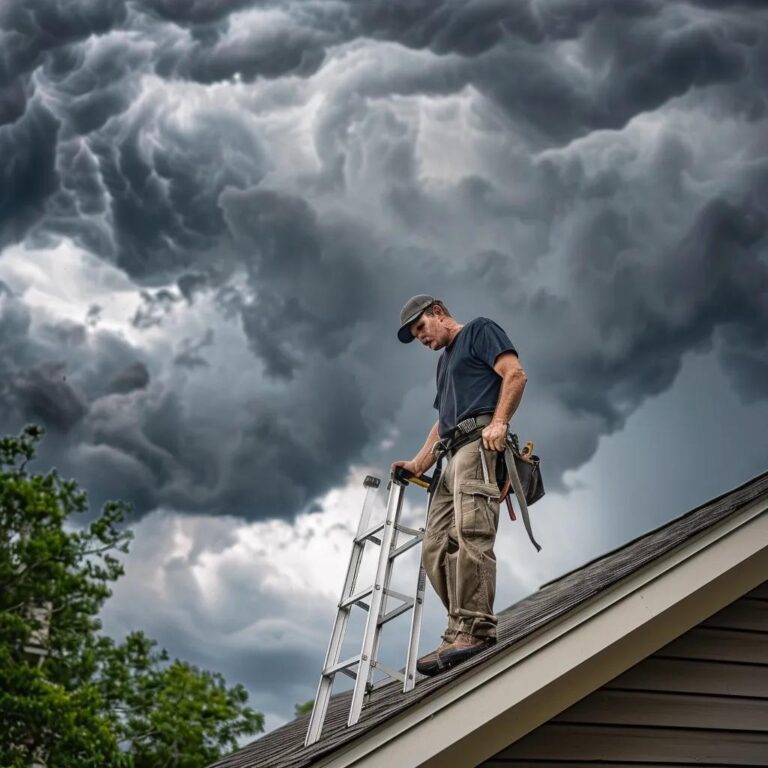
Yes, you can sometimes reopen a roof claim after more damage appears, but most insurance companies treat it as a supplement or reinspection to your property damage claim, not a brand-new claim. It works best when the added damage ties back to the same storm or leak event, you report it quickly, and a roofer documents what the first inspection missed. For commercial owners, that matters because roof damage rarely stays put. Water moves, insulation hides moisture, and a clean-looking surface can mask a larger failure below.
Key Takeaways
- You can reopen a roof claim as a supplement for newly found damage tied to the same storm or event, but insurers may refuse if it’s a new incident, poor upkeep, past deadlines, or after a signed release.
- Document new damage thoroughly with photos, dated notes, roofer reports, and leak detection—especially hidden moisture on low-slope commercial roofs that travels far from the breach.
- Follow steps: review policy/estimate, request reinspection in writing, meet the adjuster with your roofer, and mitigate further loss to strengthen your supplemental claim.
- Hidden issues like wet insulation or scope changes from repair to replacement often increase payouts; act fast and consider a public adjuster if the insurer closes the file prematurely.
When This Applies
Same loss, newly found damage is the usual path
This applies to business owners, property managers, and facility teams with a closed insurance claim already on file. It fits best when later testing provides new evidence that the first inspection missed hidden damage from the same hailstorm, wind event, or leak path.
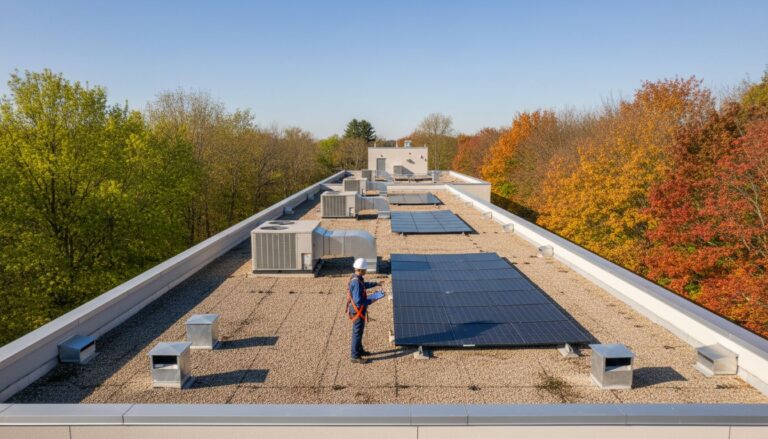
A low-slope roof can fool everyone. Water may enter at one seam and show up inside far from the breach. That’s why a commercial roof damage claim overview puts so much weight on early photos and a clean record from day one.
When reopening usually makes sense
Reopening usually makes sense when hidden moisture, split seams causing roofing damage, bent flashing, or interior structural damage appears after the adjuster leaves. It also fits when a contractor finds wet insulation, code-related items, or membrane failure that clearly traces back to the original loss.
When it usually won’t
It usually won’t apply if the added damage came from a new storm, poor upkeep, or long-term wear, since the insurance company distinguishes that from sudden storm impacts even under a homeowners insurance policy. A signed release can also narrow your options, and many insurance company policies set deadlines for supplemental claims.
If the damage ties to the same event, ask for a supplement. If it came from a new event, open a new claim.
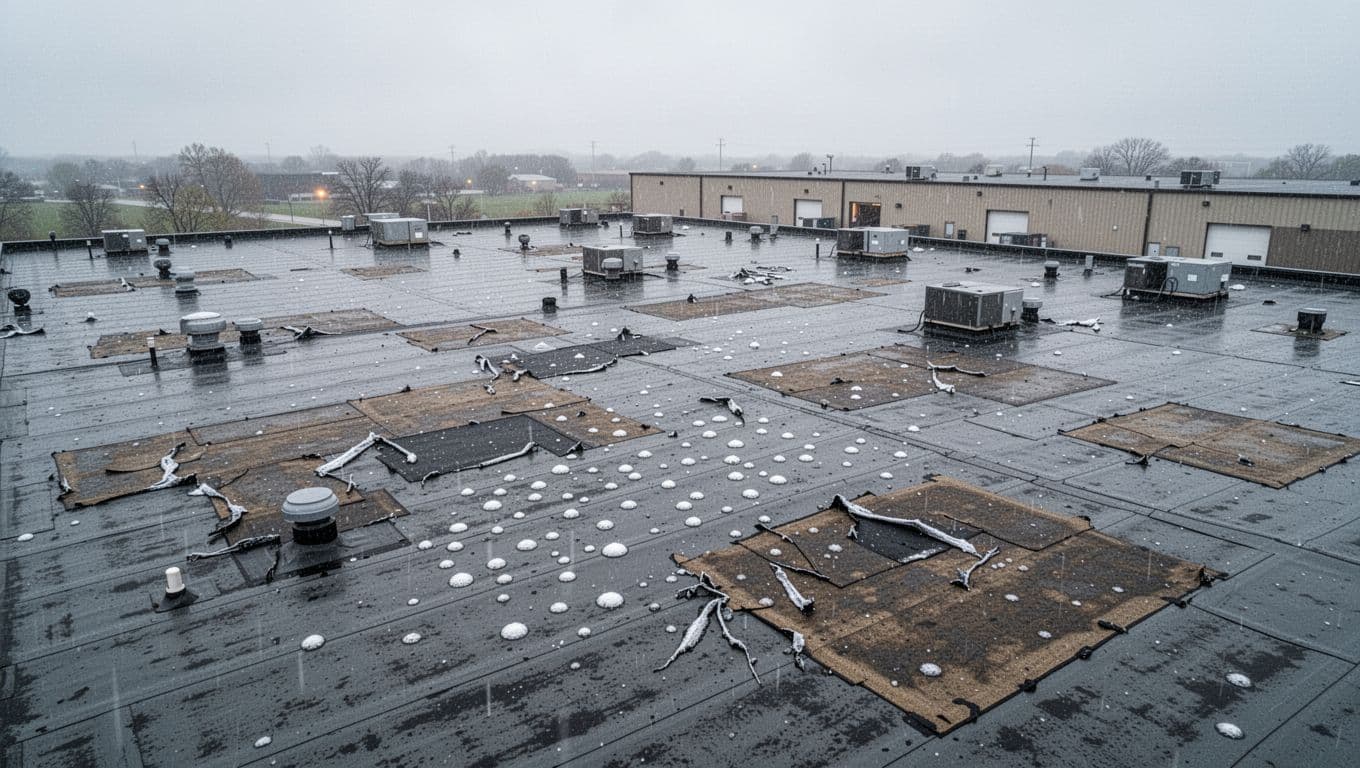
Sometimes the first sign your commercial roof needs repair is a stain on ceiling tile. Later, test cuts may show soaked insulation and a much wider problem. Hidden roof damage is a lot like rust under paint, the surface can look manageable until you open it up.
Step-by-Step
How to move the claim forward
- Read the insurance adjuster’s estimate, claim notes, and policy deadlines before you call the insurance company. You need to know what the carrier accepted, what it left out, and whether the file is still open for supplements, recoverable depreciation from actual cash value to replacement cost value, or added scope.
- Photograph the new damage before temporary work hides it. Take wide shots, close-ups, interior stains, wet insulation, damaged stock, and date-stamped notes. If tenants or staff noticed leaks, write down when and where they appeared.
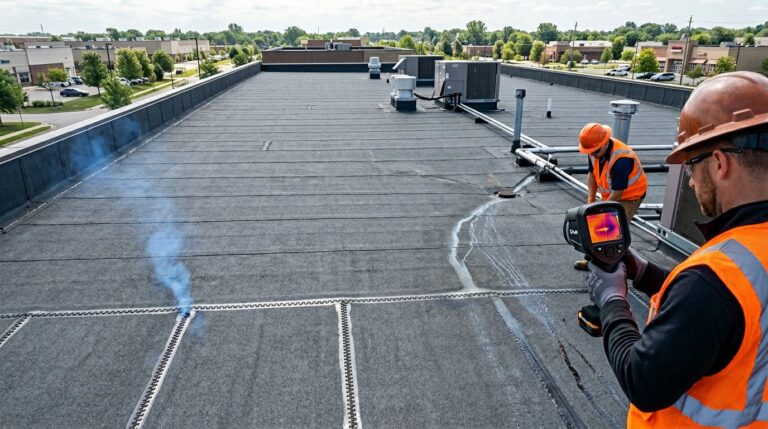
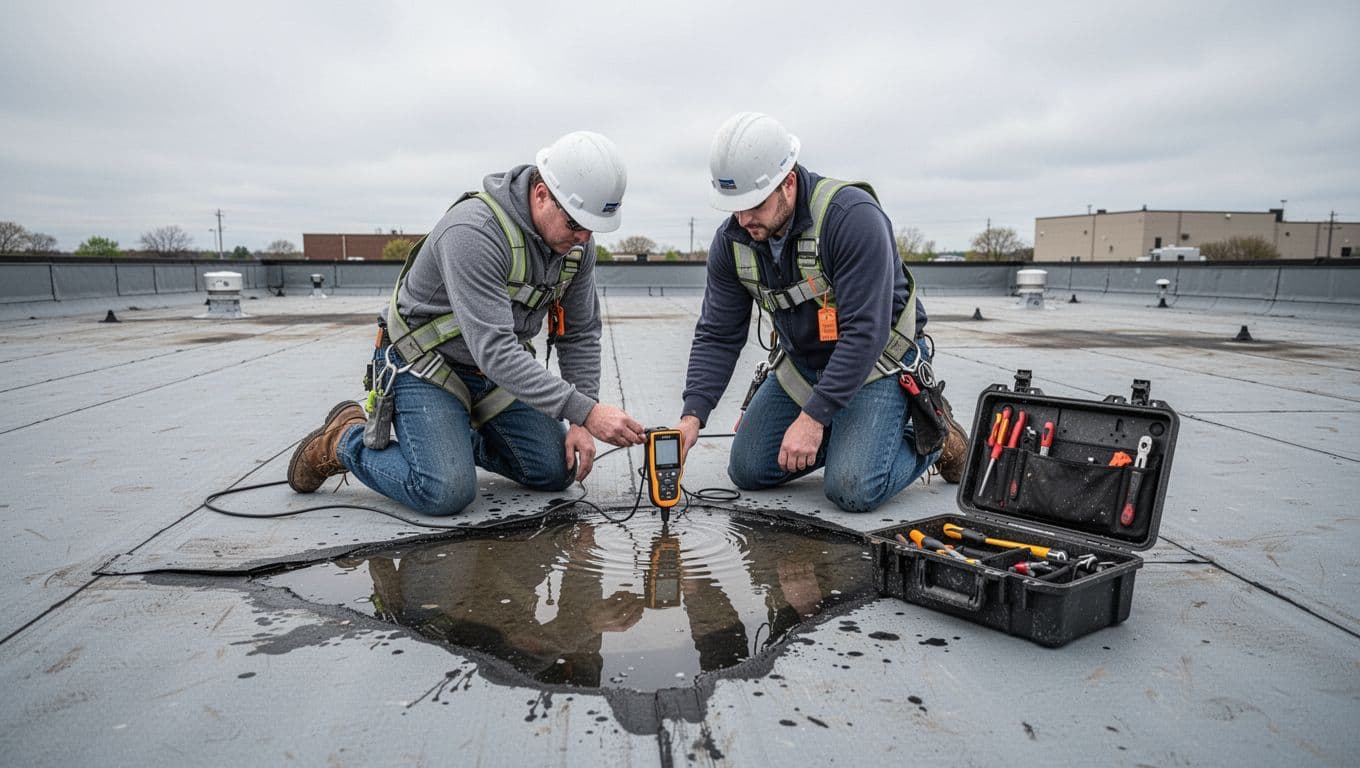
- Get a written roofing report, including repair estimates and contractor estimates, that separates surface damage, hidden damage, and likely cause. On low-slope systems, professional leak detection for flat roofs can support moisture findings that simple photos often miss.
- Ask the insurance company for a re-inspection or supplemental claim in writing, preferably via certified mail. Keep the message short and direct: additional damage tied to the original loss has been found. Keep a written record. This guide to roof claim supplements shows the kind of records carriers often request.
- Meet the insurance adjuster with your roofer on site. That meeting is where missed flashing, saturated insulation, and code items get discussed line by line. Bring the first scope, the new report, photos, and emergency invoices so nothing gets glossed over.
- Protect the building while the review moves ahead and mitigate further damage. Carriers still expect you to stop added loss, so cover openings, move inventory, and document every emergency cost. If the insurance company says the file is closed, consider consulting a public adjuster; reading about reopening a closed insurance claim can help you frame the next step.
FAQ about reopening a roof claim
Can the insurer refuse because the claim was already closed?
Yes, the insurance company can refuse to reopen a closed insurance claim. Still, “closed” doesn’t always mean final if you can show new evidence of newly found damage from the same loss and you are still inside the policy’s time limits for your property damage claim.
What makes refusal more likely
The insurance company will likely refuse a closed insurance claim or treat it as a denied claim if you signed a release of all claims, missed the statute of limitations, or if proof shows the damage came from a new event. These factors can make reopening your property damage claim much harder.
Should I file a new claim instead?
Only if the damage came from a separate storm or a later event. If the same loss caused it, filing a new property damage claim with the insurance company can confuse the record and may saddle you with another deductible. The insurance company prefers supplements to the original claim in these cases.
What if leaks showed up months later?
That can still support a supplement to your property damage claim. Commercial roofs often hide damage under membrane and insulation, so the discovery date and the loss date are not always the same thing. The insurance company may accept this as part of the original loss.
Can hidden moisture increase the payout?
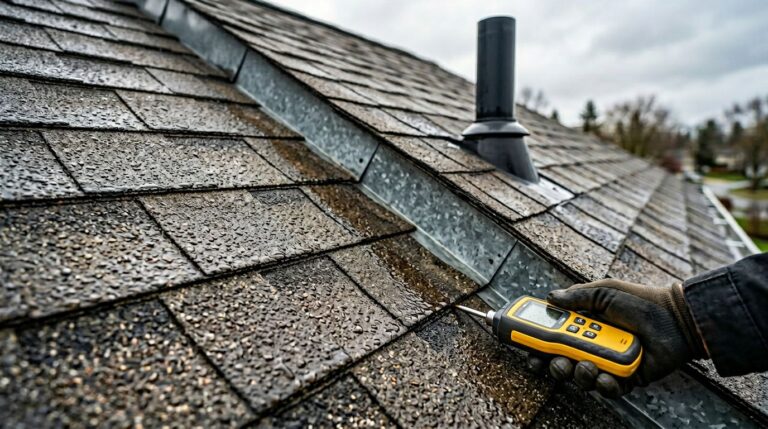
Yes. Moisture mapping, infrared scans, and probe cuts can show the damage extends beyond the visible patch area. That often changes the scope from a simple fix to a broader covered repair, leading to additional compensation from the insurance company after cashing the initial settlement check.
Why this matters on flat roofs
On low-slope systems, water travels sideways, so the stain inside may sit nowhere near the actual breach. The insurance company should consider these factors during the appeal process to avoid policy exclusions.
What if the scope changes from repair to replacement?
Then the insurance company may need to review the entire roof section again, especially if they previously issued a denied claim on the supplement. What looked like commercial flat roof repair can turn into commercial roof replacement when wet insulation, failed seams, or damaged decking spread across a larger area. That’s why many owners bring in Saint Paul commercial roofing experts before accepting a narrow repair scope, and consult a property damage attorney if the insurance company acts in bad faith.
The first estimate from the insurance company isn’t always the last word. On commercial roofs, hidden moisture and missed scope items can show up after the claim looks finished, prompting legal action if needed.
A request to reopen a roof claim is strongest when you act fast, tie every new item to the original loss, and back it with solid roofing evidence. If the paper trail is weak or the insurance company remains uncooperative, the roof gets much harder to defend.
Need a roof inspection in Saint Paul or the Twin Cities? Call Sellers Roofing Company at +1-651-703-2336 or schedule a free estimate. We are a black-owned, NMSDC-certified MBE roofing contractor with 9+ years experience.