Last updated: 2026-08-01 by Ted Sellers, Owner
Yes, but only to stop more damage. Temporary mitigation, such as tarping, sealing an open seam, or protecting interiors, is usually appropriate before a roof repair insurance claim is approved. Full restoration, major tear-off work, or a commercial roof replacement should usually wait until the carrier inspects, unless the building is unsafe and delay would cause more loss.
When This Applies
When early action makes sense
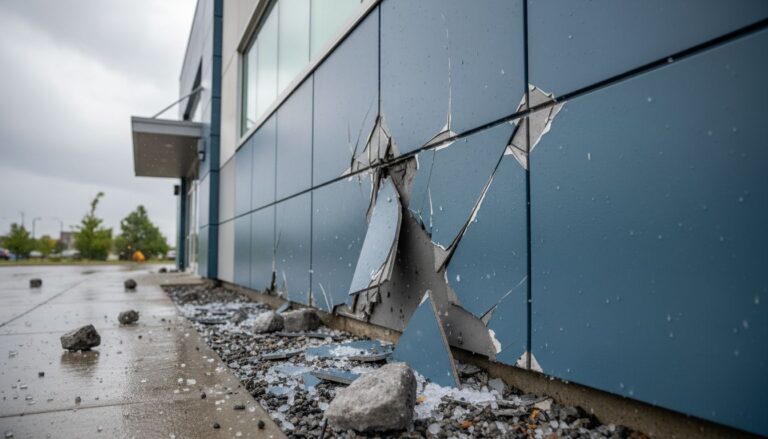
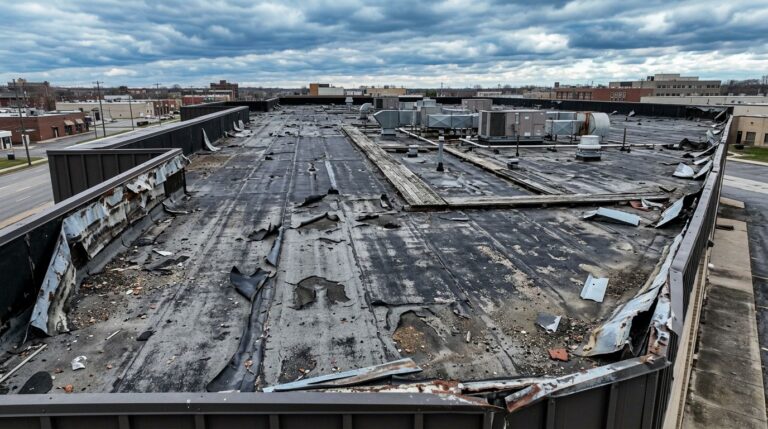
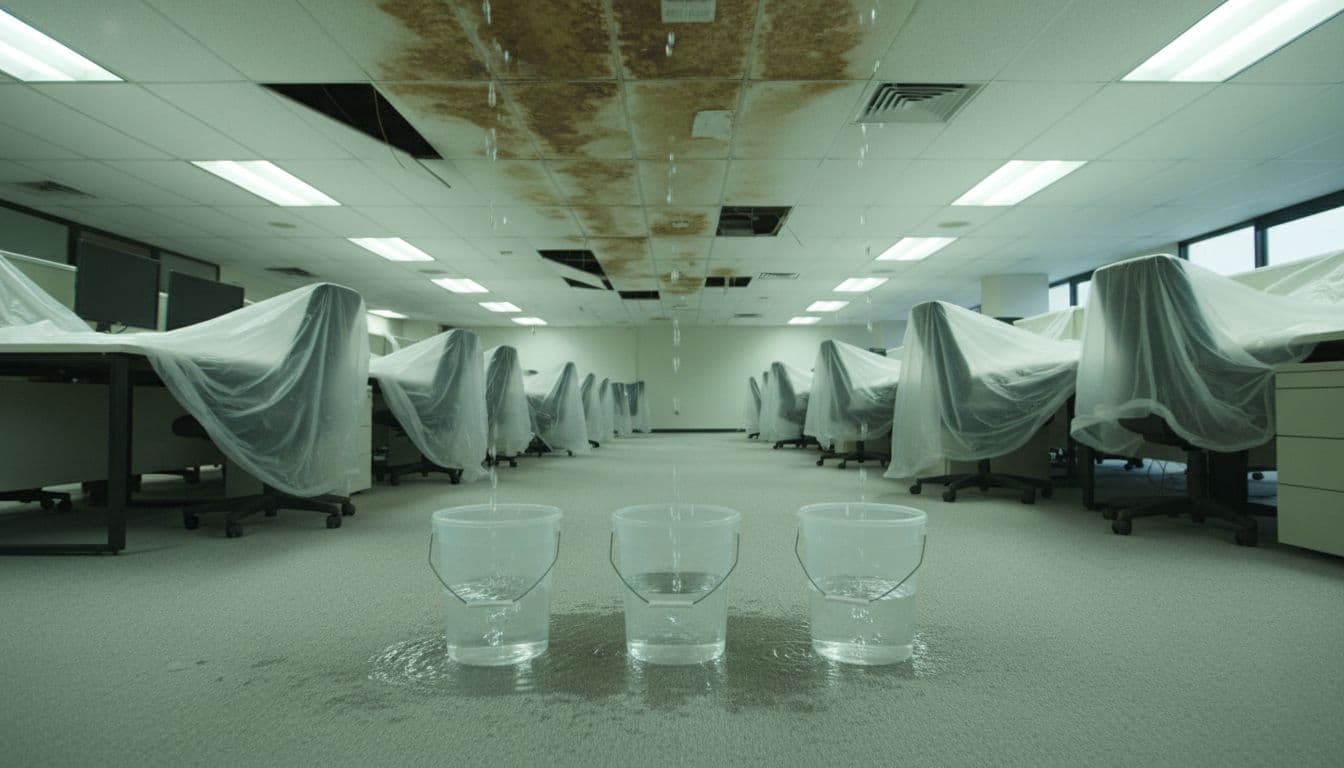
If wind, hail, or a puncture opened the roof system, waiting can be expensive. Water moves fast through insulation, decking, and ceiling systems. In a commercial building, that can shut down offices, damage inventory, and create slip or electrical hazards.
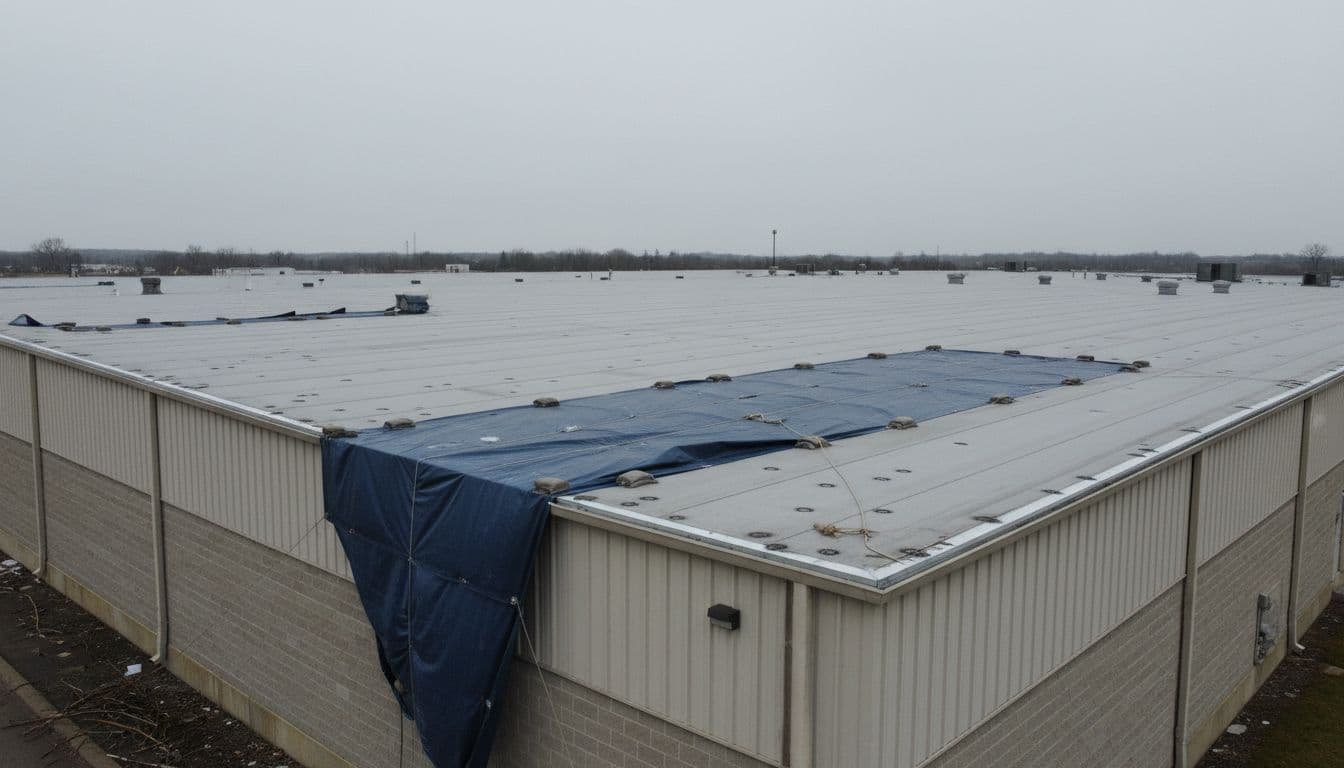
Many property policies expect owners to limit added damage after a loss. That’s why emergency mitigation is different from a full repair. Guidance on starting repairs before the adjuster visit follows the same rule: stop the leak, keep records, and avoid permanent work unless delay is unsafe.
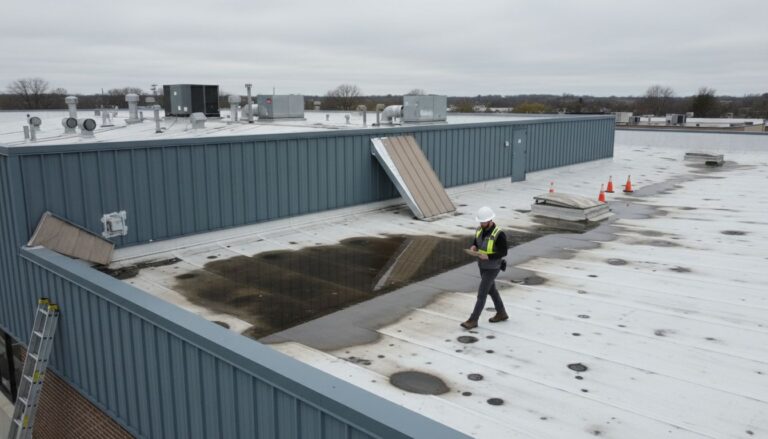
If leaks are hard to trace, Sellers Roofing leak detection reports can capture moisture readings, photos, and wet areas before conditions change. That helps when the leak path is larger than the visible stain.
When you should hold off
If the damage is old, cosmetic, or tied to normal wear, don’t rush into repairs under an insurance file. The carrier may view that as maintenance, not storm loss. The same caution applies when a ceiling stain appears but no active leak is present. First document the condition and wait for direction, unless fresh rain is entering.
A simple rule for gray areas
Use this test: will the work only stop more damage, or will it erase proof of what happened?
| Usually okay before approval | Usually wait for approval |
|---|---|
| Tarping, temporary sealant, interior water control | Full membrane removal |
| Small emergency patch on one area | Full roof coating |
| Short-term commercial flat roof repair to stop active leaking | Full commercial roof replacement |
If the commercial roof needs repair because the system is failing from age, insurance may not pay the bill. In that case, a claim and a maintenance project are two different tracks.
When waiting is not reasonable
If water is hitting an electrical room, server room, food stock, or occupied tenant suite, stronger stabilization may be necessary. Document the condition before, during, and after the work, then notify the carrier in writing the same day.
Step-by-Step
Before anyone touches the roof
- Photograph everything first. Capture wide shots of the roof, close-ups of splits, punctures, flashing, ponding, interior stains, and damaged stock. Add the date, time, and recent weather if you have it. Good photos often settle the later argument about what the roof looked like before anyone patched it.
- Notify the carrier right away. Open the claim, describe the active leak, and ask for written confirmation that emergency mitigation is allowed while the inspection is pending. A typical roof claim approval timeline shows why this matters. Approval often takes days or weeks, but water damage can spread the same afternoon.
If the roof is unsafe to access
Use a qualified commercial roofer or emergency crew. Don’t send maintenance staff onto a slick membrane, a storm-damaged deck, or an area near live electrical equipment. One bad fall can cost more than the roof.
Do only damage-stopping work
- Authorize temporary stabilization, not full restoration. That may include tarps, temporary seam sealant, drain clearing, wet-vac work inside, or a small patch that keeps water out until the adjuster arrives. A short-term commercial flat roof repair is often reasonable. Tearing off large roof sections is not.
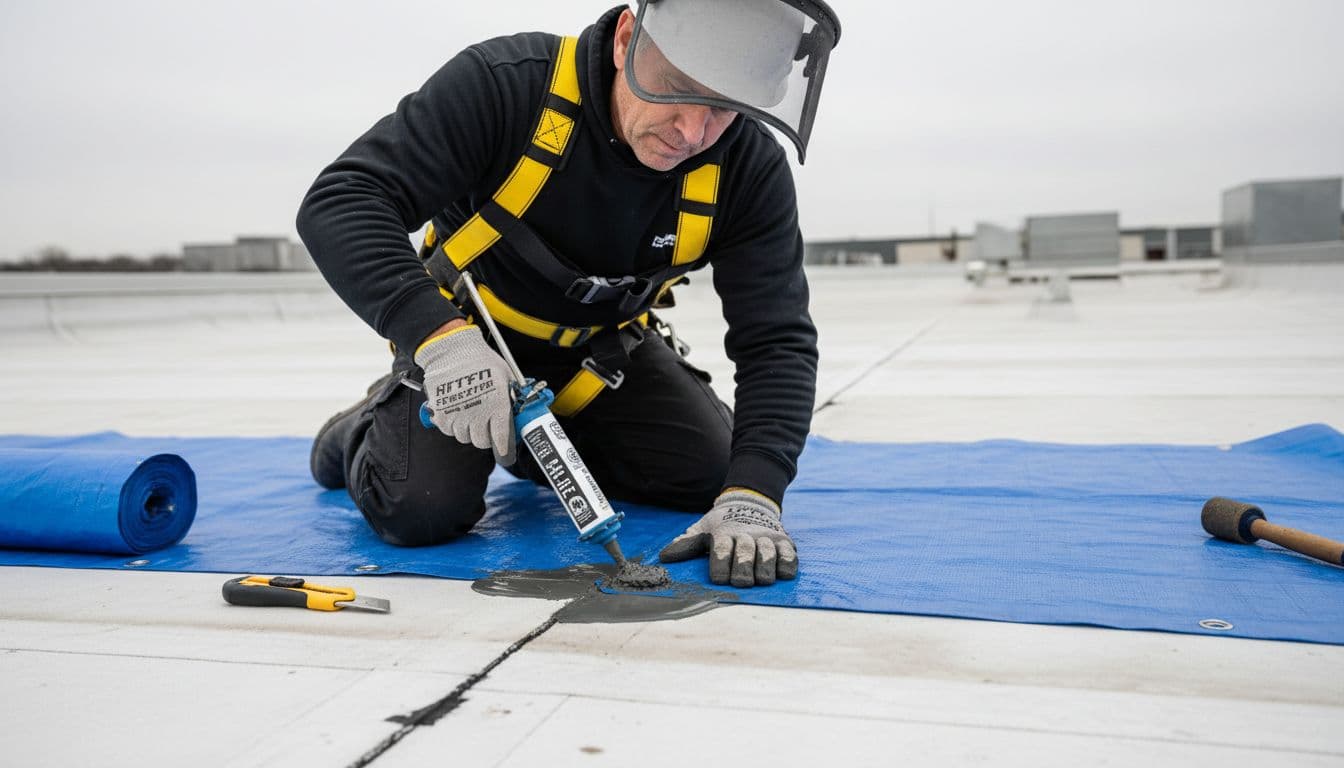
4. Keep every receipt and field note. Save contractor proposals, labor tickets, moisture maps, material invoices, and after-photos. A clean file makes a roof repair insurance claim easier to review, and it cuts down on disputes about what was emergency work versus permanent work. Also, keep emergency invoices separate from planned maintenance. Mixed billing creates confusion fast.
Protect the building first, preserve the evidence second, and delay permanent restoration until the insurer has had a fair chance to inspect.
If you need a roofer who can document storm damage and work with the adjuster, look for commercial roofing claims help in Saint Paul. That kind of support matters when the roof system, flashing, and interior spread all need to be tied back to one loss event.
Move from emergency work to approved scope
- Meet the adjuster with your roofer if possible. Walk the roof together. Compare notes on membrane damage, saturated insulation, flashing failures, rooftop units, and interior spread. This is where scope gaps show up. If the carrier sees only a patch, but the contractor finds wet insulation across a wider area, you want that discussion before permanent work starts.
If the insurer’s scope looks short
Ask your roofer for a written supplement with photos, quantities, and a clear explanation of what was missed. Send that through the claim channel before you authorize final work. 6. Approve permanent repairs only after scope, pricing, and cause are clear. If the system can be repaired, move ahead with the documented scope. If the damage is broad, or code upgrades make patching unrealistic, the file may shift toward a larger rebuild or a commercial roof replacement. The key is timing. Get the carrier’s position first, then sign the final contract.
Sometimes the roof only needs a localized repair. In other cases, the visible split is the tip of the problem, and wet insulation spreads farther than anyone expected. Either way, the safest order is the same: notice, mitigation, inspection, scope review, then permanent work.
Why Permanent Repairs Before Approval Can Hurt the Claim
What insurers may question after the fact
Once you remove membrane, discard insulation, or coat over impact marks, you change the evidence. Then the carrier may ask harder questions. Was the damage caused by one storm, long-term wear, poor drainage, or an old leak? Without the original condition on record, those answers get less clear.
That doesn’t mean every early repair kills a claim. It means undocumented permanent work creates openings for delay, partial payment, or denial. The risk climbs when an owner uses in-house labor or guesses at the scope. For owners thinking about self-performed work, this overview of commercial property owners and roof repairs explains why standards, documentation, and warranty issues matter.
Where owners get into trouble
A common mistake is turning a temporary patch into a full project. Another is throwing away wet materials before anyone inspects them. Even when the roof truly needs repair, fast permanent work can make it harder to prove how much storm damage existed on day one.
The same problem shows up when owners mix maintenance with claim work. If a contractor cleans drains, reseals old curbs, patches a seam, and replaces storm-hit membrane on one invoice, the carrier may challenge which items belong to the covered loss.
Conclusion
The rule that keeps claims clean
You can start roof work before approval when the goal is to stop added damage, protect people, and keep the building operating. Keep that work temporary, document it well, and give the insurer a fair chance to inspect before you move into permanent repair.
That order keeps a roof insurance claim stronger. It also helps you separate urgent protection from the bigger decision about repair versus replacement.
FAQ
Will my insurer deny the claim if I tarp the roof first?
Usually no. Most carriers expect reasonable emergency mitigation. Trouble starts when the tarp is followed by broad tear-off or replacement before the adjuster sees the original damage.
Can I remove wet insulation before the adjuster arrives?
Usually wait, because removed material is lost evidence.
When removal can’t wait
If soaked insulation is creating a safety issue, trapping water, or driving interior damage, photograph it in place, save a sample if possible, and tell the carrier before removal.
What if the adjuster can’t inspect for two weeks?
Don’t leave the building exposed. Keep documenting conditions, maintain temporary protection, and send updates to the carrier. If rain keeps entering, your contractor may need to refresh the tarp or patch during the wait.
Does emergency work count toward the claim payment?
It often can. Carriers often pay for reasonable mitigation costs, but they still review price, cause of loss, and whether the work stayed temporary.
What if my tenant space is taking on water every time it rains?
Move faster on mitigation. Protect occupants, isolate the area, and stop the leak path as best you can. Then keep records of each emergency visit, damaged contents, and any business interruption tied to the leak.
Need a roof inspection in Saint Paul or the Twin Cities? Call Sellers Roofing Company at +1-651-703-2336 or schedule a free estimate. We are a black-owned, NMSDC-certified MBE roofing contractor with 9+ years experience.