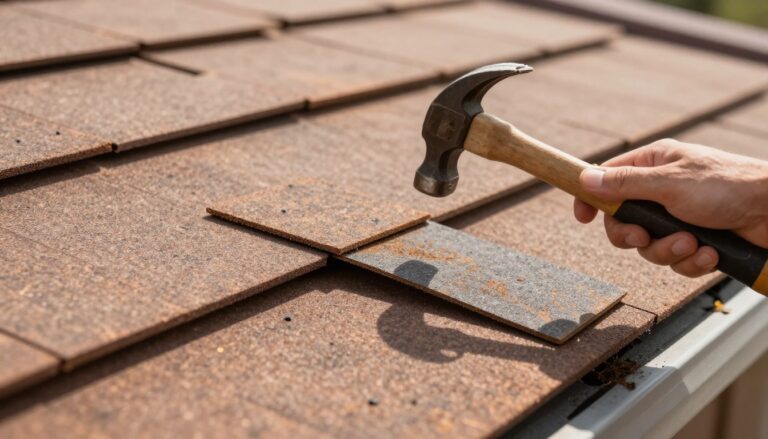
Last updated: 2026-08-01 by Ted Sellers, Owner
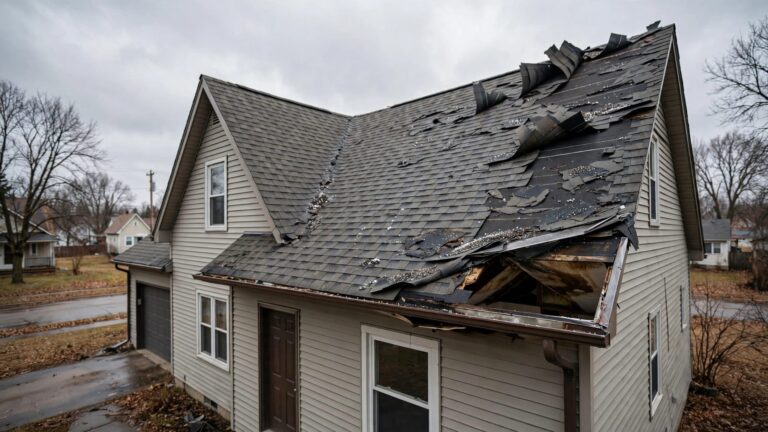
Yes. Wind can loosen fasteners, flex the deck, shift edge metal, and open seams before water shows inside. A commercial roof may stay dry after the first storm, then leak during the next rain, thaw, or gust event. On large buildings, hidden deck damage often appears first as uplift, soft spots, or membrane movement, not a ceiling stain.
When This Applies
Which buildings and roof systems fit this problem
This applies to commercial owners with low-slope roofs, especially TPO, EPDM, PVC, modified bitumen, and metal systems. Wind uplift rarely acts like a single puncture. Instead, it pulls at corners, perimeters, seams, and roof edges. That force can strain the deck below while the interior still looks fine.
Warehouses, retail centers, office buildings, and multi-tenant properties face this more often because they have large, open roof areas. Wide roofs catch long pressure changes, and rooftop units create turbulence. Older attachments, previous patches, and wet insulation raise the odds that wind-damaged roof decking is hiding below the surface.
If you manage a property in the Twin Cities, Saint Paul commercial roofing experts can inspect the membrane, insulation, and deck as one system. That matters because the surface often tells only part of the story.
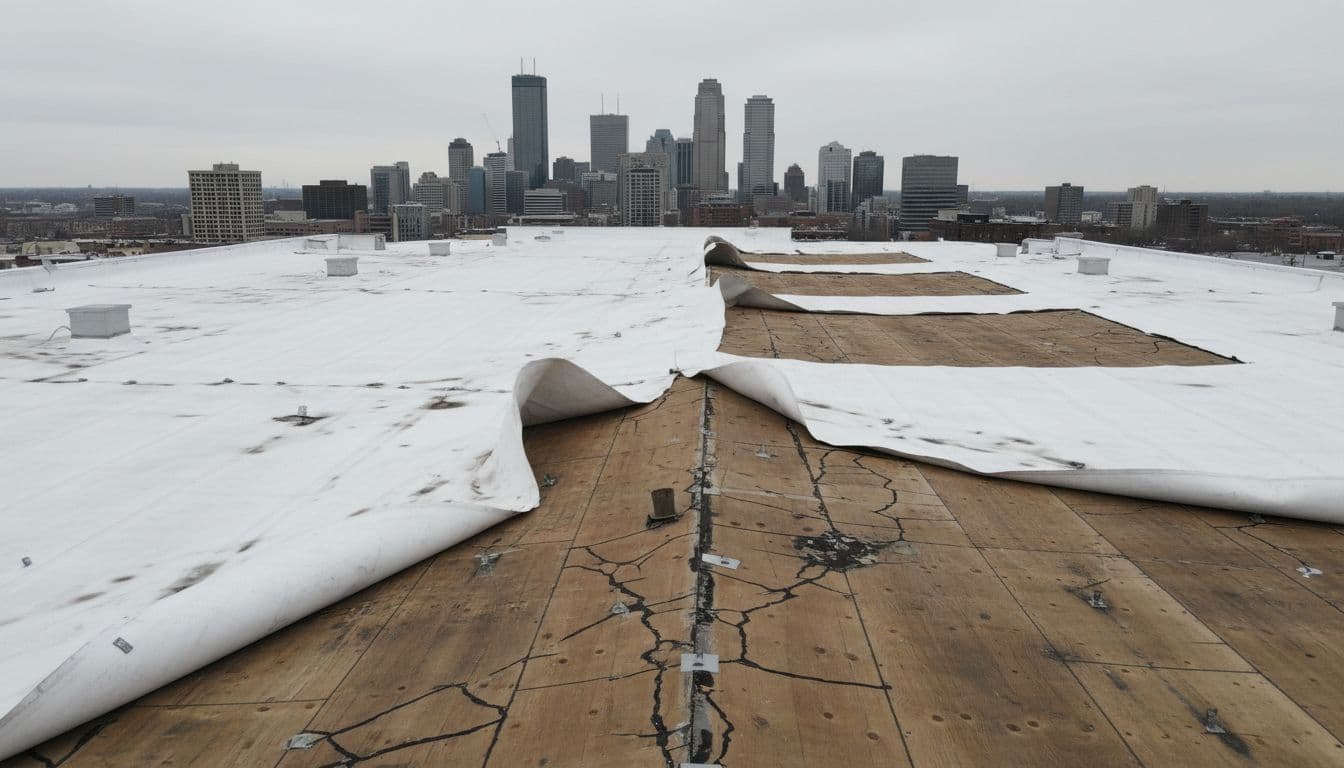
Water also does not always drip straight down. On commercial roofs, it can move through insulation or along the deck before it reaches a ceiling tile or wall. That delay is why owners sometimes miss a deck problem until the second storm.
When it does not, and the edge cases
This does not fit every windy-day service call. If the roof has tight seams, firm decking, secure edge metal, and no uplift at penetrations, the deck may be fine. A roof can come through a storm with no hidden structural issue when the attachments held and the membrane stayed bonded.
A dry ceiling also means less only when the inspection supports it. Visual calm is not the same as proof. On low-slope roofs, small movement at the edge can still mean bigger trouble beneath the field membrane.
Newer roofs are not immune
Age raises risk, but it is not the only factor. A newer roof can still suffer deck movement if wind loads were high, edge securement was weak, or fasteners were poorly seated during the original install.
This quick check helps sort common post-storm patterns.
| Roof condition after wind | Leak today | Deck concern |
|---|---|---|
| Tight surface, no uplift | Unlikely | Lower |
| Lifted edge or soft spot | Maybe later | High |
| Wet insulation in test cut | Sometimes delayed | High |
The absence of a leak lowers urgency, but it does not clear the deck.
Step-by-Step
1. Secure the area and stop more movement
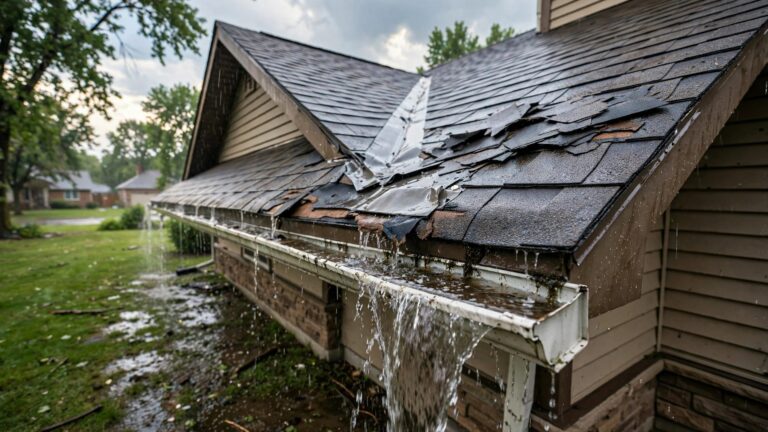
Start with safety. Keep staff and tenants off the roof until a qualified roofer checks access. A storm can leave slick membranes, loose edge metal, and soft deck zones near parapets or rooftop units.
Do only damage-stopping work at first. Temporary dry-in, drain clearing, interior protection, and small stabilizing patches are reasonable. Large tear-off work is not. Take photos before anything gets covered.
If access is unsafe
Do not send maintenance staff onto a suspect roof. A fall or deck collapse can cost more than the roof damage itself.
2. Check for signs above and below the roof
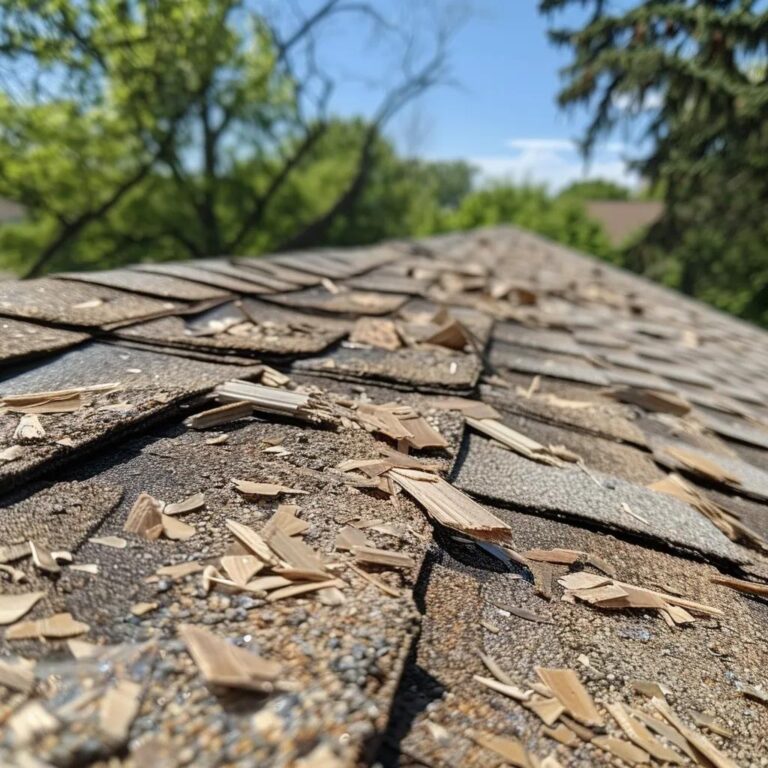
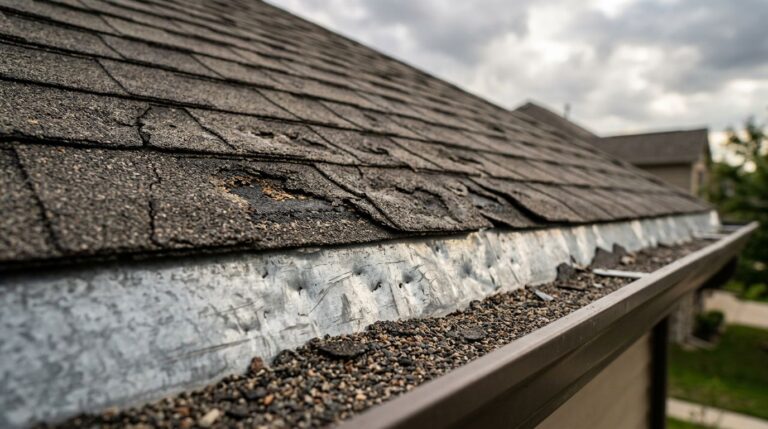
Look for signs that the deck shifted even without a leak. On the roof, watch for wrinkled membrane, lifted seams, bowed coping, backed-out fasteners, or soft areas underfoot. Inside the building, note new odors, popped ceiling tiles, dust from the deck, cracked sealant at walls, or water marks that appear only after later storms.
If the underside of the deck is visible from a warehouse floor or service area, look for sagging, fastener movement, or fresh daylight at wall lines. Also compare the wind-facing corners first. Corners and perimeters usually take the strongest uplift.
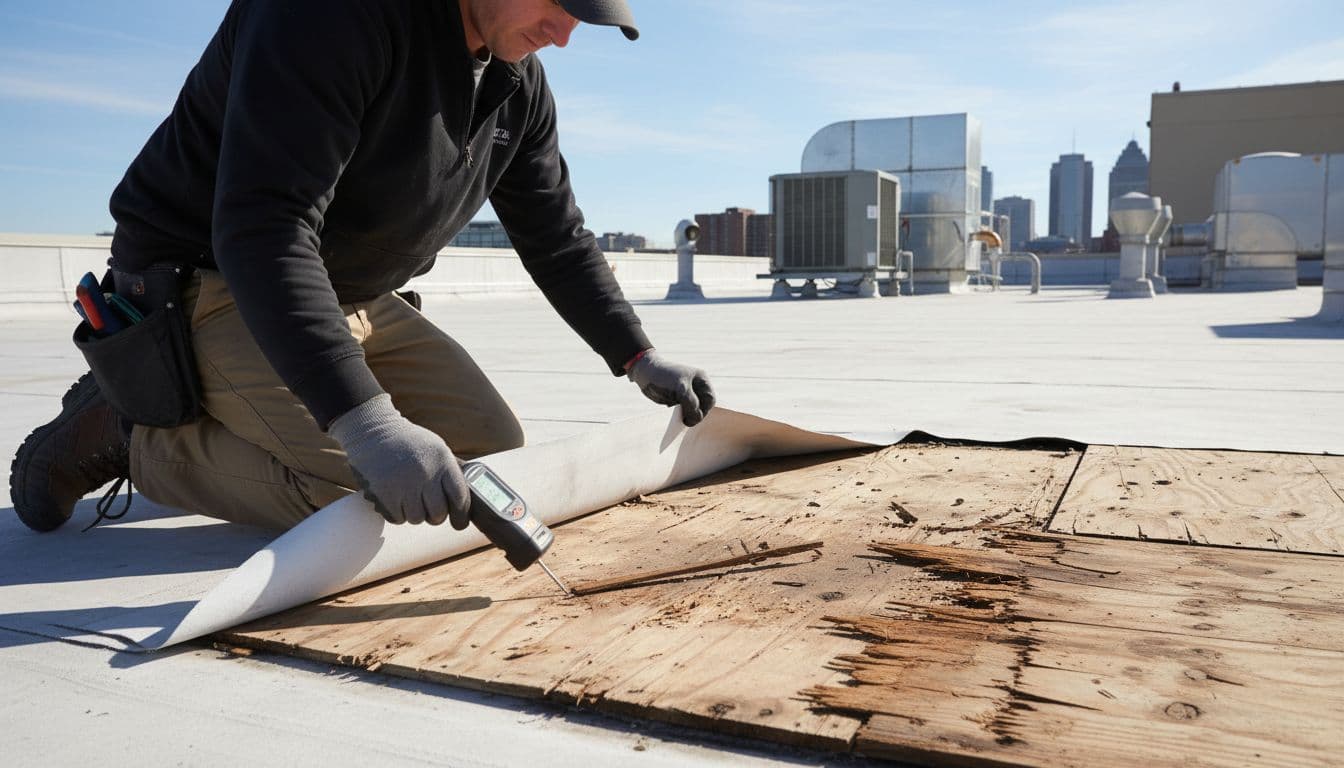
3. Get an inspection that looks past the membrane
A surface walk is rarely enough. Decking damaged by wind often sits under TPO, EPDM, or metal panels that still look mostly intact. Ask for photos, moisture readings, test cuts, and notes on pulled fasteners, splintered wood, rusted steel, and saturated insulation.
This is where commercial roof leak detection Saint Paul work helps. On large roofs, water can travel far from the entry point, so the first interior stain may show up well away from the deck failure.
Ask the roofer to separate fresh storm damage from older wear. That split matters. Previous repairs or aging materials can confuse the scope, but they do not erase new wind damage if the evidence is clear.
If insurance may be involved
Open the claim early, confirm emergency mitigation is allowed, and keep every receipt, field note, and photo. If hidden damage appears during tear-off, that proof supports a revised scope.
4. Match the scope to the actual damage
Some roofs need a focused fix. If uplift is limited, insulation is dry, and the deck remains sound, a commercial flat roof repair may be enough. That often means re-securing membrane, replacing damaged sections, restoring flashing, and tightening the edge before the next weather event.
Broader attachment failure changes the decision. If the deck has soft zones in several areas, if wet insulation spreads beyond the visible opening, or if seams keep failing, commercial roof replacement may be the better financial choice. Repeated service calls add up fast, and they rarely restore long-term confidence.
If your commercial roof needs repair in several sections from the same storm, keep those findings together. At the same time, separate older maintenance issues so the current damage stays clear.
A dry ceiling the day after a windstorm does not clear the roof. It may only mean the water has not found a path yet.
5. Decide on repair or replacement before the next storm
Make the final call after the scope is clear, not after a rushed patch. Review the photos, measurements, moisture results, and any code notes. Then compare the cost of near-term repair against future leak risk, tenant disruption, and the roof’s remaining life.
Owners run into trouble when a temporary patch turns into a permanent plan. If the storm already loosened the deck, every new gust can widen the problem. Fast action matters, but the right scope matters more.
Why the leak may show up later
Deck damage often starts before water reaches the ceiling
Wind loads the roof system in layers. First, uplift pulls on the membrane or metal panels. Next, fasteners strain, edge details shift, and the deck flexes. Only after that does water find a route through a seam, penetration, or loose edge. That is why a building can stay dry right after the storm.
On flat roofs, the delay gets longer when insulation traps the moisture. Water can soak cover board and insulation for days before it appears indoors. By the time a tenant notices a stain, the damaged zone may be much larger than the visible leak.
The next storm exposes what the first storm started
One wind event can weaken the roof without finishing the job. Then the next rain, thaw, or snowmelt turns that weakness into an active leak. Many owners assume the second storm caused everything. In many cases, it only exposed earlier deck movement.
That gap matters for repair planning and claims. Good records from the first day, including photos, dates, and moisture data, help show when the damage began and whether repair is still a sound option.
Conclusion
The takeaway for building owners
Yes, wind can damage roof decking before a leak appears. On commercial buildings, the first warning often shows up as uplift, soft spots, shifted edges, or wet insulation, not dripping water.
A prompt inspection that checks the deck, not only the surface, is the safest move. A roof that looks dry today can cost far more after the next storm.
FAQ
Can wind damage roof decking on a metal roof without tearing panels off?
Yes. Wind can loosen clips, stress seams, and flex the deck under metal panels before anything obvious blows away. The roof may still shed water for a while, then start leaking when panel movement widens the opening.
What to watch for
Look for loose trim, fresh seam movement, and changes near wind-facing edges.
Should I wait for an active leak before calling a roofer?
No. Waiting often makes the scope larger. Once wind loosens the deck or attachments, the next rain can wet insulation and spread well beyond the first weak area. Early inspection is usually cheaper than interior repairs.
Can previous repairs make wind damage harder to prove?
Yes, but old repairs do not cancel a new loss by themselves. The main issue is cause. Clear photos, test cuts, and notes that separate fresh uplift from old wear help keep the scope honest.
If the adjuster says a patch is enough, what should I do?
Compare the insurer’s scope to the roofer’s field findings. If photos, moisture readings, or tear-off show wet insulation or a wider damaged deck, ask for a revised scope before permanent work starts.
When a supplement makes sense
Use it when the first estimate missed covered damage, code items, or the true repair area.
How fast can hidden deck damage turn into a bigger problem?
Sometimes in the next storm. Sometimes after a freeze-thaw cycle or heavy rooftop traffic. Once the deck and attachments loosen, water entry and membrane movement usually get worse, not better.
Need a roof inspection in Saint Paul or the Twin Cities? Call Sellers Roofing Company at +1-651-703-2336 or schedule a free estimate. We are a black-owned, NMSDC-certified MBE roofing contractor with 9+ years experience.