Last updated: 2026-10-18 by Ted Sellers, Owner
Replace a TPO roof when documented deterioration, concealed damage, or recurring failures make a durable repair impractical, not simply when the roof reaches a particular birthday. A localized defect may be repairable; uncertain moisture or repeated leaks may require investigation first. Base the decision on the complete roof assembly and a written assessment.
For Saint Paul and Twin Cities building owners, this guide organizes the decision into five condition checks. It does not calculate a roof’s remaining life from its age or appearance.
Repair, investigate, or replace?
Use this decision table to frame the inspection. The observations are reasons to evaluate an option, not a remote diagnosis of your building.
| Observed situation | Next step to discuss | Evidence needed |
|---|---|---|
| A localized puncture or flashing defect | Evaluate a compatible, targeted repair. | Extent of damage, condition of adjoining materials, and the manufacturer’s repair requirements. |
| A recurring leak with an uncertain entry point | Investigate before prescribing another patch. | Dated leak history, affected roof areas, previous repairs and any proposed testing. |
| Suspected wet insulation or deck deterioration | Define an investigation and removal scope. | Test method, sample locations, findings and limits. A surface photograph cannot establish hidden conditions. |
| Widespread deterioration or many unsuccessful repairs | Compare replacement with any technically viable repair plan. | Mapped extent, repair feasibility, affected layers, access and itemized alternatives. |
| An apparently serviceable roof with drainage concerns | Assess drainage and the existing assembly. | Drain and scupper conditions, roof geometry and the source of the drainage problem. |
| A proposal to install a new roof over the old one | Evaluate recover eligibility separately. | Existing layers, moisture condition, structural suitability, compatibility and applicable project requirements. |
Five checks that matter more than a universal lifespan
1. Membrane, seams and flashing condition
Ask the assessor to identify the roof areas examined and distinguish isolated damage from a repeated pattern. Request photographs tied to locations, not an unlabeled collection of close-ups. Surface dirt or a single wrinkle should not become a replacement verdict without an explanation.
GAF’s commercial inspection guidance considers roof history, surface details, drainage and previous work together. Use the selected manufacturer’s requirements when evaluating a repair.
2. What is known about concealed layers
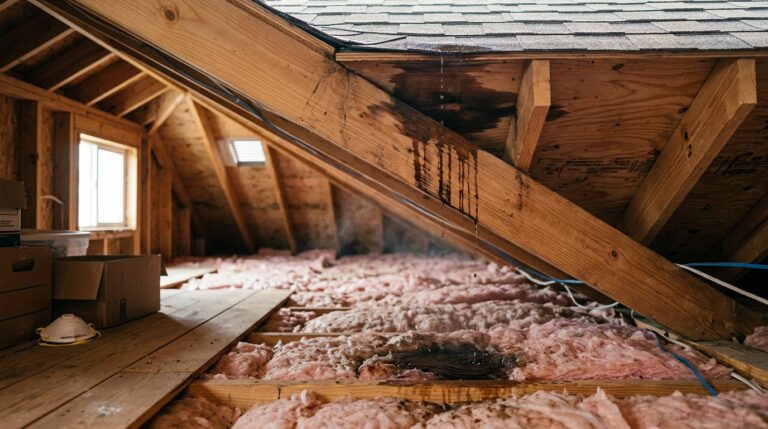
Intact-looking TPO does not prove dry insulation or a sound deck. Ask whether the decision requires a moisture survey, investigative openings or representative core samples. The report should explain what each method can establish and which areas remain untested.
An infrared pattern is not, by itself, a complete map of wet insulation. Likewise, a dry sample at one location does not certify every layer across the roof. Agree on test scope, permissions and restoration of openings before invasive work begins.
3. Drainage and building conditions
Discuss water that remains on the roof, debris, drains, scuppers and transitions around equipment. A different membrane does not by itself correct an unsuitable drainage layout. Roof drainage or structural questions may need design input beyond the roofing inspection.
In Minnesota, snow, ice and weather can limit safe access and what can be observed. Record those limits and arrange any follow-up needed rather than describing an inaccessible roof as fully inspected.
4. Leak and repair history
List when leaks occurred, where they appeared inside, what work was performed and whether the symptom returned. Repeated patches near one curb warrant a different conversation from unrelated damage in several roof areas. Separate temporary protection from completed permanent repairs.
5. Scope, warranty and building plans
Compare the actual proposed work, including removal, insulation, flashing, drainage, access and conditional deck repairs. Review the existing warranty’s coverage and notice procedures. A warranty term is not a promised service life or a substitute for assessing the roof.
Use our commercial budget guide to compare base work, allowances and alternatives. No fixed repair percentage or age threshold is used here to decide every project.
Can a TPO roof be recovered instead of replaced?
Sometimes, but a recover is not permission to bury damage. GAF’s recover guidance identifies structural suitability, existing layers and moisture condition as important checks. Confirm the proposed assembly, local requirements and manufacturer’s approval for the actual building before accepting a recover option.
An assessment example: observation is not a conclusion
A property manager reports a leak near rooftop equipment. An assessor observes a damaged flashing detail, but has not tested the insulation. The record should identify the observed defect, mark concealed moisture as unknown, and explain whether investigation is needed before fixing the permanent scope. It should not declare the whole roof dry, promise a remaining lifespan, or order replacement based only on that photograph.
Bring this roof-condition checklist to the visit
- Installation and warranty records, where available.
- A roof plan or clearly named roof sections.
- Dated leak locations and earlier repair documents.
- Accessible surface, seam, edge and penetration observations.
- Drainage concerns and recent rooftop trade work.
- Testing completed, areas sampled and unresolved questions.
- Written options that identify temporary work, permanent work and exclusions.
Do not access the roof to gather this information. Share existing documents and observations from safe locations. Our commercial inspection page explains how to scope the assessment and its deliverables.
TPO replacement questions
Does an older TPO roof automatically need replacement?
No. Age helps establish the history, but the decision needs condition evidence and a viable repair or replacement scope. Conversely, a younger roof can have serious problems. Avoid a formula that adds or subtracts years from a generic lifespan based only on appearance.
Will a coating solve recurring leaks?
Not automatically. First identify the leak source and concealed conditions. A coating proposal needs substrate compatibility, preparation and manufacturer-specific requirements; it is not a substitute for repairing unsuitable underlying materials or correcting a drainage defect.
What should happen after a targeted repair?
Retain the approved scope and completion record, monitor the reported symptom, and document any further leaks. Set future checks around the roof system, building activity and warranty requirements. See our maintenance planning guide.
Get a building-specific repair or replacement plan
Sellers Roofing works with Twin Cities owners and property managers on commercial roof repair and replacement planning. Comparing a replacement membrane? Read TPO versus EPDM for Minnesota buildings. Call about an active leak to discuss availability; a web form is not an emergency dispatch commitment.
Need a roof inspection in Saint Paul or the Twin Cities? Call Sellers Roofing Company at +1-651-703-2336 or schedule a free estimate. We are a black-owned, NMSDC-certified MBE roofing contractor with 9+ years experience.