Last updated: 2026-08-01 by Ted Sellers, Owner
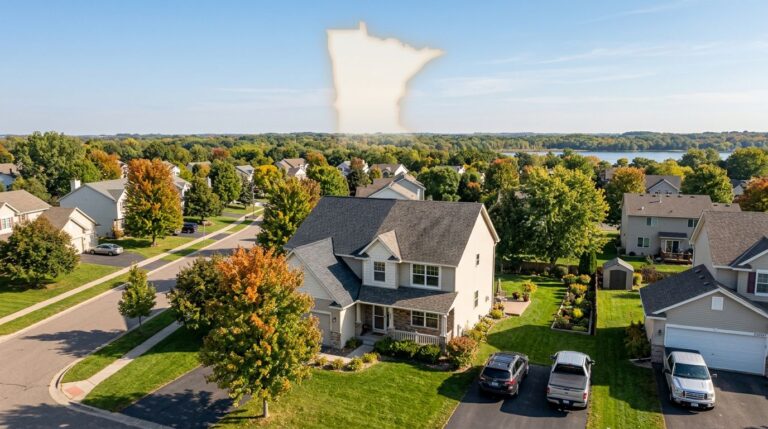
Usually, no. In Minnesota, an insurer can ask for extra roof bids on a claim, but there is no standard state rule that forces a commercial owner to collect a set number. The real issues are your policy terms, the claim facts, and whether the carrier is checking scope instead of trying to buy the job at the lowest price.
An insurer may request more estimates, but it still has to pay for the right scope of covered work.
When This Applies
When an insurer may ask for more roof bids
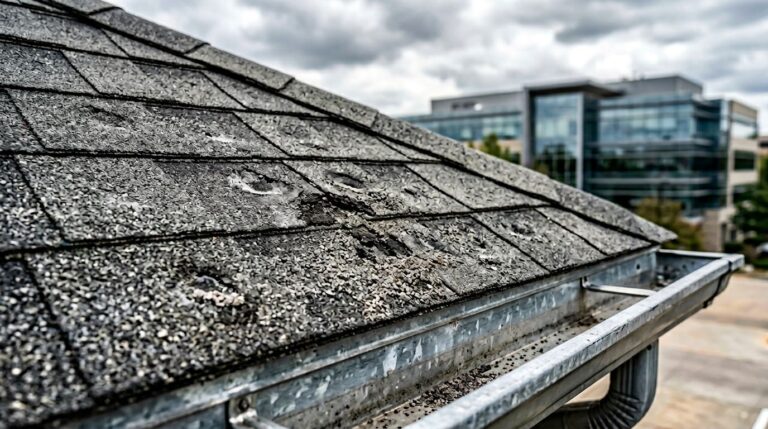
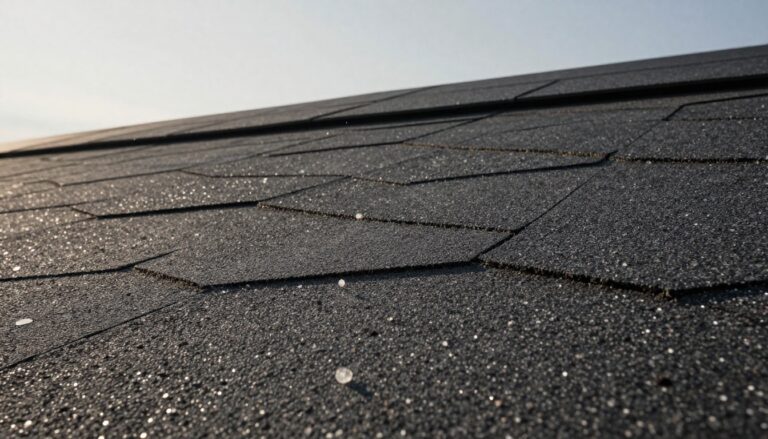
This comes up most often after hail, wind, falling debris, or a sudden leak on offices, retail centers, warehouses, and mixed-use buildings. Carriers ask for more insurance roof bids when the roof is large, the damage is spread out, or the adjuster is unsure whether the loss calls for repair or replacement.
Large low-slope roofs are the usual trouble spot
On a commercial roof, two bids can describe two different jobs. One may include a surface patch. Another may include wet insulation removal, flashing reset, edge metal, disposal, and code-required details.
That gap is common on TPO, EPDM, modified bitumen, and metal systems because water can travel far from the opening. If the leak path is disputed, commercial roof leak detection services can help tie the interior damage to the actual roof failure before permanent work starts.
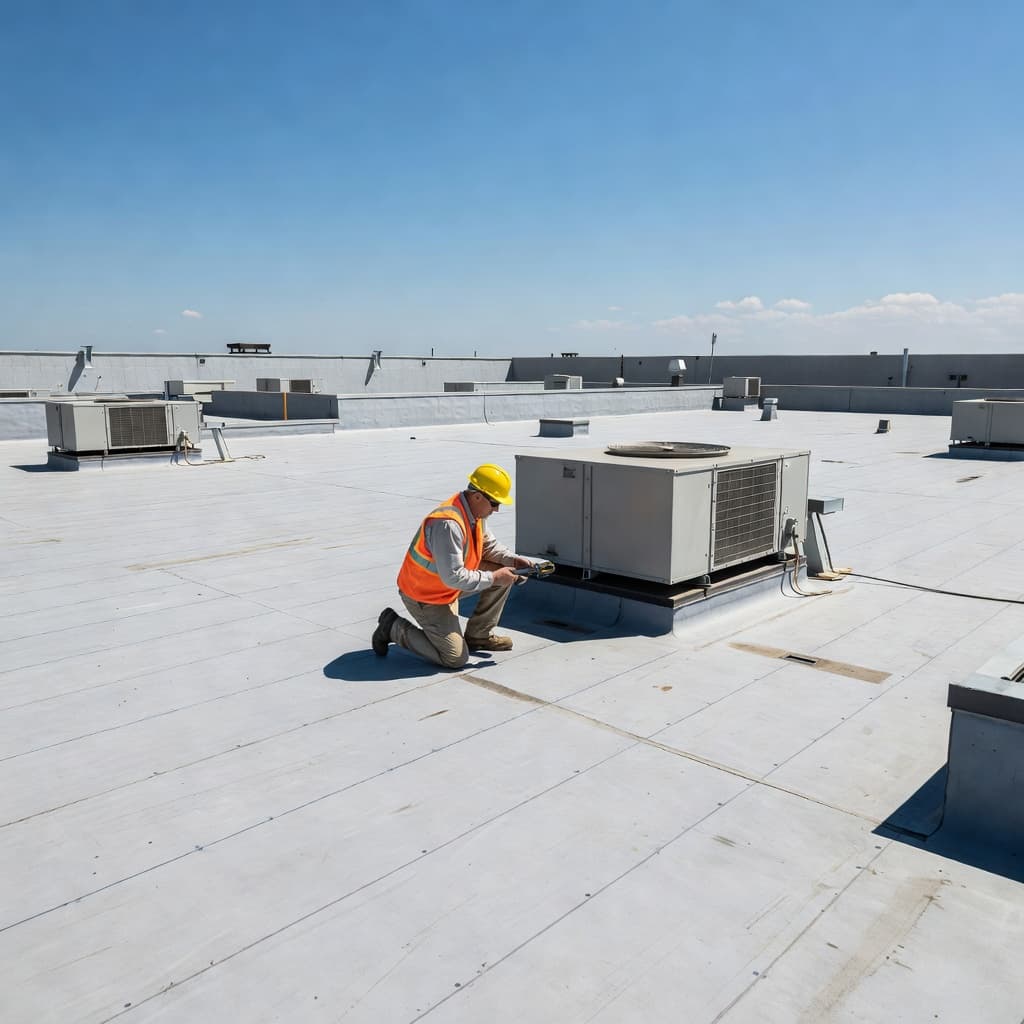
Bid requests also show up when the carrier sees older patches, ponding, or a long repair history. In that case, the dispute is often about cause of loss. The insurer wants to know what came from a covered event and what came from age or neglect.
When it does not apply, and the main exceptions
No Minnesota rule appears to require three bids for every roof claim. A carrier also cannot end the discussion by pointing to the cheapest estimate if that estimate leaves out covered items, hidden damage, or code-related work. Commercial owners still choose their contractor, which is also noted in this Minnesota storm claim overview.
A policy condition can change the answer
Your policy can still require cooperation. If the adjuster asks for measurements, photos, test cuts, or a second inspection, provide them. That request is different from a legal mandate to shop the claim.
This also does not help when the roof problem is plain maintenance. If no covered event caused the damage, more bids will not create coverage. Another Minnesota rule matters here too: contractors cannot offer to pay your deductible or trade gifts for insurance work, according to a Minnesota DLI warning.
Step-by-Step
1. Ask why the insurer wants more bids
Start with a short written question to the adjuster. Ask whether the request comes from the policy, a scope dispute, or simple adjuster preference. That answer tells you how hard you need to push.
If they cite the policy
Ask for the exact section. Many policies require cooperation, but that is not the same as a fixed three-bid rule.
2. Compare scopes, not totals
Line up the estimates side by side. Check membrane squares, insulation thickness, tear-off, flashing, drains, curb work, crane time, permits, and disposal. On a commercial job, the bottom line means little if the line items do not match.
This is where repair disputes start. One bid may assume a small patch, while another includes wet insulation and damaged cover board outside the marked area. The lower price may be lower because it missed work, not because it is more efficient.
3. Build proof before permanent work starts
Good claims turn on proof. Take wide photos, close photos, moisture readings, test cuts, and field measurements. Keep tenant leak logs, service invoices, and storm dates too.
If tear-off exposes saturated insulation, crushed edge metal, or punctures beyond the first scope, submit a supplement. That is a correction to missing covered work, not a way to pad the claim. If the loss is expanding from a small fix into a larger system issue, a trusted commercial roofing contractor Saint Paul MN can help compare the repair scope with a full replacement scope.
4. Keep temporary repairs temporary
You should stop more damage right away. Tarping, drain clearing, interior protection, and a small dry-in patch usually help the claim because they show reasonable mitigation.
When emergency work cannot wait
Photograph the condition first. Then save samples, daily notes, and every invoice, because permanent work done too early can erase the evidence the carrier wants to inspect.
5. Push back in writing if the low bid is missing work
Keep the response short and factual. Point to the missing line items, the photo set, the moisture findings, and any code issue tied to the same covered event. Ask for reinspection if the carrier is relying on a bid that assumes a smaller job than the roof actually needs.
6. Decide whether the roof needs repair or replacement
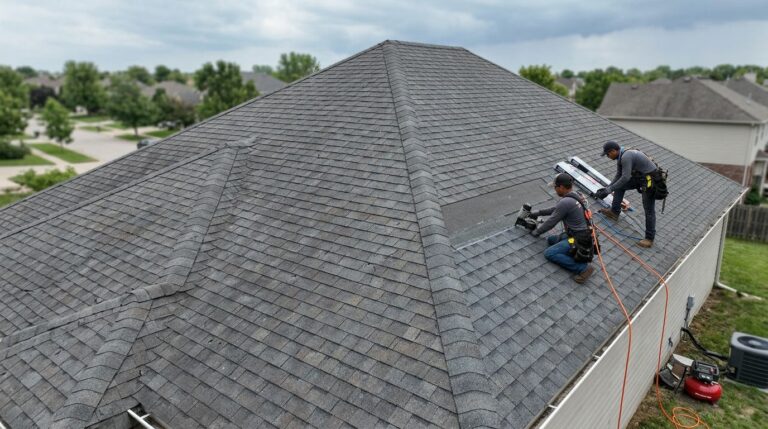
Sometimes a commercial roof needs repair in one contained area and nowhere else. In that case, commercial flat roof repair may be the right answer. If the membrane is failing in several zones, the insulation is wet across a broad field, or repeated leaks keep returning, commercial roof replacement may cost less over time.
Keep upgrades separate from the claim. If you want a better membrane or a new drainage design, price that outside the covered work so the file stays clean.
Final Thoughts
Multiple bids are a tool, not a Minnesota rule. When an insurer asks for more estimates, treat it as a scope and documentation issue, not a command to hire the cheapest roofer.
The strongest file is simple and specific. When your photos, measurements, and contractor scope match the real roof condition, the claim shifts back to what matters, paying for the work the building actually needs.
FAQ
Can an insurer refuse to pay unless I get three bids?
Usually no. The carrier can ask for more information, but coverage should turn on the policy and the documented damage. If payment is delayed, ask for the written reason.
Do I have to hire the cheapest contractor?
No. You usually keep the right to choose your roofer. The insurer owes for reasonable covered work, not the lowest paper number.
What if tear-off shows more damage than any bid included?
That often calls for a supplement. New photos, measurements, and moisture findings can support added covered work.
What should stay separate?
Keep elective upgrades out of the claim. Better materials or design changes usually belong on a separate proposal.
Can I start repairs before the insurer approves a bid?
You can usually do temporary mitigation to stop more loss. Full restoration should wait unless the building is unsafe or damage is spreading fast.
What should I save?
Keep photos, removed samples when possible, field notes, and receipts. Those records help protect the claim.
What if the roof had older patches before the storm?
Older repairs do not kill coverage by themselves. The insurer still has to connect the present damage to excluded wear, bad prior work, or another uncovered cause.
Need a roof inspection in Saint Paul or the Twin Cities? Call Sellers Roofing Company at +1-651-703-2336 or schedule a free estimate. We are a black-owned, NMSDC-certified MBE roofing contractor with 9+ years experience.