Last updated: 2026-08-01 by Ted Sellers, Owner
Yes. Wind-driven rain can enter a ridge vent in Minnesota when strong lateral wind, poor vent design, damage, or bad installation line up. Still, ridge vents get blamed for many leaks they did not cause. Water near the peak often starts at ridge caps, exposed fasteners, upper flashing, or nearby roof seams.
For commercial owners, the right question is not only “can it happen?” but “did it happen here?”
When This Applies
This applies to sloped commercial roofs with ridge ventilation
This issue fits buildings that have a true ridge vent along the peak of a sloped roof. That includes some offices, churches, schools, retail strips, and mixed-use properties. It also shows up on certain metal-roofed warehouses and service buildings with ventilated attic or plenum space.
Minnesota weather raises the risk because storms often bring hard crosswinds. Rain does not always fall straight down. It can hit the roof almost sideways, then push under ridge caps or into vent openings.
A leak near the top floor ceiling after a storm is a clue, not proof. Water can enter high and travel along decking, framing, or insulation before it appears inside.
When it usually does not apply
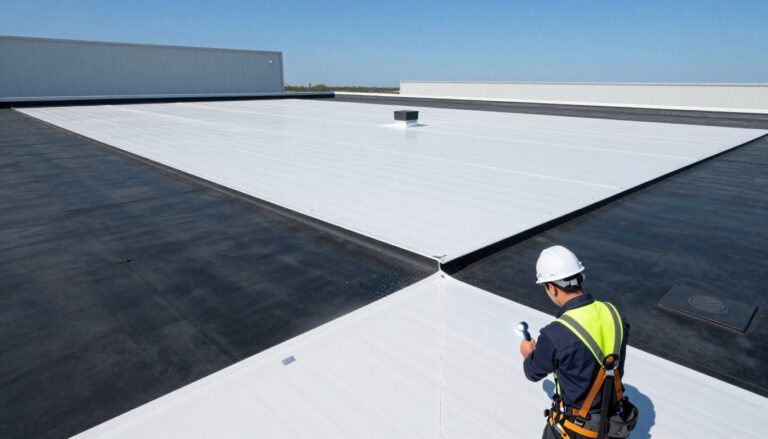
Many commercial buildings do not have ridge vents at all. If your property has TPO, EPDM, PVC, or modified bitumen, the leak is more likely tied to seams, flashing, curbs, drains, or rooftop units. In that case, the right scope is often commercial flat roof repair, not vent work.
The same is true on buildings with parapet walls and low-slope assemblies. A stain near the ceiling peak can still come from a wall flashing defect, coping joint, or membrane opening.
Exceptions that make diagnosis harder
Some buildings combine roof types. A sloped front section may drain toward a flat main roof. Water can move between those assemblies and confuse the source.
In other cases, the ridge vent is only part of the problem. Cracked cap shingles, missing end plugs, lifted metal closures, and upper-wall flashing can all mimic vent failure. If moisture has spread into insulation or deck sections, the commercial roof needs repair beyond a simple vent patch. When the damage is broad or the roof is near the end of its service life, commercial roof replacement may be the better financial call.
Why Minnesota storms can push rain past ridge vents
The vent fails when wind, water, and weak details line up
A ridge vent is built to let hot, moist air escape while blocking normal rainfall. That works well under routine conditions. It works less well when wind pressure shoves rain under the cap and over the vent baffle.
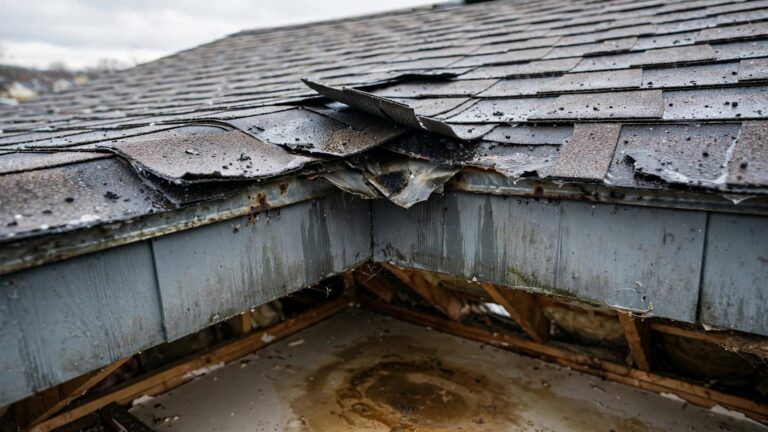
Common causes include a vent with low baffles, a slot cut too wide, missing internal filter material, bad end caps, loose cap shingles, and fasteners placed where water can track in. On metal roofs, failed foam closures and dried seal tape are frequent trouble spots.
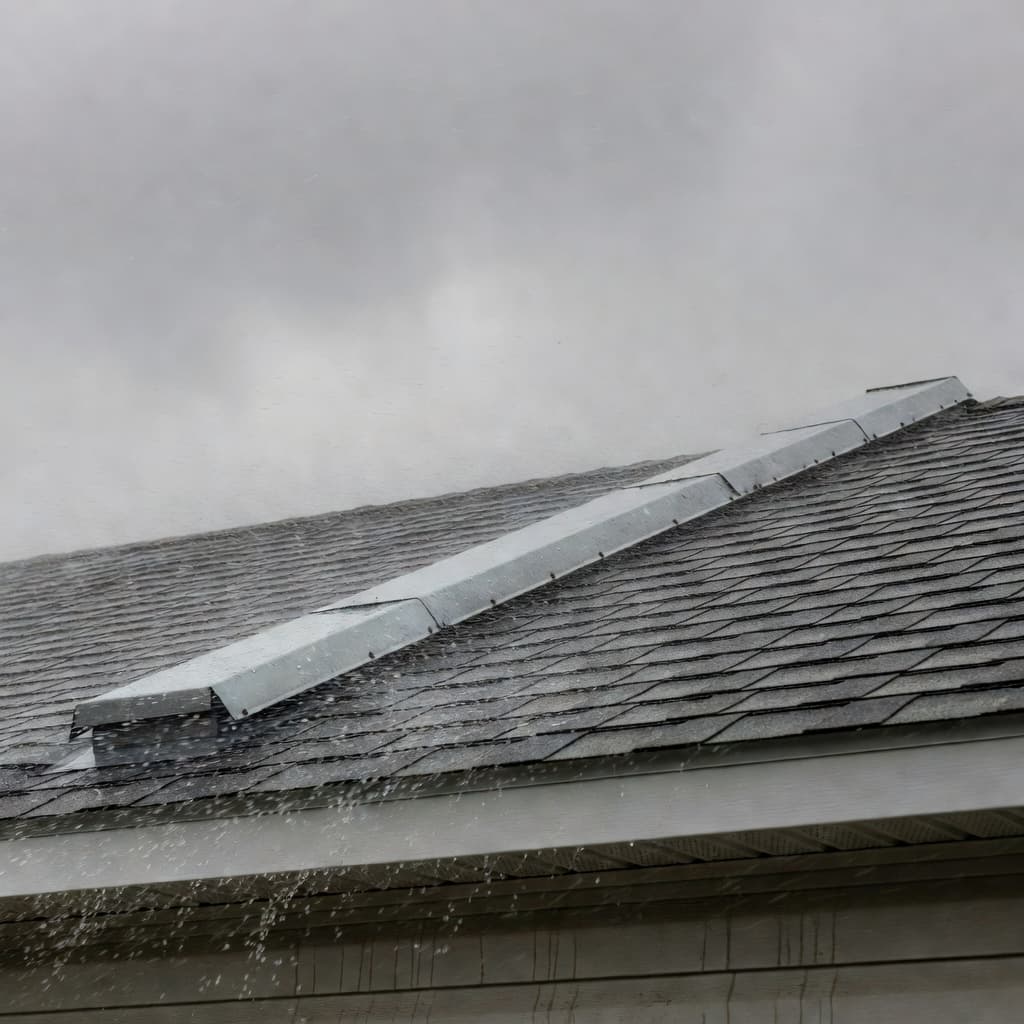
Minnesota adds freeze-thaw stress. Sealants shrink, cap shingles stiffen, and small gaps widen over time. A vent that handled light rain for years may fail during one hard storm.
If water shows up just below the ridge after a storm with strong sideways rain, inspect the vent and the nearby ridge details together.
Step-by-Step
1. Confirm the roof type and map the leak path
Start with the roof assembly, not the stain. If the building has a low-slope membrane roof, a ridge vent is not the issue. If it has a sloped section with ridge ventilation, note where the water first appeared and how far it sits below the peak.
Interior leak location matters, but it is not exact. Water can travel several feet before it drips. Therefore, use the stain as a starting zone, not a final answer.
What to document first
Take date-stamped photos before anyone patches or tears off material. Capture ceiling stains, wet insulation, active drips, and exterior conditions. Save weather dates, tenant reports, and maintenance notes.
2. Inspect the ridge vent and the roof details around it
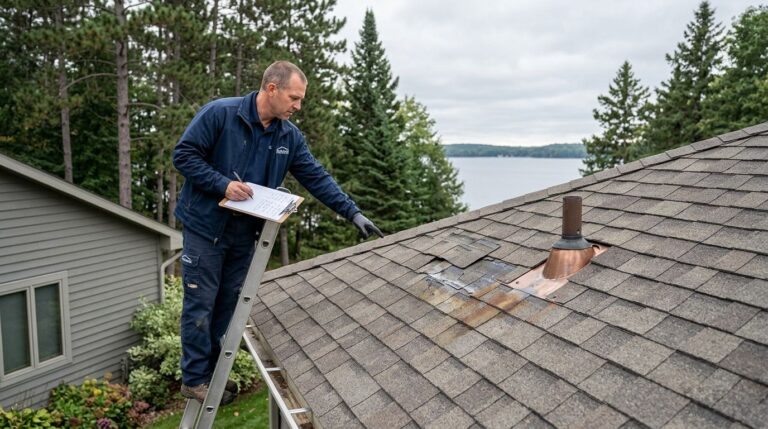
Look at the entire ridge line, not one obvious gap. Check for bent ridge cap metal, missing end caps, lifted cap shingles, exposed nails, cracked sealant, short shingle exposure, and open fasteners nearby.
Upper roof details matter too. A leak blamed on the vent may start at a plumbing vent boot, chimney flashing, or high fastener a few feet downslope. On metal roofs, inspect closure strips, panel laps, and ridge seal tape.
What usually points to real vent failure
Moisture directly below the ridge opening is one clue. Daylight at the vent end, rust lines at the ridge slot, and damp decking concentrated near the peak are stronger clues.
3. Check for hidden moisture before the area dries out
Wind-driven rain rarely wets only the visible drip point. Insulation can stay wet long after the ceiling dries. That hidden moisture can spread, stain again, and rot wood or rust steel.
If the leak path is unclear, use moisture mapping, infrared, or electronic testing. Targeted commercial roof leak detection in Saint Paul can separate a ridge entry point from water that traveled from another detail.
When leak tracing matters most
Move fast if the leak affects tenant suites, food stock, electrical rooms, or server equipment. On those buildings, guessing costs more than testing.
4. Stop active water, but keep the evidence intact
If rain is still entering, protect the building right away. Temporary dry-in work is reasonable. Interior protection, small tarps, and short-term sealing help limit added loss.
What hurts a claim is broad permanent work before anyone documents the damage. Do not tear off long sections, discard wet insulation, or coat over likely entry points before inspection photos are complete.
Temporary work that helps, and work that hurts
A short-term patch to stop active leakage often helps. Full replacement before the cause is clear often hurts. Keep every invoice, field note, and photo so the record stays clean.
5. Decide whether the fix is local or larger
A single loose ridge cap, failed end plug, or damaged vent section usually calls for a focused repair. Replace the failed material, correct the fastening pattern, and confirm the vent opening was cut to the right width.
Larger work makes sense when the vent design is wrong across the whole ridge, the surrounding roof field has repeated failures, or moisture has spread far beyond one area. Mixed-use buildings often need broader local St. Paul commercial roofing solutions than a quick patch at the peak.
When a bigger scope is the smarter move
Choose the larger scope when wet insulation is widespread, matching materials are no longer available, or repeated patching has already failed. Paying twice for the same leak zone is rarely the cheap option.
6. Review storm and insurance issues before authorizing permanent work
If the leak started after a recent storm, separate old wear from fresh damage. That distinction matters. A carrier may deny long-term deterioration yet still owe for new wind openings or interior water damage tied to the storm.
Ask the inspector or roofer to define the repair scope clearly. A small opening may support localized work. Widespread wet insulation, deck damage, or repeated failure near the ridge may justify a revised scope.
Keep the claim clean
Temporary mitigation does not weaken the file. It shows you acted reasonably. Save photos, receipts, moisture readings, and any removed samples you can preserve.
What repair usually fixes ridge-vent water entry
Match the repair to the real cause
When the ridge vent is the true source, the best repair is usually straightforward. Replace damaged vent sections, restore end caps, correct slot width, and reinstall cap shingles or ridge metal to the manufacturer’s layout. On metal roofs, crews may also replace closures and seal tape at the ridge.
Do not seal the vent shut as a permanent solution. That traps heat and moisture, which can shorten roof life and create condensation problems.
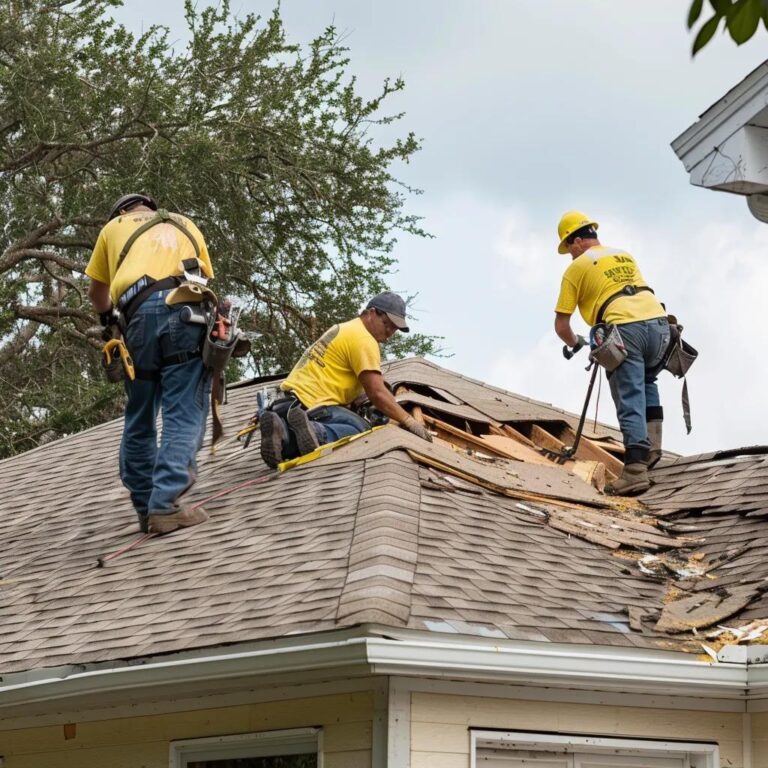
If the leak started near the ridge but not through the vent, the fix changes. You may need cap shingle repair, upper flashing work, fastener replacement, or section replacement in the surrounding roof field. If tear-off reveals wet insulation or hidden deck damage beyond the peak, the roof problem is larger than the vent detail.
Conclusion
The practical takeaway
Wind-driven rain can enter ridge vents in Minnesota, but only when weather and roof conditions line up. Most leaks blamed on the vent start close to it, not through it.
The safest path is a documented inspection, limited temporary protection, and a repair scope tied to the real cause. When moisture spreads beyond the ridge, treat it as a full roof-system issue, not a small vent nuisance.
FAQ
Can snow blow into ridge vents during a Minnesota winter?
Yes, fine powder snow can enter during strong crosswinds and melt later. Still, many winter leaks near the peak come from ice dams, cracked ridge caps, or attic condensation instead.
When snow entry is more likely
Low-profile vents, missing filters, and exposed vent ends raise the chance of windblown snow entry.
Will insurance cover water that came through a ridge vent?
Sometimes. Coverage is more likely if wind damaged the vent or ridge cap during a sudden storm. Claims are weaker when the issue comes from age, poor installation, or long-term neglect.
Should a crew seal the ridge vent shut to stop the leak?
No, not as a permanent repair. Blocking the vent can trap moisture and create other roof problems. A roofer should stop the water entry while keeping the ventilation path correct.
How fast should a business owner act after seeing a ridge-area leak?
Act the same day if water is active or the leak affects tenants, equipment, or inventory. Fast documentation and temporary dry-in work help limit damage and preserve evidence.
Does one ridge-area leak mean the whole roof is failing?
No. One bad detail can cause a localized leak. Repeated leaks, widespread wet insulation, or damage in multiple roof sections point to a larger problem.
Need a roof inspection in Saint Paul or the Twin Cities? Call Sellers Roofing Company at +1-651-703-2336 or schedule a free estimate. We are a black-owned, NMSDC-certified MBE roofing contractor with 9+ years experience.