Last updated: 2026-08-01 by Ted Sellers, Owner
Yes. In Minnesota, an insurer can deny a roof claim if you report it too late, especially when the delay makes it harder to verify the date, cause, or scope of damage. Still, a late report does not always end the claim. The outcome usually depends on your policy, the reason for the delay, and whether the carrier can still investigate fairly.
When This Applies
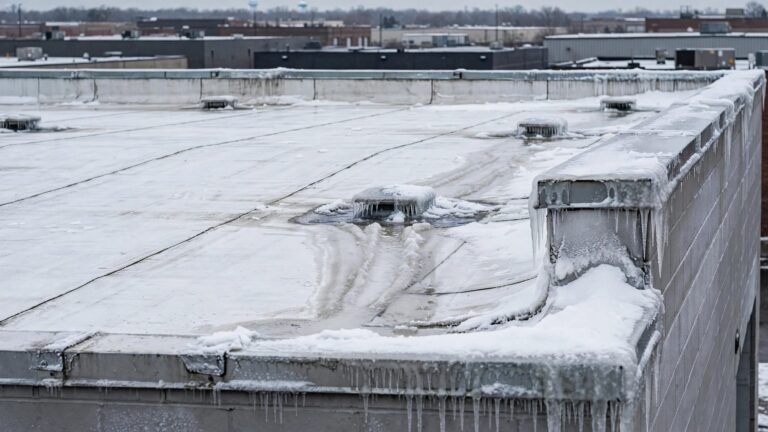
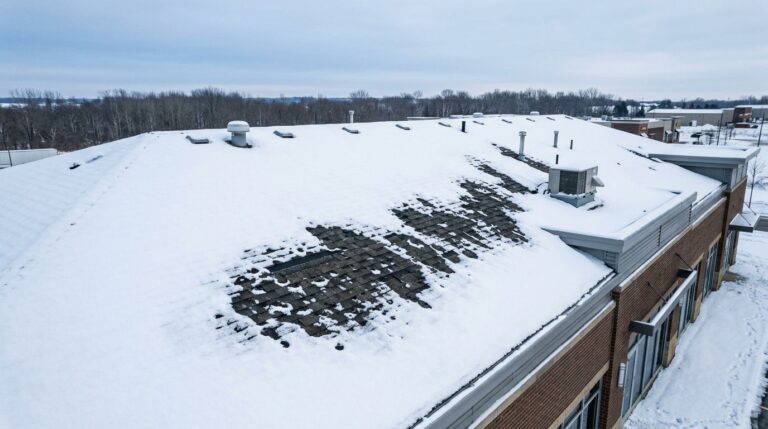
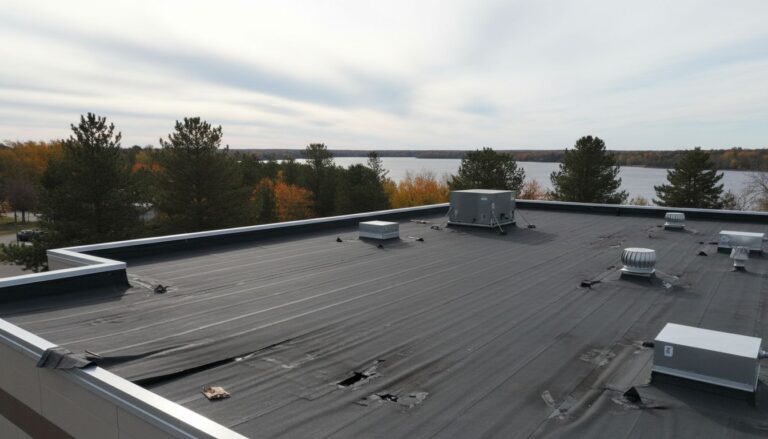
This issue matters most to commercial property owners, landlords, and facility managers with storm damage that was not reported right away. Flat and low-slope systems often hide trouble. Water may travel for weeks before anyone sees a stain, odor, or ceiling issue. In a late roof claim in Minnesota, that timing gap is often the first thing the carrier reviews.
If you own or manage a commercial building
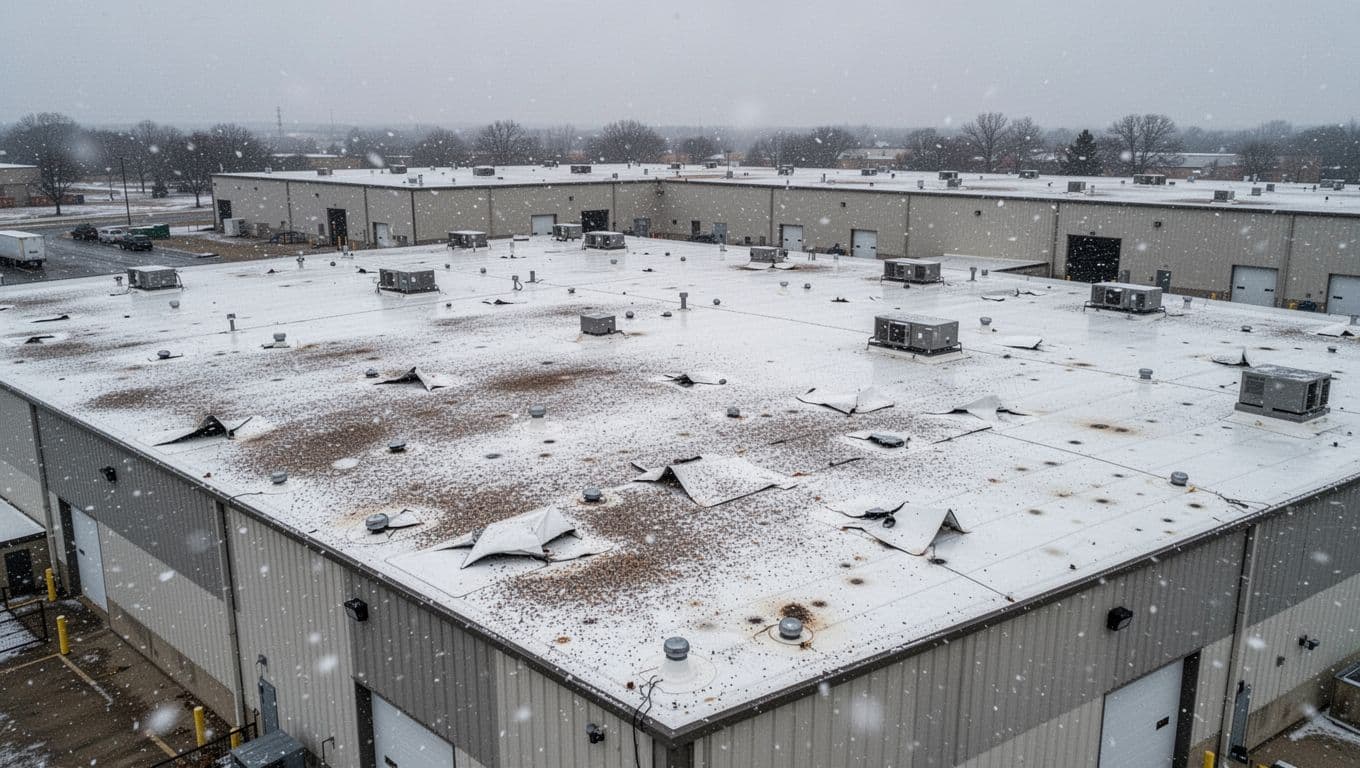
This applies to offices, warehouses, retail sites, schools, and multi-tenant buildings with commercial property coverage. It also applies when a tenant reports leaks long after a storm, or when snow, rooftop equipment, and ponding water hide the damage.
If you need photos, moisture data, and a clear record fast, working with Sellers Roofing’s commercial roofing team can help you document the loss before conditions change.
When late reporting is not the only problem
A carrier may deny a claim for reasons that have nothing to do with timing. Wear, age, bad drainage, open seams, old patches, and poor upkeep are common examples. If the insurer thinks the roof failed from maintenance issues, it may deny coverage even if you called quickly.
That matters because some owners wait to report a loss until they know whether the commercial roof needs repair or full replacement. That delay can backfire. Even if you suspect a minor leak, or think the fix may be simple commercial flat roof repair, report the potential loss first.
Exceptions and gray areas
Late notice is not always fatal. Hidden moisture, locked tenant spaces, and winter conditions can delay discovery. In those cases, the key issue becomes proof. Can you still tie the damage to a covered event?
Minnesota disputes over late notice often turn on whether the insurer was harmed by the delay. This plain-language overview of late notice and insurer prejudice explains why that matters. If a carrier denies the claim, Minnesota’s unfair claims practices statute says it must give a reasonable explanation tied to the policy and facts.
Step-by-Step
1. Report the loss before you know the full scope
Call the carrier as soon as you discover signs of damage. Give the date you found it, the likely cause, and the building areas affected. Ask for a claim number.
Do not wait for bids. Do not wait for tenants to send more complaints. Also, do not wait until you decide between commercial flat roof repair and a larger insurance claim.
If you do not know the storm date
Give the best date range you have. Then note when the leak or damage first appeared. A reasonable timeline is better than silence.
2. Document the roof before weather and traffic change it
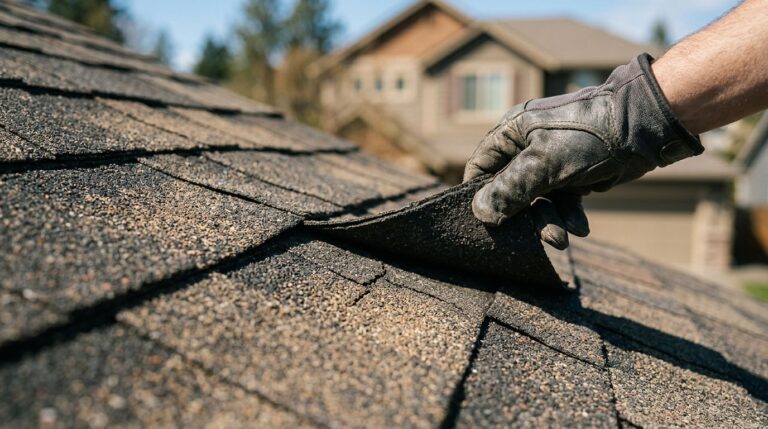
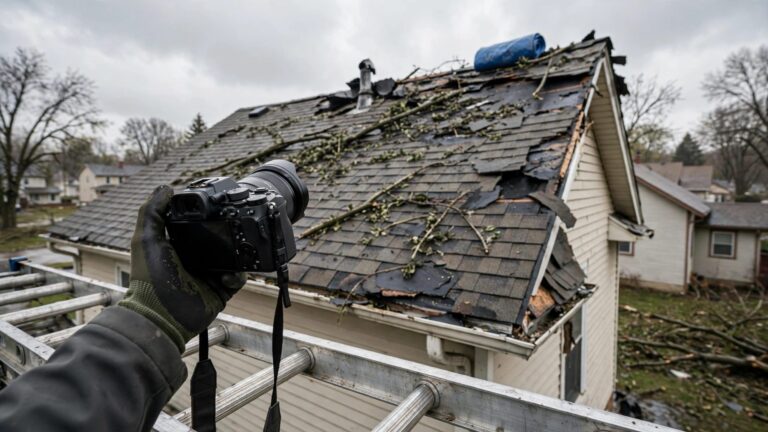
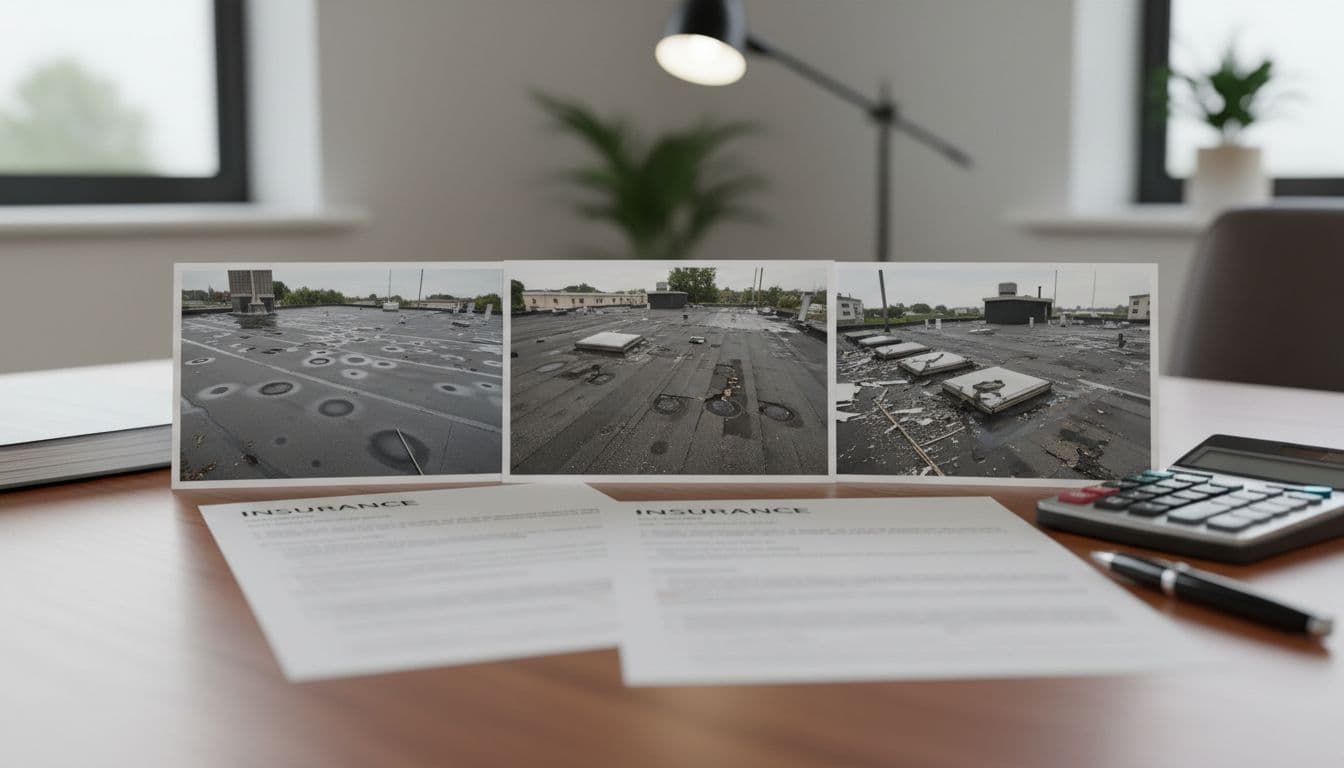
Take wide and close photos of the roof, drains, seams, flashings, rooftop units, and interior damage. Save videos, maintenance logs, and any emergency invoices. If water entered the building, document ceiling stains, inventory loss, and affected rooms the same day.
Professional roof leak documentation for insurance claims can be the difference between a clean record and a weak one.
3. Separate storm damage from old roof problems
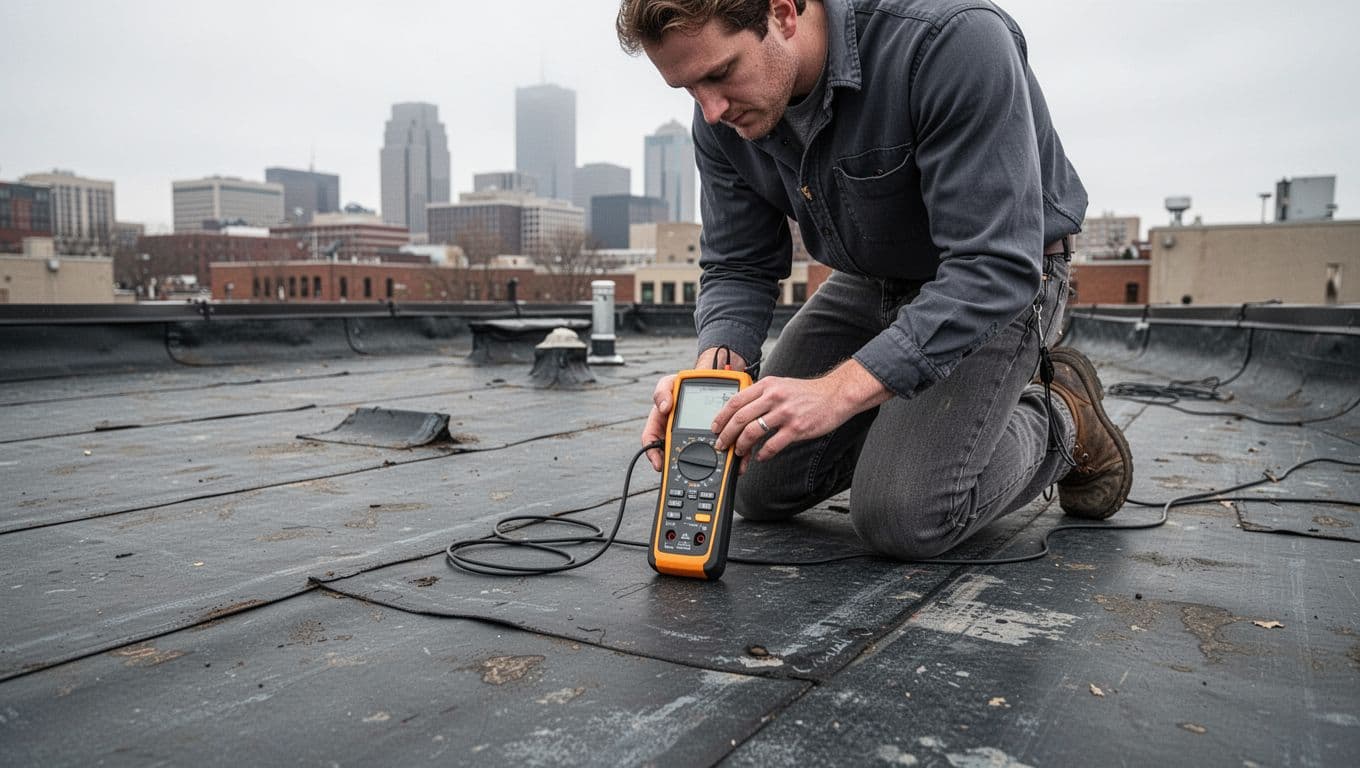
This step is where many claims fall apart. Carriers look for signs that the roof was already failing before the reported event. Old patches, long-term ponding, open laps, and repeated leak history give them room to argue.
A covered storm can still damage an older system. Age alone does not block coverage. But you need proof showing what is new, what is old, and why a covered event changed the roof’s condition. In some cases, that proof supports commercial roof replacement, not just a patch.
If the roof had prior leaks
Gather old repair invoices, photos, and inspection notes. They can help show whether the new damage is separate from the prior issue.
4. Put your timeline and mitigation efforts in writing
Send the adjuster a clear timeline. Include when the storm happened, when the damage was discovered, what temporary steps you took, and when inspections occurred.
That written trail matters because carriers often question delay. If you had to tarp, drain water, protect stock, or shut down an area, say so. Those facts show you acted once you knew there was a problem.
5. Push back on a late-notice denial with facts
If the carrier denies for late reporting, ask for the exact policy wording and the facts behind the denial. Then answer with documents, photos, inspection findings, and a tighter timeline.
Stay focused on one point: did the delay truly stop the carrier from making a fair investigation? If not, the denial may be open to challenge.
Conclusion
A late-reported roof claim in Minnesota can be denied, but delay alone does not always decide the case. What matters most is whether the carrier can still verify a covered loss and whether your records support it.
For business owners, the safest move is simple: give prompt notice, document fast, and separate new storm damage from old roof issues. When the file is clear, the insurer has less room to blame the clock.
FAQ
These follow-up questions often come up after a reservation-of-rights letter or denial.
How late is too late to report a roof claim in Minnesota?
There is no single statewide roof-claim deadline that fits every policy. Most policies require prompt notice, and some use tighter wording. A delay of weeks or months raises risk if the roof changed, was repaired, or cannot be tied to one weather event.
Can a hidden leak still be covered if I found it late?
Yes, it can. Hidden leaks are common on commercial roofs, especially after hail or membrane damage.
If the leak was concealed
Report it as soon as you discover it. Then show why earlier notice was not possible and back that up with inspection findings.
Will temporary repairs hurt my insurance claim?
Usually, no. Reasonable emergency work often helps your claim because it shows you tried to stop more damage. Save receipts, photos, and notes on why the work was needed. Temporary repairs are different from a full fix that erases the evidence.
What if the adjuster says the roof was already old?
An old roof can still have new covered damage. The real issue is cause. If the carrier says the system failed from age, you need evidence showing what the storm changed and why the roof did not fail the same way before.
Should I file a claim if I am not sure whether repair or replacement is needed?
Yes. Report the loss first, then get the roof inspected. Waiting for a final scope can create the very delay problem the carrier may later use against you.
{“@context”:”https://schema.org”,”@type”:”BlogPosting”,”@id”:”https://roofingexpertsstpaul.com/late-roof-claim-minnesota/#article”,”mainEntityOfPage”:{“@type”:”WebPage”,”@id”:”https://roofingexpertsstpaul.com/late-roof-claim-minnesota/”},”headline”:”Can Insurance Deny a Roof Claim for Late Reporting in Minnesota?”,”description”:”Yes. In Minnesota, an insurer can deny a roof claim if you report it too late, especially when the delay makes it harder to verify the date, cause, or scope of damage. Still, a late report does not always end the claim. The outcome usually depends on your policy, the reason for the delay, and…”,”datePublished”:”2026-04-24T03:26:40″,”dateModified”:”2026-04-24T03:26:42″,”author”:{“@type”:”Organization”,”name”:”Sellers Roofing Company”,”url”:”https://roofingexpertsstpaul.com”},”publisher”:{“@type”:”Organization”,”name”:”Sellers Roofing Company”,”url”:”https://roofingexpertsstpaul.com”,”logo”:{“@type”:”ImageObject”,”url”:”https://roofingexpertsstpaul.com/wp-content/uploads/2025/05/sellers-roofing-logo.png”}},”url”:”https://roofingexpertsstpaul.com/late-roof-claim-minnesota/”,”inLanguage”:”en-US”,”about”:{“@type”:”Thing”,”name”:”Roofing, Hail Damage, Storm Repair, Insurance Claims”},”isPartOf”:{“@type”:”Blog”,”@id”:”https://roofingexpertsstpaul.com/blog/”}} {“@context”:”https://schema.org”,”@type”:”WebPage”,”url”:”https://roofingexpertsstpaul.com/late-roof-claim-minnesota/”,”speakable”:{“@type”:”SpeakableSpecification”,”cssSelector”:[“h1″,”h2″,”.speakable”]}} {“@context”:”https://schema.org”,”@type”:”FAQPage”,”mainEntity”:[{“@type”:”Question”,”name”:”How late is too late to report a roof claim in Minnesota?”,”acceptedAnswer”:{“@type”:”Answer”,”text”:”There is no single statewide roof-claim deadline that fits every policy. Most policies require prompt notice, and some use tighter wording. A delay of weeks or months raises risk if the roof changed, was repaired, or cannot be tied to one weather event.”}},{“@type”:”Question”,”name”:”Can a hidden leak still be covered if I found it late?”,”acceptedAnswer”:{“@type”:”Answer”,”text”:”Yes, it can. Hidden leaks are common on commercial roofs, especially after hail or membrane damage.”}},{“@type”:”Question”,”name”:”Will temporary repairs hurt my insurance claim?”,”acceptedAnswer”:{“@type”:”Answer”,”text”:”Usually, no. Reasonable emergency work often helps your claim because it shows you tried to stop more damage. Save receipts, photos, and notes on why the work was needed. Temporary repairs are different from a full fix that erases the evidence.”}},{“@type”:”Question”,”name”:”What if the adjuster says the roof was already old?”,”acceptedAnswer”:{“@type”:”Answer”,”text”:”An old roof can still have new covered damage. The real issue is cause. If the carrier says the system failed from age, you need evidence showing what the storm changed and why the roof did not fail the same way before.”}},{“@type”:”Question”,”name”:”Should I file a claim if I am not sure whether repair or replacement is needed?”,”acceptedAnswer”:{“@type”:”Answer”,”text”:”Yes. Report the loss first, then get the roof inspected. Waiting for a final scope can create the very delay problem the carrier may later use against you.”}}]}Need a roof inspection in Saint Paul or the Twin Cities? Call Sellers Roofing Company at +1-651-703-2336 or schedule a free estimate. We are a black-owned, NMSDC-certified MBE roofing contractor with 9+ years experience.