Last updated: 2026-08-01 by Ted Sellers, Owner
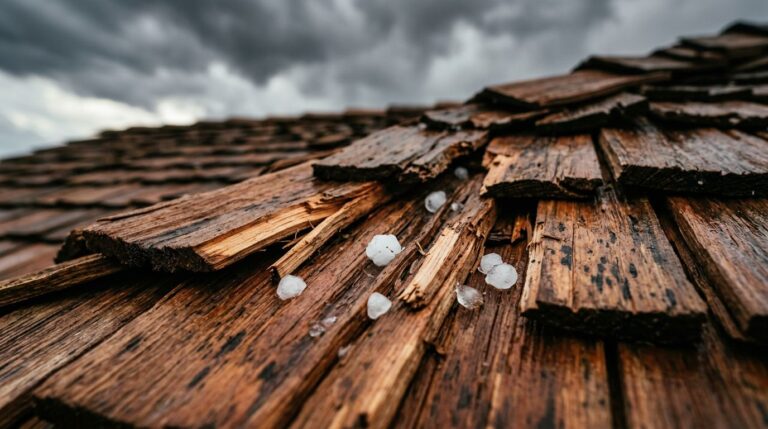
Yes. In Minnesota, an insurer can deny a metal roof hail claim if the policy excludes cosmetic damage and the storm only left dents or dings that did not change how the roof sheds water. That denial is not automatic, though. If hail harmed seams, fasteners, flashing, coatings, drainage, or caused leaks, the damage may be functional and covered.
When This Applies
When a cosmetic hail denial is common
This issue applies to commercial owners with standing-seam or exposed-fastener metal roofs after a hailstorm. It comes up most often when the roof looks battered from the ground, but the carrier says the panels still perform.
Minnesota does not ban cosmetic damage exclusions on metal roofing. So, if your commercial policy or endorsement says appearance-only dents are excluded, the insurer may rely on that language. A recent Minnesota federal case, summarized by Property Insurance Law Observer, backed that position where hail marks changed appearance but not weather protection.
Cosmetic exclusions have also become more common in Minnesota property policies, as discussed in this Minnesota insurance overview.
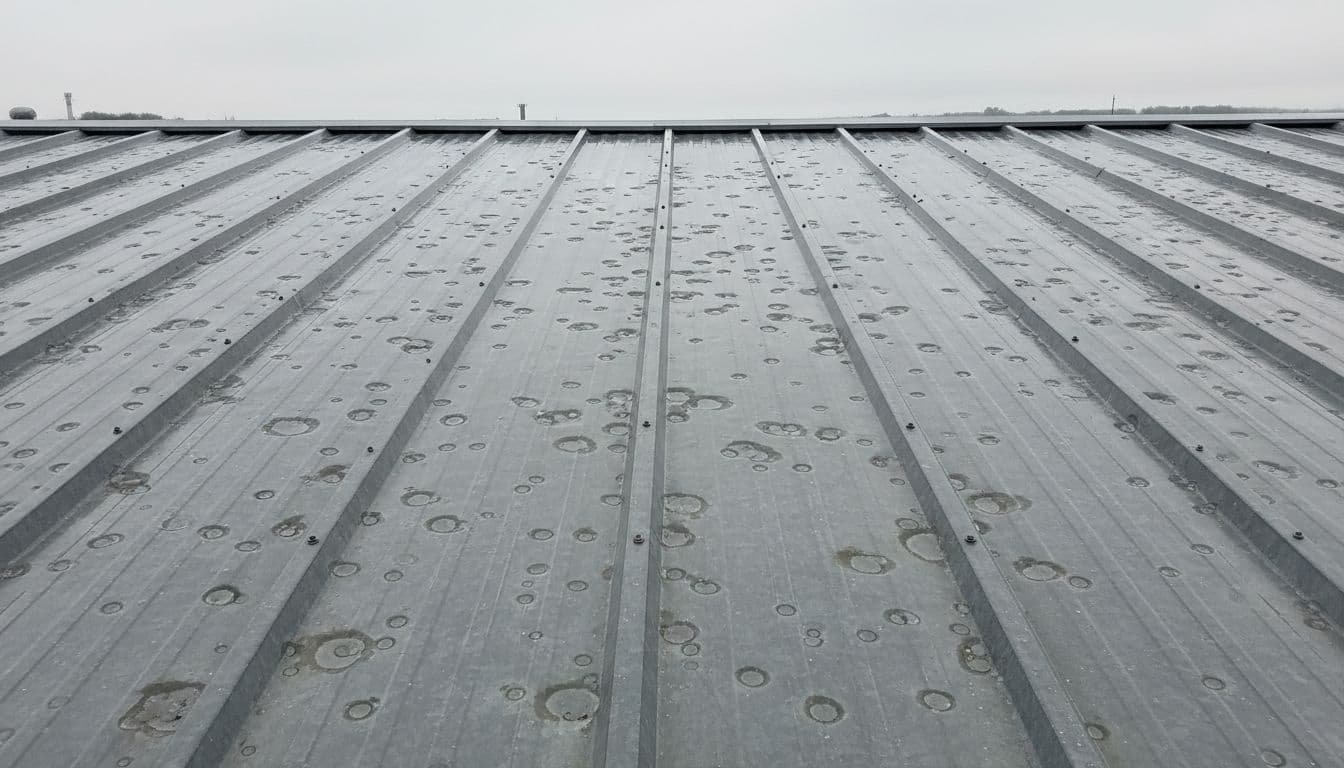
This is the line carriers usually draw:
| Often treated as cosmetic | More likely treated as functional |
|---|---|
| Shallow dents in flat panel areas | Deformed seams, locks, or panel laps |
| No leak, no moisture, no movement | Broken flashing, loose fasteners, open joints |
| Finish still intact | Coating damage that exposes bare metal |
| Drainage unchanged | Damage that traps water or redirects flow |
The main point is simple: dents alone are not always enough.
When it does not apply, and the main exceptions
A denial gets weaker when hail affects how the roof works, not only how it looks. For example, hail can distort standing seams, split sealant, loosen exposed fasteners, bruise flashing, or damage penetrations around rooftop units. Once that happens, the claim moves away from “cosmetic.”
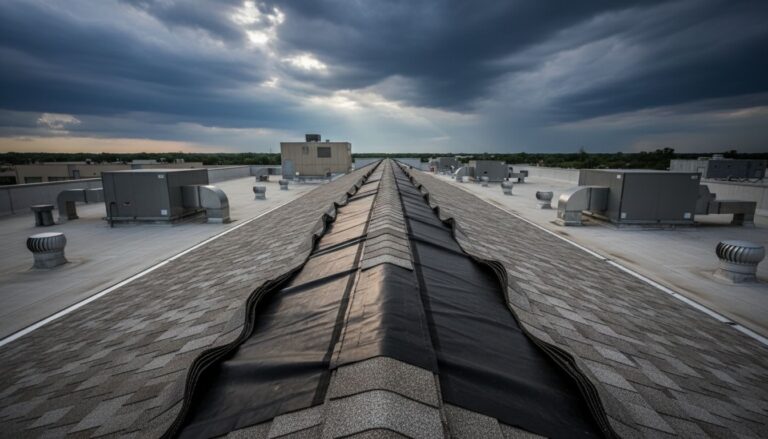
Mixed-roof buildings are a common exception. A warehouse may have metal panels over one area and membrane roofing over another. The metal section might get a cosmetic denial, while the low-slope section still qualifies for commercial flat roof repair after punctures or water entry are documented.
Partial approval is also common. A carrier may deny dented panel flats but still owe for fresh storm damage to edge metal, skylight curbs, interior water damage, or emergency dry-in work. That matters because a claim is not always all-or-nothing.
A commercial hail claim turns on function and policy wording, not on appearance alone.
Step-by-Step
How to respond to a cosmetic denial on a commercial metal roof
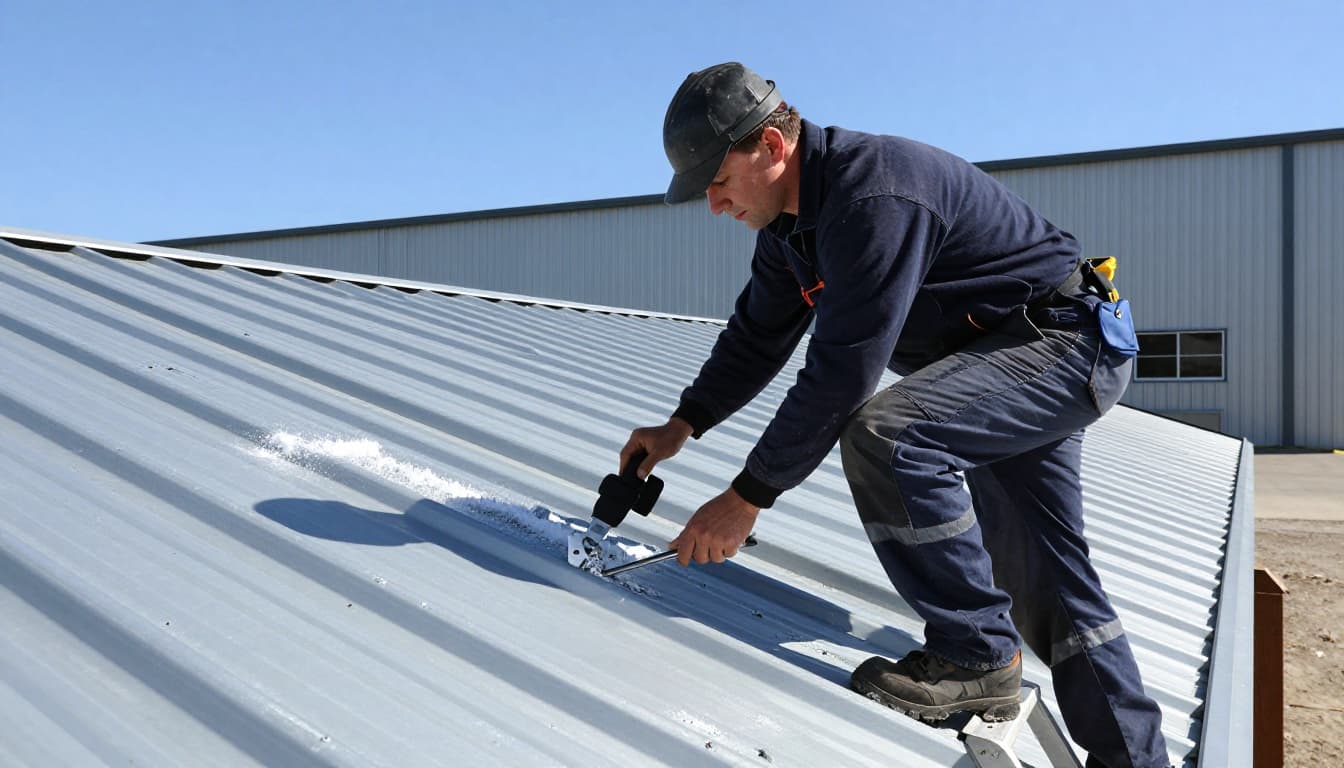
- Read the denial and the policy together.
Find the exact cosmetic exclusion, any hail endorsement, and the part of the policy that defines roof surfaces. Some policies limit only the roof panels. Others also mention vents, flashing, or soft metals. The wording controls the fight. - Preserve the evidence before permanent work starts.
Take wide and close photos, note the storm date, save weather reports, and keep tenant leak logs. Temporary mitigation is usually reasonable. Large tear-off work is not. If you remove proof too early, the insurer gets more room to argue. - Get an independent roof report.
Ask for a second inspection from Saint Paul commercial roofing experts who can separate old wear from fresh hail damage. The report should say whether damage is limited panel denting or whether your commercial roof needs repair because seams, fasteners, flashing, or coatings were harmed. - Use testing when the damage is not obvious.
Water often travels before it shows inside. On mixed systems, leaks may start away from the visible hail marks. If there is any doubt, bring in commercial roof leak detection Saint Paul services so the claim is tied to moisture readings, marked photos, and a clear map of affected areas. - Push back with specifics, not broad complaints.
A good rebuttal names the exact items the carrier missed. Point to distorted panel locks, separated sealant, loose fasteners, damaged flashing, or coating failure. If only part of the roof qualifies, ask for partial approval instead of accepting a full denial. - Match the scope to the real condition of the roof.
A small, isolated failure may call for targeted metal repair. On a mixed building, the adjoining low-slope area may still need commercial flat roof repair. If wet insulation is widespread, seams are failing across large sections, or patching would only delay the same problem, the better path may be commercial roof replacement. - Escalate when the numbers justify it.
Request a reinspection first. If the policy allows appraisal, use it when the dispute is mostly about scope and price. For major losses, coverage counsel may be worth the cost. Keep every receipt, moisture map, and final photo because clean records often change the outcome.
Conclusion
Minnesota insurers can deny metal roof hail damage as cosmetic, but only when the policy supports that position and the storm changed appearance more than performance. Many denied claims turn on poor documentation, not on weak facts.
For commercial owners, the strongest move is a fast, independent inspection that separates dents from true functional damage. When the report is clear, you can tell whether the roof needs a repair, a supplement, or a larger replacement scope.
FAQ
Can a metal roof be “cosmetic only” even if it looks badly dented?
Yes. A roof can look rough and still be classified as cosmetic if the dents do not affect water shedding, seams, flashing, fasteners, or protective coating. Appearance loss alone does not always trigger coverage.
What if the roof has no leak yet?
A missing leak does not end the claim. Some hail damage weakens seams, flashing, or finishes before water gets inside. You still need proof that the storm changed roof function or likely shortened service life in a measurable way.
Can the insurer deny the metal panels but pay for other damage?
Yes. Partial denials are common on commercial properties. The carrier may exclude dented panels yet still owe for flashing damage, punctures on adjacent systems, interior water damage, or emergency protection work tied to the same storm.
Should permanent repairs wait until after the adjuster inspects?
Usually, yes. Do temporary dry-in work first to stop added damage, then let the carrier inspect before permanent repairs begin. Early permanent work can erase the evidence that proves the hail damage was functional.
Do prior repairs ruin a hail claim on a commercial metal roof?
No. Previous repairs do not wipe out coverage by themselves. The insurer still has to show that old work, wear, or neglect caused the present problem. A strong inspection report should separate older issues from fresh storm damage.
Need a roof inspection in Saint Paul or the Twin Cities? Call Sellers Roofing Company at +1-651-703-2336 or schedule a free estimate. We are a black-owned, NMSDC-certified MBE roofing contractor with 9+ years experience.