Last updated: 2026-08-01 by Ted Sellers, Owner
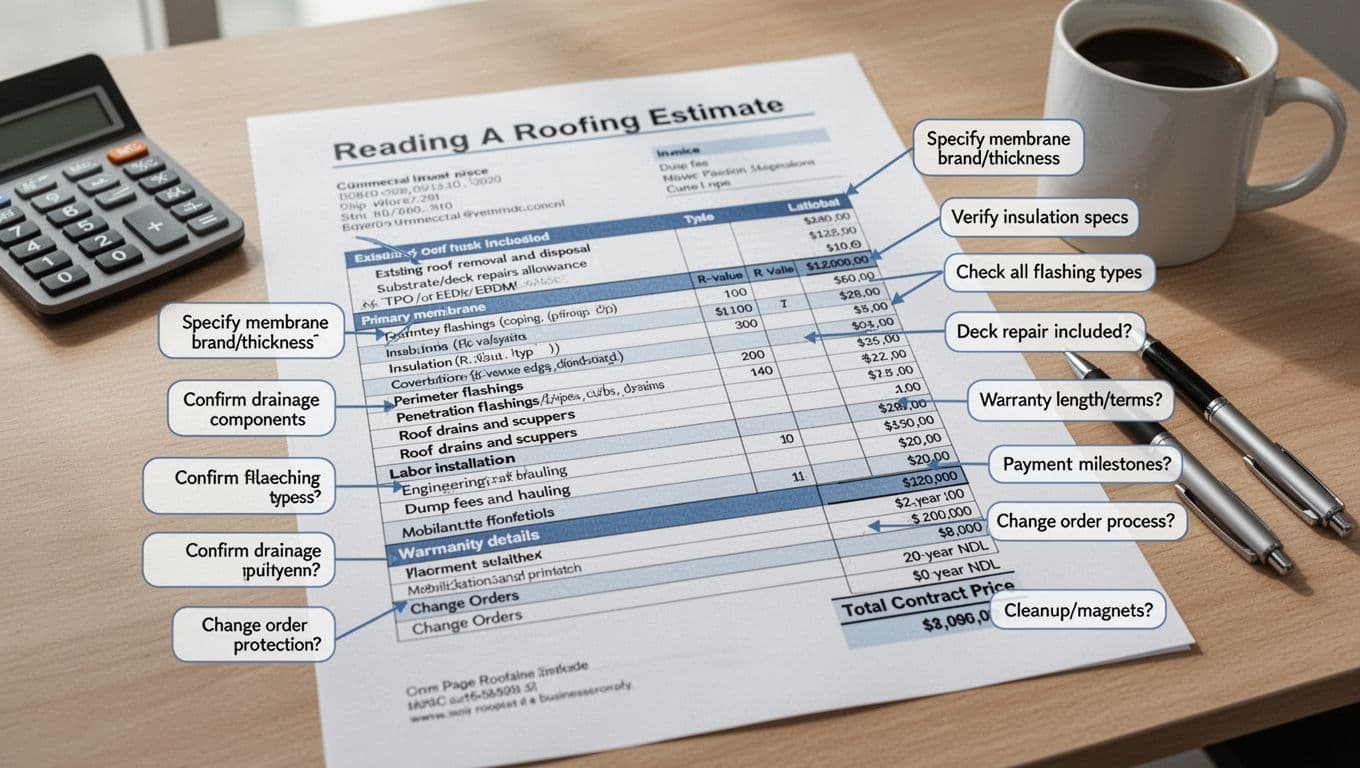
To read a roofing estimate with confidence, focus on four things: line items for exact scope (what’s included and excluded), measured quantities (square footage, linear feet, count of penetrations), critical system details (membrane type and thickness, insulation R-value, flashing and drainage), and the contract terms (warranty, change orders, payment schedule). If any of those are vague, you’re not comparing bids, you’re comparing guesswork.
When This Applies
It’s most useful for commercial owners comparing bids from roofing contractors
This guide is for business owners and property managers reviewing roof repair estimates and proposals for leak work, commercial flat roof repair, or a full roof replacement. It’s also for anyone trying to confirm, following a roof inspection, whether a commercial roof needs repair now or can be planned as a budgeted project.
A roofing quote should read like a build plan, not a postcard. If two proposals have different materials, different insulation levels, or different flashing scope, the lower price can be a trap. For a quick sense of what “apples-to-apples” looks like in a commercial roofing quote, compare the sections suggested in understanding a commercial roofing quote.
If you’re managing multiple buildings
Standardize what you request from every contractor: roof area, core findings (if taken), moisture scan notes, and a written scope that lists every edge and penetration detail. Consistent inputs make the pricing differences meaningful.
It’s less useful for emergency triage, but still helps
When water is entering the building, speed matters. You may approve temporary measures before you’ve reviewed every line. Even then, insist on a short written scope and photos, so the “temporary fix” doesn’t quietly turn into an open-ended bill.
If the job is insurance-related
You can still use the same checklist, just expect extra paperwork. Make sure the estimate separates approved scope from optional upgrades, so you don’t confuse coverage limits with contract price. If you’re looking for a local example of what commercial scopes often include in Minnesota, see Commercial Roofing Saint Paul MN.
Step-by-Step
Step 1: Confirm the scope, start to finish
- Match the project type to the problem, leak repair, restoration, or replacement, so the estimate doesn’t overreach (or underreach).
- Find the included work line items and look for edges, penetrations, drains, HVAC curbs, and wall transitions, not just “install membrane.”
- Check the excluded work section for common budget landmines, like “woodwork,” “metal,” “drain work,” or “roof-top units by others.”
- Make sure mobilization, protection (walk mats, interior protection if needed), and cleanup and disposal are written in, not implied.
If the estimate uses allowances
- Require a dollar cap and a unit basis, like “roof decking repair allowance up to X sheets” or “up to X labor hours,” not “as needed.”
Step 2: Validate measurements and units before you compare price
- Look for roof area in squares or square feet, then confirm it’s close to your building’s known size (big gaps need an explanation).
- Check linear footage for perimeter metal, coping, drip edge, and parapet details from your roof inspection; edges are where many leaks begin.
- Count penetrations, pipes, curbs, skylights, and drains; each one needs flashing scope, not a blanket “seal all.”
- If the estimate uses “lump sum,” ask for an itemized breakdown or quantity page anyway, it’s the only way to compare bids fairly.
If you’re comparing $/sq ft
- Only compare $/sq ft after confirming the same membrane thickness, insulation package, tear-off plan, and flashing scope.
Step 3: Zero in on system details that drive performance
- Find the primary roof system (unlike residential shingles) and demand specifics on the roofing materials, membrane type (TPO, EPDM, PVC), brand, thickness (mil), attachment method (fully adhered, mechanically attached), and seam method if relevant.
- Confirm insulation type and thickness, plus stated R-value, underlayment, ventilation, and ice and water shield, because it affects comfort and energy use, and it’s easy to short.
- Look for coverboard, taper system (if ponding is present), and separation layers, these often decide how the roof handles traffic and weather.
- For replacements, confirm tear-off depth (one layer, two layers to roof decking), disposal, and whether saturated insulation is included in scope.
- For repairs, confirm the exact repair method (patch size, tie-in method, primer type), not “repair leak(s).”
For a helpful “what each line means” reference when you read roofing estimate documents, see a line-by-line estimate breakdown.
Step 4: Check the flashing, drainage, and contract terms (where surprises hide)
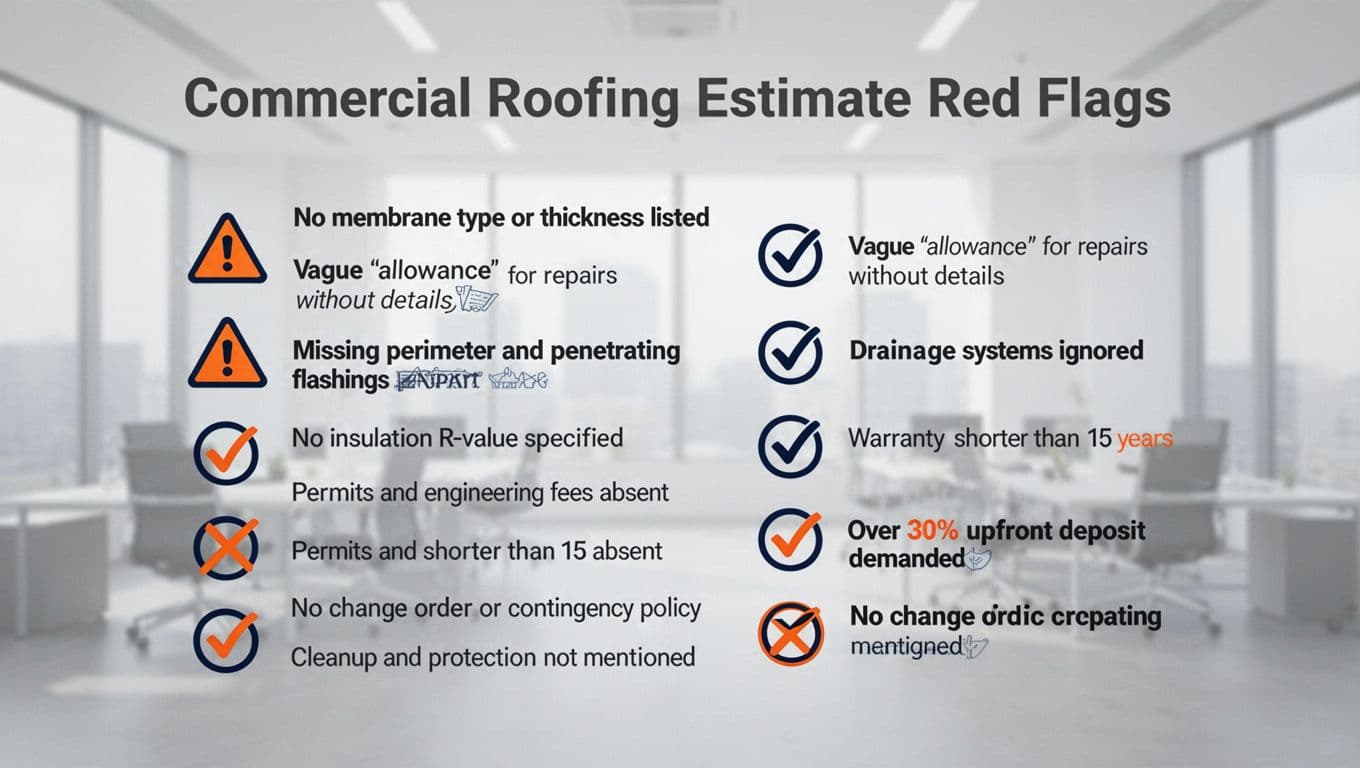
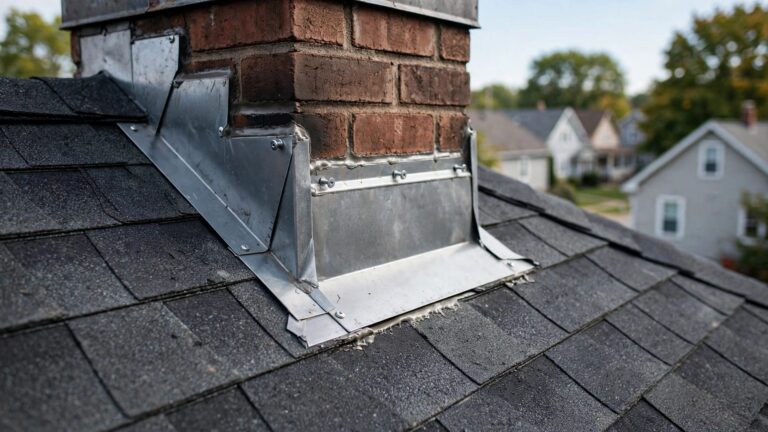
- Verify flashing scope by type: perimeter flashing, counterflashing, pipe boots, pitch pans, termination bars, and sealant details at transitions.
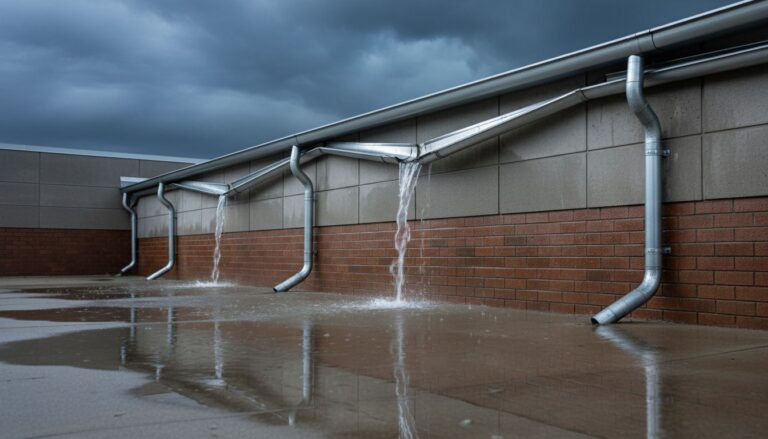
- Confirm drainage items are addressed: drains, strainers, scuppers, overflow provisions, and any crickets or taper needed to move water.
- Look for building permits, inspections, engineering (when required), liability insurance, and workers’ compensation; if missing, the cost can land on you later.
- Read warranty line items carefully: manufacturer warranty vs workmanship warranty, term length, and whether it’s a labor-and-material or limited coverage.
- Review payment terms; avoid large deposits, and prefer milestones tied to material delivery and progress.
- Demand a written change order process (pricing, approvals, documentation) before work begins.
If you want more examples of warning signs to watch for on proposals, compare your document to common issues listed in roof estimate red flags.
FAQ: Roofing estimate questions business owners ask
Does the lowest price usually mean corners were cut?
Not always, but it often means the scope is thinner, especially with variations in labor costs. Red flags include vague flashings, low insulation R-value, insufficient tear-off depth, and weak warranty terms in the roofing estimate.
The fastest way to tell is to compare these details across bids from reputable roofing contractors. If one roofing estimate is vague, it can look cheaper while omitting costly essentials.
What’s the fair way to ask?
Request a revised, itemized scope rather than accusing anyone of padding.
What deposit is reasonable on a commercial roofing job?
Many reputable roofing contractors ask for a modest deposit or none until materials are scheduled. A demand for a large upfront payment, particularly when paired with high-pressure tactics, should trigger questions about cash flow and documentation. Tie payments to clear milestones and lien waivers.
If custom materials are ordered
A higher deposit can make sense if it’s tied to a supplier invoice and delivery date.
How do I know if “deck repairs” is being handled honestly?
Decking is hard to price before tear-off, so allowances can be legitimate. Red flags include an allowance with no unit basis. Ask what conditions trigger replacement, how it’s measured (sheets, square feet), and the not-to-exceed rate.
If your building has prior leaks
Expect more deck work risk, and plan for documentation photos during tear-off.
The estimate says “repair as needed.” Is that acceptable?
For small service calls, it can be fine if the work order sets a time-and-material rate and a not-to-exceed cap. For larger commercial flat roof repair scopes, “as needed” should be replaced with defined repair methods, quantities, and tie-in details.
If it’s a recurring leak
Insist on diagnostic notes (moisture scan, test cuts, or photos) before approving repeat repairs.
What should I do if two estimates propose different roof systems?
Pause and request a side-by-side roofing estimate comparison. Different systems, such as those using shingles versus other roofing materials, can both be “right,” depending on slope, drainage, traffic, and budget, but you need to understand the tradeoffs in attachment method, insulation, labor costs, and warranty coverage (such as Replacement Cost Value versus Actual Cash Value for insurance purposes) before signing.
If you’re planning a commercial roof replacement
Ask each bidder, especially those with high-tier certifications like Owens Corning Platinum Preferred, to justify the system choice in writing, including expected service life and maintenance needs.
Conclusion
A roofing estimate is a promise in writing, and the details are the difference between a solid roof and a steady stream of change orders.
Before signing, review line items for red flags, prioritizing scope, quantities, system specs, and contract terms; treat vague lines as questions you haven’t asked yet. A professional roofing quote eliminates uncertainty for the building owner, protecting your building, your tenants, and your budget.
Need a roof inspection in Saint Paul or the Twin Cities? Call Sellers Roofing Company at +1-651-703-2336 or schedule a free estimate. We are a black-owned, NMSDC-certified MBE roofing contractor with 9+ years experience.