Last updated: 2026-08-01 by Ted Sellers, Owner
Yes, you often can reopen a roof claim after new leaks appear, but only if the leaks trace back to the same covered storm or loss. For commercial owners, this property damage claim with your insurance company is usually a supplemental claim, not a brand-new one. Act quickly, document the new damage, and have a qualified roofer show why the leaks were hidden or missed the first time.
Key Takeaways
- You can often reopen a roof claim as a supplemental claim if new leaks trace back to the same covered storm or loss, especially hidden damage on commercial low-slope roofs uncovered during tear-off or inspection.
- Reopening fails for leaks from different storms, long-term neglect, aging, or poor upkeep—insurers cite policy exclusions without a clear tie to the original event.
- Act fast: Mitigate leaks, get a professional roof inspection with photos and reports linking damage to the first claim, then request reopening via certified mail with the claim number.
- Meet the re-inspector on-site with your roofer, keep all records, and separate emergency work from permanent repairs to build a strong cause-and-effect case for full scope recovery.
When This Applies
When reopening a roof claim usually makes sense
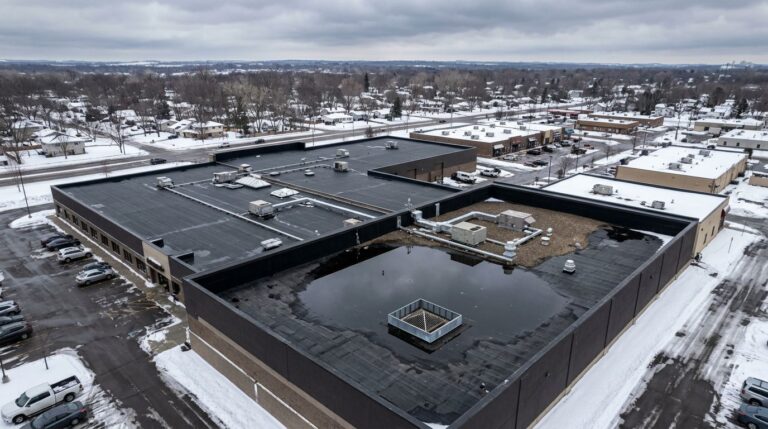
This applies to commercial property owners, unlike those with a homeowners insurance policy, who already had a closed insurance claim, got a payment or denial, and later found fresh water entry. That often happens on low-slope systems, because water can travel far from the point where it shows up inside. A ceiling stain may start at a seam, curb, drain, or rooftop unit several feet away.
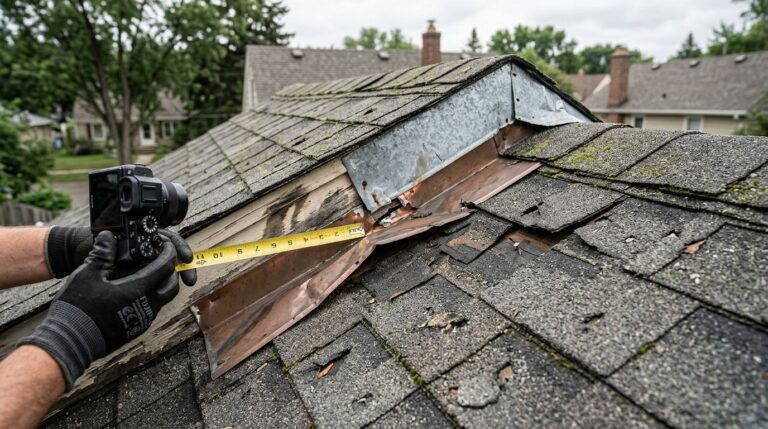
It also fits when tear-off or inspection uncovers hidden damage and roofing damage that was not visible during the first adjuster visit. Wet insulation, split membrane seams, crushed flashing, and saturated deck sections can stay hidden until a contractor opens the area. In those cases, a report from professional leak detection for commercial roofs can help connect the new leak to the original loss.
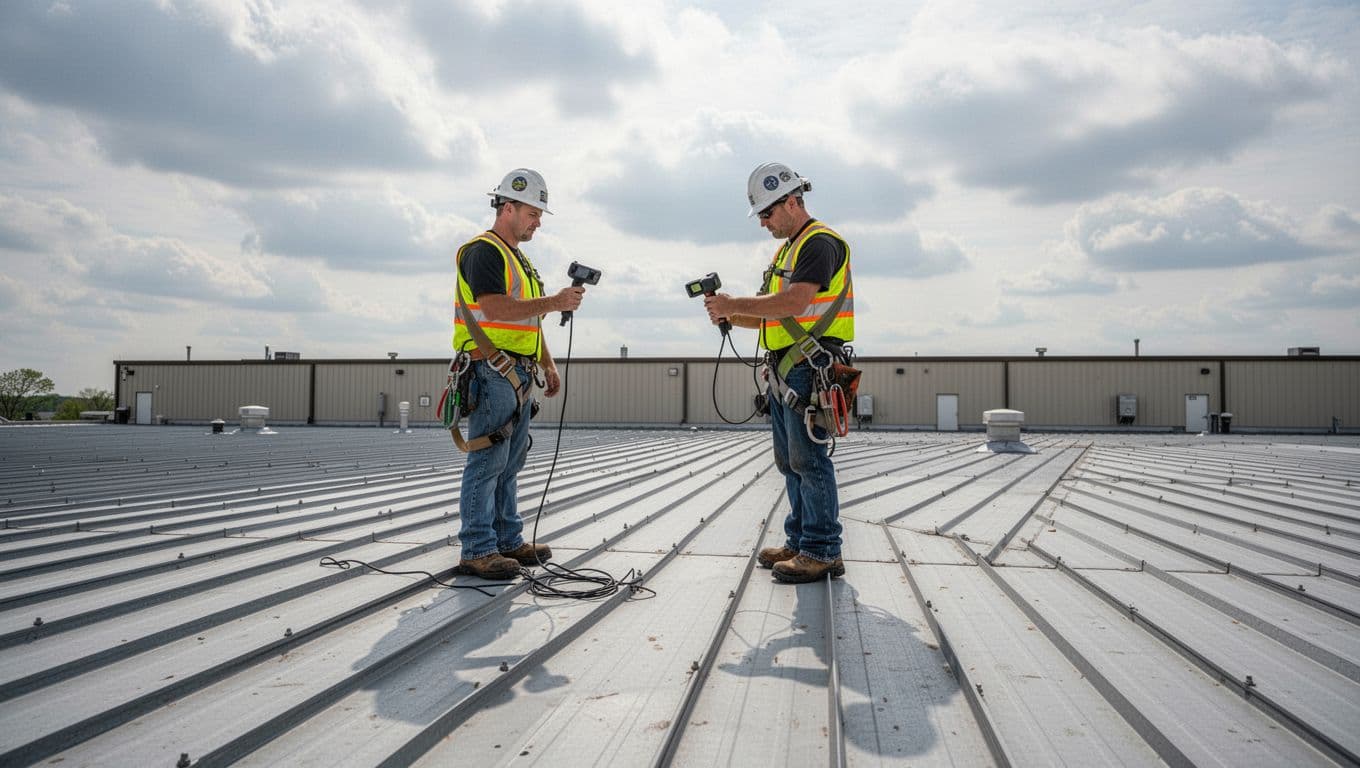
The strongest reopening cases show a straight line between the first event and the later leak. For example, a storm-damaged seam may hold for a while, then fail after freeze-thaw cycles or the next hard rain. The timing feels new, but the cause is old.
Minnesota owners should also watch for code-driven items. If a covered loss forces code-compliant repairs, added decking or related work may matter to the claim. That issue has gained attention after recent Minnesota coverage fights over hidden roof damage.
When it usually does not apply
Reopening usually fails when the new leak came from a different storm, long-term neglect, or normal aging. If clogged drains, old sealant, shrinkage, or poor upkeep caused the problem, the insurance company may cite policy exclusions and issue a denied claim, since the loss is not tied to the original event or initial insurance adjuster findings in the property damage claim process. That is also why common roof claim denial reasons often come back to timing, wear, and proof.
A reopened claim is usually a supplement tied to the first loss, not a second chance to claim unrelated damage.
Step-by-Step
How to reopen the claim the right way
Start with the written record, then build a simple cause-and-effect record.
- Stop active leaks first to mitigate further damage. Use temporary drying, tarping, or containment to protect people and stock, but photograph everything before and after the emergency work.
- Get a commercial roof inspection fast. A contractor such as Saint Paul commercial roofing experts should document moisture, membrane failures, flashing defects, and interior damage with dates, photos, and a roof diagram.
- Tie the new leak to the original property damage claim. Match the leak area, storm date, adjuster notes, prior scope, contractor estimates, repair estimates, and weather records so the carrier can see one chain of damage.
- Send a written request via certified mail to the insurance company to reopen the file. Use the phrase reopen roof claim or “supplemental claim,” include the claim number, attach the new report, and ask for a reinspection. In Minnesota, insurers are expected to respond to claim communications promptly, often within 10 business days.
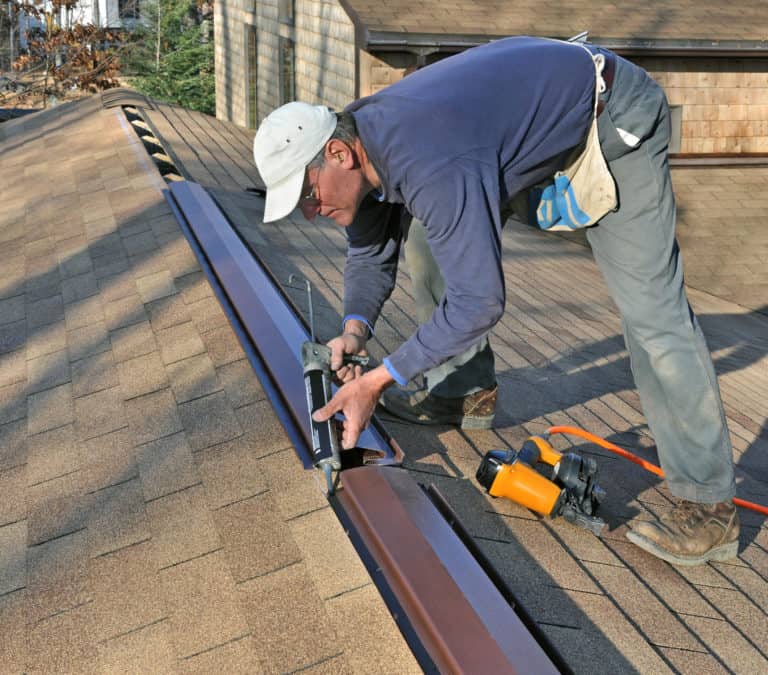
- Meet the adjuster on site with your roofer for the re-inspection. That is the time to discuss actual cash value vs replacement cost value regarding the supplemental claim. That matters on commercial roofs, because hidden moisture and lateral water travel can fool a quick inspection. If damage is limited, commercial flat roof repair may solve it. If wet insulation or deck damage is broad, commercial roof replacement may be the accurate scope.
- Separate emergency work from permanent work. Mitigation is fine, but large permanent repairs are better after the carrier sees the exposed damage, unless safety or operations force faster action.
- Keep every invoice, photo, and material sample. If the insurer pushes back, ask for the written reason, request another review, and check whether your policy allows appraisal to pursue additional compensation from the insurance company. For a wider view of the written record, this storm claim guide for Minneapolis properties shows the records insurers usually expect.
The goal is simple. Make it easy for the carrier to see that the added scope belongs to the first loss, not to age or a later event.
FAQ
What if the insurer says the claim is closed?
Even if the insurance company calls it a closed insurance claim, that does not always end your rights. If the new leaks stem from the same covered event, you can ask the carrier to reopen the file or add a supplement. What matters is new evidence, such as moisture maps, tear-off photos, or a contractor report that ties the leak back to the first loss.
Can I reopen the claim after repairs have already started?
Yes, but it gets harder. Once repairs change the roof, the insurance company may argue that it cannot verify what was there before for the property damage claim.
If emergency work already happened
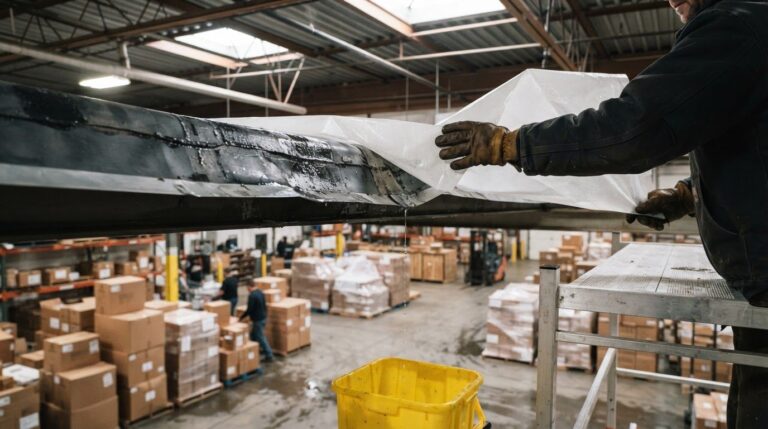
Save photos, invoices, moisture readings, and any removed materials. Without that record, the insurer has more room to dispute scope or cause.
What happens if another storm hit before the leaks showed up?
Then you may have two separate claims. Your roofer should compare impact marks, seam conditions, and weather dates so you do not mix an old loss with a new one. Carriers often deny supplements when the damage path is unclear.
Can hidden roof damage turn a repair into a replacement?
Yes. A small visible leak can hide hidden damage and structural damage, such as wide moisture spread below the membrane. If tear-off shows saturated insulation, damaged decking, or failed attachment over a large area, the scope may move from patching to replacement. That often happens when a contractor proves the commercial roof needs repair across connected sections, not one isolated spot.
Will reopening a claim hurt my business insurance later?
A supplement itself is not unusual. Insurance companies handle these regularly. You are asking the carrier to pay for damage tied to a covered loss. Premium changes depend on your carrier, your claims history, and market conditions, so the first job is getting the scope right and backing it up with clean documentation.
What are my legal rights to reopen a claim?
Know the statute of limitations for your policy, and watch for a release of all claims on a settlement check, which could limit future options. If the insurance company acts in bad faith, explore the appeal process, hire a public adjuster, pursue legal action, or consult a property damage attorney.
A wet spot after the claim closes can feel like a second storm. On a commercial roof, it often means the first storm left roofing damage that took time to show itself under a homeowners insurance policy.
If you move fast, keep clear records, and connect the leak to the original event, you often have a solid path to reopen a roof claim and recover the full repair scope, even if faced with a denied claim.
Need a roof inspection in Saint Paul or the Twin Cities? Call Sellers Roofing Company at +1-651-703-2336 or schedule a free estimate. We are a black-owned, NMSDC-certified MBE roofing contractor with 9+ years experience.