Last updated: 2026-08-01 by Ted Sellers, Owner
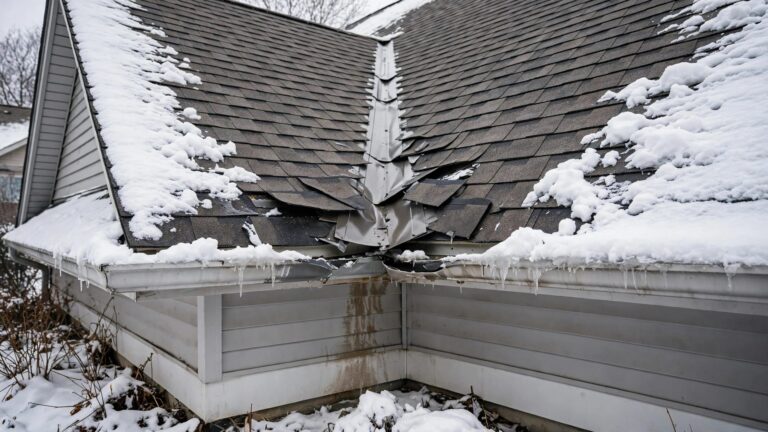
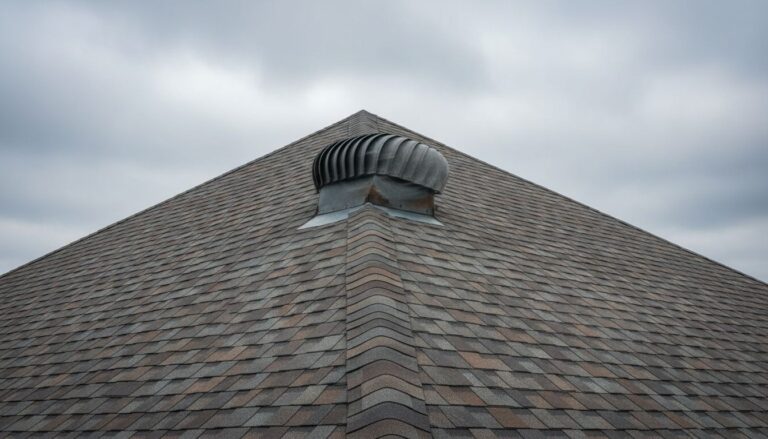
Yes. Wind can damage a roof valley even when every shingle still appears to be in place. On commercial buildings, gusts often lift shingle edges, loosen valley metal, crack sealant, and strip granules before anything blows off. Because valleys carry concentrated water, even small wind damage there can lead to leaks faster than damage in open roof areas.
When This Applies
Buildings where this warning matters
This applies to commercial properties with sloped roof sections or mixed roof designs. Common examples include office entries, retail centers with mansards, churches, schools, apartment buildings, and buildings with dormers or intersecting roof planes.
A valley is where two slopes meet, so it handles more runoff than most roof areas. Because of that, wind damage in roof valleys often shows up as movement, not obvious loss. The roof can look intact from the parking lot while the waterproofing path has already opened.
Low-slope exception
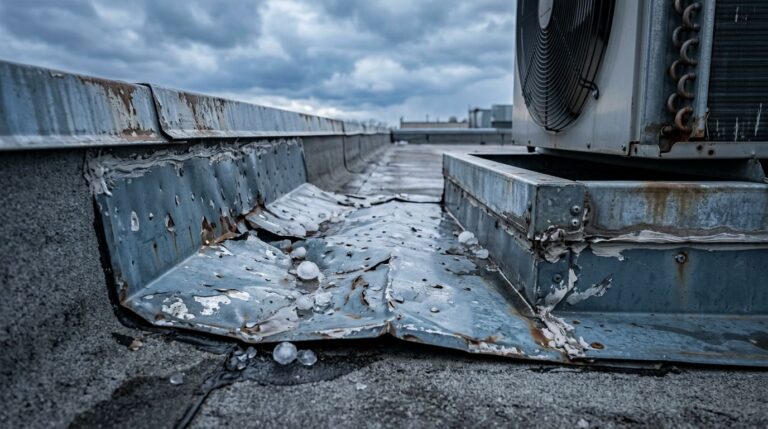
A true flat roof does not have a traditional valley. Still, the same storm stress can hit seams, edge metal, drains, crickets, and roof transitions. In those cases, the issue is not valley damage, but the logic is similar.
When this does not fully apply
If shingles are already missing, the problem is no longer subtle. You are dealing with visible storm damage, and the valley may be only one part of it.
This also does not describe catastrophic failures, such as tornado damage or large blow-offs. It fits the more common case where the storm passes, the roof still looks normal, and you are left wondering if hidden damage is sitting in the valley.
Why Roof Valleys Can Fail Before Shingles Blow Off
Wind stresses the joint, then water finds the gap
A roof valley is a joint, not a quiet patch of roof. It includes flashing, fasteners, sealant, underlayment, and shingles or metal panels all working together. When wind hits at the right angle, those parts can flex at different rates. That movement is enough to start trouble.
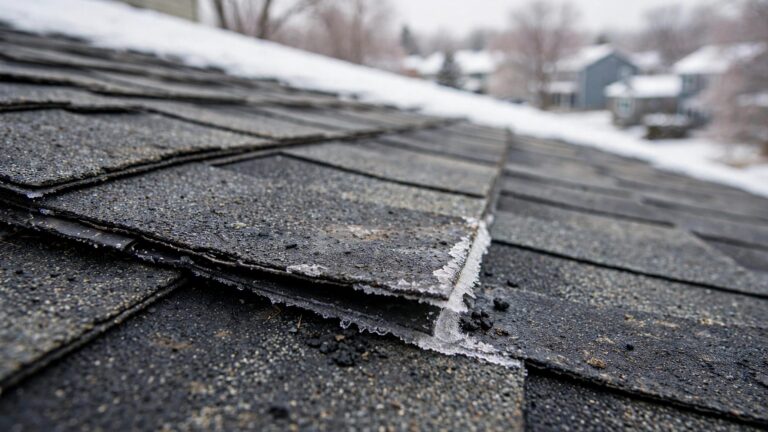
The first signs are often small. Sealant splits. Metal lifts slightly. Shingle edges lose granules. Fasteners back out a little. None of that means shingles have to be gone.
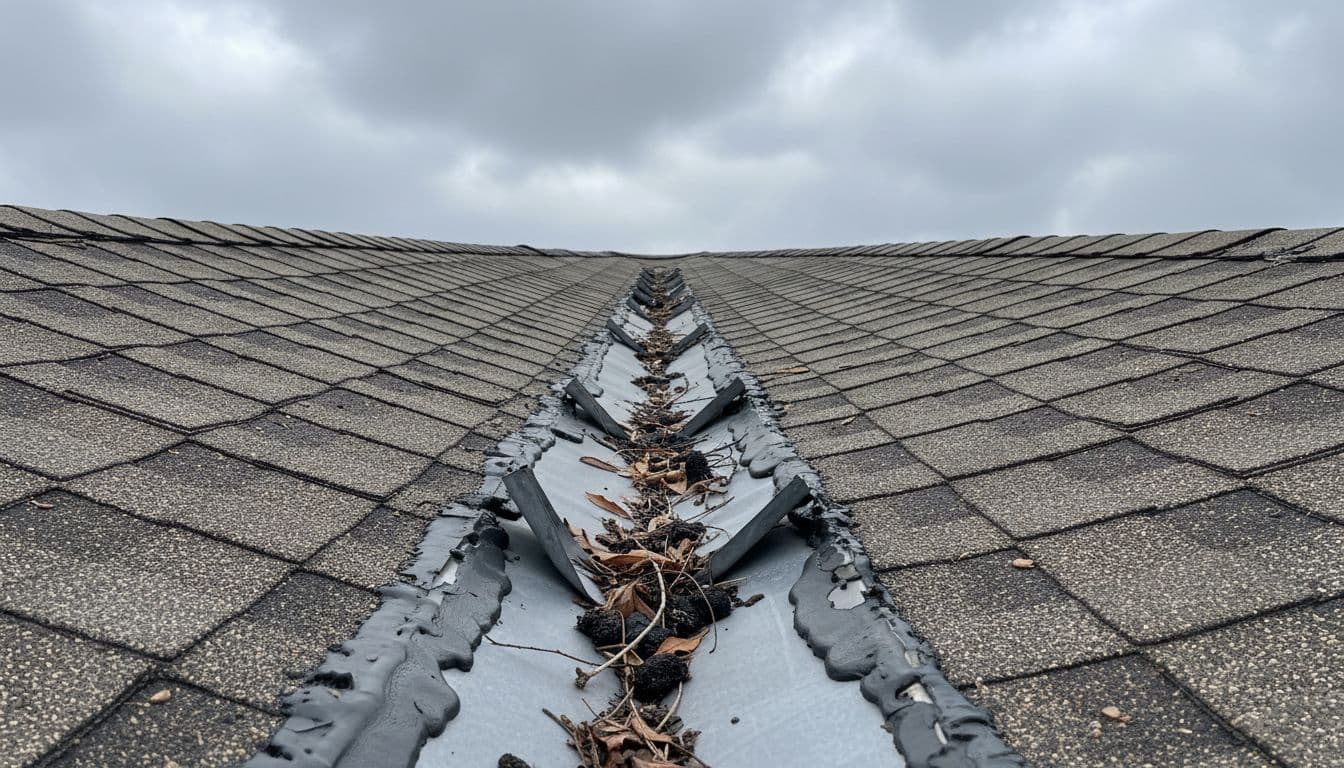
This quick chart shows what those subtle clues often mean:
| Visible sign | What it often points to | Why it matters |
|---|---|---|
| Lifted valley metal | Wind movement or loose fasteners | Water can run under the flashing |
| Granule loss near the valley | Edge flutter and abrasion | Shingle life drops fast |
| Debris packed high in the valley | Poor drainage after wind | Water backs up during rain |
| Cracked sealant lines | Movement at joints | Small openings become leaks |
No missing shingles does not mean no storm damage, especially where two roof slopes meet.
Hidden signs inside the building
You may first notice the problem indoors. A stain near an exterior wall, damp insulation, a musty smell above a ceiling grid, or a leak that appears only in wind-driven rain can all point back to a damaged valley. That is why valley issues are easy to miss and expensive to ignore.
Step-by-Step
Step 1: Match your inspection to the last wind event
Start with the storm date, wind direction, and the part of the building that took the hit. Valleys near corners, overhangs, and roof-to-wall transitions deserve the first look because pressure changes are stronger there.
If you manage more than one building
Check older roofs first. Also prioritize roofs with prior leak history, patched flashing, or decorative sloped sections added over entrances.
Step 2: Check for clues from the ground before anyone gets on the roof
Use binoculars from a safe location. Look for bent or lifted valley metal, debris caught high in the valley, exposed fastener heads, dark scuffing, or shingles that sit slightly out of line.
These clues matter because a valley can be compromised without looking torn apart. From the ground, the roof may seem fine. Up close, the damage tells a different story.
Step 3: Get a close inspection before the first major leak
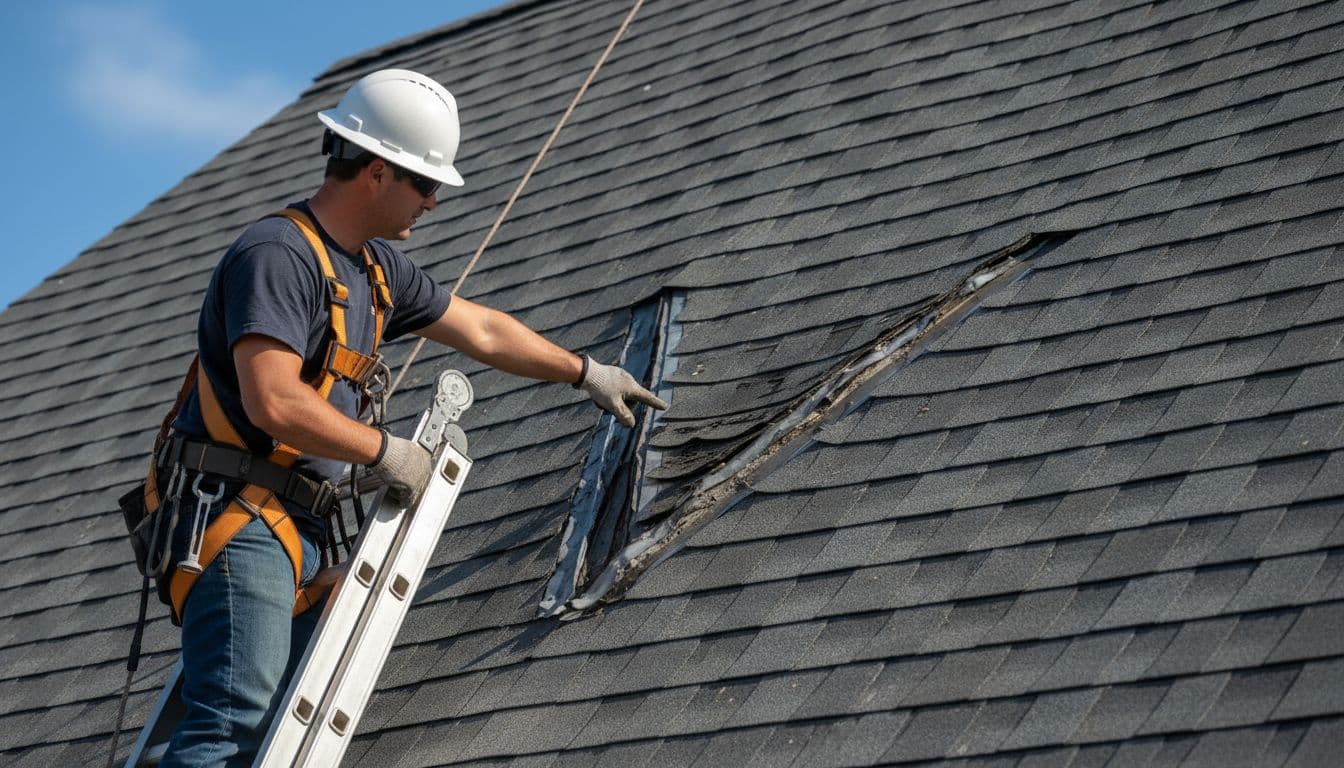
A qualified roofer should inspect the valley metal, adjacent shingles, sealant, underlayment, and any exposed fasteners. On commercial properties, that inspection should also include the attic space, deck underside, or ceiling area below the valley when access is possible.
If stains, odors, or damp insulation have already appeared, ask for commercial roof leak detection in Saint Paul. Early moisture testing can show whether the damage is still local or already spreading into insulation and decking.
Step 4: Separate a local repair from a wider roof problem
Some valley issues are still small when found early. A contractor may be able to reset flashing, reseal a joint, replace a short run of damaged shingles, and correct a few fasteners. That is far different from repairing a roof after months of hidden water entry.
If multiple valleys show movement, insulation is wet, or leaks are recurring after each storm, the scope is larger. At that point, your commercial roof needs repair even if the roof line still looks intact from below.
Where owners of mixed roof systems get tripped up
Many commercial buildings have both sloped and low-slope sections. If the trouble is on the membrane area, the right scope may be commercial flat roof repair, not valley work. A good inspection should separate those issues so you do not pay for the wrong fix.
Step 5: Choose the lowest long-term cost, not the fastest patch
A quick repair is a smart move when the damage is isolated and the roof still has service life left. Yet repeated leaks, brittle materials, or wet insulation change the math. In that case, ongoing patching can cost more than a planned commercial roof replacement.
A detailed report from Sellers Roofing Company’s commercial roofing team helps you compare repair, section replacement, and full replacement based on documented conditions, not guesswork. That matters when you are balancing tenant needs, downtime, and insurance paperwork.
When a Valley Repair Is Enough, and When It Is Not
A repair makes sense when damage is local
Repair is usually the right move when the valley metal is still sound, the leak area is limited, and nearby shingles or underlayment have not deteriorated much. In those cases, the work stays focused and the risk stays manageable.
For many business owners, this is the best outcome. The problem is found early, fixed cleanly, and documented before it spreads into insulation or interior finishes.
Replacement is smarter when the valley is only one symptom
A valley problem becomes a replacement discussion when the roof is aging, multiple areas show wind movement, or moisture has spread beyond the original opening. If the system has been patched often, the valley may be the place where a larger failure finally becomes visible.
That is why missing shingles are a poor trigger for action. By the time shingles disappear, the roof may already be well past a simple repair.
Final Takeaway
No missing shingles is not a clean bill of health
Wind damage in roof valleys often starts as slight movement, not dramatic loss. Once water uses that opening, the repair bill can climb fast.
For commercial owners, the smart move is early inspection after strong winds, especially on buildings with pitched sections or mixed roof types. Visible shingles are not the whole story.
FAQ
Can a valley leak weeks after a windstorm?
Yes. A small opening may not show up until the next wind-driven rain hits from the same direction. Insulation can also hold water for a while before a ceiling stain appears.
Why the delay happens
Storm damage often starts at the waterproofing layers, not the ceiling surface. That delay makes valley leaks easy to misread.
Will insurance care if no shingles are missing?
Often, yes. Carriers look for documented storm-related damage, not only missing shingles. Photos, inspection notes, weather dates, lifted flashing, and cracked sealant all help support the claim.
What to save
Keep inspection photos, service records, tenant reports, and timestamps from the storm event.
Can tenants stay open during a valley repair?
Usually, yes. Localized valley work can often be staged with little disruption, especially if the affected area is above an entry canopy or small roof section.
When disruption increases
Interior protection, moisture removal, or larger tear-off work may require temporary access limits.
Can wind damage a metal valley on an otherwise sound roof?
Yes. The metal can deform, lift, or loosen at fasteners while the surrounding shingles still look fine. That is one reason valley damage is easy to miss during a quick visual check.
What to watch on metal
Look for lifted edges, wavy lines, open laps, and fasteners that no longer sit tight.
What if my building has a flat roof and no valleys?
The same storm can still cause hidden damage, only in different places. On low-slope roofs, check seams, edge metal, parapet corners, drains, and rooftop unit curbs.
Similar trouble spots on low-slope roofs
Those areas often fail first after high winds, even when the field of the roof still looks normal.
Need a roof inspection in Saint Paul or the Twin Cities? Call Sellers Roofing Company at +1-651-703-2336 or schedule a free estimate. We are a black-owned, NMSDC-certified MBE roofing contractor with 9+ years experience.