Last updated: 2026-08-01 by Ted Sellers, Owner
Usually, yes, if hail opened the roof, water got in, and the mold followed soon after. The claim is strongest when the leak is tied to a covered storm event and you can prove it with photos, moisture readings, and repair notes. Mold from old seepage, condensation, or slow maintenance problems is far easier for the carrier to deny.
The roof leak mold insurance question comes down to timing, cause, and documentation. If the building dried out late, or the roof was already failing, the answer can change fast.
When This Applies
Hail opened the roof and mold followed soon after
This usually applies when a storm created a new opening, then rainwater entered the building and soaked insulation, drywall, ceiling tile, or wall cavities. On commercial roofs, water can travel far before it shows inside, so the stain on the ceiling may be miles from the real breach, at least in roof terms.
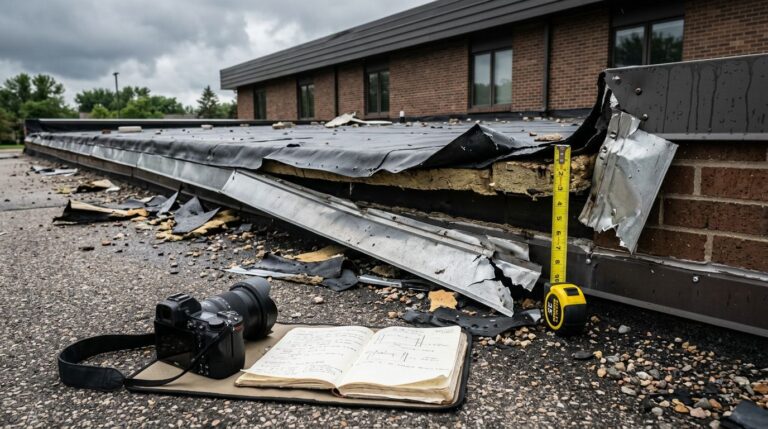
That matters on TPO, EPDM, metal, and other low-slope systems. A roof may look fine from below, yet still have a seam split, flashing tear, puncture, or lifted edge that lets water spread under the surface.
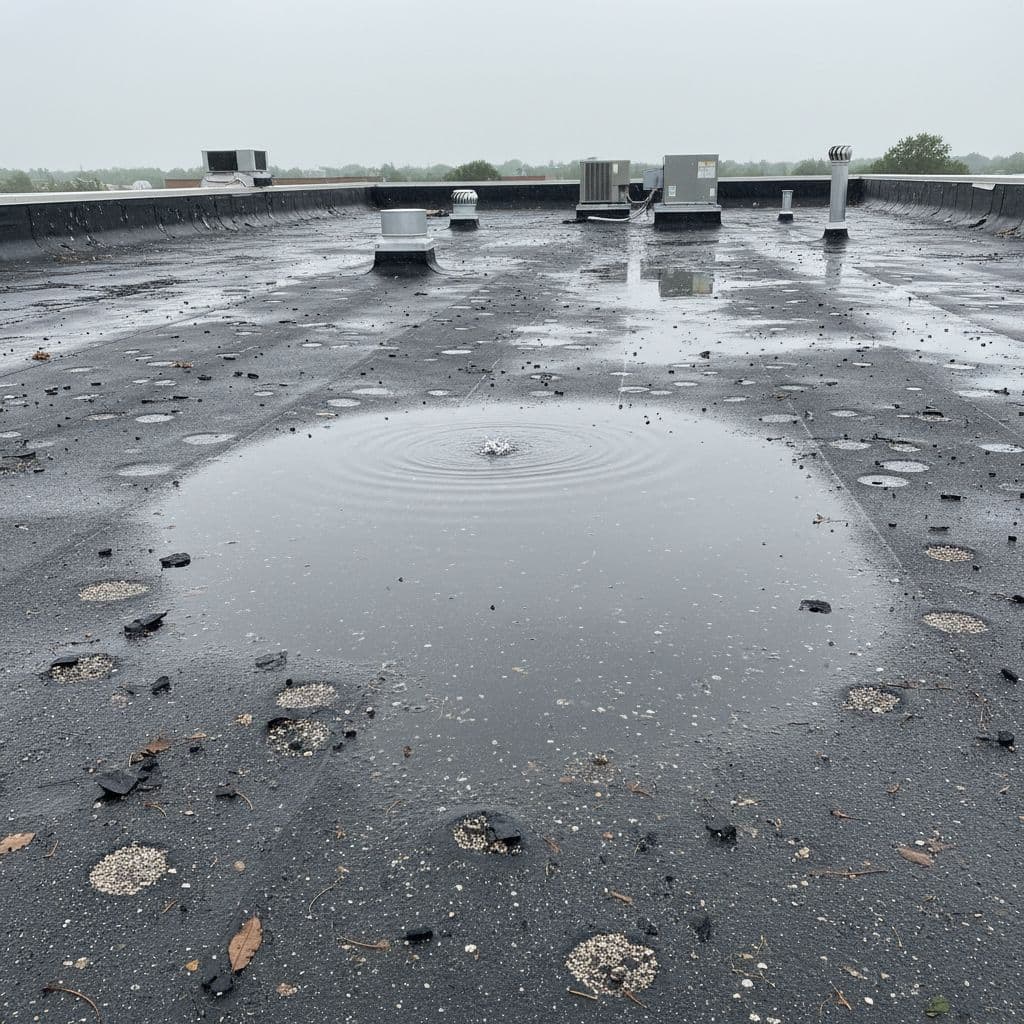
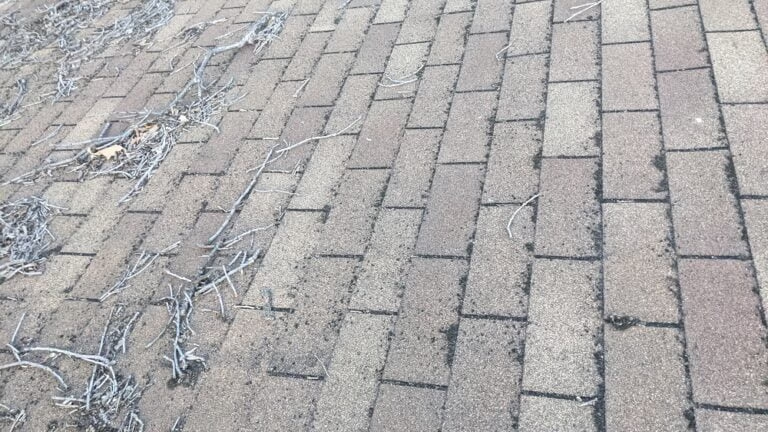
A timely file usually has the best chance of approval when the mold appeared after a clear hail date and the leak path matches the storm damage.
When the claim usually does not apply
Coverage often weakens when mold comes from long-term seepage, poor ventilation, standing water that was ignored, or a roof that was already past its useful life. If the carrier can point to repeated leaks, delayed cleanup, or maintenance lapses, it may call the mold a preventable loss.
Mold coverage is often capped by a separate sublimit, so the cleanup bill can run out before the repair bill does.
Common red flags
Old patch work, slow drips that went untreated, and condensation problems can all muddy the claim. So can missing records, because the insurer may argue that no one can prove when the water first entered.
What Insurance May Pay For
Damage tied to the storm event
If the mold grew because hail damaged the roof, the policy may pay for more than the roof patch. It can also cover water-damaged insulation, ceiling materials, some interior finishes, and reasonable mold cleanup if the policy language supports it.
That said, the claim still turns on cause of loss. The carrier wants to see that the mold came from sudden water entry, not from age or neglect. If the roof leak started with the storm, the file is much stronger than if the leak had been active for months.
Costs that often get pushed back
Insurers often push back on old damage, elective upgrades, and work that has nothing to do with the hail event. They also separate covered storm damage from items that belong under maintenance or code-based upgrades.
Ask one key question early, does the check reflect replacement cost or actual cash value? If depreciation is recoverable, more money may come after the work is done and documented. Also confirm the deductible, policy limits, and any ordinance or law coverage. Those details can change the final payment more than the first check suggests.
Step-by-Step
1. Stop the leak and protect the building
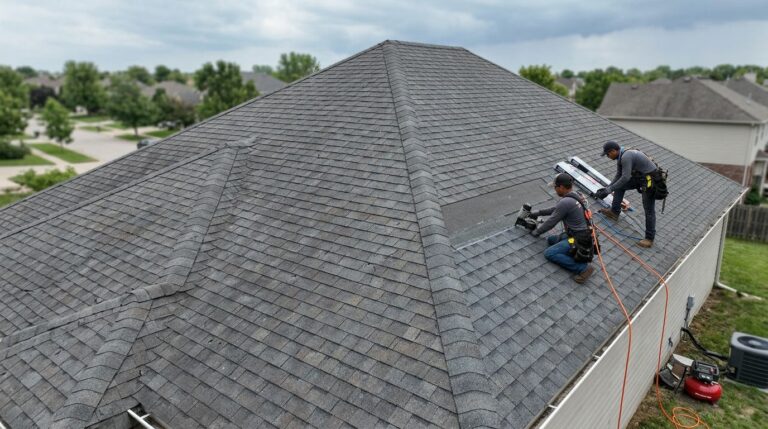
Start with mitigation. That means temporary dry-in work, interior protection, and leak tracing, not full restoration. If water is still entering, the damage can spread through insulation and wall cavities while the claim is waiting.
Save every receipt, photo, and work note. Temporary work helps your claim when it shows you acted reasonably and kept the loss from growing.
Keep the scene documented
Take date-stamped photos before anything gets covered or removed. If the roof is unsafe, use a qualified commercial crew instead of sending maintenance staff onto a slick membrane or a storm-damaged area.
2. Read the policy before you spend
Before you approve major work, check how the policy handles mold, water damage, and roof losses. Look for limits, sublimits, exclusions, and wording tied to sudden discharge, wind, hail, or ensuing loss.
If the roof needs more than patching, the policy language matters even more. A claim that starts as a commercial flat roof repair may shift toward a bigger scope once wet insulation or damaged deck material is exposed. That does not mean the claim is lost. It means the scope must match the damage.
Check the payment terms
Confirm whether the carrier is paying actual cash value first or replacement cost. Also confirm whether depreciation is recoverable after repairs and whether ordinance or law coverage applies to the final scope.
3. Prove hail caused the opening
This is the core of the claim. Your file should connect the storm date to the roof breach and the water entry. Use weather records, roof photos, interior moisture readings, and contractor notes to show the path from hail to leak to mold.
If the leak path is not obvious, a commercial roof leak detection service can help trace where the water entered and how far it traveled. That kind of report is useful when the adjuster only sees a ceiling stain and assumes the problem was old.
Build proof that holds up
Good evidence usually includes impact photos, close shots of flashing or seams, moisture maps, and marked-up roof diagrams. On larger roofs, a single ceiling stain is not enough. The carrier wants a clear link between the hail event and the damaged area.
4. Separate mold scope from roof scope
Mold cleanup and roof repair are related, but they are not the same job. The roof scope fixes the source. The interior scope fixes the damage that followed. If you blur them together, the carrier may trim the claim.
That distinction matters when the roof damage is small but the hidden moisture is not. A small roof opening can lead to wet insulation across a wider area, and that can turn a simple patch into a larger rebuild. In some cases, the job stays as a commercial roof needs repair issue. In others, saturated insulation, failed seams, and repeated leaks make commercial roof replacement the better call.
If the damage is widespread, ask for a second inspection from a local Saint Paul commercial roofing team. A fresh look can separate storm damage from old wear and show whether repair or replacement is the better path.
Watch the hidden damage
Mold often grows where the eye cannot see, inside insulation, behind wall finishes, or above ceilings. If the first scope ignores those areas, the claim can come in too low.
5. Challenge a short check if the numbers miss damage
If the payment leaves out mold work, wet insulation, tear-off, or code-driven items tied to the same loss, send a supplement. A supplement asks the carrier to revise the claim using new proof, not new wishes.
If the disagreement stays large, ask for a reinspection. If the policy allows appraisal, that can help resolve scope and price disputes. For major losses, coverage counsel may also be worth a look.
Keep the dispute focused
Point to dates, photos, and policy language. If only part of the damage came from earlier repair work, ask for partial approval instead of accepting a full denial.
Conclusion
Mold after a hail-driven roof leak can be covered, but only when the damage is tied to a sudden, documented event. The strongest claims show a clear chain, hail hit the roof, water entered, materials got wet, and mold followed before the building could dry out.
When the carrier sees old leaks, missed maintenance, or weak proof, the claim gets harder. The best results come from fast mitigation, careful documentation, and a roof scope that matches the actual damage.
FAQ
Does insurance cover mold if the roof leak started with hail?
Often, yes, if the hail created the opening and the mold followed because water entered through that new damage. The claim gets stronger when the leak date, storm date, and mold discovery line up.
Will insurance pay for mold removal and roof repair?
Sometimes it will pay for both, but they are usually treated as separate parts of the claim. The roof work fixes the source, while mold removal addresses the contamination that followed. Policy limits and mold sublimits can reduce the total payment.
What if the mold appeared weeks after the hailstorm?
That can still be covered if the evidence shows the water entry started with the storm. Delayed mold does not kill a claim by itself. It becomes harder when the roof sat open, repairs were delayed, or the source cannot be tied back to hail.
Can a commercial roof claim include both mold and water damage?
Yes. A commercial roof loss can include roof repair, wet insulation, ceiling damage, and mold remediation when all of it traces back to the same covered event. The key is separating the storm damage from any unrelated wear or old leaks.
Does a prior roof repair kill the claim?
No. Prior repairs do not automatically void coverage. The carrier still has to show that the old work caused this loss or made it worse. If hail damaged a different area, the claim can still stand on its own.
Should I replace the roof if mold is already present?
That depends on how far the water spread and how much of the system is still sound. A localized leak may only need targeted repair, but repeated failures and widespread wet insulation can point to a larger rebuild. The right answer comes from the roof condition, not the stain alone.
Need a roof inspection in Saint Paul or the Twin Cities? Call Sellers Roofing Company at +1-651-703-2336 or schedule a free estimate. We are a black-owned, NMSDC-certified MBE roofing contractor with 9+ years experience.