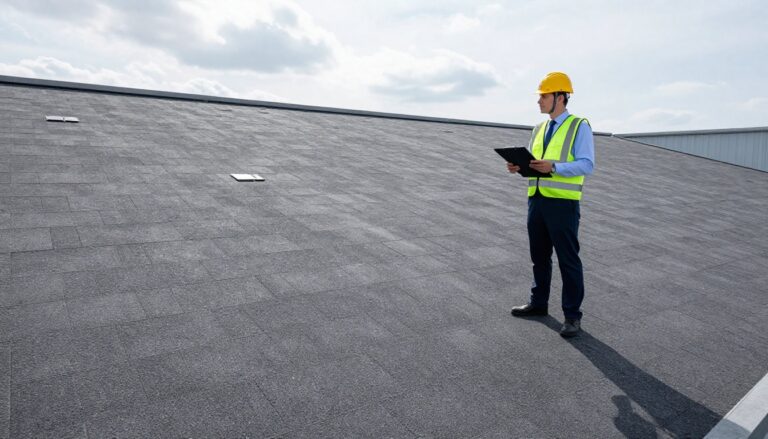
Last updated: 2026-08-01 by Ted Sellers, Owner
Yes. If your roof insurance check names the mortgage company, it can hold the money until it verifies the repair or replacement work. In Minnesota, that is common when the lender has a legal interest in the property. The hold should follow your loan papers and the claim file, and it usually ends once the required proof is in.
When This Applies
When the lender is named on the check
A mortgage company can hold a roof claim check when the policy names it as a loss payee or mortgagee. That setup protects the lender’s collateral, because the roof is part of the property securing the loan.
Minnesota law also recognizes that interest. The state’s mortgagee-payment rule in chapter 65A explains why insurers pay mortgagees when the loss draft includes them. In plain terms, the lender can ask to see proof before the money moves out of its control.
The lender is protecting its lien, so the hold is about security, not punishment.

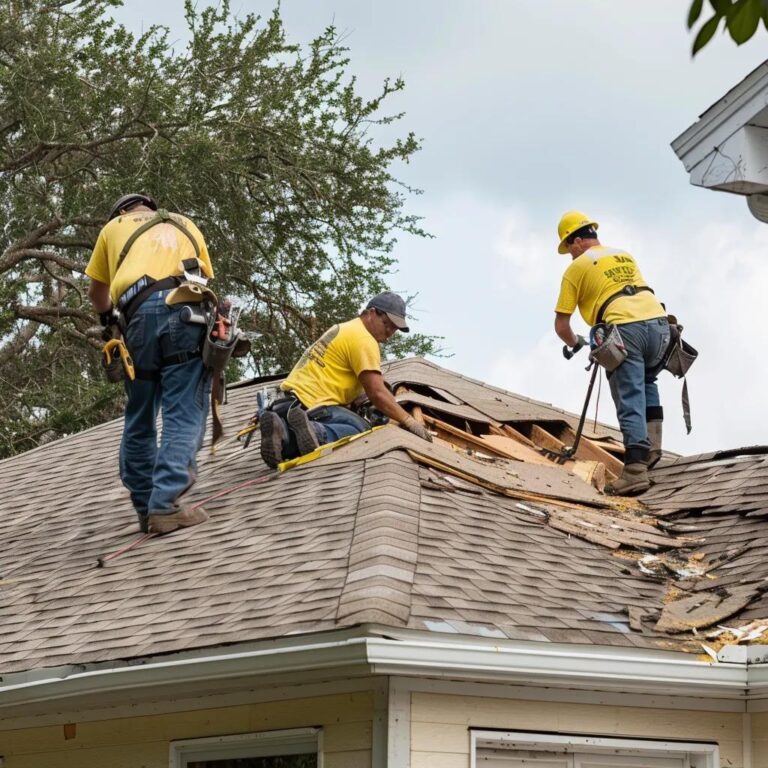
That matters most after a storm, a sudden leak, or a loss that may require more than a small patch. If the roof damage turns into a bigger scope, the lender may want a contractor estimate, photos, permits, and a final invoice before it releases the funds.
When it does not apply
If there is no mortgage, the insurer usually issues the check to the owner only. In that case, there is no lender hold because there is no lender interest to protect.
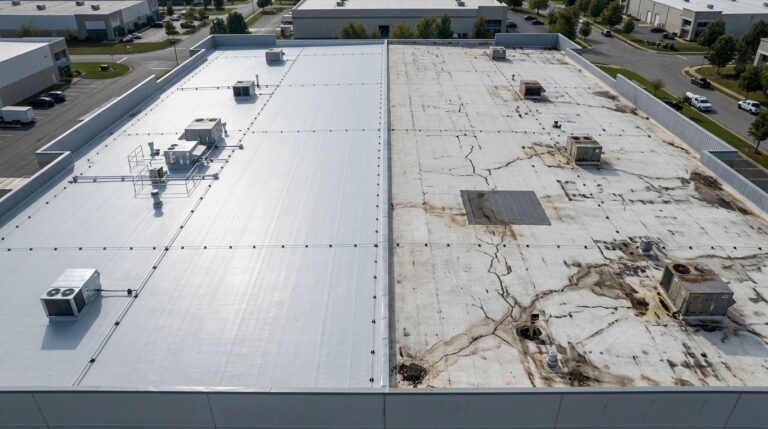
The same can happen on some smaller claims, where the carrier pays quickly and asks for less paperwork. Even then, the roof still needs to match the claim. A check that looks simple on paper can still hide a problem if the roof actually needs commercial flat roof repair or a larger fix.
When the hold becomes a problem
A hold becomes a problem when the lender asks for things that have nothing to do with the roof loss, or keeps changing the list. It also gets messy when the claim includes hidden damage, but nobody documents it well.
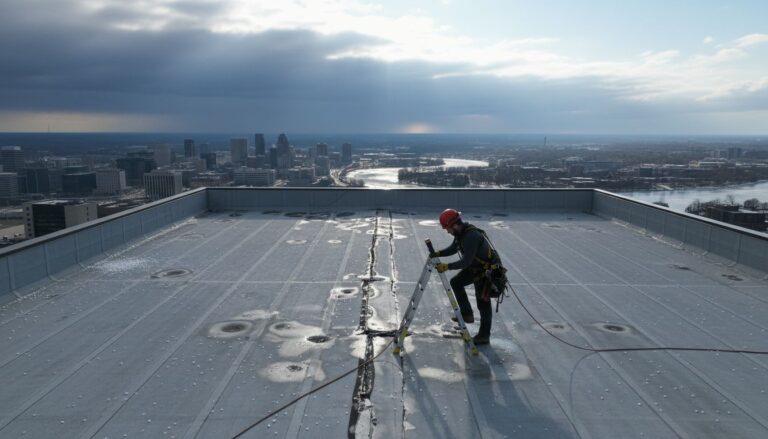
On a commercial property, that risk is higher because water can travel under the membrane before it shows inside. If your commercial roof needs repair, a commercial roofing contractor in Saint Paul can help separate repair work from replacement work. When the leak path is unclear, professional commercial roof leak detection can show where the damage really started.
Step-by-Step
1. Call the mortgage servicer the same day
Start with the company that services the loan, not just the name on the original note. Ask what it needs to release the claim money and where to send the packet.
Get the answer in writing if you can. You want a clear list, not a vague promise. Ask about endorsement rules, the final invoice, proof of completion, and whether they want photos before and after the work.
If the roof damage is on a business building, keep the roof file separate from other property repairs. That makes the release cleaner and helps avoid delays later.
2. Match the claim file to the roof scope
Do not compare only the check amount. Compare the actual roof damage to the estimate line by line.
Look for missed items like wet insulation, damaged flashing, edge metal, tear-off, disposal, and code-required details. Those items often appear only after inspection or tear-off. If the adjuster assumed a small patch would work, but the roof deck or insulation tells a different story, the scope needs revision.
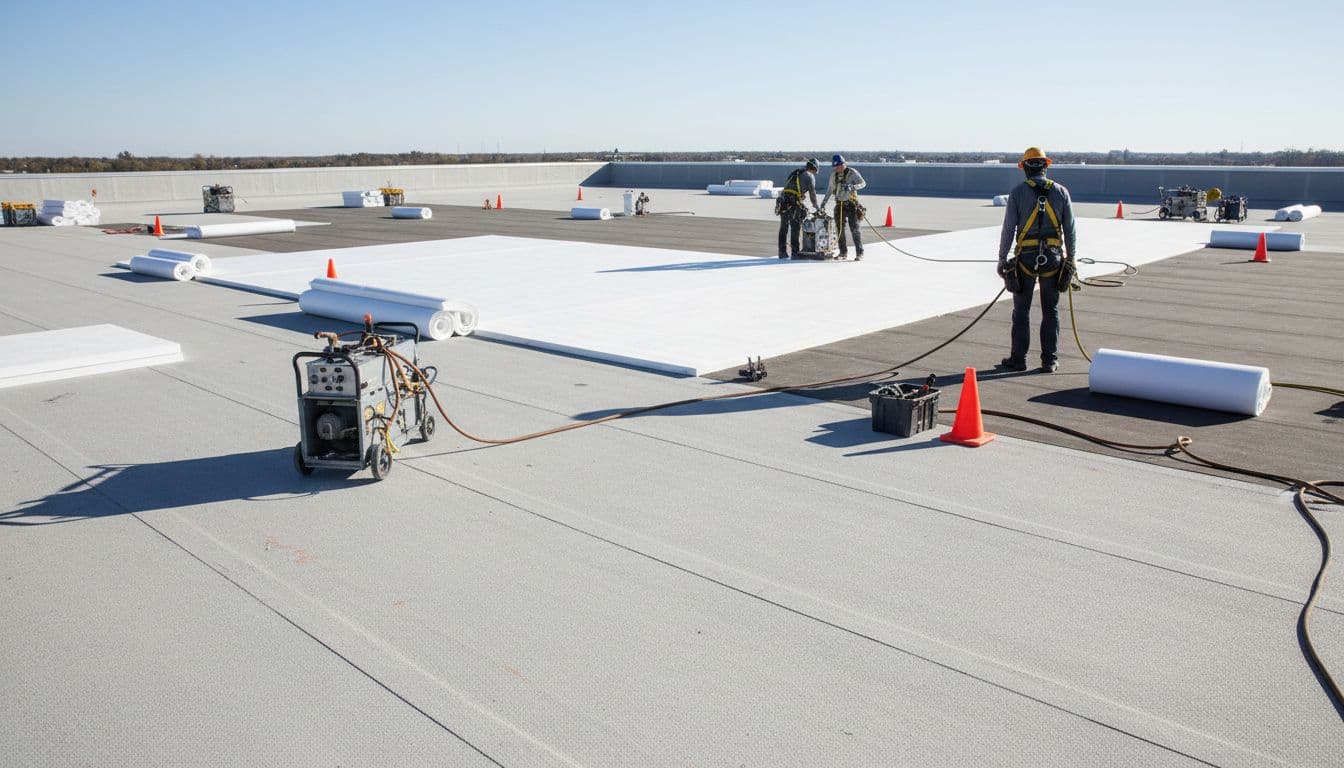
If the roof has hidden moisture or a hard-to-find leak path, professional commercial roof leak detection can support the file before the money is released. That is useful when the carrier wants a short repair scope, but the roof team finds a bigger problem.
3. Ask how the funds will be released
Some lenders release the full check after they review the paperwork. Others hold it in escrow and pay in stages. On larger losses, that staged setup is common.
You should also ask whether the check reflects actual cash value or replacement cost. If the insurer paid only ACV first, the lender may hold the recoverable depreciation until the work is complete and documented.
Replacement cost and depreciation
This part confuses a lot of owners. The first check is often smaller than the final claim value because depreciation is withheld. Once the work is done, the insurer may issue the rest, and the lender may then release what it holds.
That does not mean the claim is over. It means the file still needs completion proof.
4. Send clean proof of completed work
Keep the packet simple and complete. Most lenders want the final invoice, photos of the finished roof, and a statement from the contractor that the work matches the approved scope.
For a commercial roof, add the items that show the job was done right. That can include marked-up roof plans, moisture readings, and any supplement approval. If the claim moved from patch work to commercial roof replacement, the paper trail should show why.
Do not throw away records after the job. Keep the check copies, the claim letters, and the contractor paperwork together. If the lender questions the file later, you will have the answer ready.
5. Escalate if the hold drags on
If the lender keeps the money after you sent the proof, ask for the reason in writing. Then compare that reason against the mortgage papers, the insurance policy, and the claim file.
If the explanation still does not make sense, escalate through the servicer. You can also contact the Minnesota Department of Commerce or a lawyer if the dollar amount is large and the delay is hurting the project. The wording in Minnesota’s mortgagee payment law is one reason these checks often carry lender names in the first place.
A long hold should have a paper trail. If it does not, ask for one.
FAQ
How long can a mortgage company hold a roof claim check?
There is no one answer for every file. The hold usually lasts until the lender gets the documents it asked for, and that can be fast on a simple repair or slower on a larger claim. If the hold lasts too long, ask for the exact missing item in writing.
What if the check is only made out to me?
If the lender is not a payee, it usually has less control over the funds. Still, your loan papers can contain loss-payment language, and some servicers will ask for proof before they clear a release. The safest move is to ask before you deposit or spend the money.
Does this happen with commercial roofs too?
Yes. Commercial loans can also put the lender on the check, especially after storm damage or a major leak. The difference is that commercial claims often need more documentation, because the damage can spread beyond the first wet spot. That is why scope and proof matter so much.
Can I cash the check and start repairs first?
Usually not if the lender is a joint payee. It may need to endorse the check before the bank accepts it. Also, permanent work that starts too early can blur the evidence, which makes the claim harder to support if hidden damage shows up later.
What if the insurer paid too little for the roof?
Then a supplement may be the right next step. A supplement can add missed tear-off, flashing, insulation, code items, or other covered work that the first estimate left out. If the roof damage is on a business property, clean photos and a clear contractor scope carry a lot of weight.
Conclusion
Yes, a mortgage company can hold your roof claim check in Minnesota when it has a legal interest in the property. That hold is normal, but it should match the loan papers, the policy, and the damage file.
The key is simple. Document the roof loss early, keep the repair scope clear, and give the lender the proof it needs to release the money. When the roof damage is larger than a basic patch, a good paper trail matters as much as the repair itself.
Need a roof inspection in Saint Paul or the Twin Cities? Call Sellers Roofing Company at +1-651-703-2336 or schedule a free estimate. We are a black-owned, NMSDC-certified MBE roofing contractor with 9+ years experience.