Last updated: 2026-08-01 by Ted Sellers, Owner
Yes, a roof claim denial can occur even without an adjuster conducting a physical inspection. An insurance company may choose to rely on submitted photos, prior inspection reports, specific policy exclusions, or evidence of long term maintenance issues rather than sending a professional to evaluate the roof. While this article focuses on commercial properties, it is important to note that the language found in a standard homeowners insurance policy often mirrors these same challenges when a policyholder reports storm damage. Regardless of the property type, a denial is often easier to challenge when the carrier skipped fresh evidence, overlooked documented storm dates, or treated a previous repair as proof that the new loss is excluded from coverage.
Key Takeaways
- Insurers may deny roof claims based on documentation alone, such as prior repair records or policy exclusions, without ever conducting a physical site inspection.
- A denial based on ‘wear and tear’ can be challenged if there is clear evidence that the current loss is a result of a distinct, covered event like a storm, rather than an old maintenance issue.
- Emergency mitigation, such as temporary dry-in work, is essential to protect your property and does not weaken your claim as long as you properly document the condition of the roof beforehand.
- If you receive a denial, you should request the specific adjuster notes and data used in their assessment to identify gaps in their logic or reliance on outdated information.
- You can pursue a revised decision by providing a detailed rebuttal that separates the documented history of your roof from the specific damages caused by the recent incident.
When This Applies
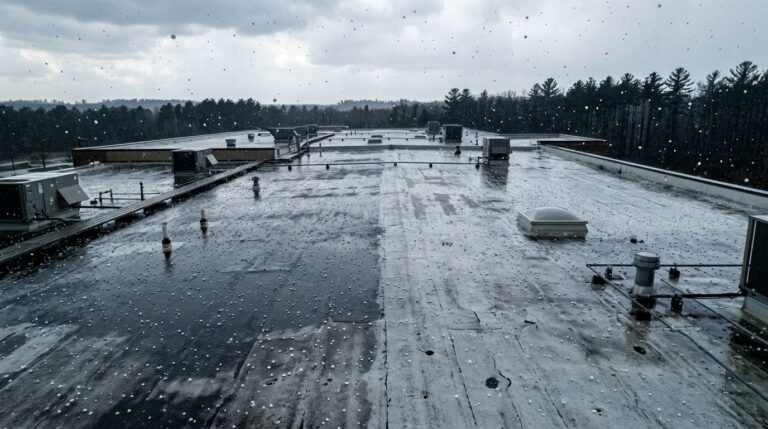
This issue comes up most often on commercial roofs, especially low-slope systems that have a repair history. If your building has TPO, EPDM, modified bitumen, or metal roofing, the carrier may try to decide the claim from the file alone, especially when the notes already mention old patches, ponding, or repeated leaks.
When an insurer can deny without going up on the roof
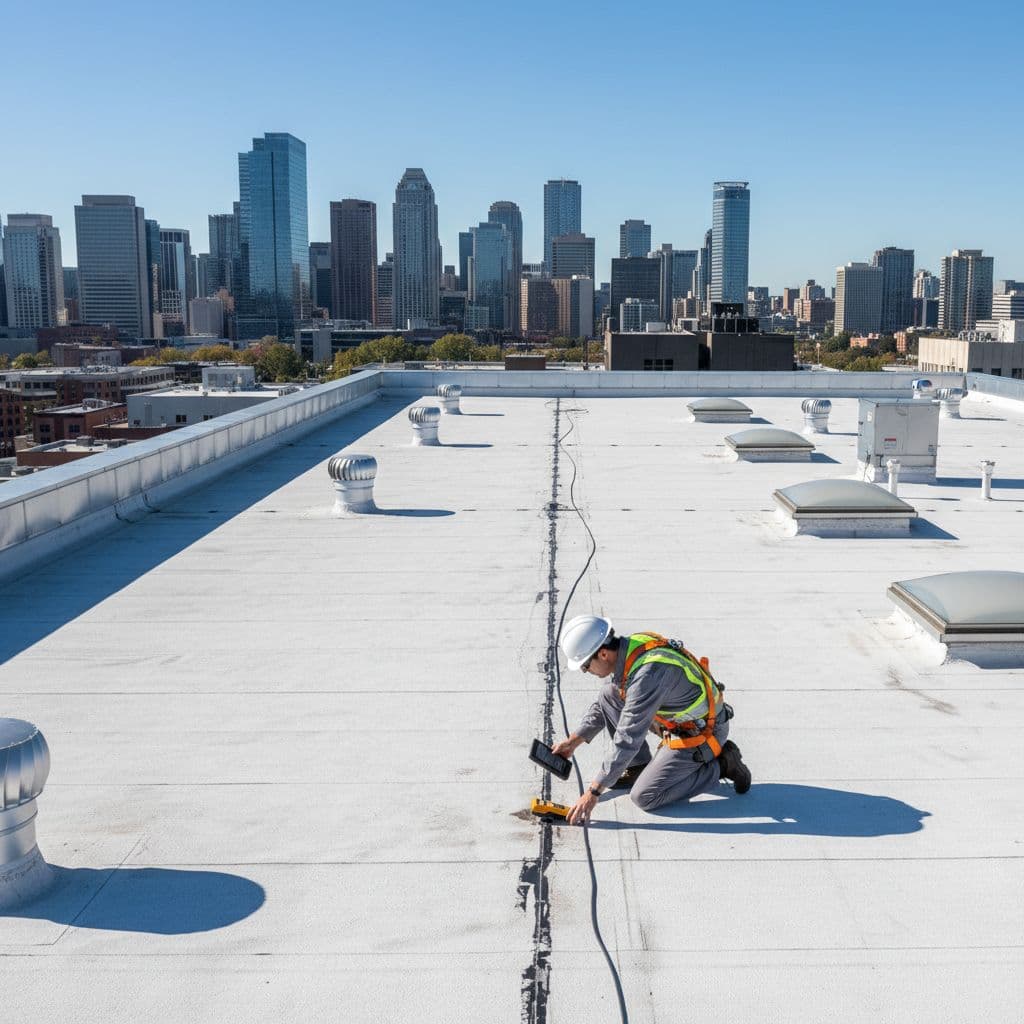
A denial without a site visit can happen when the paper trail looks strong enough for the carrier. That usually means the policy exclusions apply, the reported pre-existing damage appears evident, the loss was reported too late, or the insurance adjuster believes the roof already failed before the storm damage occurred.
Previous repairs matter here, but only in a narrow way. An older patch can support a maintenance argument if the carrier shows that the patch failed, trapped moisture, or made the current condition worse. It does not erase coverage for a new hail damage event, wind damage, or a puncture in another area. You should keep in mind that general wear and tear is often used as a baseline for these denials.
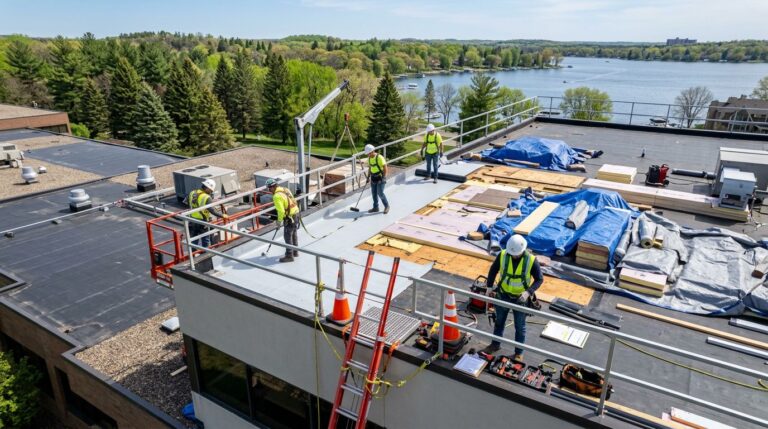
Temporary dry-in work does not weaken a claim. It shows you acted reasonably while you protected the building.
When that denial is weak
A denial gets weaker when the carrier skips the facts that separate old wear from fresh damage. If the roof was dry before the event, if tenants reported a sudden leak after a storm, or if water entered a different section than the old repair, the insurer still needs a real explanation.
That difference matters because a small failure may call for commercial flat roof repair, while widespread wet insulation, membrane shrinkage, or failed seams can point to commercial roof replacement. When a commercial roof needs repair, the question is cause, not just age.
Key exception: emergency mitigation
If water is still coming in, you should not wait for the claim file to catch up. Dry-in work, interior protection, and leak tracing are reasonable steps. They protect the property and preserve the claim at the same time.
Step-by-Step
-
Read the denial letter and the policy language
Start with the denial letter, then move to the claim file provided by the insurance company. Look for the exact reason they gave for the rejection, the date of loss, and the specific policy wording used.
If the letter mentions maintenance or prior repairs, ask what evidence supports that view. A rejection is easier to challenge when it uses vague labels instead of facts. Ask for the adjuster notes, photos, roof diagrams, and any engineer reports used in their assessment. 2. ### Protect the roof and the building
Take steps to stop more damage right away. That may include tarps, temporary seam sealant, drain clearing, interior containment, or a small patch that keeps water out.
Consult a professional roofing contractor if the roof is slick, damaged, or unsafe. Do not send staff onto a storm-damaged membrane or an area with live electrical risk. Keep all receipts, photos, and short field notes. They show you acted to limit the loss rather than hide it. 3. ### Build strong documentation before evidence changes
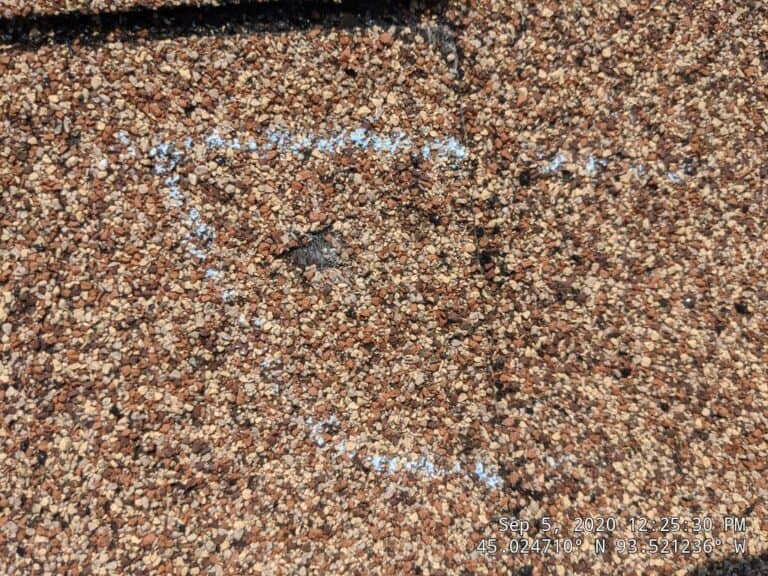
Take clear photos of the roof, the leak path, ceiling stains, wet insulation, and any damaged flashing or edge metal. Include dated logs, weather reports, and tenant complaints if they exist. This documentation forms the basis of a Minnesota proof of loss, the sworn statement that formalizes your claim amount with the insurer.
A professional commercial roof leak detection visit or an independent inspection can help trace the entry point before repairs hide it. Moisture readings, test cuts, and core samples can also show whether the damage is local or spread across the field. That is critical when the carrier tries to classify everything as old wear. 4. ### Push for a revised decision during the appeal process
Send a short rebuttal to your denial letter with your best evidence. Keep it direct. Point to the photos, the dates, the leak timeline, and the policy language that supports coverage.
If the carrier is correct about one old section but wrong about the rest, ask for partial approval instead of a full rejection. A roof can have both old damage and new storm loss. If a previous patch held for years and only failed after a covered event, that timeline matters. A past repair is not a free pass for a total rejection. 5. ### Escalate high-dollar losses
If the claim is large or the first review misses major damage, ask for a re-inspection. If the policy allows for appraisal, use it when the disagreement is about scope or price. For major losses, you may want to consult with a public adjuster or a property damage lawyer if the carrier continues to rely on a weak cause of loss theory. In some cases, persistent and unjustified denials can cross the line into bad faith.
A Saint Paul commercial roofing team can support that process with marked photos, moisture data, and a clear scope. That helps when the job requires targeted commercial flat roof repair or a full commercial roof replacement across the entire building.
FAQ
Can an insurer deny a roof claim from photos alone?
Yes. If the photos and file notes already point to an exclusion, a pre-existing defect, or a clearly non-covered issue, the carrier may deny the claim without sending an adjuster.
The problem is proof. If the carrier never looked at the full roof, and the cause of loss is still unclear, that decision may be easier to dispute.
Do previous repairs void coverage?
No, not by themselves. Old repairs only matter if the insurer can connect them to the current damage. If the insurer claims a lack of maintenance caused the issue, you should document the history of the roof. If the roof stayed dry for years after a repair and then a storm created new openings, the claim may still be covered for the new loss. The real question is whether the old work caused the present failure.
Can I make emergency repairs before the adjuster arrives?
Yes, if you need to stop active water entry. Temporary work is usually better than letting the building soak. Save photos before and after the work, keep samples if materials are removed, and write down what you changed. That record helps show the work was mitigation, not a hidden permanent fix.
What if only part of the roof is denied?
That happens often on commercial claims. A carrier may deny an old seam, a worn patch, or cosmetic damage in one area while still owing for new damage caused by a covered peril elsewhere. Ask for a line-by-line explanation. That is how you protect the covered part of the claim from being swallowed by one disputed section.
How do payout amounts differ if my claim is approved?
It is important to understand the difference between actual cash value and replacement cost value. Actual cash value provides a payout based on the depreciated value of your roof, whereas replacement cost value covers the expense of replacing your roof with new materials of like kind and quality. Check your policy to see which coverage applies to your building.
Should I repair or replace after a denial?
That depends on what the roof actually needs. If the damage is isolated and the insulation is dry, commercial flat roof repair may be enough. If you find wet insulation, failed seams, or repeated leaks across the roof, commercial roof replacement may be the better long-term choice. The decision should follow the condition of the roof, not the frustration of the claim.
Conclusion
A denial without an inspection can happen, but it does not settle the claim by itself. The carrier still needs a reason tied to the policy and the evidence, especially when the roof has a mix of old repairs and new damage. Achieving a fair settlement requires you to remain proactive throughout the process.
The strongest response is a clean record, a fast mitigation plan, and a clear split between old wear and the current loss. Always be mindful of your filing deadlines to ensure your rights remain protected. If the roof is still leaking, protect the building first, then force the file back to the facts. If you secure a roof replacement, keep in mind that if additional hidden damage is discovered during the project, you may need to submit a supplement request to cover those costs.
{“@context”:”https://schema.org”,”@type”:”BlogPosting”,”@id”:”https://roofingexpertsstpaul.com/roof-claim-denial-no-inspection/#article”,”mainEntityOfPage”:{“@type”:”WebPage”,”@id”:”https://roofingexpertsstpaul.com/roof-claim-denial-no-inspection/”},”headline”:”Can Insurance Deny a Roof Claim Without an Inspection?”,”description”:”Yes, a roof claim denial can occur even without an adjuster conducting a physical inspection. An insurance company may choose to rely on submitted photos, prior inspection reports, specific policy exclusions, or evidence of long term maintenance issues rather than sending a professional to evaluate “,”datePublished”:”2026-05-15T03:20:42″,”dateModified”:”2026-05-15T03:20:44″,”author”:{“@type”:”Organization”,”name”:”Sellers Roofing Company”,”url”:”https://roofingexpertsstpaul.com”},”publisher”:{“@type”:”Organization”,”name”:”Sellers Roofing Company”,”url”:”https://roofingexpertsstpaul.com”,”logo”:{“@type”:”ImageObject”,”url”:”https://roofingexpertsstpaul.com/wp-content/uploads/2025/05/sellers-roofing-logo.png”}},”url”:”https://roofingexpertsstpaul.com/roof-claim-denial-no-inspection/”,”inLanguage”:”en-US”,”about”:{“@type”:”Thing”,”name”:”Roofing, Hail Damage, Storm Repair, Insurance Claims”},”isPartOf”:{“@type”:”Blog”,”@id”:”https://roofingexpertsstpaul.com/blog/”}} {“@context”:”https://schema.org”,”@type”:”WebPage”,”url”:”https://roofingexpertsstpaul.com/roof-claim-denial-no-inspection/”,”speakable”:{“@type”:”SpeakableSpecification”,”cssSelector”:[“h1″,”h2″,”.speakable”]}} {“@context”:”https://schema.org”,”@type”:”FAQPage”,”mainEntity”:[{“@type”:”Question”,”name”:”Can an insurer deny a roof claim from photos alone?”,”acceptedAnswer”:{“@type”:”Answer”,”text”:”Yes. If the photos and file notes already point to an exclusion, a pre-existing defect, or a clearly non-covered issue, the carrier may deny the claim without sending an adjuster. The problem is proof. If the carrier never looked at the full roof, and the cause of loss is still unclear, that decision may be easier to dispute.”}},{“@type”:”Question”,”name”:”Do previous repairs void coverage?”,”acceptedAnswer”:{“@type”:”Answer”,”text”:”No, not by themselves. Old repairs only matter if the insurer can connect them to the current damage. If the insurer claims a lack of maintenance caused the issue, you should document the history of the roof. If the roof stayed dry for years after a repair and then a storm created new openings, the claim may still be covered for the new loss. The real question is whether the old work caused the present failure.”}},{“@type”:”Question”,”name”:”Can I make emergency repairs before the adjuster arrives?”,”acceptedAnswer”:{“@type”:”Answer”,”text”:”Yes, if you need to stop active water entry. Temporary work is usually better than letting the building soak. Save photos before and after the work, keep samples if materials are removed, and write down what you changed. That record helps show the work was mitigation, not a hidden permanent fix.”}},{“@type”:”Question”,”name”:”What if only part of the roof is denied?”,”acceptedAnswer”:{“@type”:”Answer”,”text”:”That happens often on commercial claims. A carrier may deny an old seam, a worn patch, or cosmetic damage in one area while still owing for new damage caused by a covered peril elsewhere. Ask for a line-by-line explanation. That is how you protect the covered part of the claim from being swallowed by one disputed section.”}},{“@type”:”Question”,”name”:”How do payout amounts differ if my claim is approved?”,”acceptedAnswer”:{“@type”:”Answer”,”text”:”It is important to understand the difference between actual cash value and replacement cost value. Actual cash value provides a payout based on the depreciated value of your roof, whereas replacement cost value covers the expense of replacing your roof with new materials of like kind and quality. Check your policy to see which coverage applies to your building.”}},{“@type”:”Question”,”name”:”Should I repair or replace after a denial?”,”acceptedAnswer”:{“@type”:”Answer”,”text”:”That depends on what the roof actually needs. If the damage is isolated and the insulation is dry, commercial flat roof repair may be enough. If you find wet insulation, failed seams, or repeated leaks across the roof, commercial roof replacement may be the better long-term choice. The decision should follow the condition of the roof, not the frustration of the claim.”}}]}Need a roof inspection in Saint Paul or the Twin Cities? Call Sellers Roofing Company at +1-651-703-2336 or schedule a free estimate. We are a black-owned, NMSDC-certified MBE roofing contractor with 9+ years experience.