Last updated: 2026-08-01 by Ted Sellers, Owner
Unlocking the Advantages of TPO Roofing Systems: Key Benefits and User Insights
Thermoplastic polyolefin (TPO) roofing systems deliver a single-ply membrane solution that combines energy savings, long-term durability, and cost-effectiveness for commercial and flat-roof applications. Property owners face rising energy bills, frequent repairs, and unpredictable weather damage, yet TPO offers a reflective, tear-resistant barrier that addresses each issue.
In this guide, I’ll explain what TPO is, explore its energy-saving and durability features, compare it to EPDM and PVC, outline maintenance best practices, highlight environmental benefits, and show how to choose the right contractor for your St. Paul project. By the end, you’ll understand why TPO roofing systems are a top choice and how Roofing Experts St. Paul supports every installation and repair.
What Is a TPO Roofing System and What Materials Are Used?
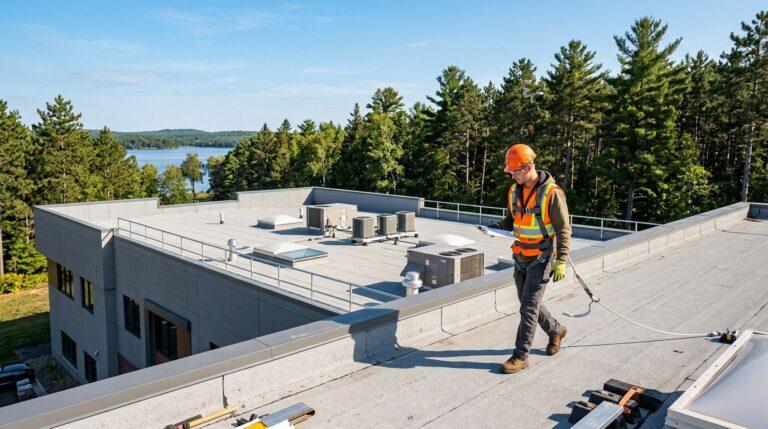
A TPO roofing system is a single-ply roofing membrane made primarily of thermoplastic polyolefin reinforced with polypropylene and ethylene-propylene rubber for enhanced performance. This composition delivers a lightweight, UV-resistant surface that installs quickly and adapts to flat or low-slope roofs. For example, a commercial warehouse can achieve a cooler interior temperature by installing a white TPO membrane that reflects sunlight and minimizes heat gain, laying the groundwork for cost savings and durability discussions.
What Is Thermoplastic Polyolefin (TPO) and Its Role in Roofing?
Thermoplastic polyolefin (TPO) is a blend of polypropylene and ethylene-propylene rubber engineered for roofing membranes that combine heat-weldable seams, UV resistance, and flexibility.
TPO’s polymer chains create a durable film that resists tears and punctures while providing a reflective surface to reduce heat absorption. For instance, in hot climates, TPO membranes maintain interior comfort by reflecting up to 80% of solar radiation, establishing its core role in energy efficiency applications.
How Do Polypropylene and Ethylene-Propylene Rubber Enhance TPO Performance?
Polypropylene lends tensile strength and chemical resistance to TPO, while ethylene-propylene rubber contributes elasticity and thermal stability. These materials form a co-polymer matrix that resists weathering, mold growth, and chemical damage.
In practical terms, a manufacturing plant exposed to chemical fumes benefits from TPO’s chemical resistance and flexibility, preventing membrane cracking during temperature swings and ensuring a longer service life.
What Types of Roofs Are Best Suited for TPO Systems?
TPO systems excel on commercial, industrial, and low-slope flat roofs where wide membrane rolls and heat-welded seams create a monolithic barrier against air and water infiltration. Retail centers, warehouses, and office buildings often choose TPO for its quick installation and minimal structural load. Selecting TPO for a municipal building’s flat roof, for example, reduces installation time by 20% compared to multi-layer built-up roofing, preparing the way for energy efficiency and cost-effectiveness benefits.
How Does TPO Roofing Provide Superior Energy Efficiency?

TPO roofing offers high reflectivity and emissivity properties that reduce heat absorption and lower cooling loads in commercial buildings. Its white or light-colored surface reflects UV rays, minimizing HVAC runtime and utility expenses. Consider a school district upgrading to TPO membranes and cutting annual cooling costs by 30%, illustrating how TPO’s reflective surface directly translates to energy savings and environmental impact.
Energy Efficiency of TPO Roofing
TPO roofing systems are known for their high reflectivity and emissivity, which helps to reduce heat absorption and lower cooling costs in commercial buildings. This can lead to significant energy savings and a reduction in a building’s carbon footprint.
This supports the article’s claims about the energy-saving benefits of TPO roofing.
How Does TPO Reflect Heat and UV Rays to Reduce Cooling Costs?
A TPO membrane’s reflective additives and pigment create a surface that bounces back solar radiation instead of converting it to heat. This mechanism reduces roof surface temperatures by up to 50°F compared to dark membranes, which translates to lower attic and interior temperatures. By reflecting sunlight, a distribution center sees a 25% drop in peak-hour cooling demand, demonstrating TPO’s heat-reflective advantage for energy savings.
What Is Cool Roof Technology and How Does TPO Meet EPA Energy Star Standards?
Cool roof technology uses high solar reflectance and thermal emittance to meet or exceed EPA Energy Star requirements for roofing materials. TPO membranes often achieve an initial Solar Reflectance Index (SRI) above 100, qualifying for cool roof rebates and incentives. A corporate office that installs Energy Star–certified TPO can claim tax credits and reduce annual cooling energy by up to 20%, highlighting how TPO aligns with cool roof standards.
How Does TPO Roofing Lower Energy Bills and Carbon Footprint?
By reflecting heat and reducing HVAC runtime, TPO roofing can lower energy bills by 15–40% and shrink carbon emissions associated with electricity usage. For example, a multi-tenant building switching to TPO saves 18% on annual energy costs, cutting its carbon footprint by over 10 metric tons of CO₂. These savings illustrate how TPO roofing contributes to both operational cost reduction and sustainability goals.
Why Is TPO Roofing Known for Its Durability and Long Lifespan?
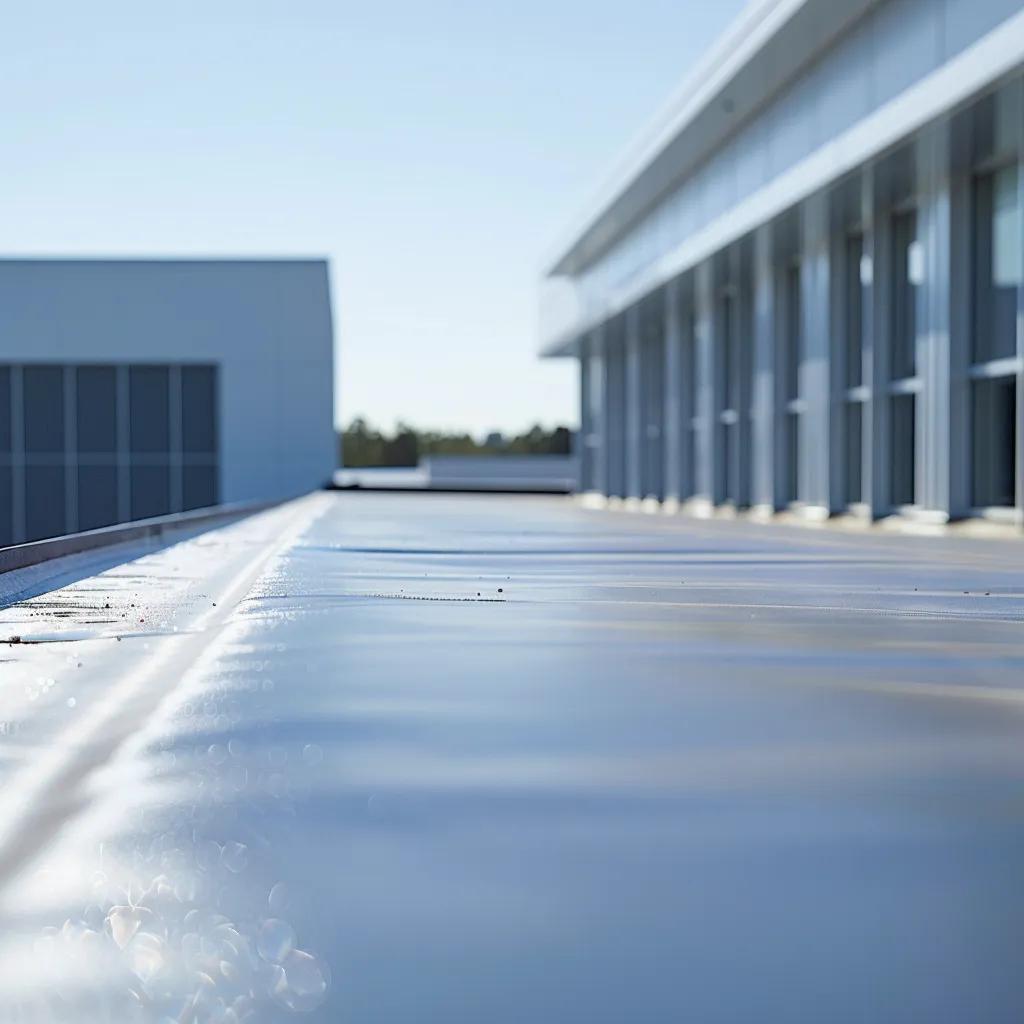
TPO membranes resist tears, punctures, mold growth, and chemical exposure, providing a dependable roofing solution that withstands harsh conditions. The membrane’s robust polymer matrix and heat-welded seams create a continuous barrier that avoids seam failures common in mechanically fastened systems. A retail complex with heavy foot traffic finds that TPO’s durability eliminates frequent patching, setting the stage for maintenance guidelines and lifespan expectations.
Durability and Lifespan of TPO Roofing
TPO membranes are designed to resist various forms of damage, including tears, punctures, mold growth, and chemical exposure. The lifespan of a TPO roof typically ranges from 15 to 30 years, depending on factors such as installation quality, climate, and maintenance practices.
This citation reinforces the article’s discussion on the durability and longevity of TPO roofing systems.
How Does TPO Resist Tears, Punctures, Mold, and Chemical Damage?
TPO’s polymer structure provides high tensile strength and impact resistance, while its non-porous surface inhibits mold and algae growth. Its chemical resistance shields against oils, greases, and mild acids. Warehouse operators handling corrosive materials, for instance, experience fewer membrane failures and lower repair costs, illustrating TPO’s all-round durability.
What Role Do Hot-Air Welded Seams Play in TPO Roof Strength?
Hot-air welded seams fuse adjacent TPO sheets into a single membrane, creating a seam strength that often exceeds the membrane’s tensile strength. This welding process eliminates mechanical fasteners and the associated leak points. A hospital’s flat roof welded on-site achieves a seam strength over 75 lbf/in, reducing water infiltration risks and reinforcing TPO’s longevity.
How Long Does a TPO Roof Typically Last and What Factors Affect Its Lifespan?
A well-installed and maintained TPO roof lasts 15–30 years, with factors like installation quality, local climate, and routine upkeep influencing performance. Proper adhesion, welding technique, and regular inspections can extend service life toward the high end of that range. In Minnesota’s freeze-thaw cycles, for example, vigilant maintenance pushes TPO lifespan beyond 25 years, underscoring the importance of care.
How Does Thermal Expansion and Contraction Affect TPO Flexibility?
TPO’s rubber content allows the membrane to expand and contract with temperature changes without cracking. This flexibility absorbs building movement and thermal shifts, preventing seam stress and buckling. For a rooftop HVAC unit exposed to daily temperature swings, a flexible TPO roof maintains integrity rather than splitting, preparing owners for cost-effectiveness comparisons.
What Makes TPO Roofing Cost-Effective Compared to Other Materials?
TPO roofing systems combine low material costs with labor-saving installation and long-term energy savings, offering a competitive total cost of ownership. Compared to PVC and EPDM, TPO generally costs 25–35% less per square foot upfront. A manufacturing facility replacing its EPDM with TPO reduces initial outlay by 30% and saves on energy expenses, bridging us to an EAV comparison of material and labor costs.
Cost-Effectiveness of TPO Roofing
TPO roofing systems are often more cost-effective than other roofing materials due to lower material costs, labor-saving installation methods, and long-term energy savings. The initial cost of TPO is generally lower than PVC and EPDM, and the energy savings can help to offset the initial investment over time.
This citation supports the article’s claims about the cost-effectiveness of TPO roofing compared to other materials.
How Does TPO Compare to PVC and EPDM in Material and Installation Costs?
Before reviewing long-term value, consider this EAV table comparing TPO, PVC, and EPDM:
What Installation Methods Are Used for TPO Roofing and How Do They Save Labor?
TPO membranes can be fully adhered, mechanically fastened, or ballasted, with hot-air welding eliminating seam tapes and solvents. Wide rolls cover more area with fewer seams, reducing labor time by up to 20%. When a warehouse switches from EPDM to mechanically fastened TPO, crew installation time drops by 15%, demonstrating TPO’s labor efficiency.
How Do Long-Term Energy Savings and Maintenance Reduce Overall Costs?
Lower cooling bills and minimal repair requirements deliver ongoing savings that outweigh marginal material price differences. Over a 20-year period, a commercial property may recoup the entire TPO investment through 30% energy reductions and fewer membrane repairs. These long-term benefits prove that TPO’s total cost of ownership is lower than alternative single-ply systems.
How Should Property Owners Maintain and Repair TPO Roofing Systems?
Routine inspections, cleaning, and prompt repairs keep TPO roofs performing at peak efficiency and extend their service life. A preventive maintenance plan addresses potential failures before they escalate, ensuring warranties remain valid and reducing downtime. Implementing these practices leads directly into common TPO roofing problems and their solutions.
What Are the Best Practices for Routine TPO Roof Inspections and Cleaning?
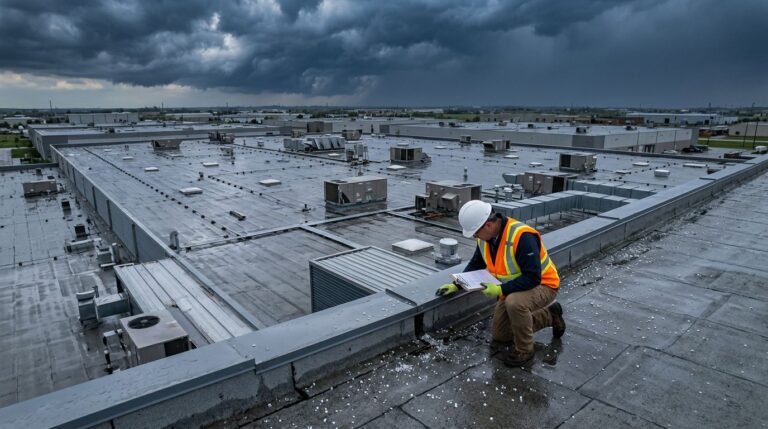
Conduct biannual inspections and after severe weather events, focusing on seams, flashings, and penetrations. Clean debris and loose gravel, and wash the membrane with mild detergent and low-pressure water. A retail center following this schedule avoids 90% of common leaks, demonstrating the importance of regular roof care.
What Common Problems Affect TPO Roofs and How Are They Repaired?
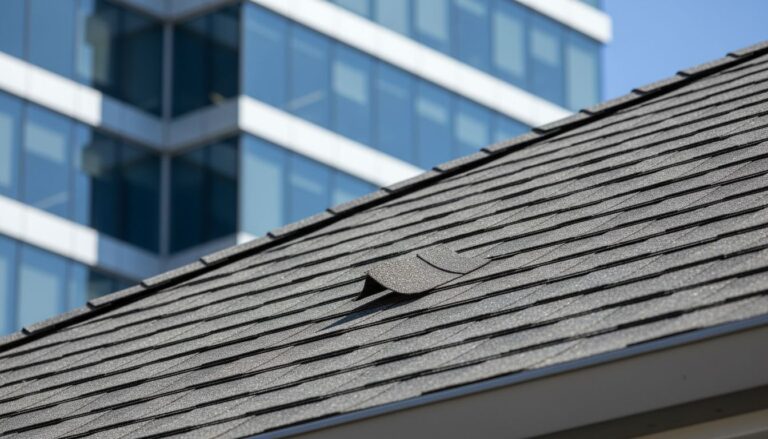
TPO roofs may experience seam failures, punctures, shrinkage, or membrane abrasion. Here’s a problem-solution EAV table:
How Can Preventative Maintenance Extend the Life of a TPO Roof?
Ensuring proper drainage, minimizing rooftop foot traffic, and keeping mechanical units stable prevents stress on the membrane. Installing walkway pads and scuppers and trimming overhanging branches all limit damage. A logistics facility that implements these measures extends its TPO roof life by 20%, reinforcing the value of proactive upkeep.
How Does TPO Roofing Support Environmental Sustainability?
TPO membranes are recyclable, free of chlorine and halogens, and contribute to reduced energy consumption—making them an eco-friendly roofing choice. By diverting old membranes from landfills and lowering building energy use, TPO aligns with sustainability goals. These attributes segue into detailed environmental comparisons and benefits.
Why Is TPO Considered an Eco-Friendly and Recyclable Roofing Material?
TPO consists of polypropylene and ethylene-propylene rubber without chlorine, PVC, or harmful halogens, allowing full recyclability at end-of-life. Recycling centers repurpose TPO scrap into plastic components, reducing landfill waste. A municipal building replacing its PVC roof with TPO recycles 95% of old membrane, showcasing TPO’s green credentials.
How Does TPO Roofing Reduce Carbon Footprint and Energy Consumption?
High reflectivity lowers building temperatures, cutting HVAC energy use and associated carbon emissions by up to 40%. Life-cycle analyses show TPO’s manufacturing process requires less energy than asphalt-based membranes. For instance, an office park switching to TPO reduces its annual CO₂ output by 12 metric tons, illustrating direct environmental impact.
How Does TPO Compare to Other Sustainable Roofing Options?
Compared to metal roofs and vegetative green roofs, TPO offers a lower embodied energy and simpler end-of-life recycling. While green roofs sequester carbon through plants, TPO delivers immediate cool roof benefits without additional structural load. A university campus finds TPO achieves cool roof rebates at half the installation cost of a green roof, highlighting TPO’s strategic sustainability advantages.
What Are the Key Differences Between TPO, EPDM, and PVC Roofing Systems?
Comparing single-ply membranes on composition, performance, and cost reveals trade-offs that guide material selection. TPO’s balance of energy efficiency, durability, and affordability often makes it the preferred option for many applications. This comparison closes with guidance on choosing the best system for specific needs.
How Do Material Compositions Differ Among TPO, EPDM, and PVC?
TPO uses polypropylene and ethylene-propylene rubber, EPDM is an ethylene-propylene diene monomer rubber, and PVC contains polyvinyl chloride with plasticizers. Each material’s chemical makeup influences flexibility, seam welding, and weather resistance. A manufacturing plant compares these compositions to match chemical exposure resistance, underscoring material selection considerations.
How Do Durability, Energy Efficiency, and Fire Resistance Compare?
What Are the Cost and Installation Differences Between These Roofing Types?
TPO generally offers the lowest material cost and fastest welding installation, EPDM uses adhesive or tapes that extend labor time, and PVC requires solvent welding and is typically 25–35% more expensive than TPO. A distribution center choosing TPO saves on both material and labor, highlighting TPO’s cost-effective installation.
Which Roofing System Is Best for Specific Applications?
- For energy-sensitive buildings: TPO’s cool roof properties make it ideal for warehouses and retail centers.
- For chemical processing plants: PVC’s chemical resistance may be preferred.
- For extreme weather regions: EPDM’s proven track record and flexibility excel in freeze-thaw cycles.
Selecting the optimal system depends on project priorities, guiding owners toward an informed decision.
What Are the Common Questions About TPO Roofing Systems?
Understanding TPO’s advantages and limitations helps property owners weigh options. Addressing key concerns about performance, lifespan, suitability, and sustainability clarifies why TPO stands out. These insights prepare you for contractor selection and project planning.
What Are the Main Advantages and Disadvantages of TPO Roofing?
TPO Advantages include high energy efficiency, tear and puncture resistance, low material cost, and weldable seams. Disadvantages can involve membrane shrinkage in extreme UV exposure and the need for trained installers. Balancing these factors helps determine if TPO fits a specific project.
How Long Does a TPO Roof Last Under Minnesota Climate Conditions?
In Minnesota’s freeze-thaw cycles, a properly installed TPO roof typically endures 20–30 years. Factors such as seam quality, membrane thickness, and regular maintenance drive performance. Many local commercial buildings achieve over 25 years of service, demonstrating TPO’s suitability for northern climates.
Is TPO Roofing a Good Choice for Commercial and Residential Properties?
Yes, TPO excels on commercial flat and low-slope roofs thanks to its quick installation and energy-saving properties. While less common on steep residential roofs, custom systems can integrate TPO on covered porches or additions. This flexibility broadens TPO’s applicability across property types.
How Environmentally Friendly Is TPO Compared to Other Roofing Materials?
TPO outperforms asphalt built-up roofs and conventional EPDM in recyclability and reflects more solar radiation than PVC with fewer chemical additives. Its lower embodied energy and full recyclability position TPO as one of the most sustainable membrane options available.
How Can You Choose the Right TPO Roofing Contractor for Your Project?
Selecting an experienced TPO installer ensures membrane integrity, maximizes warranty coverage, and avoids costly mistakes. Look for certified professionals, local climate expertise, and a track record of successful projects—qualities exemplified by Roofing Experts St. Paul and our specialized team serving the Wayzata area.
What Should You Look for in a TPO Roofing Installation Expert?
Choose contractors with factory certification in TPO welding, extensive commercial roofing experience, and verifiable references. Inspect their portfolio for projects similar to yours and confirm they carry proper insurance. This vetting safeguards installation quality and warranty validity.
How Does Local Climate Influence TPO Roofing Choices in St. Paul?
St. Paul’s temperature extremes and snowfall require right-sized membrane thickness and precise seam welding to prevent shrinkage and ice-dam issues. Contractors familiar with Minnesota building codes and seasonal challenges optimize membrane selection and installation timing for lasting performance.
What Are the Benefits of Hiring a Certified TPO Roofing Contractor?
Certified installers guarantee proper hot-air welding techniques, adhere to manufacturer specifications, and offer extended warranties. Working with Roofing Experts St. Paul ensures your TPO system meets all quality standards, reduces risk of premature failures, and delivers the long-term value you expect.
Learn about our local expertise and schedule a consultation for TPO roofing services in Wayzata, MN on our Roofing Services in Wayzata, MN – Roofing Experts St. Paul page.
A TPO roofing system combines energy efficiency, durability, cost-effectiveness, and sustainability in one membrane solution. By understanding material composition, performance attributes, and maintenance best practices, property owners can make informed decisions that align with their operational and environmental goals.
Partnering with certified experts ensures seamless installation, maximizes lifespan, and protects your investment. Embrace TPO roofing for lower energy bills, reduced carbon footprint, and enduring roof performance—request your consultation today with Roofing Experts St. Paul.
Need a roof inspection in Saint Paul or the Twin Cities? Call Sellers Roofing Company at +1-651-703-2336 or schedule a free estimate. We are a black-owned, NMSDC-certified MBE roofing contractor with 9+ years experience.