Last updated: 2026-08-01 by Ted Sellers, Owner
To vet a roofing contractor, check credentials first, especially given the harsh Minnesota weather, then verify insurance in writing, then pressure-test their reputation with detailed reviews and real references. For commercial buildings in Minnesota, licensing can be confusing, so confirm local requirements and ask who will pull permits. Finally, watch for red flags like vague bids, rushed deposits, and “we found storm damage” pitches that skip documentation.
When This Applies
You should vet harder when risk is high
This applies to commercial business owners in Minneapolis, Saint Paul, and the surrounding metro who can’t afford a bad roofing decision without a solid vetting process. A roof project isn’t just materials and labor; it’s downtime, tenant complaints, inventory damage, and liability if someone gets hurt.
Vet carefully if any of these are true: you’re approving a large repair budget, your roof is low-slope, you’ve had repeat leaks, or your commercial roof needs repair but you’re not sure why. This is also the right approach if you’re weighing commercial flat roof repair versus a larger scope like roof replacement. The contractor you choose should be able to explain the tradeoffs clearly, not just sell the biggest job.
When a lighter check can be reasonable
If it’s a small, low-risk service call (like replacing a few damaged pipe boots on an otherwise healthy roof), you may not need a weeks-long screening process. You still need basic protection, especially insurance.
Key exception for commercial work in Minnesota
Minnesota’s licensing rules don’t work like people assume. There isn’t a single state “commercial roofer license” that automatically proves quality. That’s why you should confirm the contractor’s standing, local permitting plan (vital given Minnesota weather), and insurance paperwork instead of relying on a logo on a truck. The Minnesota Department of Labor and Industry’s own tips for hiring a contractor are a good baseline for what to ask and what to get in writing.
Step-by-Step
Credentials and accountability (before you talk price)
- Ask who is legally responsible for the job. Get the exact business name, address, and who the “qualifying person” is (the one tied to licensing and oversight). Request the roofing contractor’s contractor license number. If the salesperson can’t tell you, that’s a problem.
- Confirm licensing and registration that apply to your project. For mixed-use properties, or buildings with residential components, ask what license the roofing contractor holds and whether subcontractors are registered. If you want a quick framework for how cities think about contractor responsibility, review this local consumer guide to hiring a building contractor.
- Ask who pulls permits and schedules inspections. The correct answer is usually, “We do.” If they push that onto you, it can be a sign they don’t work your side of the river often, or they’re trying to avoid scrutiny on building codes compliance.
Insurance verification (don’t accept “we’re covered”)
- Request a current Certificate of Insurance sent directly from their agent as proof of insurance. You want general liability insurance and workers’ compensation. Don’t accept a screenshot or an expired PDF forwarded from a personal email.
- Match the COI to your project realities. Confirm the coverage dates, the named insured matches the contract, and the policy types fit commercial work, including general liability insurance. If your building has tenants or public foot traffic, ask about limits that make sense for that exposure, not bare-minimum coverage.
- Clarify who’s on the roof. If they use subs, ask how those crews are insured. “They’re their own company” isn’t an answer. You need to know if you’re exposed if someone gets injured, or if property damage happens.
Reviews, references, and reputation you can trust
- Check online reviews like an investigator, not a shopper. Look for patterns: repeated mentions of clean-up, communication, leak follow-up, and honoring warranties. A few angry reviews aren’t always a deal-breaker, but the responses matter. For a broader approach to screening roofing contractors in this area, see Consumers’ Checkbook guidance on finding a reliable roofer.
- Ask for three local references that match your building type. If you own a warehouse, ask for warehouses. If you have a restaurant, ask for grease-duct and rooftop penetration experience. Review their project portfolio, then call and ask two questions: “Did the final invoice match the proposal?” and “How did they handle surprises?”
- Require a scope you can audit. A good proposal reads like a recipe, not a postcard. It should list the system, insulation, attachment method, flashing details, drains, protection of HVAC units, workmanship warranty, manufacturer warranty, and details like attic ventilation or asphalt shingles if residential components are involved. If you’re comparing bids for a large project from roofing contractors, it helps to benchmark scope against a clear commercial service menu like a Saint Paul commercial roofing company page that spells out replacement, repairs, and code-related work in plain terms.
Contract and pricing checks that prevent ugly surprises
- Treat a vague written estimate as a hidden-cost estimate. If the proposal doesn’t name the membrane type, thickness, or how they’ll handle wet insulation, you’re not comparing apples to apples.
- Control deposits and change orders. A reasonable deposit outlined in a payment schedule is normal, a demand for a large upfront payment is not. Require written change orders with unit pricing before extra work starts.
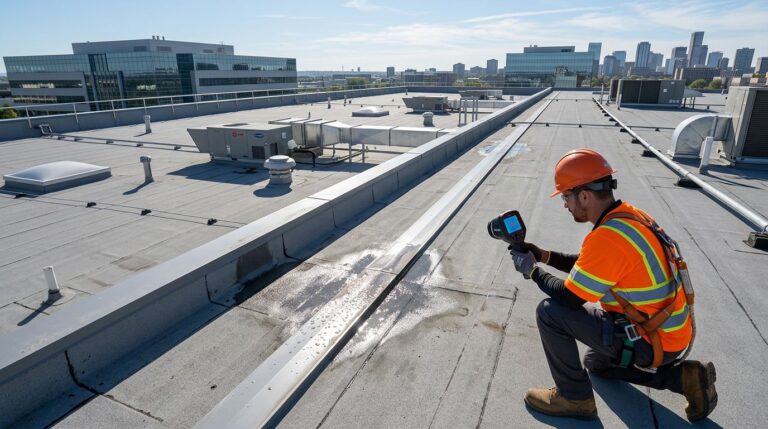
- Make leak diagnosis its own line item when needed. If a contractor jumps straight to tearing off sections without proving the source, you can spend money and still have water inside. When the symptoms don’t match the obvious damage, consider documented troubleshooting like commercial roof leak detection in Saint Paul before you approve major repairs.
FAQs
What’s the biggest red flag when a roofer inspects my building?
Red flags like high-pressure sales tactics paired with low detail. If they push you to sign a “today only” deal, won’t give you a written scope, or dodge insurance and permit questions, walk away. Other red flags include vague promises without proof.
Storm chasers warning sign
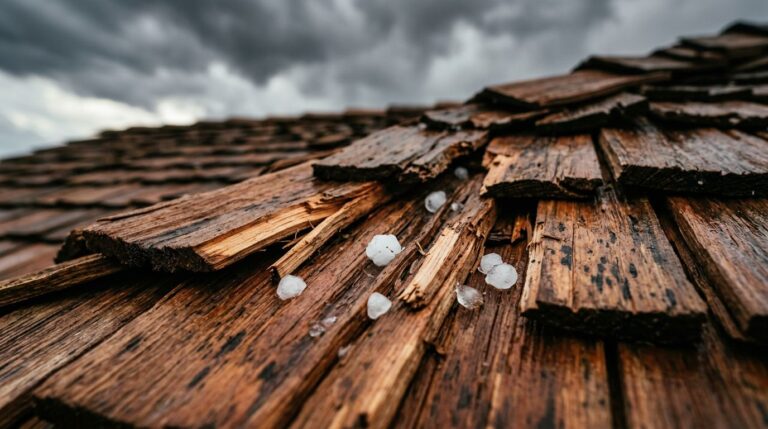
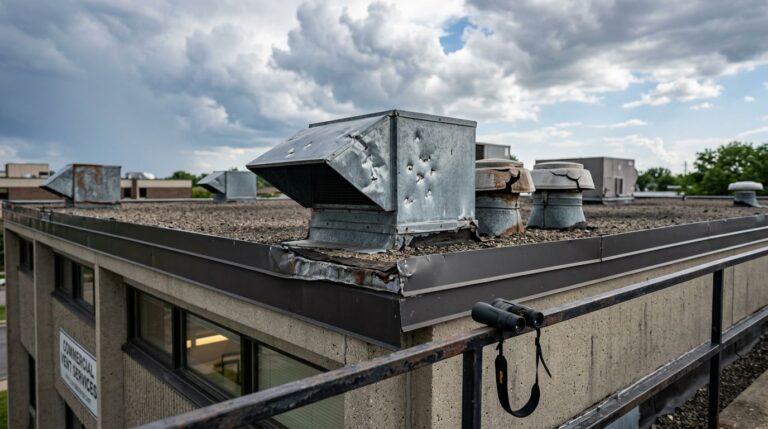
If they “found damage” but won’t show photos, test cuts (when appropriate), or a clear map of impacted areas, they’re selling a story, not a solution.
What if two bids are thousands apart, but both look legit?
Assume the scopes are different until proven otherwise. One may include wet insulation removal, new tapered insulation for drainage, or full flashing replacement, while the other quietly excludes it. Ask each contractor to list exclusions and unit prices for common add-ons, then re-compare. Check the Better Business Bureau to verify the history of both companies, and review their Better Business Bureau profiles for complaints and ratings.
How do I know whether I need commercial flat roof repair or commercial roof replacement?
Start with age, leak history, and how widespread moisture is. One isolated puncture or flashing failure often points to roof repair. Repeated leaks in different areas, saturated insulation, or failing seams across large sections often points toward roof replacement. The right contractor should explain why, with evidence.
What should I do if my commercial roof needs repair during winter?
Ask about temporary stabilization first (safe access, snow and ice risk controls for issues like ice dams, and interior protection). Some permanent installs are weather-dependent, so a responsible contractor may stage a short-term fix, then schedule full work when conditions allow.
Documentation matters more in winter
Photos, moisture readings, and a clear “temporary vs permanent” plan prevent disputes later.
If a roofer says insurance will “cover everything,” should I trust it?
No one can promise that. A contractor can help document damage and meet an adjuster, but coverage depends on your policy, the cause of loss, and timelines. Always require a written estimate and proof of insurance before work starts. Treat guaranteed coverage claims like you’d treat a “free roof” billboard, it’s usually a sales tactic.
Hiring a Twin Cities roofing contractor shouldn’t feel like rolling dice. Get proof of responsibility, verify insurance from the source, and demand a scope that’s detailed enough to challenge. When the paperwork is solid, the reviews are consistent, and the bid is specific from a trusted roofing contractor, you’re far more likely to end up with a roof you don’t have to think about, which is the best outcome for any business owner.
Need a roof inspection in Saint Paul or the Twin Cities? Call Sellers Roofing Company at +1-651-703-2336 or schedule a free estimate. We are a black-owned, NMSDC-certified MBE roofing contractor with 9+ years experience.