Last updated: 2026-05-26 by Ted Sellers, Owner
Table Of Contents:
- EPDM Roofing: Analyzing the Environmental Impact
- What Is EPDM Roofing and Why Is It Considered Environmentally Friendly?
- How Does the Production Process of EPDM Roofing Affect the Environment?
- What Is the Lifecycle Environmental Impact of EPDM Roofing?
- How Does EPDM Roofing Contribute to Energy Efficiency and Carbon Footprint Reduction?
- What Are the Environmental Challenges and Criticisms of EPDM Roofing?
- How Do EPDM Roofing Installation and Maintenance Affect Environmental Sustainability?
- Why Choose EPDM Roofing for Sustainable Building Projects?
- Frequently Asked Questions
- Final Thoughts
EPDM Roofing: Analyzing the Environmental Impact
EPDM roofing has increasingly become a popular option for both commercial and residential projects due to its durability, energy efficiency, and environmentally friendly properties.
As a specialist in roofing services with years of experience in commercial roof replacements, hail damage repair, and full roof replacements in the Minneapolis-Saint Paul area, I have observed firsthand how EPDM roofing sets itself apart from traditional materials.
This article delves into the environmental aspects of EPDM roofing, examining its production process, lifecycle impact, energy efficiency, and associated challenges. In today’s market, where sustainability and green building are key, understanding these factors is essential for homeowners and business owners alike.
The environmental impact of a roofing system goes beyond the initial installation cost. It encompasses raw material extraction, manufacturing emissions, installation practices, long-term durability in reducing waste, and recycling possibilities at the end of its lifespan.
EPDM—the synthetic rubber roofing membrane known for its excellent resistance to ultraviolet (UV) rays, extreme weather, and chemical exposure—has been praised for its functional performance and relatively low ecological footprint. In this article, I explore various facets of EPDM roofing through a detailed, question-based structure.
Each section addresses critical concerns such as comparative environmental benefits, raw material use, energy consumption, and impacts on urban heat islands.
Our analysis centers on the key features that make EPDM roofing a sustainable option. From its high life expectancy to its capacity for energy savings through superior insulation, EPDM directly helps lower building energy consumption and greenhouse gas emissions. I also address concerns regarding toxic chemicals associated with EPDM and suggest eco-friendly installation and maintenance techniques that further enhance its appeal.
By the end of this article, you will gain an actionable understanding of EPDM roofing’s role in sustainable architecture and insights into how its production and lifecycle influence the environment. Whether you are planning to replace a flat roof on a commercial building or seeking an environmentally friendly option for your home, this discussion serves as a guide for making an informed decision regarding EPDM roofing.
Transitioning into the core content, let us now examine what EPDM roofing is and why it is increasingly regarded as an environmentally friendly option.
What Is EPDM Roofing and Why Is It Considered Environmentally Friendly?
EPDM stands for ethylene propylene diene monomer; a type of synthetic rubber used in roofing applications. In this section, I answer the central question: What makes EPDM an environmentally desirable choice? EPDM roofing is renowned for its long lifespan—often exceeding 50 years—which reduces the frequency of roof replacements and waste generation.
Its manufacture requires less energy compared to traditional roofing materials such as bitumen-based systems. Furthermore, EPDM is highly reflective, reducing heat absorption, air conditioning needs, and associated carbon emissions.
What Is EPDM and How Is It Used in Roofing?
EPDM is a flexible, durable roofing membrane used on residential flat roofs and large commercial installations. It is typically installed as a single-ply membrane that is either fully adhered or mechanically fastened over a substrate. Its elasticity allows it to accommodate building movement and temperature fluctuations without cracking, making it ideal for extreme weather. Additionally, EPDM is resistant to UV rays and ozone degradation, ensuring its protective qualities endure over decades.
In practical terms, installing EPDM involves rolling out the membrane, sealing seams with specially formulated adhesives, and reinforcing edges with a high-strength sealant. Its water-tight properties prevent leaks and moisture penetration, reducing the risk of structural damage and energy loss. With minimal maintenance required, EPDM roofs maintain their integrity over long periods, reducing both repair costs and environmental impact.
What Are the Key Environmental Benefits of EPDM Roofing?
The primary benefits of EPDM roofing include energy efficiency and longevity. Its light color, available in white or gray, reflects more sunlight than darker roofs, mitigating the urban heat island effect. This leads to lower cooling loads and reduced energy consumption, directly decreasing greenhouse gas emissions from power plants.
Additionally, EPDM’s long service life means fewer replacements and less roofing waste. It requires fewer raw materials compared to some alternatives, and with advances in recycling, EPDM membranes can be repurposed at the end of their lifespan to further minimize landfill waste and promote a circular economy.
How Does EPDM Compare to Traditional Roofing Materials?
Compared to traditional materials such as asphalt shingles, metal, and bitumen, EPDM exhibits better environmental performance. Asphalt shingles have a shorter lifespan and contribute more to solid waste, while metal roofs require energy-intensive manufacturing processes and may be less efficient in hot climates unless coated with reflective finishes.
Bitumen-based systems release volatile organic compounds (VOCs) during production and installation. In contrast, EPDM has a lower global warming potential due to its moderate energy consumption in manufacturing, extended lifespan, and reduced maintenance requirements. Its minimal environmental footprint aligns well with sustainable architecture goals embraced by green building certification systems.
How Does the Production Process of EPDM Roofing Affect the Environment?
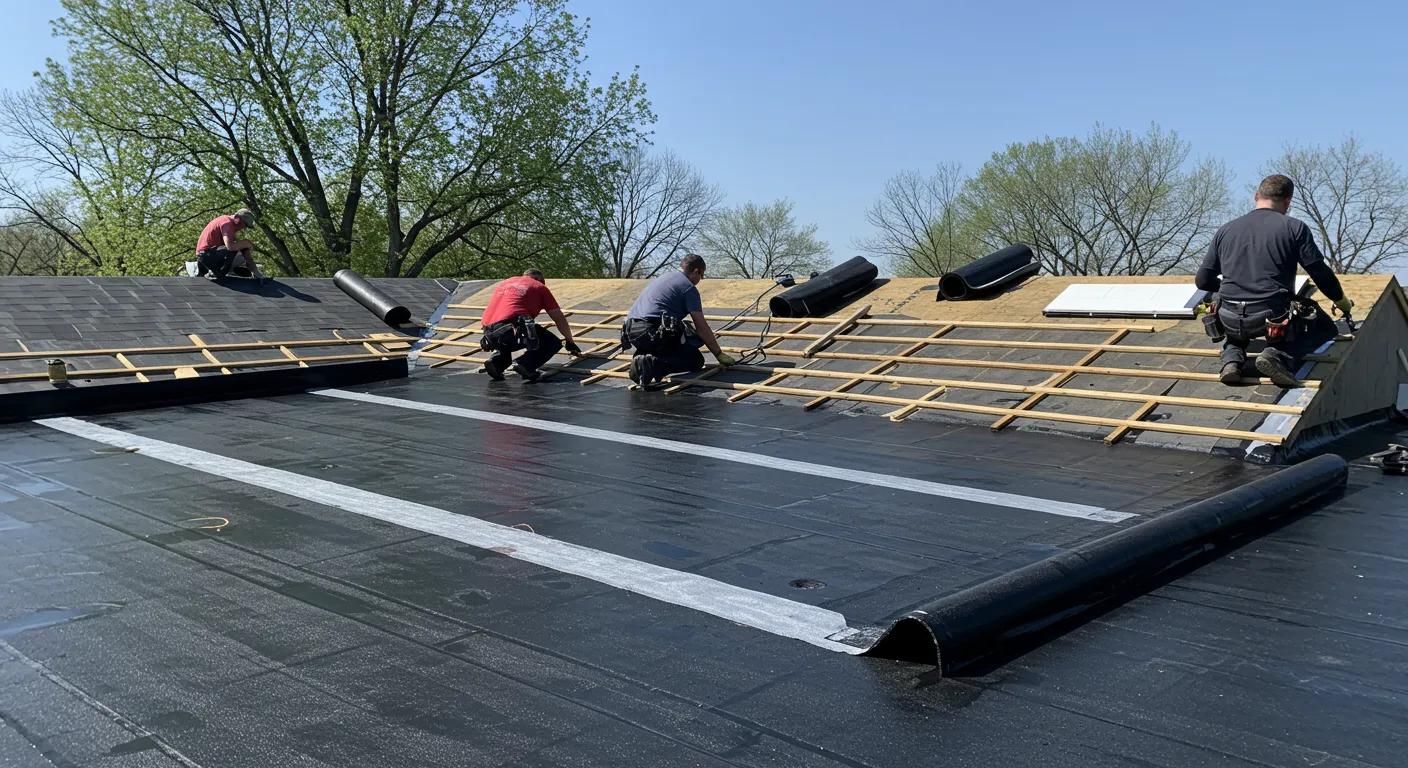
The production process of EPDM roofing is crucial to understanding its environmental impact. By examining raw materials, energy consumption, and sustainable practices, we can assess how EPDM supports eco-friendly building practices.
What Raw Materials Are Used in EPDM Roofing Production?
EPDM roofing is primarily composed of ethylene, propylene, and a diene that provides reactive sites for vulcanization. Although these monomers are derived from petrochemicals, modern manufacturing minimizes waste and emissions.
Manufacturers increasingly adopt processes that reduce harmful additives by replacing them with low-toxicity alternatives. Moreover, recycled materials are often incorporated to lower the demand for virgin petrochemicals. This reduces overall raw material consumption and aligns with sustainable practices.
A detailed list of the primary raw materials includes:
- Ethylene Monomer – Derived from natural gas or crude oil; used efficiently to minimize resource depletion.
- Propylene Monomer – Enhances durability and energy efficiency by creating a balanced polymer network.
- Diene Compound – Provides reactive sites essential for curing while maintaining a low environmental burden.
- Fillers and Additives – Such as carbon black and UV inhibitors, with modern formulations emphasizing non-toxic compounds.
- Recycled EPDM – Integrated into new blends to mitigate waste.
- Adhesives and Sealants – Reformulated to reduce harmful emissions while ensuring strong bonding.
- Process Catalysts – Used in controlled amounts and often recyclable within the production cycle.
What Is the Energy Consumption and Emissions Profile of EPDM Manufacturing?
The energy required for EPDM manufacturing is considerably lower than for many traditional roofing systems. Advanced facilities use streamlined processes and heat recovery systems to capture and reuse energy, thereby reducing emissions.
Improved chemical formulations and stricter regulatory adherence have also minimized VOC and pollutant emissions. Overall, the carbon footprint of producing EPDM is lower in terms of CO₂ equivalent per square meter, making it attractive for building owners concerned about global warming potential.
Are There Sustainable Practices in EPDM Production?
Sustainable practices in EPDM production continue to evolve. Manufacturers focus on recycling process water, reusing production scrap, implementing zero-waste policies, and investing in technologies that lower energy consumption and raw material waste.
Certification programs and audits further ensure that eco-friendly practices are maintained, reducing contributions to climate change and enhancing resource efficiency.
A comprehensive table illustrating key production metrics is provided below:
This table and discussion underscore the efficiency of EPDM in energy usage and sustainability, illustrating that while no building material is entirely impact-free, EPDM provides a balanced solution for reducing both immediate and long-term ecological footprints.
What Is the Lifecycle Environmental Impact of EPDM Roofing?
Evaluating the lifecycle environmental impact of EPDM involves examining its durability, recyclability, and waste management practices over its extensive lifetime. With its impressive longevity, an EPDM roof can significantly mitigate environmental harms typically associated with frequent replacements.
How Durable Is EPDM Roofing and How Does Longevity Reduce Environmental Harm?
EPDM roofing is known for its long service life, which can exceed 50 years with proper maintenance. This durability reduces the environmental impact by requiring fewer replacements, thereby saving resources and lowering waste. Compared to traditional materials that may need replacing every 15 to 20 years, EPDM’s extended lifespan means less waste accumulates in landfills. Its resistance to extreme weather, UV exposure, ozone, and chemicals minimizes maintenance needs and further reduces environmental disruption.
For clarity, here is a detailed list of durability benefits:
- Extended Lifespan – Lasts 50+ years, reducing replacement frequency and associated waste.
- Resistance to UV Radiation – Maintains integrity under continuous sunlight.
- Weatherproofing Excellence – Handles extreme conditions with fewer repair interventions.
- Low Maintenance Requirements – Minimizes repair frequency and overall waste.
- Chemical Resistance – Inert properties prevent leaching of harmful substances.
- Thermal Stability – Consistent performance across temperature ranges supports energy savings.
- Structural Integrity – Flexibility accommodates building movement without compromising durability.
These features demonstrate that long lifespan not only improves cost-effectiveness but also offers significant environmental benefits through resource conservation.
Can EPDM Roofing Be Recycled or Reused?
At the end of its lifecycle, EPDM roofing can be recycled into new products, such as roofing underlayments or paving materials. Although recycling infrastructure for EPDM is still developing compared to that for metals, continuous improvements are making recycling more feasible. Industry initiatives advocate proper EPDM disposal to ensure its environmental benefits extend beyond active use.
What Are the Waste and Disposal Considerations for EPDM Roofing?
When replacement is necessary, EPDM produces significantly less waste due to its durability. Contractors following recommended disposal practices can further minimize environmental impacts. Separating the EPDM membrane from other components and adhering to local recycling guidelines help conserve landfill space and enable material repurposing. As waste management regulations become stricter, best practices for EPDM disposal will only become more important.
A table summarizing lifecycle impacts is provided below:
This table reinforces that EPDM roofing’s environmental footprint is well-distributed over its lifecycle compared to many conventional materials.
How Does EPDM Roofing Contribute to Energy Efficiency and Carbon Footprint Reduction?
Energy efficiency is one of the strongest selling points of EPDM roofing. By reducing energy consumption and minimizing carbon emissions over a building’s lifespan, EPDM supports sustainable construction practices.
How Does EPDM Roofing Improve Building Insulation and Energy Savings?
EPDM membranes provide excellent insulation due to their inherent properties. The thermally reflective surface repels solar radiation, keeping buildings cooler and reducing cooling loads. Combined with low thermal conductivity, this results in significant energy savings.
When installed on flat or low-slope roofs, EPDM minimizes heat transfer into the building, reducing the energy required for cooling and leading to a consistent indoor temperature that decreases strain on HVAC systems.
A detailed list of energy-saving advantages includes:
- High Reflectivity – Light color reflects solar energy, reducing heat absorption.
- Improved Thermal Resistance – Limits heat transfer from the roof into the interior.
- Reduced Cooling Loads – Less reliance on air conditioning cuts energy costs.
- Uniform Temperature Regulation – Stabilizes indoor temperatures and enhances efficiency.
- Enhanced Occupant Comfort – Consistent temperatures support a healthier environment.
- Durability in Extreme Weather – Stability in various climates ensures long-term energy savings.
- Synergy with Green Systems – Integrates well with solar panels and cool roof coatings.
What Role Does EPDM Play in Reducing Urban Heat Island Effect?
EPDM roofing helps mitigate the urban heat island effect through its reflective surface, which sends a significant portion of solar radiation back into the atmosphere instead of converting it into heat. This can lower rooftop temperatures by as much as 30°F compared to darker roofs, reducing ambient temperatures and thereby lowering the energy needed for cooling in urban areas.
How Does EPDM Roofing Impact Carbon Emissions Over Time?
The energy savings from improved insulation and reduced urban heat island effect lead to fewer fossil fuel-powered energy demands. Over an EPDM roof’s lifespan, reduced cooling and heating requirements result in a measurable decrease in greenhouse gas emissions. Overall, the carbon emissions associated with EPDM are considerably lower than those from conventional roofing systems.
An additional table comparing energy efficiency metrics among various roofing materials is shown below:
This table clearly demonstrates that EPDM roofing excels in longevity and energy efficiency while providing notable carbon emissions reduction compared to traditional options.
What Are the Environmental Challenges and Criticisms of EPDM Roofing?
Despite its many advantages, EPDM roofing also faces potential drawbacks and criticisms. While it offers superior durability, ease of maintenance, and energy savings, some environmental challenges must be addressed.
Are There Toxic Chemicals or Pollutants Associated With EPDM?
A common concern is the use of toxic chemicals during EPDM production via vulcanization. Although manufacturers have reduced harmful volatile organic compounds (VOCs) and pollutants by modernizing production processes, some chemical footprint remains. It is essential that buyers verify their supplier’s adherence to environmental certifications and sustainability practices to minimize off-gassing of hazardous materials.
What Are the Limitations of EPDM in Sustainable Roofing?
EPDM’s reliance on petrochemical raw materials, which are non-renewable, is a key limitation. Although its overall environmental impact is lower during its lifecycle, production still contributes to fossil fuel consumption.
Additionally, while recycling options for EPDM are improving, they are not yet as widespread or efficient as desired. Compatibility issues when overlaying EPDM onto existing roofs can also arise, and improper installation or low-quality adhesives may compromise its performance, leading to increased maintenance.
How Can Environmental Risks Be Mitigated in EPDM Use?
Mitigating these risks involves several strategies: 1. Adhering to Manufacturer Specifications – Following installation guidelines minimizes premature degradation. 2. Using Eco-friendly Adhesives – Low-VOC adhesives help reduce harmful emissions. 3. Engaging Certified Installers – Professionals trained in sustainable techniques ensure proper application. 4. Implementing Regular Maintenance – Routine inspections help detect issues early. 5. Supporting Recycling Initiatives – Participation in recycling programs reduces post-use waste. 6. Investing in Research – Developing bio-based alternatives can lessen petrochemical dependence. 7. Conducting Life Cycle Assessments – Regular analysis of the system’s impact can identify improvements.
These methods together help manage the environmental challenges of EPDM roofing effectively.
How Do EPDM Roofing Installation and Maintenance Affect Environmental Sustainability?
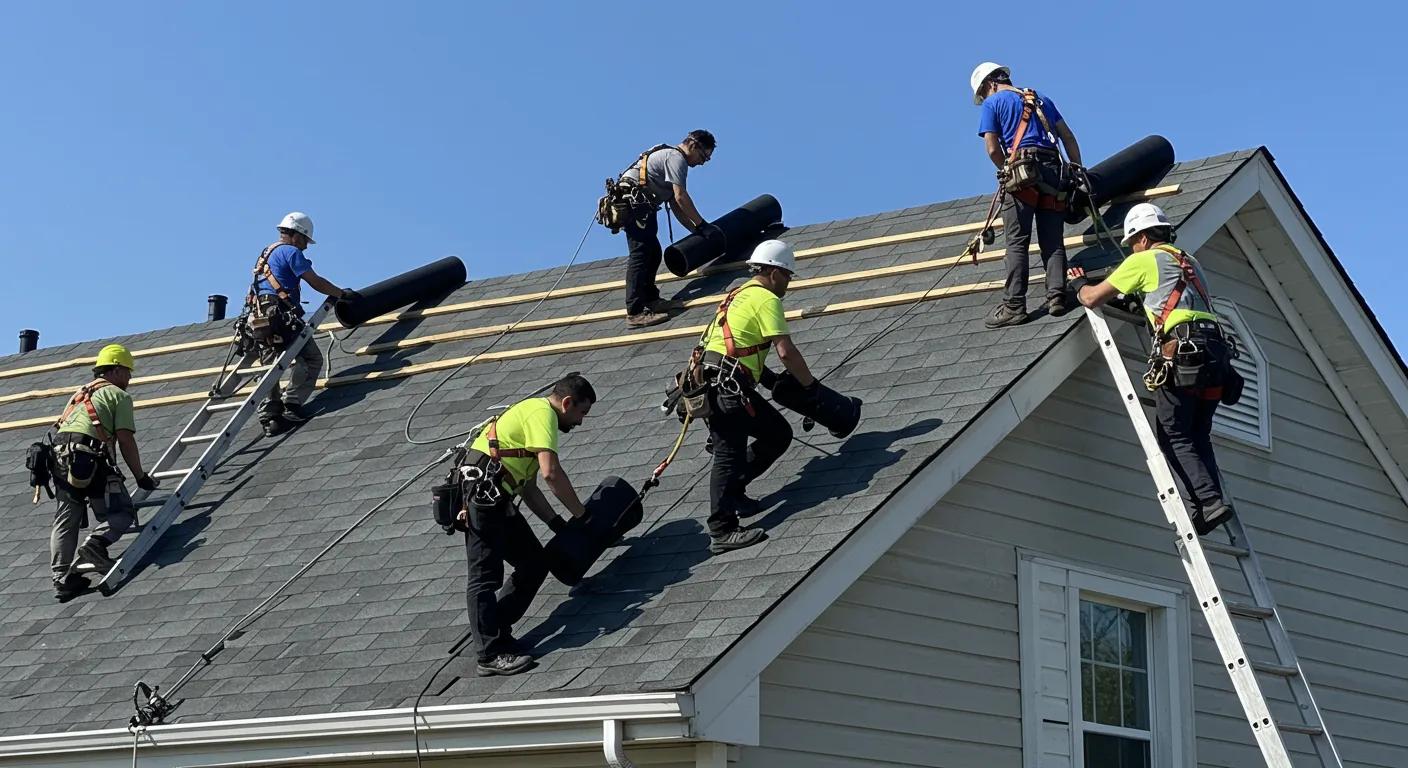
The installation and maintenance of EPDM roofing significantly affect its overall sustainability. Eco-friendly practices during these stages can enhance its environmental benefits, while poor installation can diminish them.
What Are the Environmental Impacts of EPDM Installation?
During installation, proper waste management and the use of low-emission materials are critical. EPDM requires precise techniques, such as heat welding and the use of eco-friendly adhesives, to form a strong, watertight bond. Its lightweight nature reduces fuel consumption during transportation, and streamlined installation minimizes on-site disruptions.
A detailed list of eco-friendly installation practices includes: 1. Efficient Material Handling – Proper storage minimizes waste.
2. Precision in Cutting and Fitting – Reduces excess material.
3. Use of Low-Emission Adhesives – Minimizes VOC emissions.
4. Mechanical Fastening Techniques – Limits chemical adhesive use.
5. On-Site Waste Segregation – Sorts waste for recycling.
6. Energy-Efficient Equipment – Lowers overall energy consumption.
7. Training and Certification – Ensures crews follow eco-friendly practices.
How Does Regular Maintenance Extend EPDM’s Environmental Benefits?
Regular maintenance, including routine inspections and gentle cleaning, extends the roof’s lifespan while preserving its energy-saving properties. Early detection of minor issues prevents resource-intensive repairs or replacement, thereby reducing the environmental cost associated with excessive waste.
Are There Eco-Friendly Installation and Repair Techniques for EPDM?
Advances in installation and repair now include solvent-free adhesives and specialized repair kits, which reduce waste and emissions. These techniques enable quick, efficient patch repairs without the need for extensive replacement.
A comprehensive table summarizing installation and maintenance impacts is provided below:
This table reinforces that thoughtful installation and maintenance significantly enhance EPDM roofing’s environmental sustainability.
Why Choose EPDM Roofing for Sustainable Building Projects?
At the intersection of durability, energy efficiency, and environmental sustainability lies EPDM roofing. For many building owners and managers, EPDM not only meets performance expectations but also supports broader sustainability goals.
What Are the Long-Term Environmental and Economic Advantages of EPDM?
EPDM roofing offers a compelling blend of environmental and economic advantages. Its extended lifespan reduces material consumption and waste. While upfront costs are competitive, the high reflectivity and insulation properties result in significant energy savings and lower utility expenses. Reduced maintenance needs further lessen long-term operating costs.
Key long-term advantages include:
1. Reduced Replacement Frequency – Lasting over 50 years minimizes waste.
2. Lower Energy Costs – Reflectivity and insulation lower cooling and heating bills. 3
. Minimized Maintenance Expenditure – Durability reduces repair needs.
4. Improved Building Efficiency– Enhanced thermal performance supports green initiatives.
5. Support for Green Certification – Meets criteria for standards like LEED and Energy Star.
6. Eco-Friendly End-of-life Options – Recycling and reuse contribute to a circular economy.
7. Lower Carbon Footprint – Long service life and energy savings result in fewer emissions.
How Does EPDM Support Green Building Certifications?
EPDM roofing contributes to green building certifications by offering superior energy efficiency, durability, and recyclability. Its reflective properties reduce heat island effects, and its resistance to UV and extreme weather conditions provides stable performance that earns valuable credits in sustainable design evaluations. Recycled content in some formulations can further boost certification benefits.
What Do Experts and Case Studies Say About EPDM’s Environmental Impact?
Expert analyses and case reports consistently highlight EPDM’s ability to lower energy consumption and reduce greenhouse gas emissions. Commercial projects have demonstrated energy savings of approximately 15–20% annually, and building owners report long-term economic benefits due to EPDM’s durability and low maintenance needs.
A summary table of expert findings follows:
This table confirms that EPDM roofing is a robust, sustainable option for modern building projects.
Frequently Asked Questions
Q: What makes EPDM roofing an environmentally friendly option? A: EPDM’s long lifespan, high energy efficiency, and low maintenance requirements make it environmentally friendly. It reflects solar radiation, reducing cooling costs and energy use, while its production—especially with recycled materials—minimizes raw material usage and waste.
Q: How does EPDM roofing contribute to reducing the urban heat island effect? A: Its reflective surface sends a significant amount of solar radiation back into the atmosphere, lowering rooftop temperatures and reducing the urban heat island effect. This, in turn, decreases the energy required for air conditioning.
Q: Can EPDM roofing be recycled, and how does that impact its sustainability? A: Yes, EPDM can be recycled at the end of its service life. Recycling converts old EPDM into new products, reducing waste and conserving raw materials, which supports a circular economy.
Q: What environmental challenges are associated with EPDM roofing? A: Challenges include reliance on petrochemical raw materials and a less extensive recycling infrastructure. There may also be concerns about chemical emissions during manufacturing; however, modern practices have significantly reduced these impacts.
Q: How do installation and maintenance practices affect the sustainability of EPDM roofing? A: Eco-friendly installation and regular maintenance maximize EPDM’s sustainability benefits by reducing waste and chemical usage, extending the roof’s service life, and ensuring its energy-efficient properties are maintained over time.
Q: How does EPDM roofing compare to traditional roofing materials in terms of energy efficiency? A: EPDM exceeds many traditional materials such as asphalt shingles and bitumen in energy efficiency due to its high solar reflectivity and superior insulation, leading to energy savings of up to 15–20% during peak periods.
Q: What steps can be taken to improve the environmental sustainability of EPDM roofing during production? A: Using recycled content, energy-efficient manufacturing processes, and eco-friendly additives can reduce the energy consumption and chemical emissions during EPDM production, making it a greener choice overall.
Final Thoughts
EPDM roofing emerges as a highly sustainable solution in today’s eco-conscious construction landscape. Its durability, energy efficiency, and recyclability offer considerable environmental benefits, reducing energy consumption and carbon emissions over its lifecycle.
While challenges such as petrochemical reliance exist, advancements in green production and recycling continue to mitigate these concerns. For homeowners and commercial building owners seeking a reliable, long-lasting, and eco-friendly roofing system, EPDM provides a balanced and effective solution that meets both performance and sustainability criteria.
Need a roof inspection in Saint Paul or the Twin Cities? Call Sellers Roofing Company at +1-651-703-2336 or schedule a free estimate. We are a black-owned, NMSDC-certified MBE roofing contractor with 9+ years experience.