Last updated: 2026-08-01 by Ted Sellers, Owner
Built-Up Roofing Materials Explained: Key Comparisons for Informed Roofing Decisions
Choosing the right roofing system can save property owners in St. Paul thousands in repairs and energy costs. In this guide, I explain built-up roofing (BUR) systems and present a thorough built up roofing material comparison covering bitumen types, felts, and surfacing aggregates. You’ll learn how BUR layers work, trace its evolution, compare durability and cost, weigh pros and cons, explore installation stages, and tailor maintenance and sustainability choices. By the end, you’ll have clear criteria for selecting the best BUR option in Minnesota’s climate and know when to call Roofing Experts St. Paul for professional support.
What Is Built-Up Roofing and How Does It Work?
Built-up roofing is a layered system combining waterproofing membranes and surfacing materials to create a durable flat roof. It relies on alternating plies of roofing felt and bitumen to form a continuous barrier that resists water penetration and UV damage. For example, a three-ply asphalt BUR applies felt, hot asphalt, and gravel to yield long-lasting protection on commercial buildings.
What Are the Layers of a Built-Up Roof?
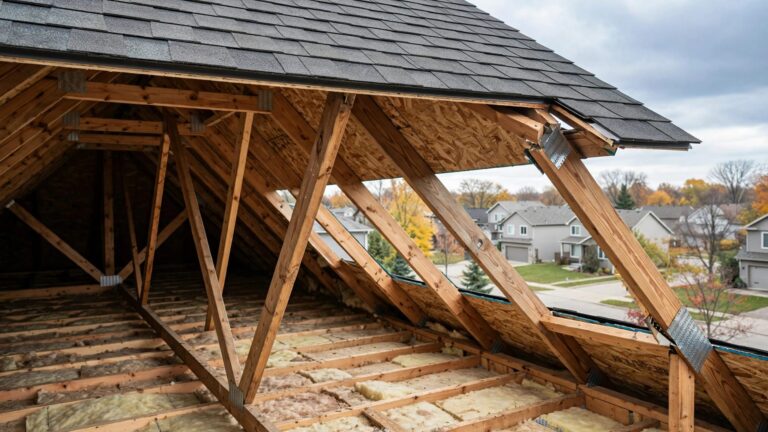
Each built-up roof consists of multiple layers designed to work as a system:
- Roof Deck – The structural base, often steel or concrete, that supports the BUR.
- Vapor Barrier – A sheet layer that prevents moisture from migrating into insulation.
- Insulation – Rigid boards that improve thermal performance and energy efficiency.
- Bitumen Membranes – Alternating layers of roofing felt saturated with asphalt or coal tar pitch.
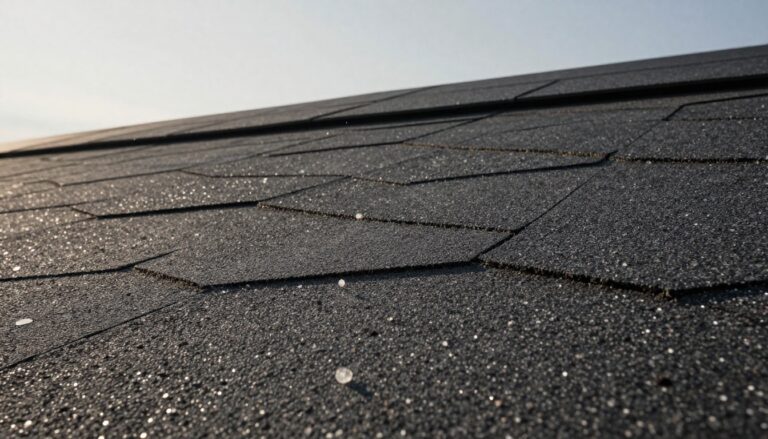
- Surfacing – Gravel, slag, or mineral granules that shield the bitumen from UV and mechanical wear.
These combined layers create a resilient assembly that resists water, adapts to thermal movement, and extends service life. Understanding each layer prepares you to evaluate component quality and performance.
How Has Built-Up Roofing Evolved Over Time?
Built-up roofing traces its origins to the 19th century when coal tar pitch proved effective at waterproofing industrial roofs. By the early 20th century, asphalt became the preferred bitumen for better flexibility. Modern BUR systems integrate fiberglass felts and cold-applied adhesives to simplify installation and enhance fire resistance. Today’s versions also support cool-roof coatings for improved energy efficiency in warm months.
The evolution shows how material science has refined BUR durability and ease of use, laying the groundwork for the component comparisons ahead.
Why Choose Built-Up Roofing for Low-Slope Roofs?
Built-up roofing excels on low-slope roofs because its multi-ply configuration delivers superior waterproofing and puncture resistance. The heavy surfacing layer prevents wind uplift and offers excellent fire ratings—critical for commercial and industrial structures. When you need a proven, long-lasting solution for a nearly flat roof, BUR combines cost-effective installation with reliable protection in severe weather.
What Are the Key Components of Built-Up Roofing Materials?
A built-up roofing system depends on three core component categories: bitumen, felts, and surfacing aggregates. Each category affects flexibility, waterproofing, and lifespan in unique ways. Evaluating these parts lets you match material performance to your project requirements.
What Types of Bitumen Are Used in BUR: Asphalt vs. Coal Tar Pitch?
Bitumen serves as the waterproofing matrix in BUR systems, and two primary types dominate the market:
Selecting asphalt bitumen improves cold-weather performance, while coal tar pitch excels against chemical exposure.
Your choice influences long-term maintenance and service life.
How Do Different Felts Affect BUR Performance?
Roofing felts reinforce BUR membranes and control dimensional stability. Two main felt types are used:
Fiberglass felts support higher-performance BUR applications, while organic felts offer cost savings in less demanding environments.
What Are the Common Surfacing Options: Gravel, Slag, and Mineral Granules?
Surfacing protects the bitumen plies from UV radiation, weathering, and foot traffic while adding fire resistance and ballast:
- Gravel provides immediate ballast and erosion control.
- Slag, a byproduct of steel manufacturing, offers angular aggregate for interlock and stability.
- Mineral granules deliver reflective or colored finishes to reduce roof temperature.
Each surfacing choice influences albedo, drainage, and long-term maintenance needs, guiding material selection for energy efficiency and aesthetics.
How Do Built-Up Roofing Materials Compare: Durability, Cost, and Maintenance?
Comparing BUR material combinations requires assessing how bitumen, felts, and surfacing interact to deliver lifespan, installation expense, and upkeep demands.
What Are the Durability Differences Between Asphalt and Coal Tar Pitch BUR?
Both systems last decades; asphalt suits colder climates while coal tar pitch excels in chemical exposure scenarios.
How Does Material Choice Impact Installation and Maintenance Costs?
How Does Climate, Especially in St. Paul, Affect BUR Material Performance?
Minnesota’s freeze–thaw cycles and seasonal temperature swings favor asphalt BUR for flexibility and crack resistance. Coal tar pitch may harden in extreme cold, increasing the risk of fissures. Adequate insulation and reflective surfacing mitigate thermal stress and improve overall roof longevity in St. Paul.
What Are the Advantages and Disadvantages of Each Built-Up Roofing Material?
Understanding pros and cons helps tailor BUR choices to project demands and budget.
What Are the Benefits and Drawbacks of Asphalt-Based BUR?
Asphalt BUR offers:
- Excellent low-temperature flexibility for harsh winters.
- Moderate upfront cost and widespread contractor expertise.
- Good adhesion to modern felts and coatings.
Trade-offs include:
- UV sensitivity requiring robust surfacing.
- More frequent recoating to maintain waterproofing.
What Are the Pros and Cons of Coal Tar Pitch BUR?
Coal tar pitch BUR provides:
- Superior chemical and moisture resistance for industrial sites.
- Extremely durable surfacing when ballasted properly.
Drawbacks consist of:
- Higher installation costs and safety protocols.
- Brittleness at low temperatures without flexible additives.
How Do Different Felts Influence BUR Strength and Flexibility?
Fiberglass felts produce a lightweight, dimensionally stable membrane that resists moisture and heat. Organic felts deliver greater tear resistance but risk shrinkage and biological breakdown. Matching felt type to building movement and load requirements ensures a balanced BUR performance profile.
What Are the Environmental and Sustainability Considerations for BUR Materials?
Sustainability factors include:
- Recyclability of gravel and slag surfacing.
- Cool-roof coatings that reduce heat island effect.
- Use of cold-applied asphalt emulsions to lower VOC emissions.
Incorporating recycled aggregates and reflective mineral granules supports energy efficiency and green building goals.
How Is Built-Up Roofing Installed and What Should You Know About the Process?
Installation quality directly affects BUR system longevity and leak resistance.
What Are the Step-by-Step Installation Stages for BUR Systems?
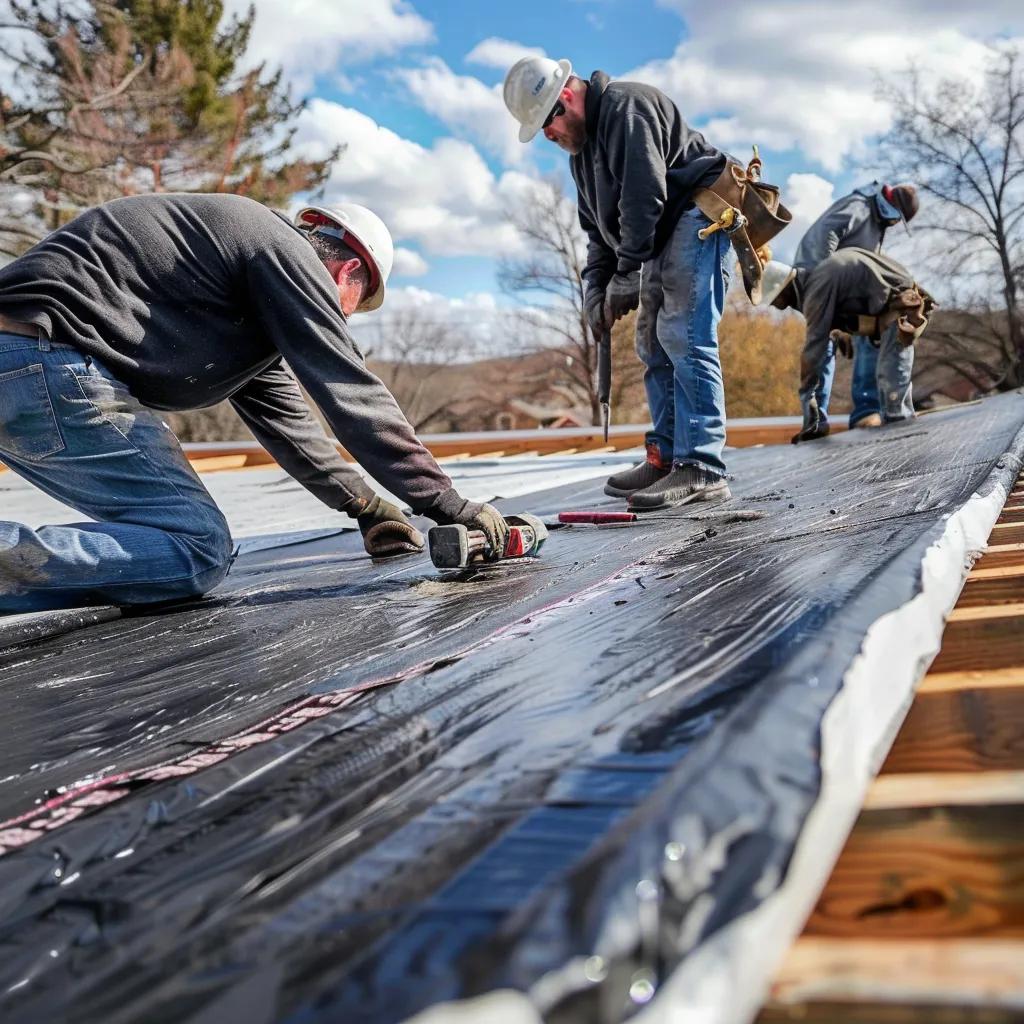
A standard installation follows these ordered stages:
- Deck Preparation – Clean and level the deck to eliminate moisture pockets.
- Vapor Barrier Application – Lay a continuous sheet to block vapor migration.
- Insulation Placement – Fasten rigid boards with mechanical or adhesive methods.
- Primer Coat – Apply a thin bitumen layer to improve felt adhesion.
- Felt Plying – Embed felt sheets in hot asphalt or cold adhesive in multiple plies.
- Surfacing – Broadcast gravel, slag, or granules into the final bitumen flood coat.
Each step builds the waterproof system; skipping a stage risks leaks and premature failure. Proper sequencing ensures a cohesive membrane.
How Does Material Selection Affect Installation Complexity and Time?
Asphalt BUR requires handling hot bitumen and staged plies, extending crew hours. Coal tar pitch demands specialized equipment and safety measures. Fiberglass felts speed up application but may require additional primer layers. Surfacing choice also impacts cleanup and ballast placement times.
What Are Common Installation Mistakes to Avoid?
Avoid these pitfalls to maximize BUR performance:
- Inadequate deck drying before membrane application.
- Uneven bitumen spread leading to cold joints.
- Under-or over-application of surfacing aggregate.
- Failure to inspect and repair flashings and penetrations.
Addressing these issues prevents leaks and extends system life.
How Should You Maintain Your Built-Up Roof Based on Material Type?
Regular care tailored to bitumen and felt characteristics preserves performance and delays full replacement.
What Maintenance Practices Extend the Life of Asphalt BUR?
Maintain asphalt BUR by:
- Inspecting seams and terminations semi-annually.
- Clearing debris that holds moisture against the membrane.
- Recoating with a reflective asphalt emulsion every 10–12 years.
Routine inspections catch small flaws before they escalate into leaks and damage.
How Do You Maintain Coal Tar Pitch BUR for Optimal Performance?
Coal tar pitch BUR benefits from:
- UV-resistant coatings applied every 15–20 years.
- Annual checks for surfacing displacement and pitch hardening.
- Prompt resealing of cracks to prevent moisture ingress.
The robust chemistry of coal tar pitch reduces maintenance frequency but demands careful monitoring.
When Is BUR Roof Repair Necessary and What Materials Are Used?
Repair is needed when:
- Visual cracks appear in the membrane.
- Ponding water persists beyond 48 hours.
- Flashings or terminations separate from the roof deck.
Repairs use matching bitumen type, compatible felt patches, and identical surfacing to restore system continuity and prevent new deterioration.
How Do Built-Up Roofing Materials Impact Environmental Sustainability and Energy Efficiency?
Sustainable BUR design balances resource use with long-term performance and energy savings.
What Are the Sustainability Benefits of Different BUR Materials?
Recycled aggregates like slag reduce landfill waste, while cold-applied asphalt emulsions cut greenhouse gas emissions. Fiberglass felts resist decay longer than organic options, extending the interval between full roof replacement and conserving raw materials.
How Do Surfacing Options Affect Energy Efficiency and Reflectivity?
Reflective mineral granules and cool-roof coatings bounce solar radiation, lowering roof deck temperature by up to 30°F. This thermal reduction decreases HVAC energy consumption and prolongs membrane life by reducing thermal stress.
What Are Emerging Innovations in BUR Materials for Sustainability?
Recent advances include bio-based bitumen modifiers, infrared-reflective coatings, and self-healing membranes that seal small breaches automatically. These innovations improve lifecycle performance and reduce environmental impact over traditional BUR systems.
How Do You Choose the Right Built-Up Roofing Material for Your Project?
Selecting a BUR system involves evaluating project priorities such as budget, longevity, climate, and sustainability.
What Factors Should Influence Your BUR Material Selection?
Consider these criteria when comparing BUR options:
- Initial Budget vs. Lifecycle Cost — Balance upfront expense with expected maintenance and lifespan.
- Climate Stressors — Match bitumen flexibility to freeze–thaw cycles and surfacing reflectivity to solar load.
- Building Use — Choose coal tar pitch for chemical exposure; asphalt for temperature extremes.
- Sustainability Goals — Opt for recycled surfacing and cool-roof finishes to earn green building credits.
Weighing these factors ensures a customized BUR solution that meets performance and financial goals.
How Does Local Climate in St. Paul and Wayzata Affect Your Choice?
Minnesota’s cold winters and summer sun cycles favor asphalt BUR with thermal-stress–resistant felts and reflective surfacing. For specialized projects in neighboring communities, I recommend reviewing local roof codes and weather records on the Wayzata roofing services page to fine-tune material selection and installation practices.
By accounting for humidity, snowfall, and solar exposure, you ensure the BUR system endures local conditions.
When Should You Consult Roofing Experts for BUR Material Advice?
Engage professional input when:
- Project scope exceeds DIY capabilities.
- You require detailed cost–benefit analyses or lifecycle projections.
- Local building codes mandate certified installation and inspections.
Roofing Experts St. Paul can guide you through material options, installation planning, and maintenance schedules to deliver maximum value and performance.
What Are the Most Frequently Asked Questions About Built-Up Roofing Materials?
Property owners often wonder about the drawbacks, cost comparisons, lifespan, and how BUR systems differ from related roofing types. Common concerns focus on routine maintenance needs, long-term durability in harsh climates, and cost effectiveness compared to single-ply or modified bitumen systems.
Understanding these core issues helps you anticipate total investment and performance expectations before committing to a BUR installation. When in doubt, professional assessment clarifies which material combination best aligns with your project demands and regional weather patterns.
Built-up roofs combine proven waterproofing technology, layered reinforcement, and protective surfacing to deliver decades of service. With the right balance of asphalt or coal tar pitch, felt type, and aggregate finish, a BUR system can meet nearly any commercial or industrial roofing challenge while minimizing lifecycle costs and environmental impact.
For critical projects in St. Paul and Wayzata, partnering with Roofing Experts St. Paul ensures expert installation, tailored maintenance plans, and reliable performance in Minnesota’s climate. I’m committed to helping you navigate the complex choices of built-up roofing materials. With this comparison guide, you can make confident decisions that maximize durability, value, and sustainability.
Need a roof inspection in Saint Paul or the Twin Cities? Call Sellers Roofing Company at +1-651-703-2336 or schedule a free estimate. We are a black-owned, NMSDC-certified MBE roofing contractor with 9+ years experience.