Last updated: 2026-08-01 by Ted Sellers, Owner
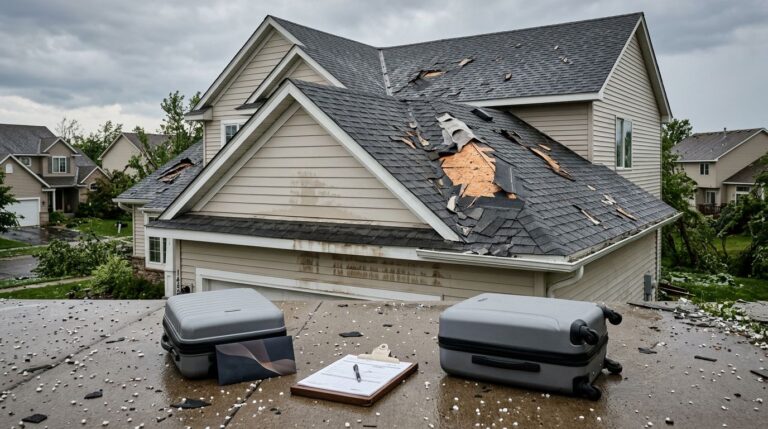
Yes, a drone inspection can spot many signs of hail damage on asphalt shingles, including impact marks, granule loss, cracked tabs, and damaged metal accessories. It’s strong for finding patterns and documenting scope. Still, a drone can’t always confirm bruising beneath the shingle surface, so some roofs need a hands-on check before repair or claim decisions.
When This Applies
Best fits for a drone hail damage inspection
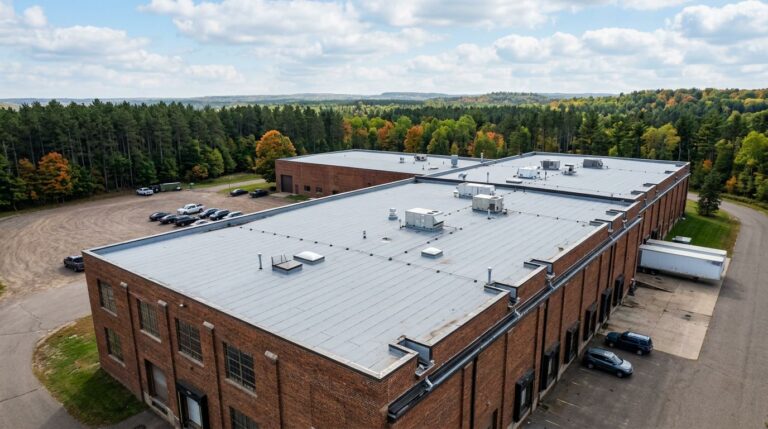
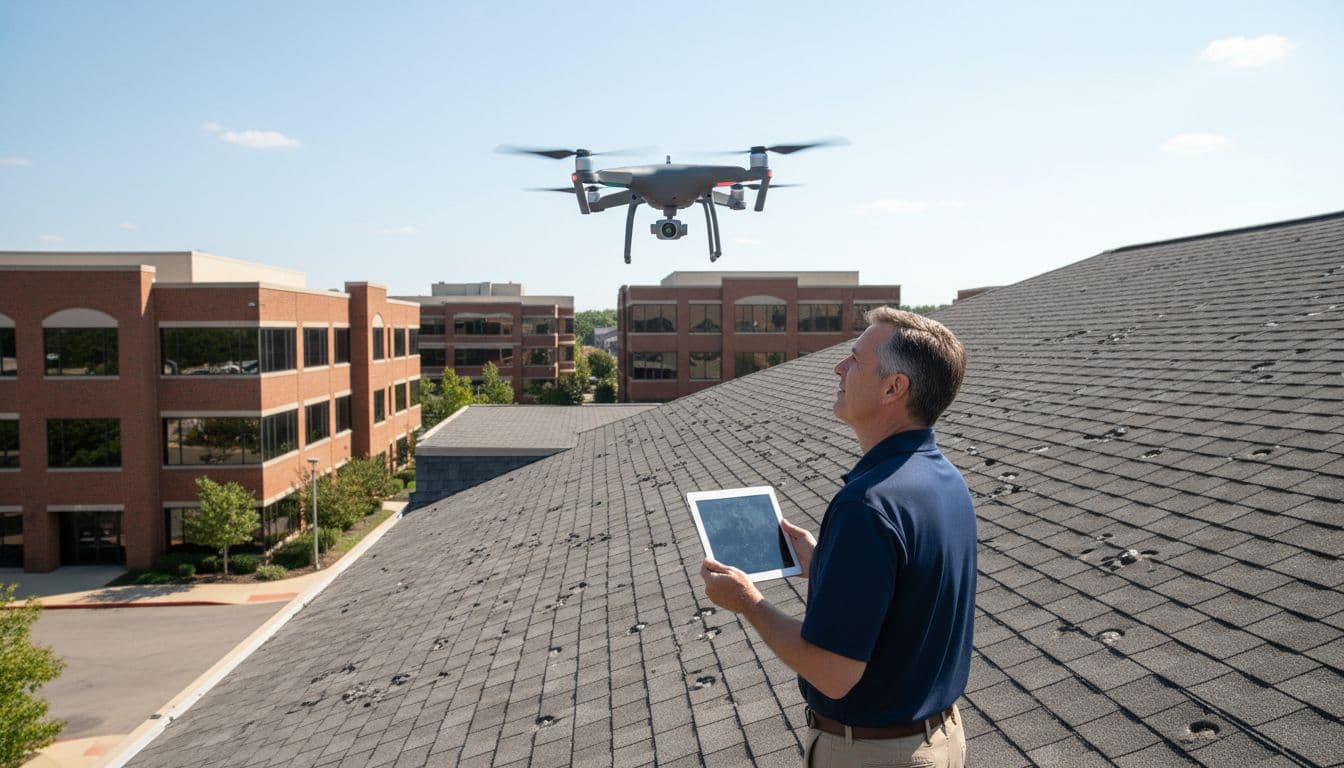
A drone works best when your commercial property has an asphalt shingle roof that is steep, high, large, or risky to walk right after a storm. That’s common on churches, office buildings, retail centers, mixed-use buildings, and properties with multiple roof sections.
It’s also a smart first move when you need fast documentation. Aerial images can show where hail hit hardest, which slopes took the brunt of the storm, and whether soft metals like vents, caps, and gutters show matching impact marks. That pattern matters because hail rarely damages one small spot and ignores everything around it.
For business owners, speed is part of the value. A drone can inspect without ladders on every edge, long foot traffic across fragile shingles, or major disruption to tenants and staff. It also creates a record you can compare later if the roof starts leaking.
When a drone won’t tell the whole story
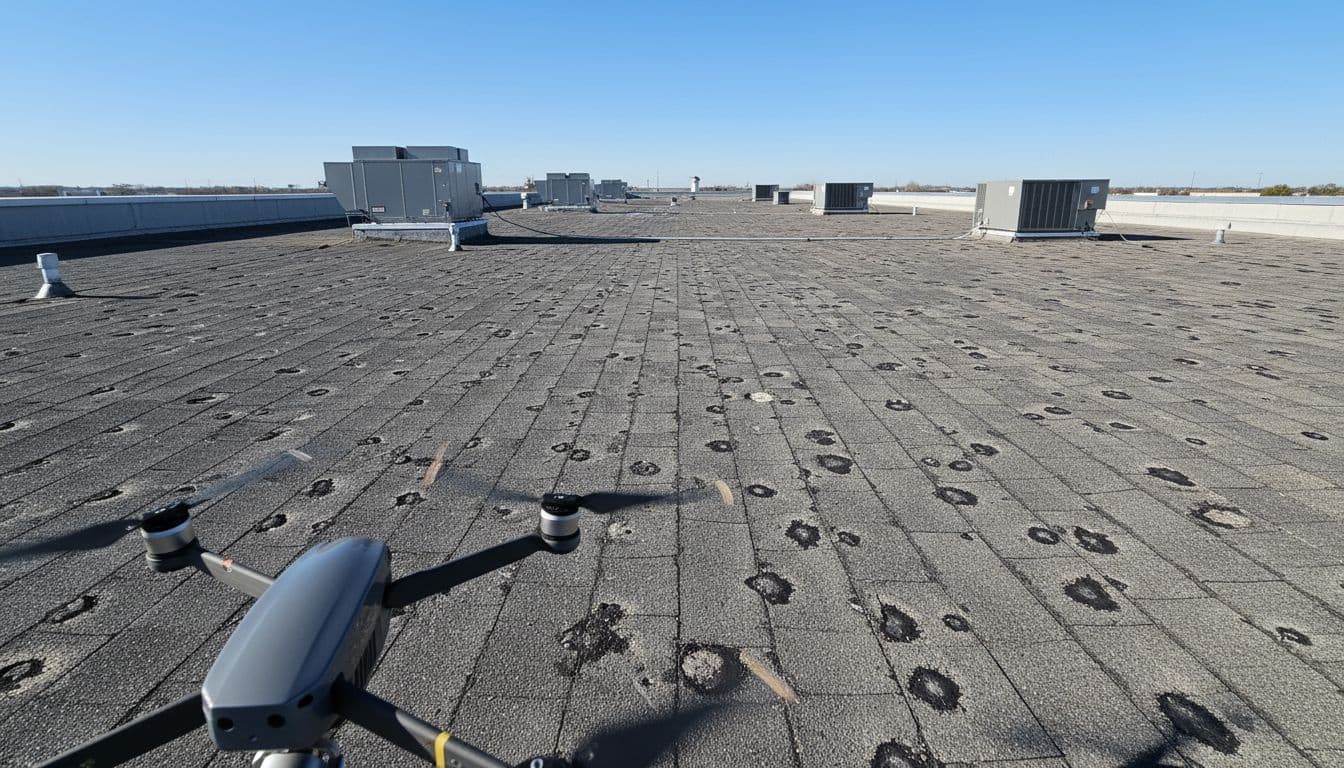
A drone is less helpful when the roof is heavily shaded, dirty, wet, or worn from age. In those cases, marks from foot traffic, blistering, algae, or old granule loss can look like hail from above. Low light also hides small defects.
Cases that still need hands-on proof
Some hail damage sits below the surface. A shingle can look only lightly marked while the mat underneath is bruised or cracked. According to Facility Executive’s review of drone roof inspections, that kind of bruise often needs tactile review, not photos alone.
A drone can show where hail likely struck, but it can’t always prove hidden shingle bruising.
So, this approach does not replace a roofer in every case. It works best as the first pass, or as part of a combined inspection.
What a Drone Can and Can’t Confirm
Visible signs the camera can capture
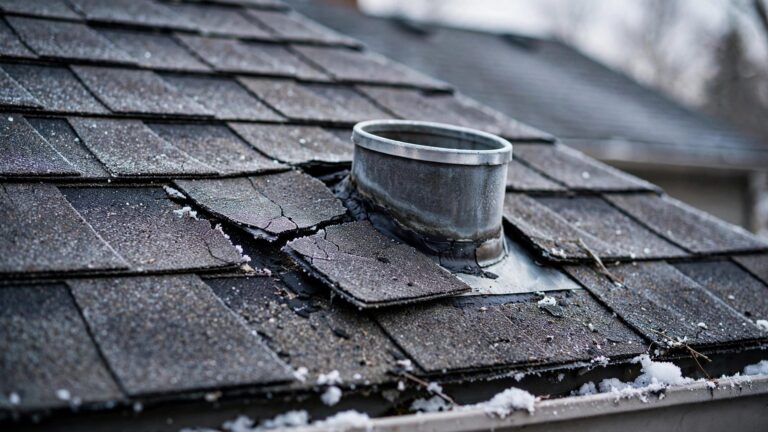
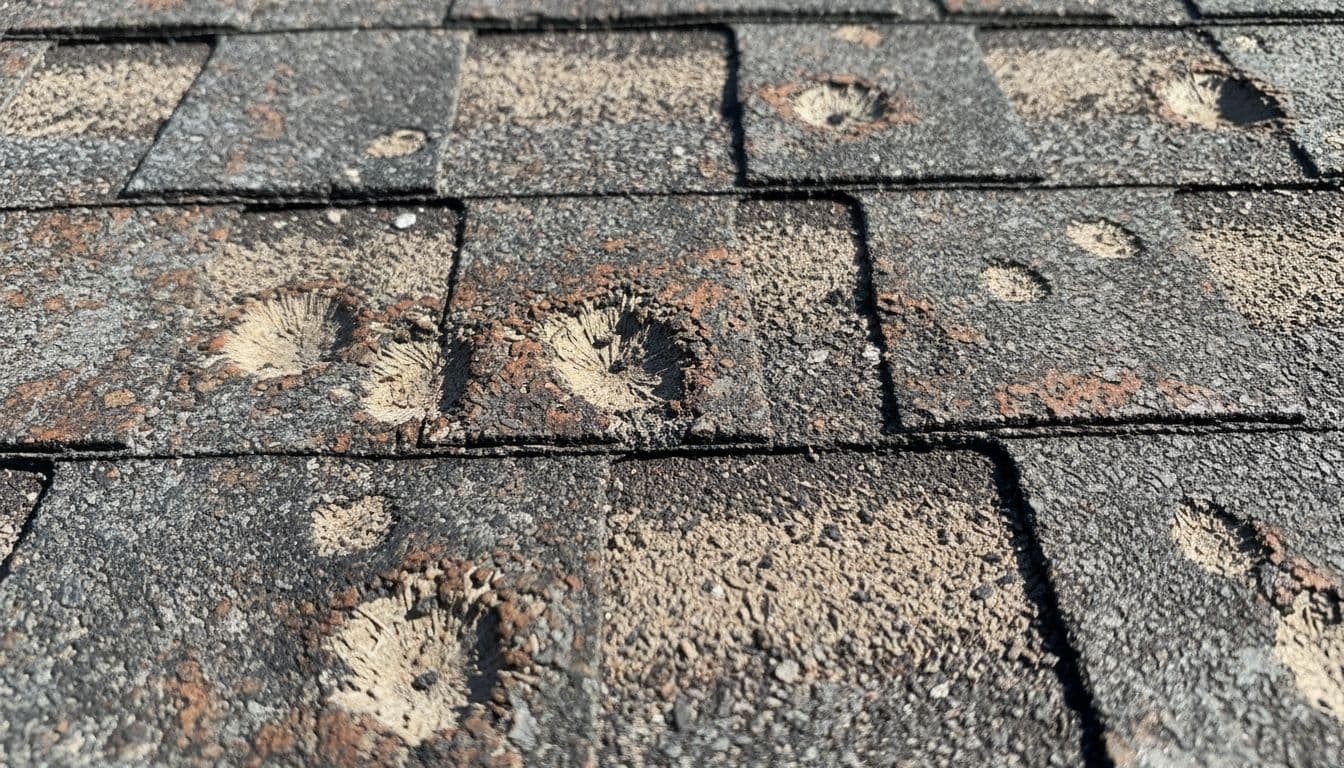
High-resolution aerial images can reveal a lot on asphalt shingles. The clearest signs are circular impact marks, fresh granule loss, cracked edges, torn tabs, and hits to ridge caps. Soft metals often help confirm the story. If vents, flashing, and gutters show fresh dents, the shingle damage nearby becomes more believable.
Commercial owners also benefit from pattern recognition. Hail usually leaves clusters and directionality. A good image set can show whether the west-facing slopes took the storm, or whether damage is scattered across many elevations. Tools described in this storm-damage drone guide also pair visual imaging with thermal scans when moisture is a concern.
This quick comparison helps set expectations:
| Drone can often show | Usually needs a closer check |
|---|---|
| Granule loss patterns | Hidden bruising in the mat |
| Cracked or displaced tabs | Seal strip damage |
| Dents on vents and flashing | Soft spots under shingles |
| Damaged ridge caps | Whether a mark is old or new |
| Broad damage distribution | Final repair scope |
The key point is simple. A drone is strong at finding likely hail damage and weak at confirming every cause with full certainty.
What still needs a closer check
Photos alone don’t always tell you whether the damage is cosmetic or functional. That line matters because repair scope, insurance decisions, and long-term leak risk depend on it.
A careful inspector may still need to test selected areas by hand, inspect seals, check flashing laps, and review interior leak paths. That’s why a drone inspection should lead to a decision, not end the process. Used that way, it saves time and reduces risk without giving a false sense of proof.
Step-by-Step
1. Match the roof and storm to the method
Start with the basics. Confirm the storm date, hail size reports, roof age, and shingle type. Then check whether the building has only shingles or a mixed system with low-slope sections, parapets, or rooftop units.
That context matters because old wear can mimic storm damage. It also matters because nearby flat sections may have different failure points than shingles. If the hail event was minor or the roof is near the end of its life, the inspection may need both aerial images and hands-on verification.
2. Fly a mapping pass over every slope
The first drone pass should document the full roof, not chase random marks. Good operators capture wide shots of every elevation, valleys, ridges, penetrations, gutters, and transitions. That creates the roof map you will use for every later decision.
Some inspection platforms also add measurements, diagrams, and flagged damage zones. For example, EagleView Assess focuses on fast roof imagery and measurements that help define the scope before anyone starts estimating.
3. Take close-up images of sample areas
After the broad pass, the operator should capture tight images from suspect zones on each roof facet. This is where the quality of the inspection rises or falls. Wide shots find patterns, but close shots show whether the shingles have fresh granule displacement, cracking, or repeated strike marks.
A sample-square approach can help here. Caliber Drone’s detailed inspection method describes taking closer samples from each facet, plus supporting photos of vents, gutters, and other metal components. That mix gives the report more weight.
4. Compare roof images with leak and metal damage clues
Next, line up the drone images with what the building is telling you. Look at ceilings, wall lines, rooftop equipment curbs, and maintenance logs. If the same roof areas show hail hits outside and moisture symptoms inside, the case gets stronger.
When leaks are active, aerial images should not stand alone. Pair them with commercial roof leak detection services so you can trace whether water is entering through damaged shingles, flashing, or another roof section.
If water is already inside
Move fast. Water can travel far from the entry point, especially around roof transitions and penetrations. Also, if hail struck a connected low-slope area, the job may include commercial flat roof repair along with shingle work.
5. Decide whether the roof needs repair or replacement
The final step is judgment. Drone evidence helps answer whether a commercial roof needs repair, whether damage is isolated, or whether the pattern is broad enough to support a larger claim.
Small, well-defined impact zones may call for targeted shingle and flashing repair. Widespread hits across many slopes, repeated leaks, brittle shingles, or matching damage to accessories can shift the decision toward commercial roof replacement. If you need a full storm response plan, experienced Saint Paul commercial roofing experts can connect the images to real repair scope, safety needs, and building use.
When repair is enough
Repair makes sense when the damage is limited, the shingles still have useful life, and the roof system is otherwise sound. In that case, the drone report helps your contractor target the right areas.
When replacement makes more sense
Replacement is often the better call when damage is spread across multiple elevations, patching would be excessive, or the roof was already aging out. A drone won’t make that decision alone, but it gives you a clean record of why the call was made.
Conclusion
What the answer comes down to
A drone inspection can find many visible signs of hail damage on asphalt shingles, and for commercial owners it’s often the safest first step. It is fast, well-suited for documentation, and useful for spotting damage patterns across a large roof.
Still, the best results come from using drone data the right way. Treat it as strong visual evidence, then add hands-on checks when the roof condition, claim, or leak history calls for it.
FAQ
Can a drone see bruising below the shingle surface?
Not reliably. A drone can suggest where bruising may exist, especially if impact marks cluster in the same area. However, hidden mat damage often needs a touch test or close field inspection to confirm.
Will insurance accept drone photos by themselves?
Sometimes, but not always.
For claim support versus final approval
Drone photos are great for documentation and scope review. Still, many claims need more than photos, especially when the argument depends on functional damage rather than visible marks.
How soon after a hailstorm should a business owner schedule the inspection?
As soon as conditions are safe. Early imaging captures fresh damage before foot traffic, cleanup, or later weather muddies the picture. It also gives you a clear time-stamped record.
What if the building has both shingles and a flat roof?
Then the inspection should cover both systems as one event. Hail can damage shingles, membrane seams, flashing, and rooftop accessories in the same storm, but each surface fails in different ways.
Can wind, dirt, or old wear look like hail damage in drone photos?
Yes. That’s one of the biggest limits. Old granule loss, scuffs, algae, and mechanical wear can resemble hail from the air, which is why close-up images and selective field checks still matter.
Need a roof inspection in Saint Paul or the Twin Cities? Call Sellers Roofing Company at +1-651-703-2336 or schedule a free estimate. We are a black-owned, NMSDC-certified MBE roofing contractor with 9+ years experience.