Last updated: 2026-08-01 by Ted Sellers, Owner
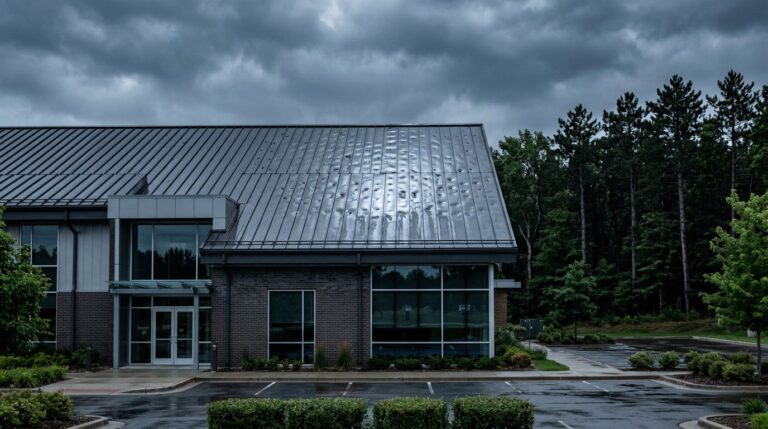
Yes. Hail can bruise shingles, strip granules, and drive force into the layers below, so hail damage roof underlayment is possible even when shingles stay intact. This risk is higher on older roofs, steep-slope commercial sections, and roofs with weak decking support. In many cases, the first clear sign is a leak that shows up days or months later.
When This Applies
This fits buildings with shingled roof sections
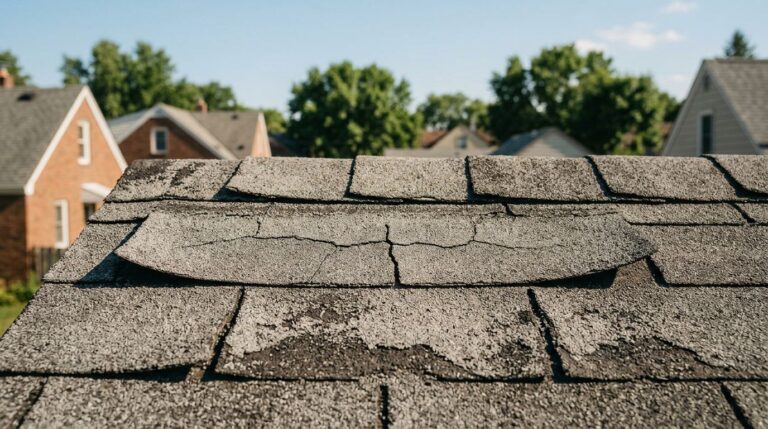
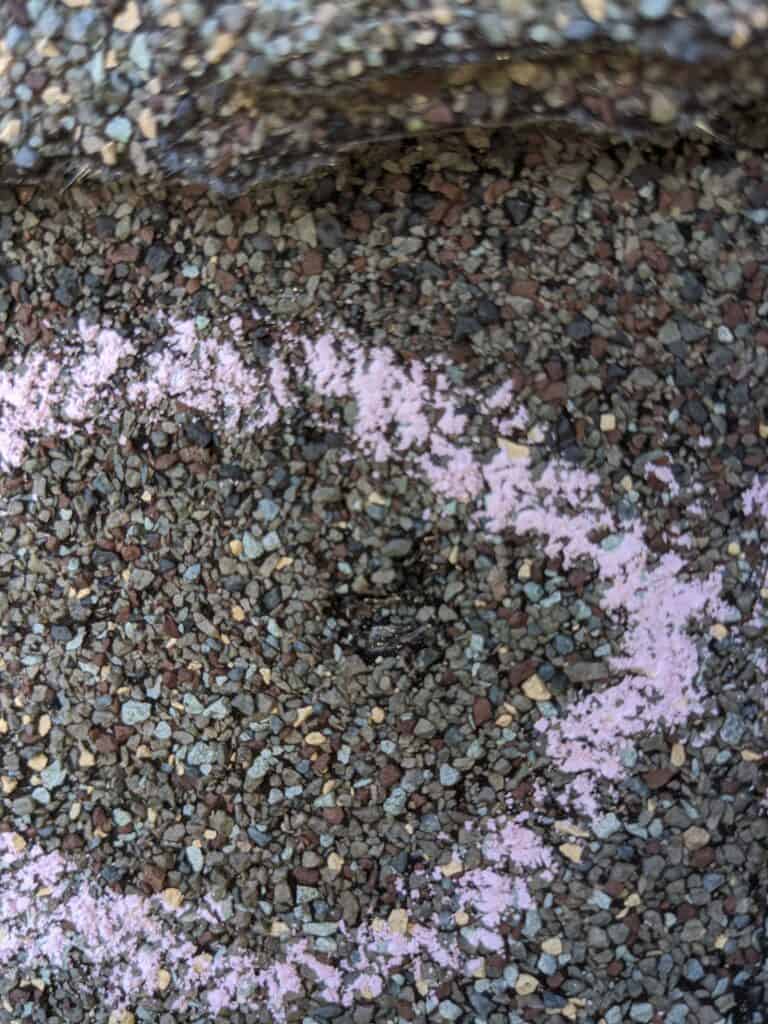
This question matters most if your commercial property has asphalt shingles on office fronts, churches, schools, retail buildings, or mixed-use sections. Hail doesn’t always punch a visible hole. Instead, it can leave a soft bruise in the shingle mat, loosen protective granules, and stress the felt or synthetic layer underneath.
Think of the shingle as the shell of a winter coat. It can take the hit, yet the layer below can still compress or tear. That’s why a roof can look mostly normal and still fail later.
Because the outer surface may still look whole from the ground, owners often assume the system is fine. That’s risky. Hidden impact damage is one reason leaks can appear late, as shown in this review of hail damage that gets missed until leaks show up.
If hail leaves bruising, granule loss, or soft spots, treat the roof as damaged even if every shingle still looks unbroken.
If your property combines shingles with low-slope areas, working with Saint Paul commercial roofing experts helps you compare both roof types in one inspection.
When it doesn’t apply, or applies differently
If your building has TPO, EPDM, PVC, or metal roofing, underlayment usually isn’t the main concern. On those systems, hail more often damages seams, flashings, cover boards, or insulation. In that case, the better question is whether you need targeted membrane repairs or broader commercial flat roof repair.
Age and material change the risk
Older shingles crack more easily, so impact may pass through a weakened mat faster. Synthetic underlayment may resist tearing better than old felt, yet it can still crease, puncture, or let water track sideways after repeated hits. Ice-and-water shield at eaves also behaves differently than basic felt, so not every slope has the same exposure. Even impact-rated shingles aren’t immune. They may resist cracks better, but repeated hail can still loosen seals and stress the backup layer at laps and fasteners.
Step-by-Step
Start with storm facts and interior clues
- Confirm the storm was strong enough to matter. Check hail size, wind direction, and the date. That timeline helps you connect fresh interior stains or ceiling drips to one event, which is useful when you later document damage using hail assessment guidance.
- Walk the building interior before anyone cleans up signs. Look for new water stains, damp insulation, lifted ceiling tiles, or a musty smell near upper walls. Those clues don’t prove underlayment damage by themselves, but they show where water may be traveling.
- Scan easy-to-see exterior items from the ground. Dents on gutters, downspouts, metal caps, and HVAC covers often confirm hail hit with enough force to affect shingles too. If those items show impact, don’t stop at a visual glance of the shingles.
Confirm hidden damage without guessing
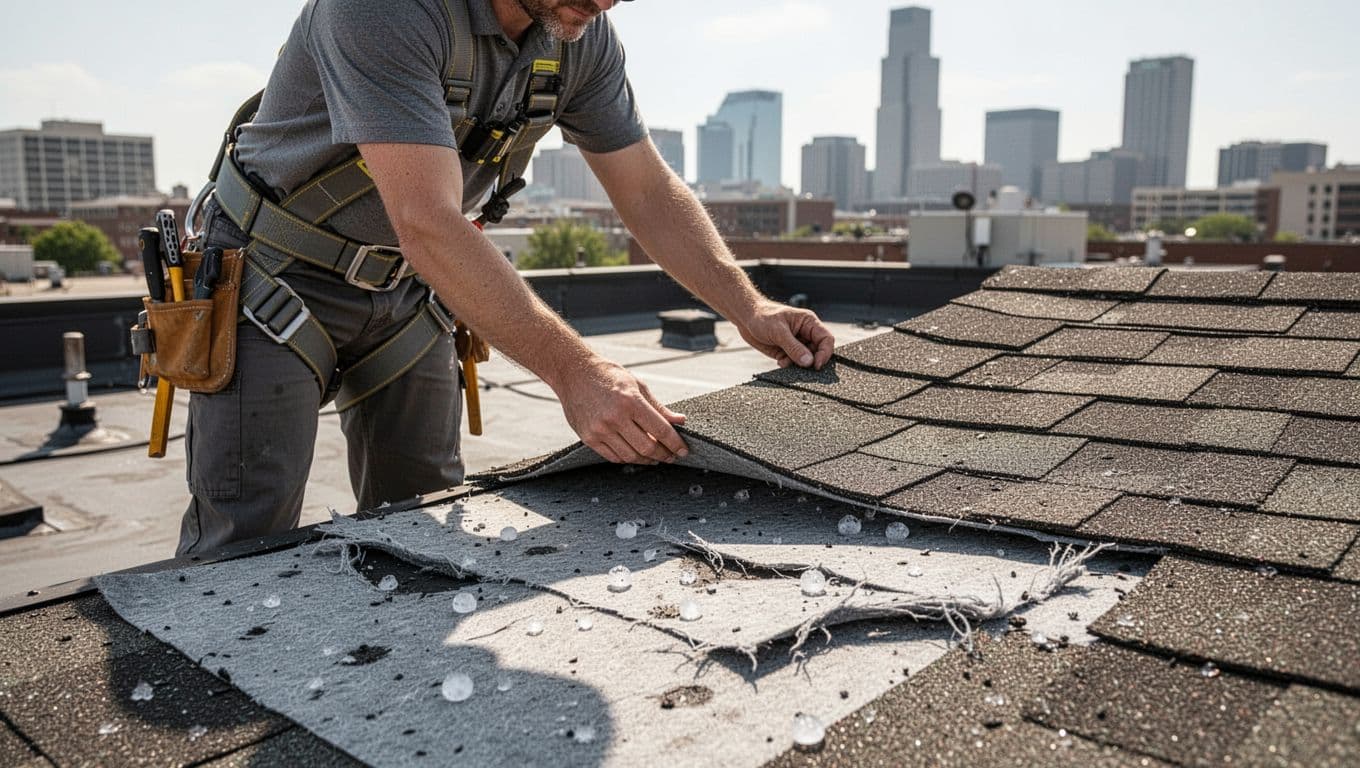
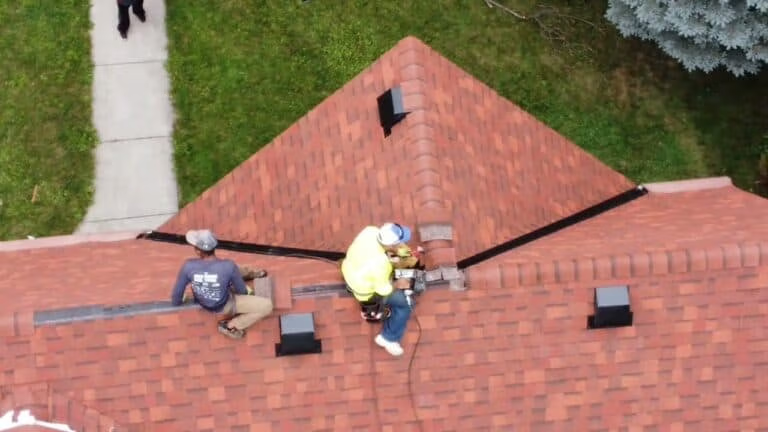
4. Have a roofer inspect test areas safely on the roof. A close inspection looks for bruising, granule loss, lifted tabs, broken seal strips, and soft spots in the deck. On suspect slopes, the inspector may lift select shingles to check whether the underlayment is creased, torn, or damp. A good inspection also includes photos of test areas and slope-by-slope notes. 5. Separate cosmetic marks from functional damage. A scuffed surface may not leak today. Still, if the shingle mat is bruised, the seal strip failed, or the underlayment shows tears, your commercial roof needs repair even if no shingle appears split. On steep-slope commercial roofs, inspectors often compare several slopes because hail rarely hits every plane the same way. 6. Match the fix to the spread of damage. Small, isolated areas may need section repairs and follow-up monitoring. If moisture has moved into insulation, decking, or multiple slopes, a patch may fall short and commercial roof replacement may make more financial sense. If water is already entering, ask for a temporary dry-in first so business operations keep moving. When leak paths are unclear, schedule commercial roof leak detection Saint Paul so the repair targets the source, not the stain.
Questions business owners ask next
Can underlayment dry out after one hailstorm and still be okay?
Sometimes it dries, but that doesn’t mean it’s sound. Once felt or synthetic layers crease, puncture, or lose fastener tightness, they may keep leaking during the next wind-driven rain. Dry today can still mean failed tomorrow.
Will insurance cover damage if no shingles are visibly broken?
It can, but the claim usually turns on documented functional damage, not what the roof looks like from the parking lot. Photos, date-stamped weather records, and notes on bruising, moisture, and failed seals matter more than a quick ground view.
What carriers usually want to see
They want a clear storm date, marked test areas, and proof that the roof’s water-shedding ability changed.
Can hail-damaged underlayment cause leaks months later?
Yes. That’s common when hail weakens seal strips or creates small pathways at laps and fasteners. The roof may hold during a light rain, then leak during snowmelt or a wind-driven storm because water finally reaches the damaged layer.
What if only one roof section was hit hard?
That can happen. Wind direction, building height, and parapet walls often make one slope take the brunt of the storm. In that case, a partial repair may work, but only after a full inspection rules out hidden spread into nearby areas.
How do mixed roofs change the repair plan?
Many commercial buildings have shingles over entry sections and membranes over the main structure. So you may need two repair paths at once, shingle-related work on one area, and membrane work on another. That’s why a hail event can lead to both underlayment checks and separate low-slope repairs.
Whole shingles don’t always mean a whole roof. After hail, the smart move is a documented inspection while the evidence is still fresh.
If your building took a hard storm, act before a small bruise turns into soaked insulation, tenant complaints, or a disputed claim. Hidden damage is still damage.
Need a roof inspection in Saint Paul or the Twin Cities? Call Sellers Roofing Company at +1-651-703-2336 or schedule a free estimate. We are a black-owned, NMSDC-certified MBE roofing contractor with 9+ years experience.